How to Style Vintage Dresses? Designer Insights
Vintage dresses represent more than just clothing—they embody decades of fashion evolution, craftsmanship, and timeless elegance. Whether you’ve discovered a pristine 1950s swing dress at a thrift store or inherited a delicate 1920s beaded gown, styling vintage pieces requires understanding the era they come from while blending them seamlessly into modern wardrobes. This comprehensive guide explores how fashion designers and style experts approach vintage dressing, offering practical insights to help you create stunning, cohesive looks that honor the past while feeling utterly contemporary.
The resurgence of vintage fashion in recent years reflects a growing appreciation for quality, sustainability, and individuality. Unlike fast fashion, vintage dresses carry character and history—each wrinkle, seam, and fabric choice tells a story. Styling them effectively means respecting their origins while making them work for your lifestyle and personal aesthetic. From pairing 1960s mod dresses with contemporary sneakers to combining Victorian-inspired pieces with modern minimalist accessories, the possibilities are endless when you understand the foundational principles of vintage styling.
Understanding Vintage Dress Eras
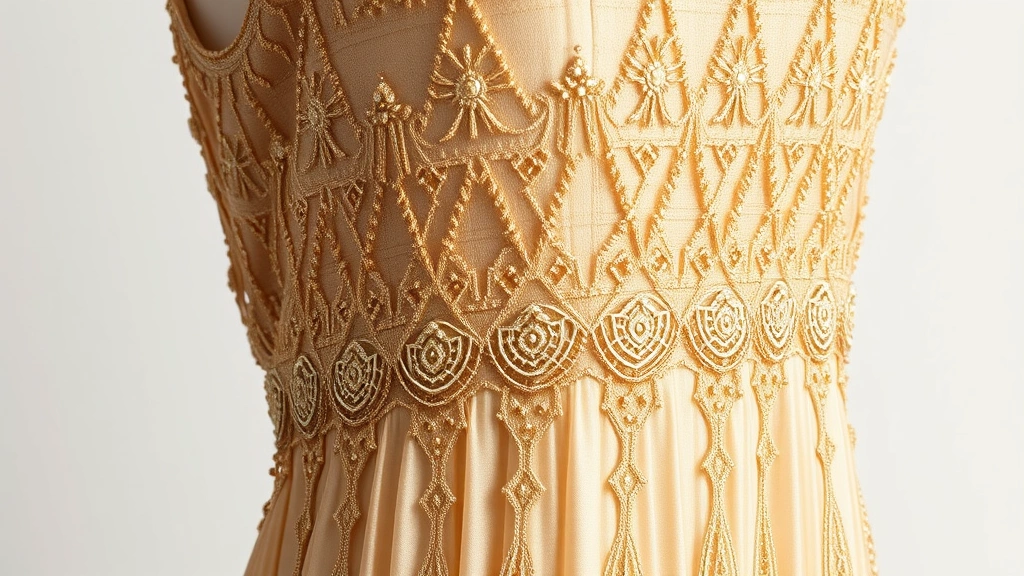
Each decade brought distinct silhouettes, construction methods, and design philosophies that define vintage dresses. The 1920s introduced drop-waist designs and boyish silhouettes that celebrated freedom and movement. These pieces typically feature minimal embellishment on the bodice with elaborate beading concentrated on hems and necklines. When styling 1920s dresses, embrace the era’s androgynous aesthetic by pairing them with simple, sleek accessories and modern footwear.
The 1940s brought structured shoulders and practical designs influenced by wartime manufacturing. These dresses often feature padded shoulders, nipped waists, and knee-length hemlines. They pair beautifully with contemporary styling when you add modern elements like ankle boots or statement jewelry that contrast with the dress’s vintage silhouette. Visit our complete fashion history timeline to explore how different eras shaped modern fashion.
The iconic 1950s era delivered full-skirted dresses with cinched waists that defined femininity for generations. These pieces feature structured construction, often with crinoline underlays creating dramatic volume. Styling 1950s dresses requires balancing their inherent femininity—you might pair a vintage circle skirt dress with leather jackets, contemporary belts, and modern accessories to avoid appearing costume-like.
The 1960s introduced geometric patterns, bold colors, and mod silhouettes that challenged traditional femininity. A-line dresses, shift dresses, and go-go styles dominated this era. These pieces work wonderfully with finding your personal style because their clean lines and minimalist approach translate easily to modern wardrobes.
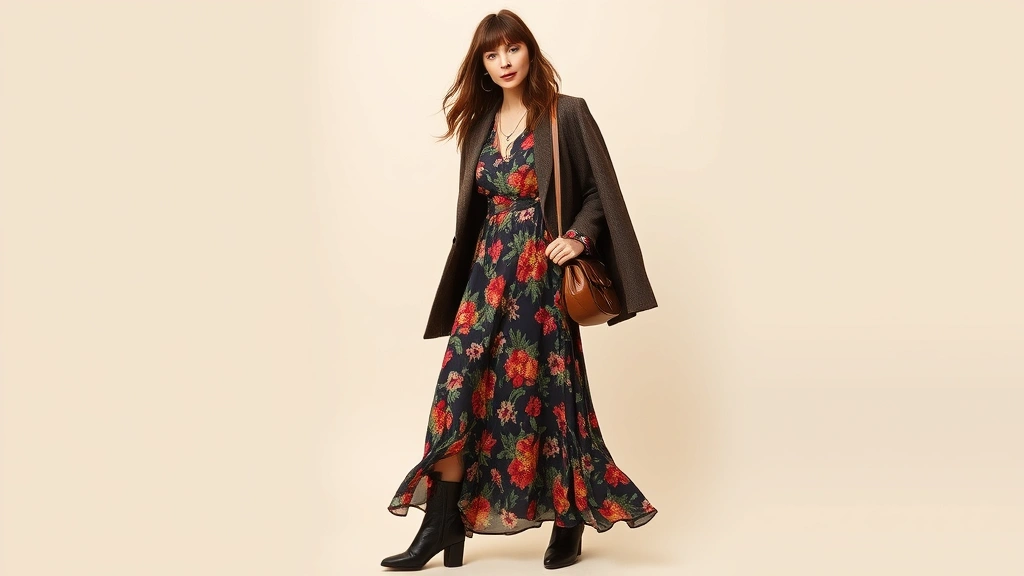
The 1970s brought bohemian influences, maxi dresses, and flowing fabrics that celebrated individuality and movement. These dresses often feature earth tones, floral prints, and loose silhouettes. Styling them involves honoring their relaxed aesthetic while adding modern structure through tailored outerwear or contemporary footwear.
The 1980s and 1990s offered diverse styles ranging from power dresses to slip dresses. These eras are closer to contemporary fashion, making styling more intuitive. A vintage 1990s slip dress, for example, works beautifully with modern layering pieces and current footwear trends.
Assessing Condition and Fit
Before styling any vintage dress, thoroughly evaluate its condition and fit. Inspect seams carefully for weak spots, tears, or deterioration. Check zippers, buttons, and closures to ensure they function properly. Look for stains, discoloration, or damage to the fabric itself. Minor issues can often be repaired by skilled seamstresses, but extensive damage may limit styling options.
Fit assessment is crucial because vintage sizing differs significantly from modern standards. Try pieces on carefully, assessing the overall silhouette rather than comparing to current size labels. A dress might fit your bust perfectly but require tailoring at the waist or hemline. Work with experienced tailors who understand vintage construction—they can make adjustments while preserving the dress’s original integrity and character.
Consider the dress’s original purpose and construction quality. Designer vintage pieces and those made from natural fibers typically offer better value and longevity than mass-produced vintage items. Investment-worthy pieces justify professional cleaning and careful styling, while more casual vintage finds can be styled more playfully and experimentally.
Modern Styling Techniques
The most compelling vintage styling approaches blend old and new elements intentionally. Rather than recreating historical accuracy, modern stylists use vintage dresses as statement pieces within contemporary contexts. Fashion style experts emphasize that successful vintage styling requires confidence and a clear vision of how pieces fit your aesthetic.
Layering is perhaps the most versatile modern styling technique for vintage dresses. A sleeveless 1950s dress becomes effortlessly current when layered under a structured blazer, denim jacket, or oversized cardigan. This approach allows you to wear vintage pieces across seasons and occasions. Experiment with different jacket styles—a leather biker jacket creates edgy contrast with feminine vintage dresses, while a tailored blazer maintains elegance.
Footwear choices dramatically influence how vintage dresses read in contemporary settings. Pairing a delicate 1920s dress with chunky combat boots creates intentional juxtaposition that feels modern and fashion-forward. Conversely, elegant heels with a 1960s mod dress can emphasize its geometric precision. Sneakers, loafers, and contemporary boots all offer distinct styling possibilities depending on the dress’s era and your desired aesthetic.
Silhouette balance guides successful styling decisions. If a vintage dress features a full skirt and fitted bodice, balance it with fitted tops and streamlined outerwear. When wearing a loose, flowing vintage piece, add structure through tailored layers or statement belts. This principle prevents outfits from appearing costume-like or historically inaccurate.
Proportion awareness ensures vintage dresses integrate cohesively with modern wardrobes. A midi-length 1970s dress pairs beautifully with cropped jackets and contemporary proportions. Conversely, a knee-length 1950s dress can be styled with oversized outerwear for balanced proportions. Understanding how vintage silhouettes interact with current fashion proportions is essential for creating harmonious looks.
Explore types of fashion styles to understand how vintage dressing fits within broader fashion categories and personal aesthetic development.
Accessorizing Vintage Pieces
Accessories make or break vintage styling. They have tremendous power to either emphasize a dress’s historical context or ground it firmly in contemporary fashion. Strategic accessorizing allows you to wear the same vintage dress in multiple ways, adapting it for different occasions and seasons.
Jewelry selection significantly impacts how vintage dresses read. Delicate vintage jewelry with period-appropriate pieces creates cohesive, historically-inspired looks. Conversely, mixing vintage dresses with contemporary statement jewelry creates intentional eclecticism that feels modern and personal. Bold geometric jewelry from the 1960s pairs beautifully with modern minimalist dresses, while art deco pieces complement both vintage and contemporary aesthetics.
Belts and waist definition offer powerful styling tools for vintage dresses. A simple leather belt can modernize a 1950s dress instantly. Structured corset belts emphasize vintage silhouettes, while chain belts add contemporary edge. Experiment with different belt placements—cinching at the natural waist, hip, or creating new proportions entirely transforms how vintage pieces function in modern outfits.
Bags and footwear ground vintage dresses in contemporary contexts. Structured handbags, crossbody bags, and modern backpacks work beautifully with vintage dresses when chosen thoughtfully. Consider color, material, and proportion—a sleek leather crossbody bag modernizes a 1970s floral dress, while a structured vintage-inspired bag might feel redundant.
Visit our fashion accessories guide to explore comprehensive accessorizing strategies that elevate any outfit, vintage or contemporary.
Hosiery and legwear deserve careful consideration. Sheer tights add sophistication to knee-length vintage dresses, while bare legs feel modern and casual. Patterned tights, knee-high socks, or contemporary legwear options create intentional styling statements. Dark tights elongate proportions and add formality, while lighter options feel fresh and approachable.
Mixing Vintage with Contemporary
The most interesting vintage styling emerges from thoughtful mixing of eras and aesthetics. Rather than committing entirely to a single era’s aesthetic, modern stylists blend vintage pieces with contemporary elements to create distinctive personal style.
Vintage dresses as statement pieces work best when surrounded by neutral, contemporary basics. A bold printed 1960s dress shines when paired with simple white sneakers, a denim jacket, and minimal jewelry. This approach prevents outfits from feeling costume-like while celebrating the dress’s unique character.
Color coordination bridges vintage and contemporary styling. Pull accent colors from your vintage dress and repeat them in modern pieces—a cream-colored 1950s dress with subtle pink details pairs beautifully with contemporary blush-toned accessories and modern footwear. This technique creates cohesion while maintaining stylistic diversity.
Texture mixing adds visual interest and prevents vintage styling from feeling dated. Combine delicate vintage fabrics with contemporary materials—a silk vintage slip dress styled with a wool contemporary blazer and leather boots creates textural richness. Experiment with different fabric combinations to develop your unique styling voice.
Understanding how to find your personal style helps you approach vintage pieces as tools for self-expression rather than historical recreation. Your personal aesthetic should guide which vintage pieces you pursue and how you style them.
Care and Preservation
Proper care ensures vintage dresses remain beautiful and wearable for years. Storage practices significantly impact longevity. Store vintage dresses on padded hangers in cool, dry environments away from direct sunlight. Acid-free tissue paper supports delicate fabrics and prevents creasing. Avoid plastic bags that trap moisture and encourage mildew growth.
Cleaning considerations require careful attention with vintage pieces. Gentle hand washing in cool water with mild detergent suits most vintage fabrics. For delicate pieces, professional dry cleaning by specialists experienced with vintage garments ensures safety. Always test any cleaning solution on inconspicuous areas first.
Repair and restoration should be handled by skilled professionals. Small tears, loose seams, and missing buttons can be repaired without compromising vintage integrity. Experienced seamstresses and vintage clothing specialists understand construction methods specific to different eras and can make repairs that preserve original character.
Visit Style Loom Daily Blog for additional fashion care tips and styling inspiration that helps you maintain and style your vintage collection effectively.
FAQ
How do I know if a vintage dress is authentic?
Examine construction quality, fabric composition, and design details consistent with the claimed era. Research brand labels, seam construction methods, and closure types—zippers, for example, weren’t common in 1920s dresses. Consult vintage fashion experts or reputable dealers when authenticating valuable pieces.
Can I wear vintage dresses to formal events?
Absolutely. Many vintage dresses surpass contemporary formal wear in quality and elegance. A 1950s beaded gown or 1970s formal dress can be stunning for weddings, galas, and special occasions. Style them with contemporary accessories and minimal additional embellishment to avoid appearing costume-like.
What’s the best way to find vintage dresses that fit my body?
Vintage sizing differs significantly from modern standards, so focus on trying pieces on rather than size labels. Thrift stores, vintage boutiques, and online vintage retailers offer diverse options. Work with tailors experienced in vintage garments who can adjust fit while preserving original integrity.
How do I prevent vintage dresses from looking costume-like?
Balance vintage silhouettes with contemporary elements through footwear, accessories, and outerwear choices. Avoid recreating complete historical looks—instead, blend eras intentionally. Use neutral, modern basics to ground vintage statement pieces within current fashion contexts.
Are vintage dresses sustainable fashion choices?
Yes. Wearing vintage reduces demand for new production, minimizing environmental impact and supporting circular fashion practices. Vintage pieces often feature superior construction and quality materials compared to contemporary fast fashion, making them durable, long-lasting investments.
How should I style different vintage dress necklines?
Consider the neckline when choosing layering pieces and jewelry. High necklines work beautifully with statement earrings and simple outerwear. Plunging necklines pair well with delicate jewelry and structured jackets. Off-shoulder designs benefit from minimal upper body jewelry and contemporary tops layered underneath for modesty and style.