Men’s Fashion of the 40s: A Timeless Style Guide
The 1940s represented a pivotal moment in menswear history, where practicality met elegance in ways that continue to influence contemporary style. This decade, shaped by World War II and its aftermath, witnessed the emergence of silhouettes and aesthetics that transcended mere wardrobe choices—they became cultural statements. From the sharp tailoring of zoot suits to the refined simplicity of military-inspired uniforms, men’s fashion of the 40s established foundational principles that modern gentlemen still reference today.
Understanding this era provides invaluable insights into fashion style fundamentals that remain eternally relevant. The constraints of wartime rationing forced designers to innovate with fabric efficiency while maintaining sophisticated aesthetics. This balance between necessity and style created a distinctive visual language that defined an entire generation and continues to resonate in contemporary menswear collections.
The Influence of World War II on Menswear
The Second World War fundamentally transformed men’s fashion across the globe. Military uniforms became the most visible and influential garments of the decade, establishing aesthetic standards that permeated civilian wardrobes. The structured shoulders, precise tailoring, and functional design elements of military dress influenced everything from business suits to casual wear. Young men returning from service carried these style preferences into peacetime, creating a widespread appreciation for clean lines and disciplined tailoring.
Fabric rationing during the war years necessitated innovation. Designers worked within strict guidelines limiting fabric usage, which paradoxically led to more refined and streamlined silhouettes. The types of fashion that emerged during this period emphasized quality over quantity. Garments were constructed with meticulous attention to detail, using fewer yards of material while maintaining sophisticated appearance. This constraint-driven creativity established principles that luxury menswear still honors today.
The post-war period saw the emergence of the “New Look” influence across menswear, though more subtly than in women’s fashion. Shoulders became slightly more relaxed by the late 40s, suits gained more refined proportions, and overall silhouettes moved toward elegant simplicity. This transition reflected broader cultural shifts as societies moved from wartime austerity toward optimism and peacetime prosperity.
Iconic Silhouettes and Cuts
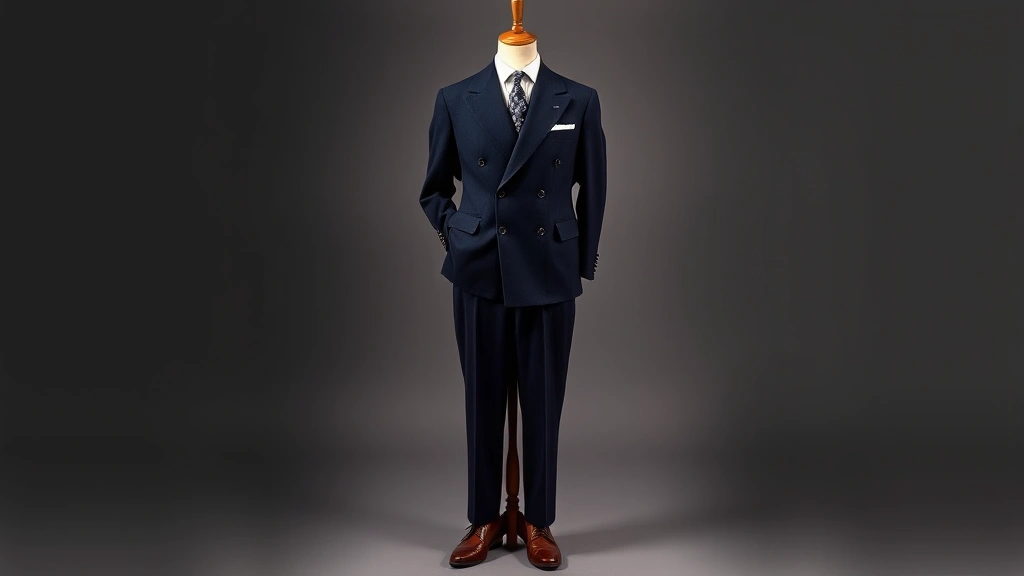
The classic men’s suit of the 1940s featured distinctly recognizable proportions that defined the decade. Double-breasted blazers dominated the earlier part of the decade, with wide lapels and substantial button placement creating commanding presence. These suits typically featured high button stances, meaning the topmost button sat higher on the chest than modern conventions. The jacket length extended to approximately mid-knee, providing coverage and formality appropriate for the era’s social standards.
Trousers during this period displayed characteristic high waistbands, often reaching above the natural waist. This elevated positioning created elongated leg lines and contributed to the overall vertical emphasis of 40s silhouettes. Trouser legs were generally fuller through the hip and thigh, with a gradual taper toward the ankle. Cuffs were common, typically measuring one to one-and-a-half inches, and added weight to the hem that helped maintain trouser shape.
Single-breasted suits gained popularity as the decade progressed, particularly in the latter half of the 1940s. These featured two or three buttons and represented a transition toward the more streamlined aesthetics that would define the 1950s. The lapel width narrowed slightly compared to earlier double-breasted options, creating a more refined appearance while maintaining the decade’s characteristic structure and formality.
Casual wear also reflected 40s sensibilities. Sport coats paired with contrasting trousers represented standard daywear for many men. These jackets featured similar shoulder construction to formal suits but allowed for pattern mixing and more relaxed fabric choices. Cardigans and sweaters became increasingly popular, particularly in the post-war years, offering comfortable alternatives to formal tailoring while maintaining respectable appearance.
Fabric Selection and Materials
Wool dominated menswear during the 1940s, serving as the primary fabric for suits, overcoats, and sport coats. Worsted wool, prized for its smooth finish and durability, was particularly favored for tailored garments. The tight weave of worsted fabrics allowed for crisp pressing and maintained sharp creases—essential characteristics for the period’s aesthetic. Tweed and flannel represented popular alternatives, offering texture and warmth while maintaining sophisticated appearance suitable for business and formal occasions.
Cotton played an important supporting role in 40s menswear. Cotton dress shirts formed the foundation of most wardrobes, available in white, cream, and subtle patterns. The fabric’s breathability and ease of laundering made it practical for daily wear, while its crisp finish aligned perfectly with the decade’s preference for neat, orderly appearance. Cotton also appeared in casual shirts, work wear, and undershirts, making it indispensable across all social classes.
Linen, though less common than wool or cotton, appeared in summer garments and tropical-weight suits. Its natural cooling properties made it ideal for warmer months, and its characteristic texture added visual interest to otherwise conservative color palettes. Rayon, a synthetic fiber gaining popularity during this era, appeared in ties, shirts, and occasionally in suit linings, offering sheen and drape that complemented natural fibers.
Leather goods were essential components of 40s menswear. Quality leather shoes, belts, and accessories reflected a man’s attention to grooming and status. Leather was typically darker—black or brown—and maintained a polished finish. Hats featured leather sweatbands and sometimes leather binding on brims, combining functionality with refined aesthetics. The quality of leather goods often distinguished well-dressed men from those with merely adequate wardrobes.
Color Palettes and Patterns
The 1940s embraced a relatively conservative color palette, with neutrals dominating professional and formal menswear. Navy blue, charcoal gray, and black represented the most sophisticated choices for suits and formal wear. These dark, neutral tones conveyed seriousness, reliability, and formality—qualities highly valued during and immediately after wartime. Brown appeared as an alternative neutral, particularly in sport coats and casual wear, offering warmth while maintaining respectability.
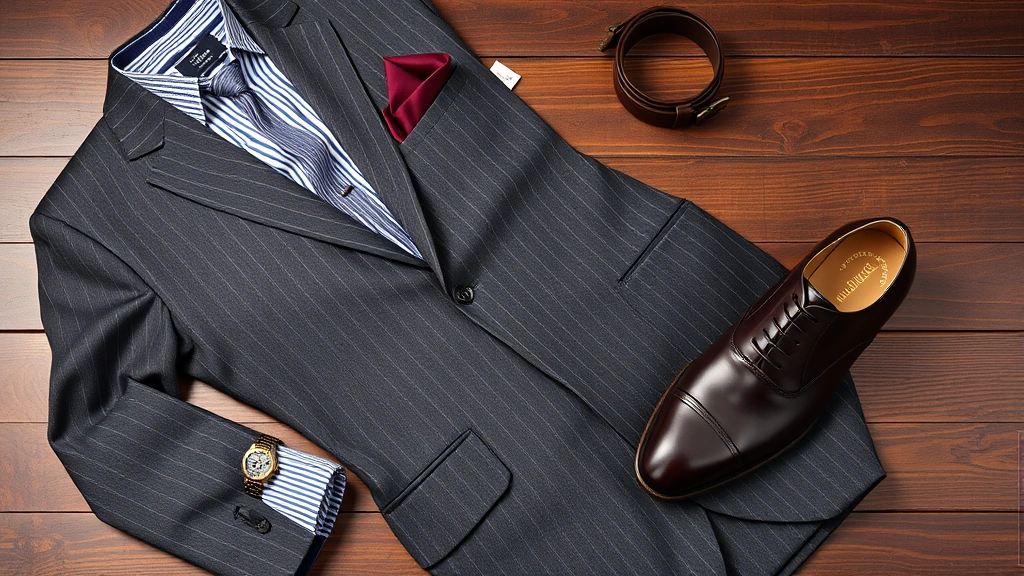
Patterns played a crucial role in adding visual interest within the conservative color framework. Pinstripes represented the most formal pattern choice, with narrow to medium widths creating subtle visual texture without overwhelming the silhouette. Windowpane checks and Glen plaid patterns appeared in sport coats and business suits, providing sophisticated pattern play appropriate for varied occasions. Herringbone weaves added texture through fabric construction rather than applied pattern, creating depth while maintaining understated elegance.
Ties featured the most expressive color and pattern options, allowing men to demonstrate personality within otherwise formal dress codes. Geometric patterns, diagonal stripes, and subtle prints appeared on ties in jewel tones, earth tones, and occasionally brighter hues. Pocket squares and tie pins added coordinated color accents, with burgundy, forest green, and deep blue appearing frequently in quality accessories.
Casual wear allowed for slightly more color experimentation. Knit sport shirts appeared in solid colors ranging from pastels to deeper tones, while patterned camp shirts and Hawaiian-inspired prints emerged toward the decade’s end. However, even casual menswear maintained restraint compared to contemporary standards, with loud colors and bold patterns reserved for specific subcultural groups like zoot suit wearers.
Accessory Essentials
Accessories formed critical components of 1940s men’s style, with each piece serving both functional and aesthetic purposes. Fedoras and homburg hats were virtually mandatory for any man venturing into public spaces. These hat styles, constructed from felt and featuring defined creases and brims, completed formal and business ensembles. The hat’s shape and angle conveyed style sophistication, with slight variations in brim width and crown height indicating fashion awareness.
Neckties evolved significantly throughout the 1940s. Early-decade ties were relatively narrow, typically two to two-and-a-half inches wide, constructed from silk or rayon with hand-rolled edges. As the decade progressed, ties gradually widened, reaching three inches or more by 1950. Knot styles remained relatively consistent, with the four-in-hand knot dominating due to its simplicity and elegant proportions.
Leather belts, always in black or brown, featured modest buckles in silver-tone metals. The buckle served functional purposes while maintaining restrained elegance. Suspenders, though less visible than modern times, remained important for maintaining trouser position, particularly given the high waistbands characteristic of the era. Quality suspenders featured silk webbing and leather tabs, indicating attention to detail even in undergarments.
Shoes represented significant style statements. Oxford shoes in black or brown leather served as professional standards, while loafers gained popularity particularly in the post-war years. Wing-tip details and perforated patterns added visual interest while maintaining formal propriety. Shoe polish and maintenance received significant attention, with well-maintained footwear indicating respect for social conventions and personal grooming standards.
Pocket watches and wristwatches served as both functional timepieces and jewelry. Gold or silver-toned cases complemented formal wear, while leather or metal bands coordinated with overall ensembles. Cufflinks and shirt studs, used with formal evening wear, featured precious metals and occasionally gemstones, representing significant investments that men retained throughout their lives.
Zoot Suits and Subculture Fashion
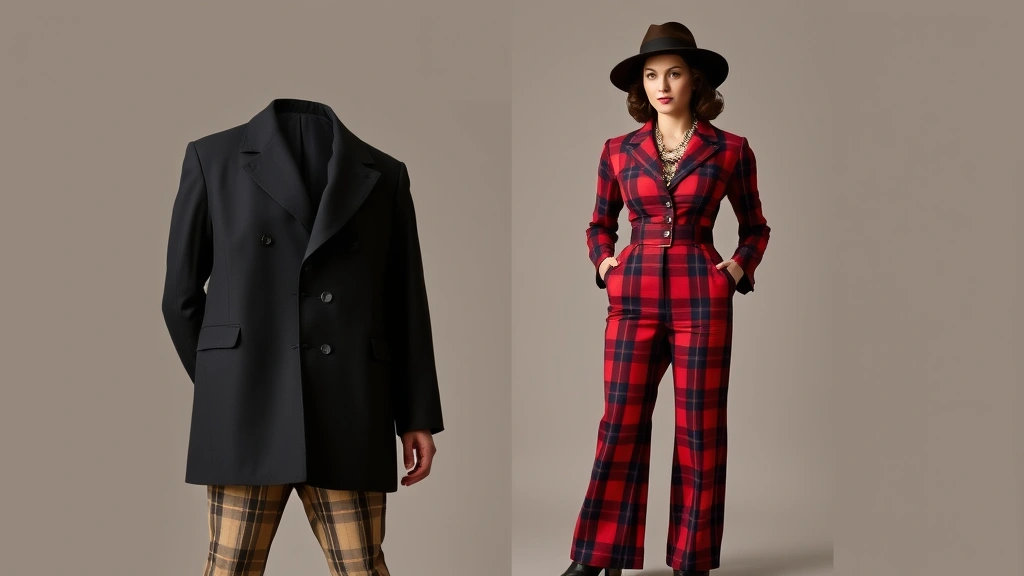
While mainstream 40s menswear emphasized restraint and formality, zoot suits represented a bold counterculture statement that challenged conventional style norms. These garments featured exaggerated proportions: extremely high-waisted, wide-legged trousers with pronounced tapers at the ankles, paired with oversized jackets featuring dramatically long lapels and extended length. The silhouette created a dramatic visual impact that stood in stark contrast to conservative business wear.
Zoot suits emerged from African American and Latino communities, particularly in Los Angeles and other urban centers. The style represented cultural identity, youthful rebellion, and rejection of mainstream conformity. Wearers paired zoot suits with wide-brimmed fedoras, chains, and colorful accessories, creating entirely distinctive aesthetic statements. The garments were typically constructed from bold plaid or striped fabrics in contrasting colors, further emphasizing their departure from conventional style.
The fashion history of zoot suits demonstrates how menswear functioned as social commentary during the 1940s. The style’s prominence during wartime, when fabric rationing was supposedly mandatory, sparked controversy and contributed to the 1943 Zoot Suit Riots in Los Angeles. Despite—or perhaps because of—this conflict, zoot suits remain iconic representations of 40s style and cultural resistance.
The influence of zoot suit culture extended beyond the communities that originated the style. Jazz musicians, swing dancers, and other entertainers incorporated zoot suit elements into their stage wear, amplifying the style’s cultural visibility. Modern designers continue referencing zoot suit silhouettes and proportions, recognizing their historical significance and enduring visual impact on menswear aesthetics.
Recreating 1940s Style Today
Contemporary men interested in authentic 1940s style have multiple approaches to achieving period-appropriate aesthetics. The most straightforward method involves sourcing vintage pieces from specialized retailers, estate sales, and online vintage fashion platforms. Original garments provide authentic proportions, construction details, and fabric qualities that modern reproductions often struggle to replicate. However, vintage pieces require careful sizing consideration, as body measurements and garment construction standards have shifted significantly since the 1940s.
Modern menswear brands now offer 1940s-inspired collections that capture the era’s aesthetic while accommodating contemporary body types and fit preferences. Vogue’s menswear coverage frequently highlights designers drawing inspiration from vintage silhouettes and construction techniques. Brands specializing in vintage reproduction focus on accurate proportions, traditional construction methods, and period-appropriate fabrics, allowing modern wearers to authentically embody 40s style.
Building a 1940s-inspired wardrobe begins with foundational pieces: a navy or charcoal wool suit with appropriate proportions, quality leather shoes, and classic accessories. Adding sport coats in complementary patterns, quality cotton dress shirts, and period-appropriate ties allows for varied outfit combinations suitable for different occasions. Overcoats, fedoras, and leather gloves complete the aesthetic, providing the finishing touches that defined 40s masculine style.
Styling 1940s pieces requires understanding the era’s approach to formality and appropriateness. Even casual wear maintained structured elegance, with wrinkles and sloppiness considered markers of poor breeding or lack of self-respect. Shoes always matched belts, ties coordinated thoughtfully with shirts and jackets, and every visible element demonstrated intentional styling rather than accidental coordination. This attention to detail remains the defining characteristic of authentic 1940s menswear aesthetics.
For those seeking to incorporate 40s influences into contemporary wardrobes without full historical recreation, several elements translate effectively to modern contexts. High-waisted trousers offer flattering proportions and visual sophistication. Double-breasted blazers convey authority and elegance. Wide-brimmed hats and quality leather accessories add distinctive style statements. Understanding how to find your personal style while drawing from historical inspiration allows modern men to create distinctive looks with timeless roots.
Tailoring represents the most important element in successfully adapting 1940s aesthetics to modern bodies and contemporary life. Professional tailors can adjust vintage pieces to fit properly while preserving their authentic character. For modern reproductions, tailoring ensures that proportions work harmoniously with individual body types. Investment in quality tailoring transforms good pieces into excellent ones, allowing the refined construction and elegant proportions of 1940s menswear to shine regardless of the garment’s origin.
The enduring appeal of 1940s menswear lies in its fundamental commitment to elegance through structure, quality materials, and meticulous attention to detail. These principles transcend specific decades and remain relevant for any man seeking to develop a sophisticated, timeless personal style. By understanding the historical context, iconic silhouettes, and aesthetic priorities of the 1940s, modern men can create authentic period-inspired looks or thoughtfully incorporate vintage influences into contemporary wardrobes.
FAQ
What were the most common colors in 1940s men’s fashion?
Navy blue, charcoal gray, black, and brown dominated 1940s menswear. These neutral tones conveyed formality and sophistication, with patterns like pinstripes and windowpane checks providing visual interest. Brighter colors appeared primarily in casual wear and ties, where men could express personality within conservative dress codes.
How did World War II impact menswear design?
Wartime fabric rationing forced designers to create refined, streamlined silhouettes using fewer materials. Military uniforms influenced civilian dress through their structured shoulders, precise tailoring, and functional design. These military-inspired aesthetics remained influential throughout the decade and into the 1950s.
Were zoot suits considered fashionable during the 1940s?
Zoot suits represented subcultural fashion statements rather than mainstream style. While they were prominent in African American and Latino communities, particularly in urban centers, conventional society considered them rebellious and inappropriate. Their controversial status actually enhanced their cultural significance as symbols of resistance.
How can I find authentic 1940s menswear pieces today?
Vintage retailers, estate sales, online platforms specializing in vintage fashion, and antique shops offer authentic pieces. Modern brands also produce high-quality reproductions capturing 1940s aesthetics. When purchasing vintage pieces, careful sizing consideration is essential, as historical garment proportions differ from contemporary standards.
What accessories were essential for 1940s menswear?
Fedoras or homburg hats, neckties, leather belts, quality shoes, pocket watches, cufflinks, and handkerchiefs formed essential accessories. Even casual ensembles included hats, and all accessories coordinated thoughtfully with primary garments. Quality leather goods and polished shoes indicated proper grooming and social respect.
Can I incorporate 1940s style into modern wardrobes?
Absolutely. High-waisted trousers, double-breasted blazers, wide-brimmed hats, and quality leather accessories translate effectively to contemporary contexts. Understanding the era’s commitment to structure, quality materials, and meticulous styling allows modern men to create distinctive looks with timeless roots while maintaining contemporary relevance.
The StyleLoom Daily Blog offers additional resources for exploring fashion history and developing personal style based on historical inspiration. Whether recreating authentic 1940s aesthetics or thoughtfully incorporating vintage influences, the decade’s fundamental principles of quality, structure, and refined elegance remain eternally relevant.