Baggy outfits have evolved from streetwear rebellion into a sophisticated style statement that dominates contemporary men’s fashion. What was once dismissed as oversized and unstructured has become the preferred aesthetic for fashion-forward men who understand that silhouette tells a story. Designers worldwide are championing this relaxed approach, proving that comfort and elegance aren’t mutually exclusive.
The resurgence of baggy fashion represents a fundamental shift in how men approach personal style. Rather than adhering to restrictive tailoring, today’s fashion enthusiasts embrace volume, proportion, and the artistic freedom that oversized garments provide. This movement challenges conventional notions of masculinity and formality, inviting men to explore texture, layering, and unexpected combinations that showcase individual personality.
Understanding how to master baggy outfits requires knowledge of proportion, fabric selection, and styling hierarchy. Whether you’re drawn to this aesthetic or curious about incorporating oversized pieces into your wardrobe, this guide offers designer insights and practical strategies for achieving polished, intentional looks that elevate your personal presentation.
The Designer’s Perspective on Baggy Fashion
Contemporary designers view baggy silhouettes as a form of artistic expression rather than a fashion compromise. This perspective marks a dramatic departure from decades of tailored minimalism. Leading design houses now dedicate entire collections to exploring volume, demonstrating that oversized clothing requires just as much technical skill and vision as fitted garments.
The philosophy behind baggy fashion centers on liberation and authenticity. When men adopt this style, they signal confidence in their aesthetic choices rather than conformity to traditional standards. Fashion style has become increasingly individualistic, with designers encouraging experimentation and personal interpretation. This democratization of fashion allows men from various backgrounds and professions to express themselves authentically through clothing.
Luxury designers like Vogue featured collections emphasize the intentionality required for successful baggy styling. It’s not about wearing clothes that simply don’t fit; it’s about understanding negative space, proportion relationships, and how fabric moves with the body. Premium brands invest in construction techniques that allow baggy pieces to maintain shape and structure despite their volume.
The baggy aesthetic also connects to broader cultural movements emphasizing sustainability and longevity. Oversized garments transcend seasonal trends and body changes, offering practical value alongside aesthetic appeal. Designers recognize that men increasingly value pieces that adapt to their lifestyle rather than demanding rigid adherence to size standards.
Understanding Proportions and Silhouettes
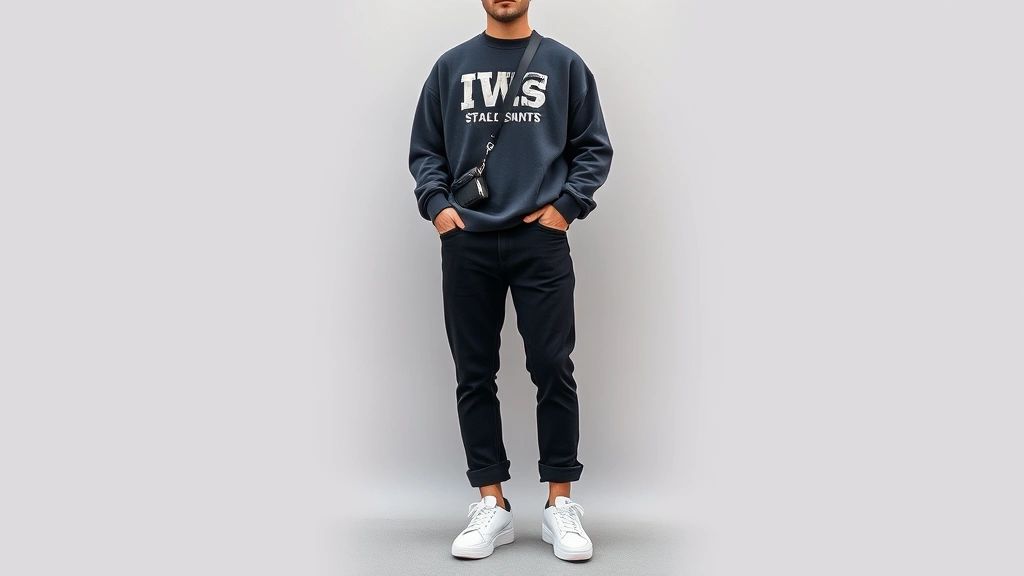
Mastering baggy outfits requires sophisticated understanding of proportion and balance. The fundamental principle involves creating visual equilibrium across your entire look. When you wear a oversized top, you typically want to balance it with more fitted or tapered bottoms. Conversely, loose pants pair beautifully with tucked or structured shirts.
Proportion hierarchy determines how your outfit reads visually. A well-proportioned baggy look features intentional volume in specific areas while maintaining definition elsewhere. Professional stylists recommend thinking in thirds: divide your outfit into three visual sections and ensure each section has distinct proportional characteristics. This prevents looking shapeless or intentionally disheveled.
The drop shoulder has become essential to modern baggy silhouettes. This design element places the shoulder seam slightly down the arm, creating an effortlessly relaxed appearance. Drop shoulders work particularly well for men with athletic builds, as they soften muscularity while maintaining masculine proportions. Understanding where seams fall on your body determines whether an oversized piece looks intentional or simply ill-fitting.
Exploring different types of fashion reveals how silhouette preferences vary across subcultures. Streetwear enthusiasts favor extremely oversized pieces paired with slim pants, while contemporary menswear celebrates more moderate proportions. Your personal style preference should guide your proportion choices, but always maintain awareness of overall balance.
Layering amplifies proportion possibilities. Adding structured jackets over baggy shirts creates visual interest and prevents monotonous volume. Strategic layering introduces multiple silhouettes within a single outfit, allowing you to experiment with proportions in sophisticated ways. This technique particularly suits men exploring baggy fashion for professional or formal settings.
Fabric Selection and Quality Materials
The difference between intentional baggy fashion and accidentally oversized clothing often comes down to fabric quality. Premium materials hold their shape, drape beautifully, and age gracefully. Cheap fabrics become shapeless quickly, defeating the purpose of carefully proportioned oversized pieces.
Natural fibers like linen, cotton, and wool excel in baggy silhouettes. Linen particularly suits oversized designs because its inherent texture and slight crispness prevent heavy draping that obscures your silhouette entirely. Cotton offers versatility across seasons and styling occasions. Wool works wonderfully for structured oversized blazers and sweaters that maintain architectural integrity.
Blended fabrics often provide optimal results for baggy garments. Cotton-polyester blends offer durability and wrinkle resistance while maintaining natural fiber aesthetics. Wool-blend sweaters provide structure without excessive weight. Understanding fabric composition helps you predict how pieces will perform and age over time.
Weight matters significantly in oversized garments. Heavyweight fabrics work better for volume because they maintain shape rather than clinging to your body. A substantial cotton twill creates better proportions than lightweight cotton jersey. This principle applies across all fabric types: heavier materials generally suit baggy silhouettes more successfully.
Texture adds visual interest to baggy outfits and prevents them from appearing flat or boring. Corduroy, canvas, ribbed knits, and waffle-weave fabrics introduce tactile elements that engage viewers. Incorporating textural variety prevents monotonous oversized looks, particularly important when your outfit features limited color variation.
Styling Baggy Tops and Layering Techniques
Baggy tops form the foundation of most oversized outfits. The key to styling them successfully involves understanding how they interact with your lower body and accessories. Oversized t-shirts work best when paired with more structured bottoms that provide visual contrast. Avoid stacking baggy on baggy without intentional proportion planning.
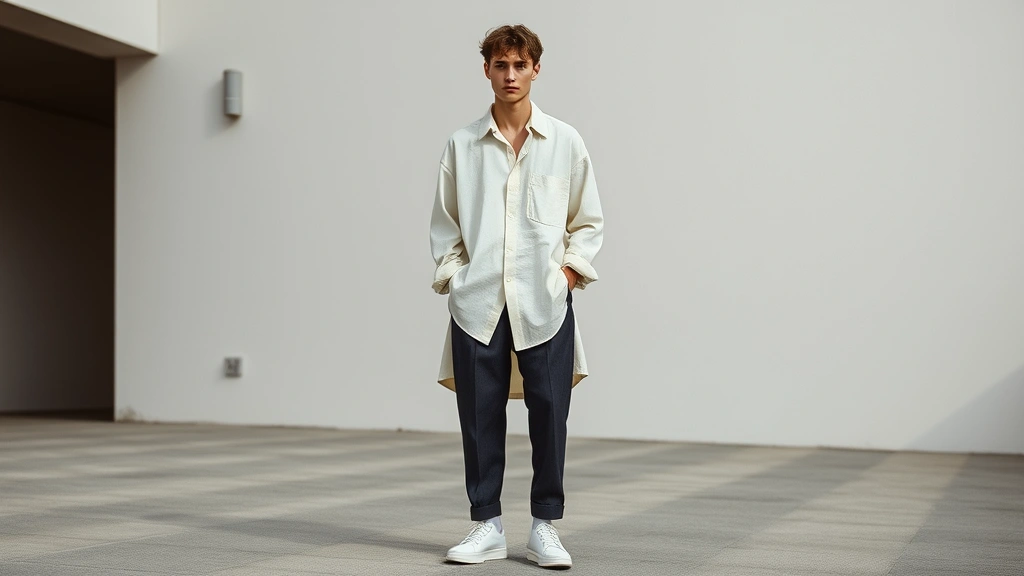
Oversized button-ups offer tremendous versatility for men developing their baggy aesthetic. Wear them unbuttoned over fitted tees for layered depth, or tuck them into high-waisted pants for a more polished appearance. Rolling sleeves slightly creates proportion at your wrists and prevents arms from disappearing into excessive fabric. This simple adjustment dramatically improves how oversized shirts read visually.
Sweaters and knitwear present excellent opportunities for baggy styling. Oversized crewneck sweaters pair beautifully with tailored trousers for business-casual settings. Chunky knit textures add visual interest while the fabric’s weight maintains structural integrity. Layering fitted long-sleeves under oversized sweaters creates defined silhouettes that feel intentional rather than accidental.
Baggy sweatshirts bridge casual and elevated styling. Premium sweatshirt brands produce pieces with excellent fabric quality that hold their shape. Pairing oversized sweatshirts with tailored trousers or structured shorts creates unexpected contrast that reads as stylistically sophisticated. This combination works particularly well for creative professionals and men in fashion-forward industries.
Tucking represents a crucial technique for styling baggy tops. Full tucks work for structured fabrics, while partial or French tucks suit softer materials. Tucking immediately elevates oversized pieces by defining your waist and creating proportion. Even partial tucks prevent baggy tops from overwhelming your frame entirely.
Layering introduces architectural complexity to baggy outfits. Oversized shirts over fitted tees create visual interest and allow you to adjust coverage as needed. Adding structured jackets over baggy pieces establishes clear proportional zones. Experimentation with layering depth helps you discover combinations that feel authentic to your personal aesthetic.
Bottoms: Cargo, Oversized Trousers, and Jeans
Bottom selection dramatically influences how successfully you pull off baggy outfits. The most common approach pairs oversized tops with tapered or fitted bottoms, but contemporary fashion allows for more experimental combinations when executed thoughtfully.
Oversized trousers have become increasingly acceptable in professional and formal settings. Premium wool trousers with excellent tailoring drape beautifully across the leg while maintaining crisp proportions. Pleated fronts add vintage sophistication, while flat fronts feel more contemporary. Pairing oversized trousers with fitted tops and structured blazers creates polished, designer-approved looks.
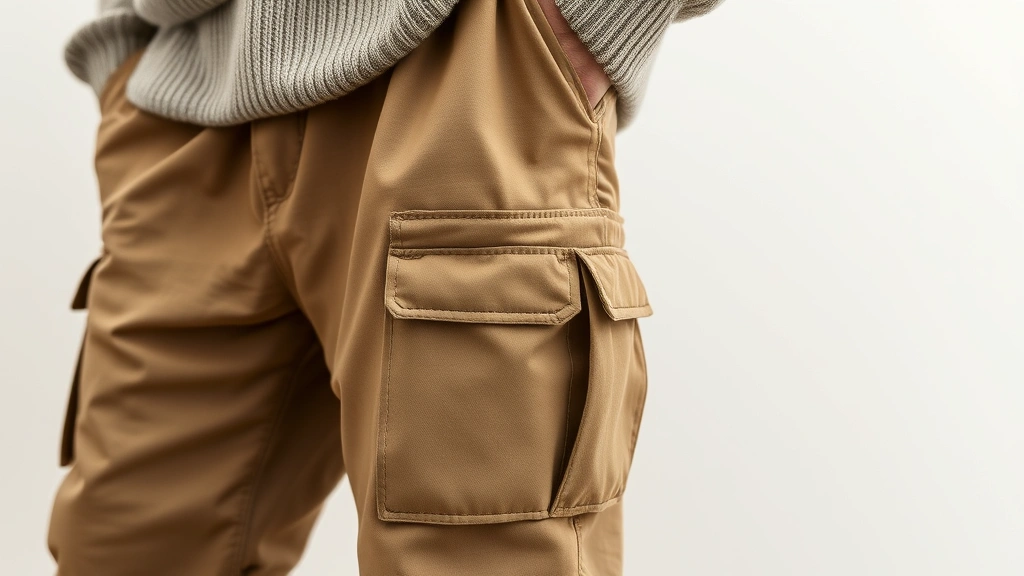
Cargo pants epitomize casual baggy fashion. Multiple pockets and utility details define this silhouette, which originated in military wear. Modern cargo pants feature more refined proportions than earlier iterations, with tapered ankles and structured fits. Neutral colors like olive, khaki, and black work best for versatile styling. Cargo pants pair beautifully with oversized hoodies and graphic tees for effortless casual looks.
Oversized jeans require careful consideration. Traditional denim stiffness can create awkward proportions if you’re not intentional about fit. Look for jeans with slight taper at the ankle to prevent excessive bunching. Vintage-inspired oversized jeans with high rises create flattering proportions for many body types. Cuffing oversized jeans slightly prevents them from dragging and creates deliberate styling details.
Joggers offer comfort-focused alternatives for men seeking baggy bottom options. Premium joggers feature tapered ankles and quality fabrics that elevate them beyond basic athleisure. Pairing structured oversized tops with joggers creates balanced proportions. This combination works particularly well for creative professionals and men in tech industries where relaxed dress codes prevail.
Shorts in baggy silhouettes work beautifully for warm-weather styling. Oversized shorts paired with fitted tanks or tucked button-ups create proportion contrast. Aim for inseams that reach just above the knee to prevent shorts from overwhelming your legs entirely. Structured fabrics like cotton twill maintain better proportions than lightweight jersey.
Footwear and Accessory Pairing
Footwear choices significantly impact how baggy outfits read overall. Chunky sneakers and substantial shoes ground oversized silhouettes effectively. Classic white leather sneakers, basketball-inspired shoes, and hiking boots all pair beautifully with baggy clothing. Avoid delicate or minimalist footwear that gets visually overwhelmed by volume above.
Designer sneakers have become essential to baggy fashion styling. Premium athletic brands produce shoes with excellent proportions and aesthetic appeal. Oversized outfits benefit from shoes that command visual attention without competing with your clothing’s proportions. Monochromatic shoe choices often work best, allowing your outfit’s silhouette to remain the focal point.
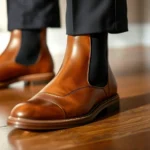
Boots work wonderfully with baggy silhouettes. Chelsea boots, combat boots, and work boots all pair effectively with oversized clothing. Boots provide visual anchoring that prevents baggy bottoms from appearing shapeless. The structured nature of boot silhouettes contrasts beautifully with soft, oversized tops and pants.
Accessories amplify baggy outfits’ impact without adding visual weight. Chains, simple rings, and watches introduce metallic elements that catch light and create visual interest. Bags deserve particular attention: structured bags like crossbody styles or backpacks work better with baggy silhouettes than small, delicate accessories. Consider bag proportions relative to your overall outfit volume.
Hats and headwear complete baggy looks beautifully. Oversized beanies, baseball caps, and bucket hats all complement baggy fashion aesthetically. These accessories soften proportions and add personality without requiring additional styling effort. Quality materials ensure hats look intentional rather than accidental.
Jewelry selection should remain minimal but impactful. Oversized pieces can compete with already-voluminous clothing. Instead, opt for substantial single pieces like statement chains or interesting watches. Layered delicate chains work surprisingly well with baggy fashion, creating visual contrast between fine details and substantial silhouettes.
Color Palettes and Tonal Coordination
Color strategy determines whether baggy outfits feel cohesive or chaotic. Monochromatic palettes work beautifully with oversized silhouettes, allowing proportions and textures to drive visual interest. Wearing similar tones throughout your outfit creates elongated proportions and sophisticated, unified aesthetics.
Neutral foundations provide excellent bases for baggy styling. Black, gray, navy, beige, and cream offer versatility and timelessness. Building outfits from neutral palettes allows you to introduce small pops of color through accessories without overwhelming your silhouette. This approach works particularly well for men discovering their personal style through baggy fashion.
Earthy tones like olive, tan, and rust complement baggy silhouettes naturally. These colors feel organic and approachable while maintaining sophistication. Layering different earth tones creates depth and visual interest. This palette particularly suits men with warm undertones and those drawn to sustainable, nature-inspired aesthetics.
Tonal coordination means choosing colors within the same family but different values. Pairing light gray with charcoal gray, or cream with tan, creates visual dimension without jarring color contrast. This technique prevents oversized outfits from appearing flat while maintaining cohesion.
Color blocking introduces intentional contrast to baggy looks. Pairing neutrals with small areas of bold color—through accessories or strategic layering—creates visual interest. However, color blocking requires careful proportion consideration; too much contrast can overwhelm oversized silhouettes.
Seasonal color shifts keep baggy outfits feeling fresh year-round. Winter allows for deeper, richer tones like burgundy and forest green. Summer embraces lighter neutrals and warm earth tones. Spring and fall offer transitional palettes featuring both warm and cool undertones. Adapting your color choices seasonally demonstrates fashion awareness and styling sophistication.
Designer Brands Leading the Baggy Movement
Contemporary luxury and contemporary brands champion baggy silhouettes through innovative design and quality construction. Understanding which designers excel in this space helps you invest in pieces that deliver both style and longevity.
The Sartorialist regularly features baggy silhouettes in contemporary menswear, highlighting designers who prioritize oversized proportions. Brands like Acne Studios, Martine Rose, and Needles produce exceptional baggy pieces that maintain structural integrity despite volume. These designers understand that oversized clothing requires exceptional tailoring and fabric quality.
Streetwear brands have become essential to baggy fashion’s evolution. Brands like Fear of God, Rhude, and Stüssy produce oversized pieces that balance luxury with accessibility. These companies elevate casual baggy fashion through thoughtful design and premium materials, proving that streetwear can deliver both comfort and sophistication.
Japanese designers particularly excel in baggy silhouettes. Brands like Comme des Garçons, Yohji Yamamoto, and Undercover pioneered oversized proportions decades ago. Contemporary Japanese labels continue this tradition, producing innovative pieces that challenge conventional silhouettes while maintaining impeccable construction.
Exploring how to find your personal style involves investigating which designers’ baggy aesthetics resonate with your vision. Spending time studying designer collections helps you understand your proportional preferences and styling instincts. This research informs future purchasing decisions and accelerates your development as a style-conscious individual.
Emerging designers frequently produce exceptional baggy pieces at lower price points. Supporting independent creators allows you to discover unique aesthetics while building a distinctive wardrobe. Many emerging designers prioritize sustainability and ethical production, aligning with values increasingly important to fashion-forward men.
Vintage and secondhand markets offer exceptional baggy finds at accessible prices. Vintage Levi’s, oversized band tees, and retro sportswear provide authentic baggy pieces with built-in character. Shopping secondhand allows you to experiment with baggy fashion affordably while supporting circular fashion practices.
Learning about fashion history provides context for contemporary baggy trends. Understanding how oversized silhouettes have appeared throughout fashion history helps you appreciate their current relevance and timelessness. This historical perspective elevates your styling choices from trendy to informed and intentional.
For those serious about mastering baggy fashion, best fashion design schools offer courses exploring silhouette, proportion, and construction techniques. Understanding design principles deepens your appreciation for quality baggy pieces and improves your personal styling capabilities. Even without formal training, studying design principles through online resources significantly enhances your fashion literacy.
Visiting Style Loom Daily Blog provides ongoing inspiration and practical styling guidance. Regular engagement with fashion content helps you stay current with evolving baggy trends while discovering new designers and perspectives. Building this knowledge gradually transforms you into a confident, articulate fashion enthusiast capable of discussing baggy silhouettes with authority and nuance.
FAQ
What’s the difference between baggy and oversized fashion?
Baggy fashion implies intentional proportion choices where volume exists in specific areas creating balance. Oversized describes garments that are simply larger than standard sizing. True baggy fashion requires thoughtful styling and quality construction, while oversized pieces might be incidental. The distinction lies in intentionality and proportion awareness.
Can I wear baggy outfits in professional settings?
Absolutely. Pairing oversized wool trousers with fitted button-ups and structured blazers creates professional baggy looks. The key involves maintaining crisp proportions and quality fabrics. Avoid excessively loose pieces that read as casual, and ensure your overall silhouette communicates intentionality rather than carelessness. Many contemporary workplaces embrace relaxed dress codes where baggy fashion thrives.
How do I prevent baggy outfits from looking sloppy?
Intentionality prevents sloppiness. Ensure your proportions are balanced—avoid stacking baggy on baggy without purpose. Invest in quality fabrics that maintain shape. Tuck strategically, cuff deliberately, and pair oversized pieces with fitted items. Accessorize thoughtfully and maintain excellent grooming. These elements communicate that your baggy aesthetic is a considered style choice rather than an accident.
What body types suit baggy fashion best?
Baggy fashion works for all body types when proportions are understood correctly. Larger men benefit from structured oversized pieces that provide comfort without excessive volume. Athletic men can soften muscularity with baggy silhouettes. Slimmer men should pair oversized tops with tapered bottoms to maintain proportion. The key involves understanding your body and choosing baggy pieces that complement your natural proportions.
How do I start building a baggy wardrobe?
Begin with foundational pieces: oversized button-ups, quality sweatshirts, and structured pants. Invest in excellent basics before experimenting with statement pieces. Choose neutral colors initially, allowing you to mix and match pieces easily. Gradually introduce texture and color as your confidence grows. Building slowly ensures your baggy wardrobe feels cohesive and personal rather than scattered.
Are baggy outfits sustainable fashion choices?
Yes. Oversized garments transcend temporary trends and body changes, offering longevity that encourages reduced consumption. Quality baggy pieces age beautifully, developing character and patina. Investing in timeless oversized silhouettes aligns with sustainable fashion principles. Additionally, baggy fashion’s current prominence means these pieces won’t feel dated soon, maximizing the value of your investment.