Gothic Lolita Fashion Guide: Expert Insights
Gothic Lolita fashion represents one of the most enchanting and meticulously crafted subcultures within contemporary style movements. Originating from Japan in the 1990s, this distinctive aesthetic combines Victorian-era elegance with darkly romantic sensibilities, creating a look that is simultaneously ethereal and rebellious. The style has evolved from a niche underground movement into a globally recognized fashion phenomenon, captivating fashion enthusiasts and designers worldwide with its intricate details, dramatic silhouettes, and powerful self-expression.
Whether you’re a seasoned devotee of this gothic aesthetic or a curious newcomer eager to understand the nuances of this fascinating fashion realm, this comprehensive guide will illuminate every aspect of Gothic Lolita style. From understanding the foundational principles that define the subculture to mastering the art of authentic styling, we’ll explore how to embrace this dark, beautiful aesthetic while developing your unique interpretation of this timeless fashion statement.
Origins and Evolution of Gothic Lolita
The story of Gothic Lolita fashion is deeply intertwined with Japanese youth culture and the country’s unique relationship with Western fashion aesthetics. In the early 1990s, Japanese street fashion enthusiasts began reinterpreting Victorian and Rococo silhouettes through a distinctly modern and darkly romantic lens. What started as experimental styling in the Harajuku district of Tokyo quickly evolved into a fully-realized subculture with its own philosophy, communities, and aesthetic codes. The term “Lolita” itself derives from the silhouette’s resemblance to the dress worn by the protagonist in Vladimir Nabokov’s controversial novel, though the fashion movement’s actual connection to the book’s narrative is largely superficial and primarily relates to the visual presentation of youth and innocence juxtaposed with mature sophistication.
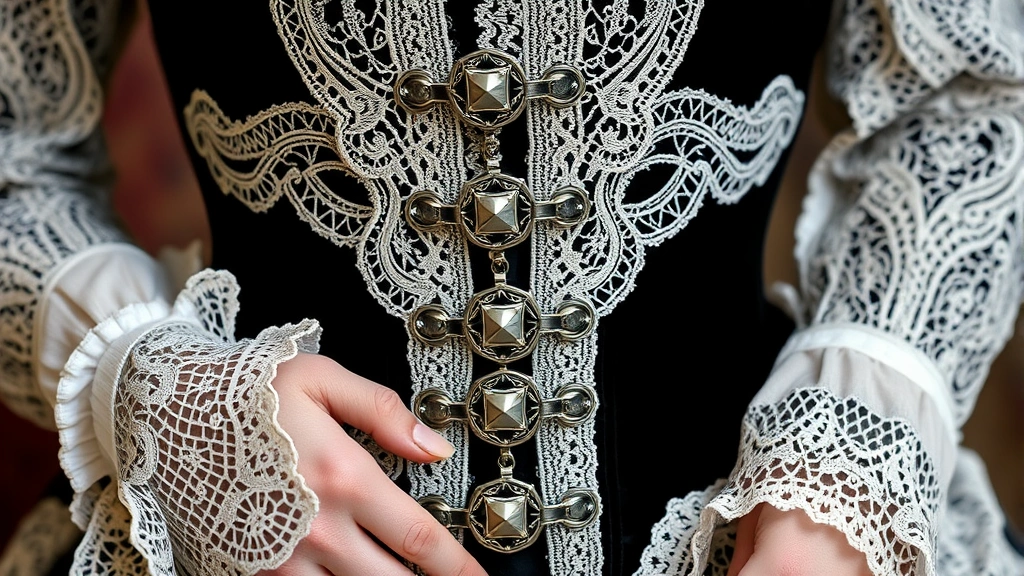
Gothic Lolita specifically emerged as a darker counterpoint to the sweeter, more pastel-oriented Classic Lolita aesthetic. Pioneering designers and enthusiasts began incorporating black as the dominant color, adding Victorian-inspired corsetry, lace overlays, and ornate details that evoked historical elegance while maintaining a distinctly contemporary edge. Understanding fashion history helps contextualize how Gothic Lolita draws from multiple historical periods while creating something entirely new. Brands like Angelic Pretty, Baby, the Stars Shine Bright, and Innocent World began producing dedicated Lolita collections, legitimizing the aesthetic and providing accessible entry points for enthusiasts worldwide.
The 2000s saw explosive growth in the Gothic Lolita community, with international expansion accelerating through online communities, social media, and dedicated fashion forums. What was once confined to Japanese street fashion became a global phenomenon, with devoted communities flourishing in Europe, North America, and beyond. The aesthetic influenced mainstream fashion designers, with haute couture runways occasionally drawing inspiration from Lolita’s romantic gothic sensibilities. Today, Gothic Lolita represents not merely a fashion trend but a comprehensive lifestyle choice and form of artistic self-expression.
Core Elements and Silhouettes
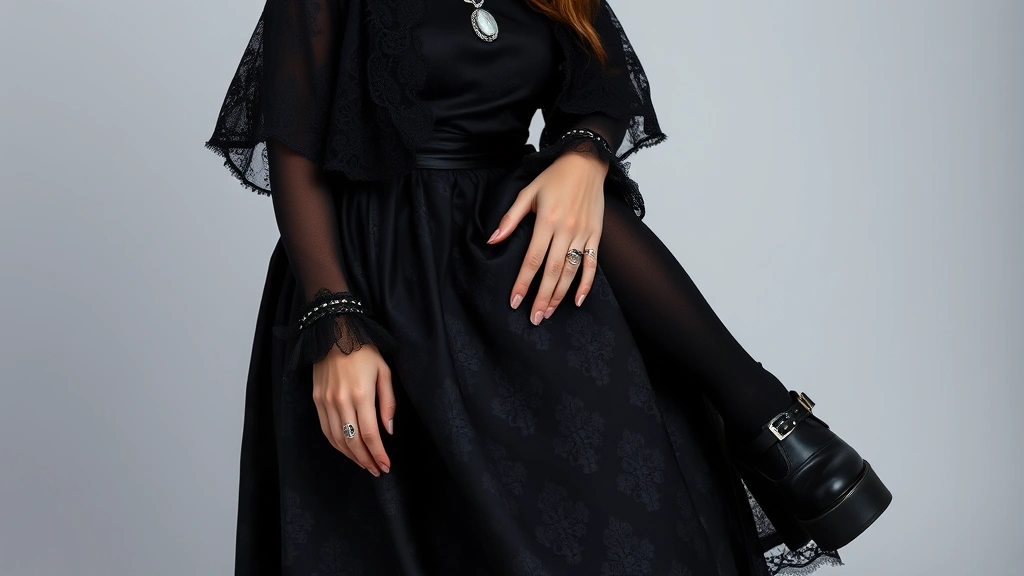
Understanding the fundamental silhouette is essential for anyone seeking to master Gothic Lolita fashion. The characteristic shape emphasizes a defined waistline with a dramatically voluminous skirt, typically featuring multiple layers of fabric that create substantial volume and movement. The skirt length is traditionally knee-length or slightly below, though variations exist depending on personal preference and specific subgenre interpretation. This silhouette deliberately contrasts with mainstream fashion trends, rejecting contemporary slim-line aesthetics in favor of structured, architectural proportions that evoke historical elegance.
The foundation of any Gothic Lolita outfit typically begins with a petticoat or crinoline, essential for achieving the proper skirt volume and structure. Quality petticoats are constructed with multiple layers of tulle, organza, or other structured fabrics that support the skirt while maintaining graceful movement. Above the voluminous skirt sits a fitted bodice or corset-inspired top, creating the essential cinched waistline that defines the silhouette. This contrast between the fitted upper body and expansive lower silhouette creates the iconic Lolita proportion.
Tops in Gothic Lolita fashion frequently feature long sleeves, often with elaborate cuffs, frills, or lace detailing at the wrists. The neckline typically includes collar details, whether standing collars reminiscent of Victorian fashion or delicate lace collars that frame the face. Exploring different fashion styles reveals how Gothic Lolita incorporates historical references while maintaining contemporary relevance. Many outfits feature corset-style bodices with boning, ribbon lacing, and ornate buckles that serve both aesthetic and structural purposes. The overall silhouette should convey elegance, sophistication, and intentional design rather than accidental or casual styling.
Color Palette and Fabric Selection
Black reigns as the undisputed primary color in Gothic Lolita fashion, serving as the foundation for authentic outfits and establishing the aesthetic’s distinctly dark romantic character. However, sophisticated colorists understand that Gothic Lolita extends beyond monochromatic black styling. Deep burgundy, forest green, navy blue, and rich plum create compelling alternatives that maintain the gothic atmosphere while introducing subtle variation and personal expression.
Accents and secondary colors function as crucial design elements within the primarily dark palette. White or cream lace overlays, underskirts, and collar details provide essential contrast, creating visual interest and preventing outfits from appearing flat or one-dimensional. Metallic accents in silver or gold add luminosity and sophistication, particularly in jewelry and ornamental details. Some enthusiasts incorporate jewel tones like deep emerald or sapphire in specific pieces, allowing for personal interpretation while maintaining gothic sensibilities.
Fabric selection profoundly impacts the overall aesthetic and authenticity of Gothic Lolita outfits. High-quality lace serves as a signature material, whether in delicate Alençon patterns, intricate Chantilly designs, or geometric Gothic-inspired weaves. Velvet provides rich texture and luxurious appearance, particularly in bodices, cuffs, and trim details. Taffeta and duchess satin create the necessary structure and elegant drape for skirts, producing the characteristic swish and movement that defines proper Lolita silhouettes. Cotton blends, cotton jacquard, and structured cotton fabrics offer both comfort and appropriate weight for maintaining the silhouette throughout extended wear.
The quality of fabrics directly correlates with the overall impression of authenticity and sophistication. Cheap polyester fabrics often lack the appropriate weight and drape, resulting in limp, unconvincing silhouettes that undermine the aesthetic. Investing in quality materials ensures that outfits maintain their structure, display proper proportions, and convey the intentionality and craftsmanship inherent to Gothic Lolita philosophy. Understanding different fashion types illuminates how material choices define aesthetic categories and subcultures.
Styling Guide and Coordination
Creating cohesive, well-coordinated Gothic Lolita outfits requires understanding how individual components work together to create unified visual statements. Begin with a foundational color scheme, typically centered on black with strategic accent colors. Choose a main print or texture for the dress, whether solid black, delicate lace patterns, or subtle jacquard designs. Secondary pieces should complement rather than compete with the main dress, creating harmony through repetition of colors, themes, or design elements.
Layering represents a crucial technique in Gothic Lolita styling, adding depth, visual interest, and versatility to outfits. Shrug boleros, long cardigans, and gothic-inspired jackets layer beautifully over dresses, providing additional silhouette definition and accommodating temperature variations. Capes and cloaks introduce theatrical drama while maintaining the romantic gothic aesthetic. Underskirts in contrasting colors or patterns peek from beneath main skirts, adding visual complexity and suggesting intentional design rather than accidental layering.
Color coordination extends beyond simply matching colors to creating intentional visual relationships. Monochromatic black outfits convey sophistication and dramatic elegance, while black with white accents create classic, timeless statements. Black paired with burgundy introduces warmth and romantic sensibility, while black with deep jewel tones adds richness and luxury. Consider how each color choice affects the overall mood and impression of the outfit. Finding your personal style within Gothic Lolita aesthetics means balancing authentic subculture principles with individual expression and preferences.
Proportion and balance require careful attention in Gothic Lolita styling. If the skirt features elaborate prints or heavy lace detailing, the top should be relatively simple to prevent visual chaos. Conversely, a solid-colored skirt can support a more intricately patterned or detailed bodice. The length and volume of the skirt should be balanced by the sleeve length and bodice structure, creating visual harmony throughout the silhouette. Avoid overwhelming the silhouette with excessive ruffles or details that obscure the characteristic proportions.
Seasonal considerations influence Gothic Lolita styling choices while maintaining core aesthetic principles. Winter styling incorporates long sleeves, heavy velvet fabrics, and layered outerwear that transitions seamlessly with the gothic aesthetic. Summer styling embraces lighter fabrics and shorter sleeves while maintaining the structured silhouette and dark color palette. Spring and autumn allow for transitional pieces and varied fabric weights that accommodate temperature fluctuations without compromising the overall aesthetic.
Essential Accessories
Accessories elevate Gothic Lolita outfits from basic to sophisticated, providing opportunities for personal expression while enhancing the overall aesthetic coherence. Headwear holds particular significance in Gothic Lolita culture, with headbows, headdresses, and hair accessories serving as focal points that frame the face and add vertical interest. Elaborate headbows with ribbon tails, lace details, and ornamental embellishments create dramatic visual statements. Lace headdresses, ornate tiaras, and decorative hair clips incorporate gothic elegance while maintaining proportional balance.
Footwear significantly impacts the overall silhouette and authenticity of Gothic Lolita outfits. Mary Jane shoes with rounded toes and ankle straps represent the classic choice, providing both comfort and the appropriate proportions for the silhouette. Platform shoes add height while maintaining the silhouette’s structural integrity. Buckled shoes with ornate details reference historical fashion while introducing gothic sophistication. Boots, particularly knee-high or calf-length styles with buckles or lacing, provide seasonal versatility while maintaining aesthetic coherence. Avoid modern sneakers, athletic footwear, or excessively trendy shoes that contradict the timeless, historical inspiration underlying the aesthetic.
Hosiery deserves careful consideration in Gothic Lolita styling, as it bridges the visual gap between skirt and shoes while providing opportunities for creative expression. Black opaque tights provide classic coverage and visual weight that anchors the silhouette. Lace tights, striped designs, and patterned hosiery add visual interest and allow for subtle pattern play. White or cream socks paired with Mary Jane shoes evoke innocent, youthful sensibilities while contrasting with the dark color palette. Thigh-high stockings with decorative tops or suspenders add sophisticated elegance, particularly in more mature interpretations of the aesthetic.
Jewelry and ornamental accessories provide the finishing touches that elevate outfits from complete to exceptional. Silver jewelry with gothic themes—cameos, Victorian-inspired lockets, ornate crosses, and filigree designs—complements the aesthetic beautifully. Pearl jewelry introduces classic elegance, while darker metals like bronze or copper add warmth and vintage character. Chokers, particularly in velvet or with ornate centerpieces, frame the neck and add dramatic gothic flair. Bracelets, rings, and ear accessories should maintain consistent design languages, avoiding modern or overly casual styles that undermine the cohesive aesthetic.
Bags and purses complete the outfit while serving practical functions. Small structured handbags with ornate handles, decorative details, and quality materials maintain the sophisticated aesthetic. Vintage-inspired bags with chains, locks, or decorative elements introduce gothic character. Avoid large contemporary tote bags or casual backpacks that visually contradict the carefully curated silhouette and aesthetic.
Gothic Lolita Subgenres
Within the broader Gothic Lolita category, distinct subgenres have emerged, each emphasizing particular aesthetic qualities and historical inspirations. Elegant Gothic Lolita prioritizes sophisticated simplicity, featuring solid-colored pieces with minimal print details and refined construction. This subgenre emphasizes quality materials, proper proportions, and timeless elegance over excessive ornamentation, creating mature, wearable interpretations of the aesthetic suitable for various occasions.
Hime (Princess) Gothic Lolita incorporates more elaborate details, ornate prints, and dramatic styling reminiscent of aristocratic fashion. This subgenre embraces ruffles, lace overlays, and detailed embroidery, creating visually complex and theatrical outfits. Hime styling often incorporates metallics, jewel tones, and dramatic color combinations that create opulent, fairy-tale-inspired appearances.
Shiro (White) Lolita inverts the traditional color scheme, featuring white or cream as the primary color with black accents and details. This subgenre maintains gothic sensibilities through ornate details, dark accents, and sophisticated styling while introducing the visual lightness of pale tones. Shiro styling requires particular attention to proportion and detail to avoid appearing overly sweet or disconnected from the gothic aesthetic.
Decora and maximalist interpretations of Gothic Lolita embrace abundant accessories, multiple prints, and elaborate layering. This subgenre celebrates personal expression through visual abundance, incorporating numerous hair accessories, jewelry pieces, and decorative elements that create intentionally complex, visually stimulating appearances. While some traditional enthusiasts question whether maximalist styling maintains authentic Lolita principles, many contemporary practitioners embrace this expressive evolution.
Achieving Authenticity
Authenticity in Gothic Lolita fashion extends beyond simply assembling appropriate garments; it encompasses understanding and respecting the subculture’s foundational principles, history, and community values. Exploring fashion blogs and communities provides insights into how contemporary practitioners balance authentic principles with personal expression and evolution.
Authentic Gothic Lolita styling requires investing in quality pieces from dedicated Lolita brands or carefully curated vintage finds that meet aesthetic standards. While budget-friendly alternatives exist, the most respected outfits feature genuine Lolita brand pieces that embody the subculture’s aesthetic principles and construction standards. Brands like Baby, the Stars Shine Bright, Angelic Pretty, and Innocent World produce pieces specifically designed for the subculture, ensuring proper proportions, quality materials, and authentic details.
Understanding the philosophical underpinnings of Gothic Lolita culture contributes to authentic engagement with the aesthetic. The subculture emphasizes self-expression, artistic vision, and rejection of mainstream fashion conformity. Practitioners should develop personal interpretations of the aesthetic rather than simply copying others’ outfits. Respect for the community, adherence to basic aesthetic principles, and genuine interest in the subculture distinguish authentic practitioners from those merely adopting surface-level trends.
Photography and presentation skills enhance how Gothic Lolita outfits communicate their intended aesthetic. Quality photography that captures details, colors, and proportions accurately represents the outfit’s true appearance. Posing and styling for photographs should reflect the elegance and intentionality underlying the aesthetic, avoiding casual or unflattering presentations. Many dedicated practitioners develop sophisticated photography skills that showcase their outfits in visually compelling ways.
Community engagement and participation represent important aspects of authentic Gothic Lolita culture. Attending meetups, participating in online communities, and supporting other practitioners demonstrates genuine investment in the subculture. The Gothic Lolita community values inclusivity, creativity, and mutual respect, welcoming newcomers while maintaining standards that preserve the aesthetic’s integrity and distinctiveness.
FAQ
What is the difference between Gothic Lolita and other Lolita subgenres?
Gothic Lolita specifically emphasizes dark colors, particularly black, combined with romantic, Victorian-inspired details. Unlike Sweet Lolita, which features pastel colors and childlike motifs, Gothic Lolita maintains a sophisticated, darkly elegant aesthetic. Classic Lolita emphasizes timeless elegance with more muted colors and historical accuracy, while Gothic Lolita embraces theatrical drama and romantic darkness. Each subgenre maintains the characteristic Lolita silhouette while expressing distinct aesthetic philosophies and color palettes.
How much should I budget for a Gothic Lolita wardrobe?
Initial investment varies significantly based on whether you prioritize dedicated Lolita brand pieces or vintage finds. A single quality dress from established brands typically costs $150-400, with accessories adding additional expense. Building a functional wardrobe with multiple outfits requires $1,000-3,000 initially. However, many practitioners develop their wardrobes gradually, investing in high-quality pieces over extended periods rather than purchasing complete outfits immediately. Vintage shopping, sales, and secondhand markets provide opportunities for budget-conscious enthusiasts.
Can I wear Gothic Lolita outside of conventions or meetups?
Absolutely. Many practitioners incorporate Gothic Lolita pieces into everyday wear, creating coordinate outfits suitable for various occasions. Full coordinates work beautifully for special events, themed gatherings, or photography sessions. For everyday wear, consider pairing Lolita skirts with contemporary tops, incorporating Lolita accessories with standard clothing, or wearing simpler coordinates that balance the aesthetic with practicality. Personal comfort and confidence matter more than adherence to strict styling rules, particularly for everyday applications.
Are there age restrictions for wearing Gothic Lolita?
Gothic Lolita welcomes practitioners of all ages. While the subculture originated among teenagers and young adults, mature practitioners have developed sophisticated interpretations that translate beautifully across age groups. Elegant Gothic Lolita particularly suits older practitioners, emphasizing refined simplicity and timeless sophistication. The key is developing interpretations that feel authentic to your age and personal aesthetic preferences rather than attempting to replicate youthful styling.
How do I start building my Gothic Lolita wardrobe?
Begin by researching the aesthetic thoroughly through blogs, social media communities, and dedicated fashion websites. Identify which subgenre resonates most strongly with your personal style and preferences. Start with foundational pieces—a quality black dress with appropriate silhouette and proportions. Add essential accessories including shoes, headwear, and hosiery. Gradually expand your wardrobe with additional dresses, layering pieces, and accessories that create varied outfit combinations. Join online communities for inspiration, advice, and connections with other practitioners.
Where can I purchase Gothic Lolita pieces?
Dedicated Lolita brands like Baby, the Stars Shine Bright, Angelic Pretty, and Innocent World offer authentic pieces designed specifically for the subculture. Secondhand markets including Mercari, Depop, and specialized Lolita sales communities provide access to vintage pieces and discontinued designs. Etsy features independent designers creating Lolita-inspired pieces. Some contemporary fashion retailers incorporate Lolita-adjacent designs, though dedicated subculture brands ensure proper proportions and authentic aesthetic details.