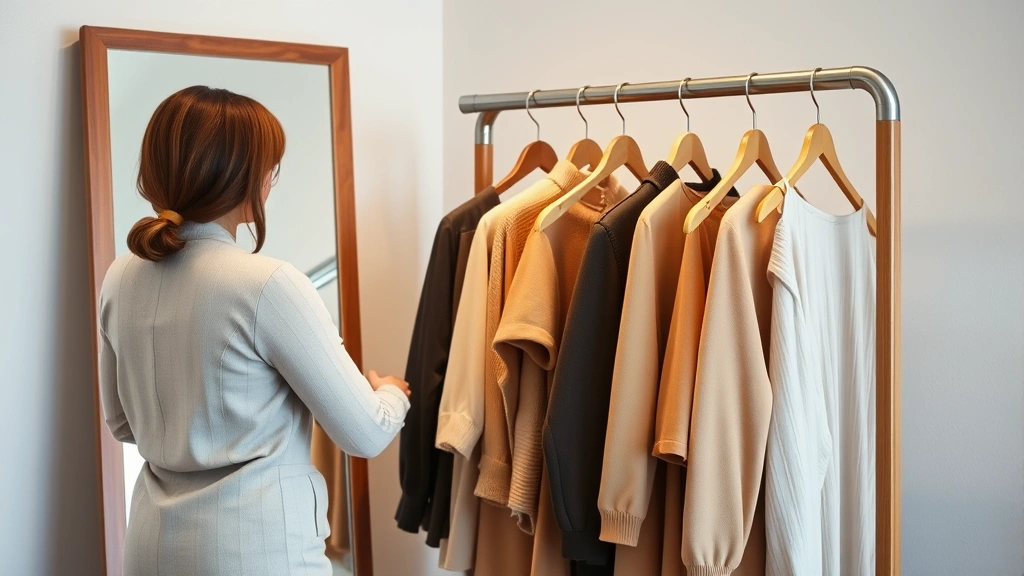
Welcome to the ultimate fashion stylist quiz—your chance to discover if you have what it takes to be a true style maven! Whether you’re passionate about curating wardrobes, understanding color theory, or mastering the art of proportion and balance, this interactive assessment will reveal your styling prowess and help you identify your strengths in the fashion world. Fashion styling is both an art and a science, requiring a keen eye for detail, trend awareness, and an intuitive understanding of how to make people feel confident and beautiful.
This comprehensive quiz goes beyond surface-level fashion knowledge. It delves into the core competencies that professional stylists use daily: client consultation skills, understanding different types of fashion styles, body type analysis, color psychology, and trend forecasting. By answering thoughtfully crafted questions, you’ll gain insights into your natural styling abilities and discover areas where you might want to develop further expertise. Whether you’re considering a career in fashion styling or simply want to enhance your personal style journey, this quiz is designed to challenge your fashion knowledge and celebrate your unique perspective on style.
Why Take a Fashion Stylist Quiz?
Taking a fashion style quiz serves multiple purposes in your style journey. First, it provides objective feedback on your current styling knowledge and abilities. Many people believe they understand fashion, but a comprehensive quiz reveals gaps in understanding and hidden strengths you might not have recognized. This self-awareness is invaluable whether you’re pursuing styling professionally or simply want to elevate your personal aesthetic.
Second, quizzes help you identify your styling niche. The fashion industry is vast, with opportunities in personal styling, wardrobe consulting, celebrity styling, editorial styling, and retail fashion. By understanding your strengths through quiz results, you can determine which area aligns best with your talents and interests. Third, it’s an engaging way to learn. Rather than passively reading about fashion concepts, interactive quizzes reinforce knowledge through application and immediate feedback.
Professional stylists often use similar assessments to evaluate their clients’ understanding of their own fashion style preferences. When you take this quiz, you’re experiencing the same discovery process your clients might go through, which builds empathy and understanding for the styling profession.
Understanding Your Styling Personality
Your styling personality encompasses your aesthetic preferences, design philosophy, and approach to fashion. Some stylists are minimalists who believe in timeless elegance and capsule wardrobes. Others are maximalists who embrace bold colors, patterns, and statement pieces. Understanding where you fall on this spectrum is crucial for your styling success.
The quiz evaluates your styling personality across several dimensions:
- Aesthetic Preference: Do you gravitate toward classic, contemporary, bohemian, edgy, or eclectic styles?
- Color Confidence: Are you comfortable with bold color combinations, or do you prefer neutral palettes with pops of accent color?
- Pattern Mixing: Can you confidently combine different patterns, or do you prefer solids with subtle texture?
- Trend Adoption: Are you an early adopter of new trends or someone who prefers timeless pieces?
- Budget Consciousness: How do you balance high-end and accessible fashion in your styling recommendations?
Understanding these dimensions helps you develop a cohesive styling approach that feels authentic. When you find your personal style, your recommendations to clients become more genuine and impactful.
Key Skills Every Stylist Must Master
Beyond aesthetic preferences, successful stylists master specific technical and interpersonal skills. The quiz assesses your proficiency in these critical areas:
- Silhouette Recognition: Understanding how different cuts, fabrics, and styles interact with various body types is fundamental. Expert stylists can immediately identify which silhouettes will flatter different figures.
- Proportion and Balance: Knowing how to balance volume, length, and visual weight creates harmonious outfits. This includes understanding how to elongate the silhouette, create curves, or minimize certain areas.
- Fabric Knowledge: Different fabrics drape differently, have different seasonal applications, and communicate different style messages. A true stylist understands fabric weight, texture, and behavior.
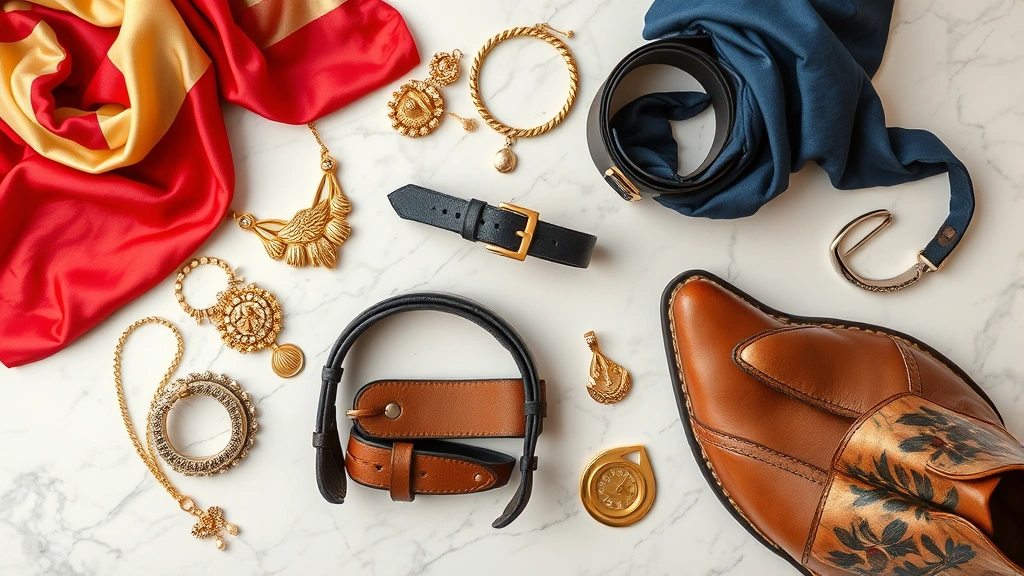
- Accessory Mastery: Accessories are the stylist’s secret weapon. Knowing how to use jewelry, belts, scarves, and shoes to transform an outfit is essential.
- Communication Skills: The ability to listen to clients, understand their needs, and articulate styling advice clearly is crucial.
- Research and Trend Analysis: Stylists must stay updated with fashion weeks, emerging designers, and cultural trends. Following resources like Vogue and Vogue Business helps stylists stay ahead of the curve.
The quiz questions are designed to evaluate your competency in each of these areas, providing a comprehensive assessment of your styling abilities.
Color Theory and Coordination
Color theory is perhaps the most transformative skill in fashion styling. Understanding how colors interact, complement each other, and affect perception can elevate your styling from good to exceptional.
Color Harmony Systems: The quiz tests your knowledge of color harmony including complementary colors (opposite on the color wheel), analogous colors (adjacent on the color wheel), triadic schemes (three equally spaced colors), and split-complementary schemes. Each creates different visual effects and communicates different moods.
Undertone Analysis: Beyond whether someone looks good in warm or cool tones, advanced stylists understand undertones in depth. Someone might have warm undertones but still wear certain cool colors beautifully if they’re the right shade and saturation. The quiz evaluates whether you understand these nuances.
Color Psychology: Different colors evoke different emotions and associations. Red communicates power and passion, blue conveys trust and calm, green suggests growth and balance. Professional stylists use color psychology to help clients achieve their desired impact.
Saturation and Value: Beyond hue, understanding saturation (color intensity) and value (lightness or darkness) is critical. A muted sage green communicates differently than a vibrant emerald, even though both are green. The quiz challenges you to apply these concepts in real-world scenarios.
” alt=”Fashion stylist organizing colorful clothing rack with various textures and hues”>
Body Type Knowledge and Proportions
While fashion has evolved beyond restrictive body type categorization, understanding proportions and how to create visual balance remains essential. The quiz evaluates your ability to analyze silhouettes and recommend flattering styles.
Traditional Body Types: Understanding pear, apple, hourglass, rectangle, and inverted triangle shapes helps stylists think about balance and proportion. However, modern styling recognizes that most people don’t fit neatly into categories.
Individual Proportions: The real skill is analyzing each client individually. Where is their natural waist? How long are their legs relative to their torso? What’s their shoulder width? These individual characteristics matter more than broad categories.
Visual Tricks: Stylists use design elements to create visual effects. Horizontal stripes can add width, vertical lines can lengthen, strategic color blocking can create curves or minimize certain areas. The quiz tests whether you understand how to apply these principles.
Fit and Tailoring: Understanding how garments should fit and knowing when tailoring is necessary separates amateur stylists from professionals. A perfectly tailored piece in the wrong size will never look as good as a well-fitted piece.
When you understand proportions deeply, you can help clients from fashion trends for women over 50 to teenagers find styles that make them feel confident and beautiful.
Trend Awareness and Fashion Forecasting
While personal style is important, professional stylists must also understand current and emerging trends. This doesn’t mean following every trend slavishly—it means knowing what’s happening in fashion and helping clients integrate trends thoughtfully into their personal style.
Trend Cycles: Fashion moves in cycles. Understanding whether something is emerging, at peak popularity, declining, or nostalgic helps stylists make better recommendations. A trend that’s emerging might be perfect for a fashion-forward client but inappropriate for someone seeking timeless style.
Seasonal Trends: Fashion weeks in New York, Paris, Milan, and London set trends for upcoming seasons. Stylists who attend or follow fashion week coverage understand what’s coming and can prepare clients accordingly.
Trend Categories: Not all trends are created equal. Some are silhouette trends (like oversized or fitted), color trends (pastels or jewel tones), fabric trends (velvet or linen), or accessory trends (mini bags or chunky loafers). Understanding these categories helps stylists identify which trends matter for their clients.
Trend Adaptation: The real skill is helping clients adapt trends to their personal style. A client who loves minimalism can still wear the current trend for oversized silhouettes by choosing tailored oversized pieces in neutral colors. The quiz evaluates whether you understand how to bridge trends and personal style.
Following The Fashion Spot and Women’s Wear Daily keeps stylists informed about emerging trends and industry news.
Client Consultation Excellence
Technical fashion knowledge means nothing if you can’t communicate effectively with clients. The quiz includes questions about client consultation, which is arguably the most important skill a stylist can develop.
Active Listening: Before making any recommendations, stylists must truly understand their clients. What’s their lifestyle? What are their pain points with their current wardrobe? What makes them feel confident? What are their budget constraints? Asking the right questions and listening carefully to answers forms the foundation of great styling.
Needs Assessment: Beyond listening, stylists must synthesize information and identify what clients actually need versus what they think they want. A client might say they want more dresses, but through conversation, you might discover they actually need more versatile pieces for their busy professional life.
Expectation Setting: Clear communication about what styling can and cannot accomplish is crucial. Styling can transform how someone feels about their appearance and help them present their best self, but it’s not a magic solution to deeper insecurities or body image issues.
Presentation Skills: How you present styling recommendations matters as much as the recommendations themselves. Walking clients through your thought process, explaining why pieces work together, and building their confidence in the styling creates better outcomes and client loyalty.
Feedback Integration: Professional stylists welcome client feedback and adjust recommendations accordingly. Even if you believe a style choice is flattering, if the client doesn’t feel confident in it, it’s not the right choice for them.
Building Your Styling Portfolio
If your quiz results inspire you to pursue styling professionally, building a strong portfolio is essential. Your portfolio demonstrates your eye, your range, and your ability to create cohesive looks.
Portfolio Content: Include before-and-after transformations, outfit combinations from different categories (professional, casual, evening), and evidence of your ability to work with different body types, ages, and style preferences. Show range in your styling approach.
Documentation: Photograph outfits in good lighting from multiple angles. Include close-ups of accessories and details. Write brief descriptions explaining your styling choices and the client’s style goals.
Diverse Examples: Include styling for different occasions, seasons, and client types. This demonstrates versatility and helps potential clients see themselves in your work.
Personal Branding: Your portfolio reflects your brand as a stylist. Is your aesthetic editorial and high-fashion? Approachable and practical? Eclectic and artistic? Make sure your portfolio clearly communicates your styling philosophy and approach.
Many successful stylists share their work on social media platforms, building their following and client base through consistent, high-quality styling content. This modern approach to portfolio building combines traditional styling expertise with digital marketing savvy.
Whether you’re exploring styling as a potential career or simply want to deepen your style fashion knowledge, taking this quiz is an excellent first step. It provides honest feedback about your current abilities while inspiring you to develop new skills and perspectives.

” alt=”Professional fashion stylist arranging accessories and clothing pieces for styled photoshoot”>
FAQ
What makes a good fashion stylist?
A good fashion stylist combines technical fashion knowledge with strong interpersonal skills. They understand color theory, proportion, trends, and garment construction while also possessing excellent communication abilities, empathy, and the capacity to listen carefully to clients. The best stylists make clients feel heard, understood, and confident in their appearance.
Can I become a fashion stylist without formal training?
While formal fashion education provides valuable knowledge and industry connections, many successful stylists are self-taught or learned through apprenticeships. What matters most is developing a strong eye, staying current with trends, understanding fit and proportion, and building a portfolio of work. That said, formal training in fashion design, merchandising, or styling accelerates learning and provides industry credibility.
How often should I take a fashion stylist quiz?
Taking the quiz annually or whenever you feel your styling skills have evolved significantly can provide useful feedback on your progress. As you develop new skills, study trends, and gain experience, your quiz results will likely improve and reveal new areas for growth.
What if my quiz results show I’m not a natural stylist?
Quiz results reflect current knowledge and skills, not innate ability. Fashion styling is a learnable skill set. If your results show gaps in certain areas, those are simply areas to focus your learning. Many professional stylists didn’t start with natural styling talent but developed expertise through study, practice, and real-world experience with clients.
How does personal style differ from professional styling?
Personal style is about expressing your individual aesthetic and feeling good in what you wear. Professional styling involves understanding and serving others’ style needs, which often requires setting aside your personal preferences. A professional stylist might personally love maximalist fashion but excel at creating minimalist wardrobes for clients who prefer that aesthetic.
What resources help stylists stay current with fashion?
Following fashion publications like Harper’s Bazaar, attending fashion weeks or watching coverage, following designer accounts on social media, and engaging with fashion communities helps stylists stay informed. Continuing education through workshops and courses also keeps skills sharp and knowledge current.