The 1950s represent one of the most iconic and glamorous eras in fashion history, and nowhere is this more evident than in the hairstyles that defined the decade. From the perfectly coiffed victory rolls to the voluminous pin curls and sleek ponytails, 50s hair fashion continues to captivate style enthusiasts and modern fashionistas alike. These vintage hairstyles weren’t merely aesthetic choices—they represented a cultural moment of post-war optimism, femininity, and meticulous grooming standards that celebrated polished elegance.
Understanding the nuances of authentic 1950s hair styling requires diving deep into the techniques, products, and cultural context that made these looks so memorable. Whether you’re interested in recreating these vintage waves for a special occasion or incorporating elements of 50s hair fashion into your everyday look, this comprehensive guide will walk you through everything you need to know. We’ll explore the most iconic styles, share professional styling techniques, discuss the essential products and tools, and provide practical tips from vintage beauty experts who understand the artistry behind these timeless looks.
The Golden Age of 1950s Hair Fashion
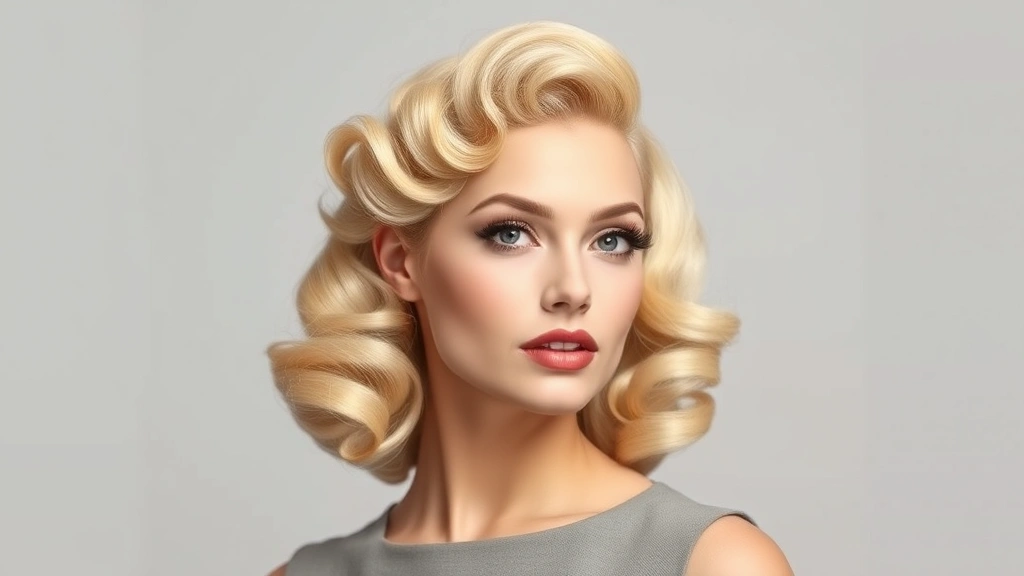
The 1950s emerged as a transformative period for fashion history, and hair styling became an integral component of the overall aesthetic. After the relative simplicity of 1940s wartime styles, the 1950s ushered in an era of abundance, femininity, and meticulous attention to grooming. Women embraced voluminous waves, carefully set curls, and intricate updos that required significant time, effort, and professional expertise to achieve and maintain.
This decade was heavily influenced by Hollywood glamour, with actresses like Audrey Hepburn, Grace Kelly, and Marilyn Monroe setting the standard for what constituted beautiful hair. The cultural context mattered significantly—post-war prosperity meant that women had more leisure time to devote to beauty routines, and the booming cosmetics and hair care industries provided an expanding array of products designed specifically for achieving these coveted looks. Hair became a symbol of femininity, respectability, and social status, making it essential for women to maintain perfectly styled hair at all times.
The silhouette of 1950s hair fashion was distinctly different from other eras. Hair was typically worn either long with voluminous waves or in shorter, carefully curled styles that framed the face. The key characteristic was volume—achieved through strategic use of pin curls, cold waves, and chemical permanents. The aesthetic celebrated an almost architectural approach to hair, where every curl, wave, and pin had a specific purpose in creating the overall shape and structure of the style.
Iconic 50s Hairstyles Explained
Understanding the specific styles that defined 1950s hair fashion requires examining each major look individually. These weren’t arbitrary styles; each one had distinct characteristics, specific occasions where it was worn, and particular techniques required to achieve it. When exploring types of fashion from this era, hair styling was equally important as clothing choices.
The Victory Roll remains perhaps the most recognizable 1950s hairstyle, though it actually originated in the 1940s. This style features two symmetrical cylindrical rolls positioned on either side of the head, typically secured at the crown. Victory rolls represented sophistication and femininity, and while they were less common as an everyday style in the 1950s, they remained popular for special occasions and formal events. The technique requires significant skill and practice to execute properly, as the rolls must be precisely shaped and firmly secured to maintain their cylindrical form throughout the day.
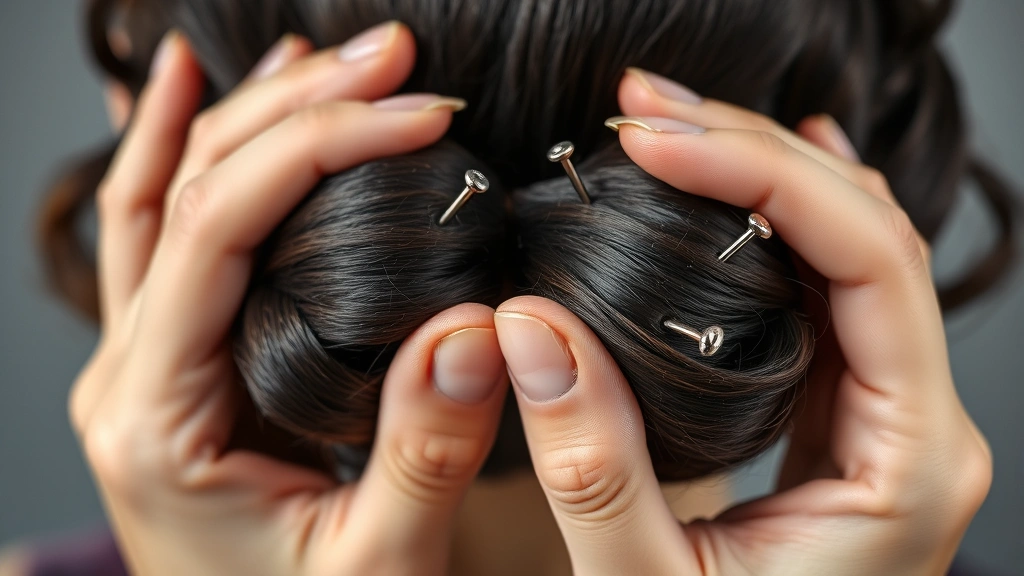
Pin Curls were the foundation of most 1950s hairstyles. These small, spiral curls were created by rolling damp hair around the finger and securing it with a pin or clip while the hair dried. Pin curls could be arranged in various patterns across the scalp to create different effects—some created soft, romantic waves, while others produced tighter, more structured curls. The beauty of pin curls was their versatility; the same pin curl set could be styled in multiple ways depending on how the curls were brushed out and arranged.
The Poodle Cut emerged as one of the most distinctive 1950s styles, characterized by short, tightly curled hair that created a rounded, cloud-like silhouette. This style was particularly popular in the mid-to-late 1950s and required regular salon visits to maintain the permanent wave and trim the hair to the correct shape. The poodle cut was practical for women who wanted a fashionable look without the daily styling commitment of longer styles, though it still required weekly sets and regular trims.
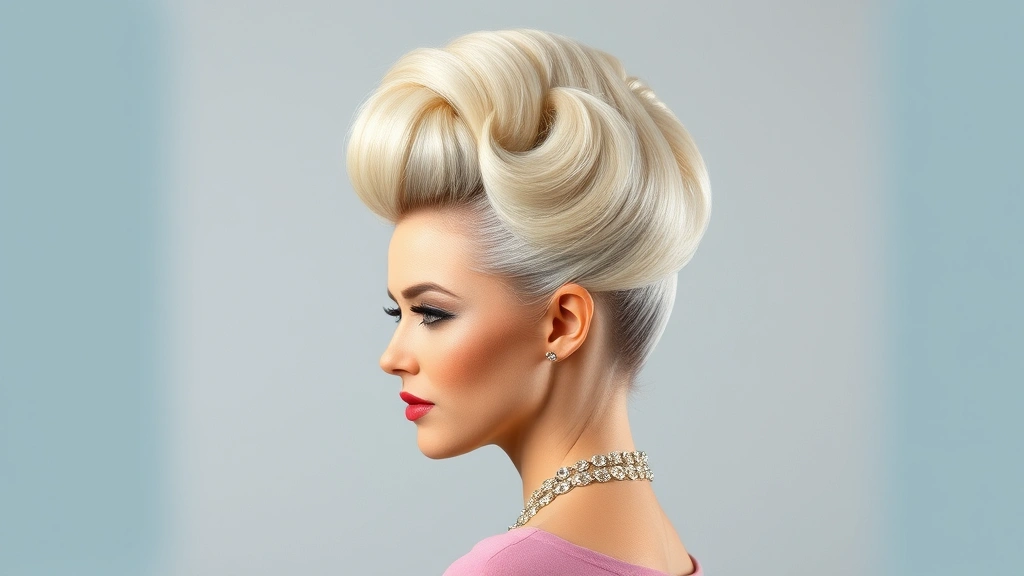
The Bouffant represents the epitome of 1950s glamour and excess. This style featured voluminous, rounded hair piled high on the crown, often teased and sprayed to achieve maximum height and fullness. Creating a bouffant required teasing the hair at the roots to create texture and volume, then smoothing the outer layer to create a sleek finish. The bouffant was the ultimate expression of the decade’s love of femininity and drama, and achieving an authentic bouffant required considerable skill and the right products.
The Ponytail provided a more casual alternative to the elaborate updos favored by older women. Popularized by actresses like Audrey Hepburn and embraced by younger women and teenagers, the 1950s ponytail was typically high, sleek, and often adorned with ribbons, scarves, or decorative clips. The elegance of the 1950s ponytail came from its simplicity and the precision with which it was executed—every hair had to be smoothly pulled back without flyaways.
Essential Tools and Products
Achieving authentic 1950s hair fashion requires understanding the tools and products that were available and used during the era. Modern products can certainly be used to create these looks, but understanding the originals provides valuable context for why these styles looked and behaved the way they did.
Pin Curls and Clips were absolutely essential. Metal pin curls in various sizes allowed for precise control over curl size and placement. These tools were affordable and durable, making them accessible to women across all economic levels. Larger clips created looser waves, while smaller pins produced tighter curls. Professional stylists often used dozens of pin curls in a single set, requiring careful planning to achieve the desired wave pattern.
Hair Nets protected pin curl sets while women slept or went about their day. These fine mesh nets held the curls in place and prevented them from being disturbed. Many women wore their pin curls under a hair net for an entire week, refreshing the set as needed before their next salon appointment.
Setting Lotions and Waves were crucial for creating the hold and structure necessary for 1950s styles. Products like Toni Home Permanent and other home permanent wave kits allowed women to create chemical waves at home, though many preferred professional salon treatments. Setting lotions provided hold without the permanent chemical alteration of the hair.
Hair Spray became increasingly popular throughout the 1950s. These aerosol sprays provided strong hold and were essential for maintaining bouffants, pin curls, and other voluminous styles. The formulations of the era tended to be quite heavy and could make hair stiff if overused, but they were incredibly effective at maintaining style throughout the day.
Teasing Brushes and Combs were specialized tools designed to create texture and volume at the hair’s roots. These brushes had tightly spaced bristles that caught and separated hair strands, allowing stylists to build height and fullness. Teasing, also called backcombing, was a fundamental technique in creating bouffants and other voluminous styles.
When considering fashion accessories for 1950s hair, decorative elements played an important role. Ribbons, bows, decorative combs, and hair clips weren’t merely functional—they were style statements that complemented the overall look.
Step-by-Step Styling Techniques
Creating authentic 1950s hair fashion requires patience, practice, and understanding the specific techniques that professionals used during the era. These aren’t quick, five-minute styles; they represent a significant time investment, which is why many women visited salons weekly for their weekly set.
Creating the Perfect Pin Curl Set begins with clean, damp hair. Section the hair into manageable pieces, typically about one inch in width. Take one section and wrap it around your index finger in a spiral, working from the ends toward the scalp. Once you reach the scalp, carefully slip your finger out while maintaining the curl shape, then secure it with a pin or clip. The direction of the curl matters—curls on the right side of the head typically curl clockwise, while those on the left curl counterclockwise, creating a unified wave pattern when brushed out. The entire head can require forty to fifty individual pin curls. Allow the hair to dry completely—either naturally or under a hood dryer—before removing the pins. Once dry, gently unpin each curl and brush them out lightly with a soft brush, using your fingers to guide the waves into the desired shape.
Achieving a Bouffant Style requires building volume systematically. Start with pin curls or a permanent wave to create texture. Blow-dry or set the hair, then section the crown area—this is where you’ll create the height. Using a teasing brush, gently backcomb small sections of hair at the roots, working from the scalp outward. Don’t be too aggressive; you want texture, not damage. Once you’ve created enough texture throughout the crown area, lightly smooth the outer layer of hair using a fine-tooth comb, being careful not to brush out all the texture you’ve created. Use bobby pins to secure the style from underneath, and finish with hairspray for hold.
Creating Victory Rolls is perhaps the most technically challenging 1950s style. Start with smooth, dry hair. Create a deep side part and divide the hair into two sections. On one side, take a section of hair from the temple area and begin rolling it upward toward the crown in a cylindrical shape, keeping the roll tight and neat. Secure it with bobby pins positioned underneath so they’re not visible. Repeat on the other side, ensuring both rolls are symmetrical and positioned at the same height. The rolls should sit at roughly a forty-five-degree angle to the head. Practice is essential for mastering this style.
The Sleek Ponytail appears simple but requires precision. Brush hair thoroughly to eliminate all tangles and flyaways. Use a fine-tooth comb to smooth the hair back, applying a smoothing product or pomade to tame any stray hairs. Gather the hair at the crown or slightly higher, securing it with an elastic band. To perfect the look, take a small section of hair from the ponytail itself and wrap it around the base of the elastic, securing the wrapped section with a bobby pin. This creates a polished, finished appearance that conceals the elastic band.
Modern Adaptations of Vintage Styles
While some enthusiasts recreate 1950s hair fashion with complete historical accuracy, others prefer to adapt these classic styles for modern life and sensibilities. Finding your personal style might mean incorporating 1950s elements without committing to the full vintage look.
The Modern Victory Roll can be created with looser, more relaxed rolls that sit lower on the head, creating a softer, less dramatic effect. Some modern versions feature just one roll positioned asymmetrically, or rolls that blend into waves rather than maintaining a strict cylindrical shape. This adaptation maintains the recognizable silhouette while feeling more contemporary.
Soft Vintage Waves capture the essence of 1950s hair fashion without requiring pin curls or permanent waves. Using a large-barrel curling iron or wand, create loose waves throughout the hair, then brush them out gently for a softer, more romantic effect. This achieves the volume and movement of 1950s styles with modern tools and a fraction of the time investment.
The Half-Up Bouffant combines vintage glamour with modern practicality. Instead of teasing the entire crown, create volume just in the top section, pulling the front half of the hair back and securing it while leaving the back down. This creates visual interest and height without requiring the full commitment of a complete bouffant.
Accessorized Ponytails modernize the classic 1950s ponytail by incorporating contemporary accessories. A simple high ponytail becomes more interesting when paired with a silk scarf, decorative claw clip, or pearl hair stick. These additions provide a nod to vintage style while feeling current.
The Style Loom Daily Blog frequently explores how vintage aesthetics can be adapted for modern wardrobes and beauty routines, providing inspiration for those seeking to blend eras.
Hair Care for Achieving Authentic Results
Authentic 1950s hair fashion depends not just on styling technique but also on the underlying health and condition of the hair. The styles of the era were often achieved on hair that had been chemically treated with permanent waves, which required diligent care to maintain.
Deep Conditioning is essential when working with chemically treated or frequently styled hair. The permanent waves and frequent pin setting of the 1950s era could be quite damaging, so professional stylists and women themselves invested in deep conditioning treatments. Modern protein-based treatments and moisture masks can help restore vitality to hair that’s been subjected to vintage styling techniques.
Scalp Health matters significantly. The weight of pin curls, the tightness of waves, and the frequent use of products can stress the scalp. Regular scalp massages, gentle brushing, and occasional clarifying treatments help maintain a healthy scalp that can support elaborate styling.
Product Selection influences both the look and health of the hair. While modern products are available, some enthusiasts prefer vintage formulations or products that mimic the weight and hold of era-appropriate options. Heavier oils and pomades provide more control than modern lightweight products, but they can also build up on the hair if not properly cleansed.
Regular Trims were essential in the 1950s, particularly for shorter styles like the poodle cut that required precise shape. Even for longer styles, regular trims every six to eight weeks help maintain the silhouette and prevent split ends that would interfere with styling.
Professional Salon Visits remain valuable for achieving authentic results. Professional stylists have access to specialized tools and products, and their expertise in creating and maintaining 1950s styles is invaluable. Many salons now offer vintage styling services specifically for those interested in authentic 50s hair fashion.
According to Vogue, vintage beauty trends continue to influence contemporary styling, with 1950s waves and curls regularly appearing on runways and in editorial spreads. Elle Magazine frequently features articles exploring how to recreate classic vintage styles with modern techniques and products.
FAQ
What products do I need to create 1950s hairstyles?
Essential products include setting lotion, pin curls or clips, teasing brush, hairspray, and smoothing products like pomade or gel. For authentic results, you might also consider a home permanent wave kit, though many people prefer professional treatments. Modern equivalents of vintage products work well for most styling purposes.
How long does it take to create a 1950s hairstyle?
Creating pin curls can take thirty minutes to an hour depending on hair length and desired effect. A complete bouffant might require similar time. The styles were meant to last several days, so the initial time investment was considered worthwhile. Many women visited salons weekly for their weekly set, which would then be maintained throughout the week with careful handling and nighttime pin curls.
Can I create 1950s styles on short hair?
Absolutely. Styles like the poodle cut, short bouffants, and various curl styles work beautifully on short hair. The key is having enough length to create curls and waves—typically at least two to three inches minimum, though more length provides more styling options.
Do I need to get a permanent wave for authentic 1950s hair?
No, though a permanent wave certainly makes maintaining these styles easier. Pin curls set on naturally straight hair can create similar waves and curls, though they require more frequent resetting. Many modern stylists can create vintage-looking waves using curling irons and styling products without any chemical treatment.
How can I make 1950s hairstyles last longer?
Sleep on a satin pillowcase to reduce friction and frizz. Use a hair net to protect your style while sleeping. Refresh pin curls daily by gently misting with setting lotion and pinning again if needed. Use light hairspray applications rather than heavy ones, which can make hair feel sticky. Avoid touching and manipulating the style throughout the day.
Are 1950s hairstyles appropriate for modern occasions?
Absolutely. Vintage hairstyles work beautifully for weddings, formal events, vintage-themed parties, and even everyday wear if you adapt them appropriately. Many people incorporate elements of 1950s style into their regular rotation without committing to complete vintage looks.
What’s the difference between 1940s and 1950s hair styles?
1940s styles featured victory rolls, finger waves, and tighter curls influenced by wartime practicality. 1950s styles emphasized volume, bouffants, and softer waves that celebrated post-war femininity and abundance. The 1950s styles were generally larger, more voluminous, and more time-consuming to achieve.