What’s Trending in 20s Men’s Fashion? Expert Insights
The 2020s have redefined masculine style in ways previous generations could never have imagined. Men in their twenties today are breaking free from rigid fashion conventions, embracing self-expression through clothing, and creating a cultural moment where individuality reigns supreme. This decade celebrates finding your personal style through bold experimentation, sustainable choices, and a refreshing blend of vintage and contemporary aesthetics.
Whether you’re navigating the dating scene, building your professional wardrobe, or simply wanting to elevate your everyday look, understanding current trends is essential. The fashion landscape for young men has shifted dramatically, with influencers, designers, and style experts championing a more inclusive, diverse approach to menswear. From oversized silhouettes to minimalist essentials, from vibrant color palettes to heritage-inspired pieces, the options have never been more exciting.
This comprehensive guide explores the most compelling 20s men’s fashion trends dominating runways, streets, and social media platforms worldwide. We’ll dive deep into expert insights, practical styling advice, and the philosophy behind why these trends matter in today’s cultural moment.
Oversized Silhouettes & Comfort-First Design
The reign of uncomfortably tight clothing has officially ended. Modern men in their twenties are embracing oversized cuts, relaxed fits, and silhouettes that prioritize movement and comfort without sacrificing style. This shift represents a fundamental change in how men approach fashion—rejecting the notion that masculinity requires restriction.
Oversized blazers paired with fitted trousers create an effortlessly cool aesthetic that works equally well at brunch or in creative workspaces. Baggy jeans, once considered fashion faux pas, have made a triumphant comeback through designer interpretations and vintage finds. The key to mastering oversized pieces lies in proportion balance—pair loose tops with tapered bottoms or vice versa to maintain visual harmony.
Fashion experts from Vogue note that this comfort-centric approach reflects broader lifestyle changes among Gen Z and millennial men. They’re prioritizing wellbeing, rejecting outdated masculinity standards, and using fashion as a form of personal liberation. Oversized hoodies, baggy cargo pants, and relaxed-fit t-shirts have become staples rather than casual loungewear.
The beauty of oversized fashion lies in its versatility. You can dress it up with clean sneakers and a vintage watch, or dress it down with slides and a baseball cap. The trend works across all body types and allows younger men to experiment without pressure. Brands like Fear of God, Yeezy, and Aime Leon Dore have pioneered this aesthetic, proving that oversized doesn’t mean sloppy—it means intentional and confident.
Sustainable Fashion & Ethical Choices
Men in their twenties today possess unprecedented environmental consciousness. Sustainable fashion has evolved from niche movement to mainstream expectation, particularly among younger demographics. This generation wants to know where their clothes come from, who made them, and what environmental impact their purchase creates.
Thrifting, vintage shopping, and clothing swaps have become social activities and style statements simultaneously. Young men are discovering that types of fashion extend beyond new releases—preloved pieces offer unique character, better quality, and significantly lower environmental footprints. Brands investing in sustainable practices—organic cotton, recycled materials, ethical manufacturing—command loyalty from this demographic.
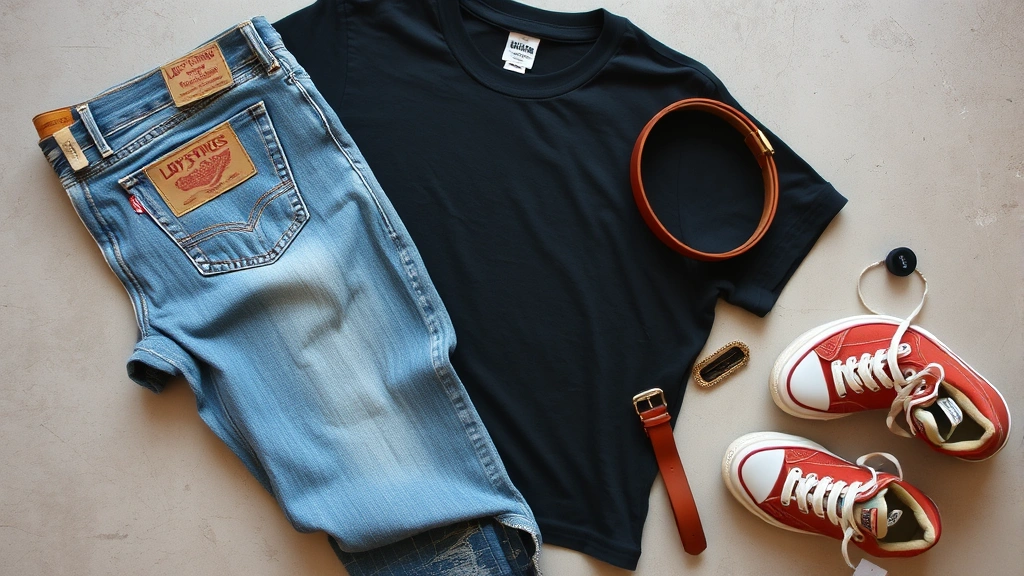
The circular economy in fashion represents a paradigm shift. Instead of viewing clothing as disposable, younger men are building capsule wardrobes with investment pieces designed to last decades. Vintage Levi’s, heritage workwear, and timeless basics become foundations for countless outfits. This approach actually saves money while reducing waste—a win-win that resonates strongly with economically conscious youth.
According to sustainability experts and Business of Fashion, the younger male consumer represents the most eco-conscious demographic yet. They actively research brand ethics, support sustainable labels, and aren’t afraid to call out greenwashing. This consciousness extends beyond clothing into accessories, footwear, and even undergarments.
Bold Color Trends & Pattern Play
Gone are the days when men’s fashion meant navy, black, and gray exclusively. The 2020s celebrate chromatic boldness and pattern experimentation in menswear. Marigold, sage green, burgundy, and warm terracotta tones dominate contemporary collections, offering alternatives to neutral palettes without appearing outlandish.
Color psychology plays a crucial role in modern styling. Warm earth tones convey approachability and creativity, perfect for social settings. Cool jewel tones project confidence and sophistication, ideal for professional environments. Young men are learning that color choice communicates personality and intentionality—it’s not about being loud, but about being deliberate.
Pattern mixing, once considered a styling cardinal sin, has become an art form. Stripes with checks, florals with geometric prints—the rules are being rewritten. The trick involves maintaining a cohesive color palette while mixing patterns of varying scales. A small-scale geometric shirt pairs beautifully with large-scale floral trousers if colors complement harmoniously.
Monochromatic dressing remains powerful but has evolved. Rather than single neutral tones, men explore monochromatic outfits in jewel tones or earth tones, creating visual interest through texture variation and fit manipulation. A burgundy sweater, burgundy chinos, and burgundy sneakers create sophisticated cohesion when executed with intention.
The psychology behind color adoption reflects broader cultural shifts. Men feel increasingly comfortable expressing themselves through vibrant hues, rejecting outdated masculine color restrictions. Fashion leaders and Pantone report growing demand for unconventional menswear colors, signaling fundamental changes in male identity expression.
Vintage Revival & Thrifting Culture
Vintage fashion has transcended nostalgia to become a legitimate styling strategy for men in their twenties. Thrift stores, vintage boutiques, and online resale platforms have democratized access to quality pieces from previous decades. This movement offers sustainability benefits, cost savings, and unmatched individuality compared to mass-market alternatives.
The appeal lies partly in quality differences. Vintage pieces often feature superior construction, natural fabrics, and timeless design compared to contemporary fast fashion. A vintage Carhartt jacket outlasts three modern equivalents while maintaining character and patina that adds visual depth. Young men recognize these value propositions, making vintage shopping a practical and stylish choice.
Specific eras influence contemporary styling. 1990s minimalism inspires clean lines and neutral palettes. 1970s aesthetics drive earth tones, wide-leg silhouettes, and vintage band tees. 1980s maximalism influences bold color combinations and statement pieces. Rather than strict period recreation, modern vintage styling cherry-picks elements from multiple eras, creating personalized aesthetics that feel fresh and intentional.
The complete fashion history timeline provides context for understanding how vintage pieces fit contemporary style narratives. Understanding historical fashion movements helps younger men make informed vintage selections that complement their personal aesthetic rather than appearing costumey.
Platforms like Depop, Vestiaire Collective, and Grailed have revolutionized vintage commerce, making rare pieces accessible globally. Community-driven curation means quality standards remain high, and peer reviews build confidence in purchases. The social aspect of vintage hunting—sharing finds, discussing provenance, celebrating unique pieces—has created vibrant communities around secondhand fashion.
Elevated Footwear Game
Shoes have become the ultimate style statement for men in their twenties. The footwear landscape has exploded with options ranging from luxury sneakers to reimagined classics, allowing younger men to express personality through their feet. The shoe game determines outfit success more than any other single element.
Luxury sneakers continue dominating, with brands like New Balance, Salomon, and Adidas collaborating with designers to create coveted models. These aren’t simply expensive versions of basic sneakers—they represent design innovation, material experimentation, and cultural significance. Collecting sneakers has become legitimate hobby and investment strategy for many young men.
Simultaneously, heritage footwear experiences revival. Vintage Timberlands, classic Converse, and rediscovered Puma models appeal to vintage-conscious consumers. The beauty of this approach involves accessibility—quality vintage sneakers cost fraction of new luxury releases while offering comparable style impact and superior character.
Beyond sneakers, boots command attention. Chelsea boots, work boots, hiking boots reimagined as fashion statements, and creeper-sole boots all occupy contemporary menswear. The boot selection communicates aesthetic clearly—workwear boots suggest rugged authenticity, Chelsea boots convey sophistication, hiking boots signal outdoor interests.
Sandals and slides have achieved unexpected fashion legitimacy. Luxury designers produce high-end versions of casual footwear, proving that comfort and style aren’t mutually exclusive. Young men pair designer slides with tailored clothing, creating intentional contrast that feels modern and refreshing.
Footwear care and customization have become central to sneaker culture. Sneaker restoration services, custom designs, and limited releases create scarcity and desirability. The investment in quality footwear reflects broader shift toward fewer, better pieces rather than disposable fashion consumption.
Accessories & Small Details Matter
Accessories elevate even basic outfits into considered, intentional looks. Men in their twenties increasingly understand that small details communicate style sophistication more effectively than obvious pieces. A carefully chosen watch, vintage chain, quality bag, or distinctive hat transforms an otherwise ordinary outfit into something memorable.
Bags have evolved from purely functional to style-essential. Crossbody bags, vintage shoulder bags, and designer backpacks serve both practical and aesthetic purposes. The bag selection indicates lifestyle—minimalists choose sleek designs, creative types favor vintage or patterned options, professionals opt for refined leather.
Jewelry for men has shed its controversial reputation. Rings, necklaces, bracelets, and chains appear in contemporary men’s fashion as legitimate style tools. The key involves restraint and intentionality—a single statement ring or layered delicate chains feels curated rather than excessive. Vintage jewelry offers unique pieces with character and often better quality than contemporary costume jewelry.
Hats have returned as essential accessories. Baseball caps, beanies, bucket hats, and vintage trucker hats serve functional and aesthetic purposes while allowing personality expression. Hat selection dramatically impacts overall vibe—a crisp baseball cap suggests preppy leanings, while vintage bucket hats signal nostalgia and relaxation.
Watches represent intersection of function, craftsmanship, and style. Whether vintage Timex, contemporary design-forward brands, or heritage luxury watches, timepiece selection communicates values and interests. Young men increasingly view watches as investment pieces rather than disposable accessories, seeking quality that endures.
Belts, scarves, and eyewear complete the accessory story. Leather belts with distinctive buckles, vintage scarves worn as bandanas or loosely around necks, and quality sunglasses or optical frames contribute to overall aesthetic coherence. These elements demonstrate that StyleLoom Daily Blog insights about styling extend beyond major pieces to finishing touches that separate intentional dressing from accidental coordination.
Professional Style for Young Men
The traditional corporate uniform has fractured into diverse approaches, with younger men defining professionalism through personal style rather than rigid dress codes. Tech companies, creative industries, and progressive workplaces increasingly encourage individual expression, allowing men to build professional wardrobes that feel authentic.
Smart casual has become workplace standard across numerous industries. This allows incorporation of personal style while maintaining professional credibility. Tailored oversized blazers over quality basics, elevated sneakers with chinos, and carefully chosen accessories create polished looks that feel contemporary rather than stuffy.
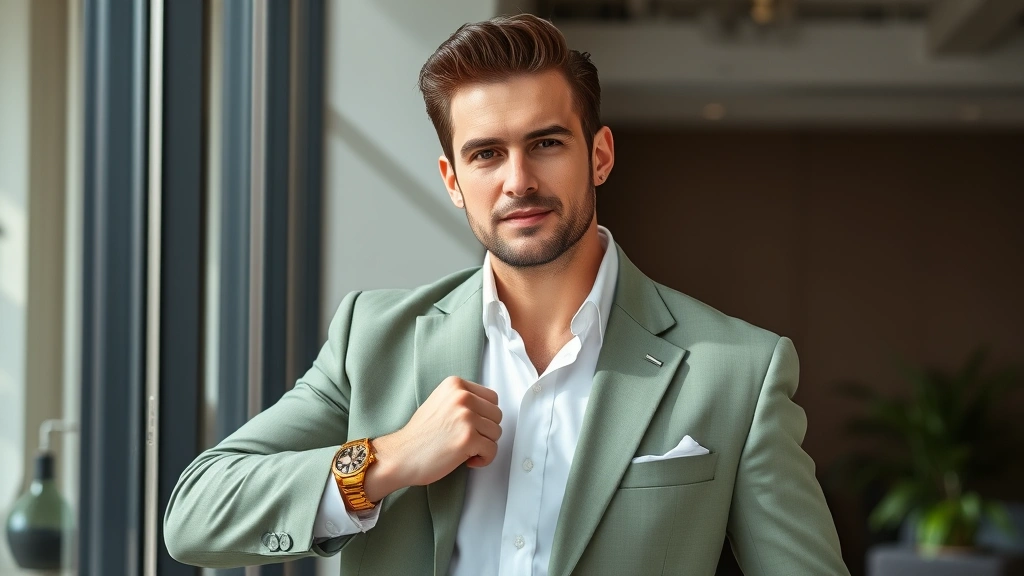
For more formal environments, younger men are reimagining suiting. Oversized blazers, cropped trousers, and unconventional color choices modernize traditional tailoring. A sage green suit or oversized camel blazer feels current while maintaining professional appropriateness. The key involves quality construction and proper fit—oversized doesn’t mean sloppy in professional contexts.
Layering becomes essential in professional settings, allowing climate control and style flexibility. A quality sweater over a crisp shirt, a lightweight jacket over basics, or a tailored vest over a t-shirt create visual interest while maintaining professionalism. This approach also accommodates sustainability by allowing fewer total pieces to create numerous outfits.
Professional grooming has evolved alongside clothing. Well-maintained facial hair, intentional haircuts, and skincare routines now constitute standard professional practice rather than optional extras. Young men invest in quality grooming products and professional haircuts, recognizing that overall presentation encompasses more than clothing.
Understanding how to find your personal style proves essential when navigating professional dress codes. The goal involves respecting workplace expectations while authentically expressing individuality within those boundaries. This balance—professionalism with personality—defines contemporary workplace style.
Mentorship from fashion experts and industry leaders helps younger men navigate professional style transitions. GQ and The Guardian Fashion regularly feature expert guidance on professional menswear, helping young professionals build wardrobes that advance careers while maintaining authenticity.
FAQ
What are the essential basics for men in their twenties?
Essential basics include quality white and black t-shirts, well-fitting jeans (both light and dark wash), neutral sweaters, crisp button-up shirts, and tailored trousers. Add a versatile blazer, comfortable everyday sneakers, and quality basics in neutral colors. These foundational pieces mix and match endlessly while accommodating individual style expression through accessories and layering.
How can I incorporate bold colors without looking ridiculous?
Start with accessories and smaller pieces—a bold shirt under a neutral blazer, colorful sneakers with neutral clothing, or patterned scarves. Monochromatic outfits in single bold tones feel more sophisticated than mixing colors randomly. Ensure colors complement your skin tone by understanding your undertone. Confidence matters more than perfect color theory—wear bold colors intentionally and own the choice.
Is thrifting really worth the time investment?
Absolutely. Thrifting offers superior quality, unique pieces, sustainability benefits, and cost savings. While finding quality pieces requires patience, the hunt itself becomes enjoyable social activity. Online platforms like Depop and Vestiaire Collective reduce time investment while expanding access to curated vintage selections. Many young men discover favorite pieces and brands exclusively through thrifting.
How do I balance comfort and style?
Modern fashion celebrates comfort as essential rather than oppositional to style. Oversized silhouettes, quality natural fabrics, and thoughtful layering allow comfortable clothing to appear intentional and fashionable. Avoid pieces that restrict movement or feel uncomfortable—discomfort shows in posture and confidence. When clothing feels good, it photographs better and projects confidence.
What’s the best way to develop personal style?
Explore diverse inspirations through Pinterest, Instagram, fashion blogs, and street style photography. Notice recurring elements in outfits you admire—colors, silhouettes, aesthetics, accessories. Experiment with combinations in your existing wardrobe before purchasing new pieces. Invest in basics that align with your aesthetic, then add personality through accessories and unique pieces. Personal style develops through intentional choices and authentic self-expression rather than following trends blindly.
Should I invest in luxury pieces or focus on affordable fashion?
The best approach combines both. Invest in quality basics, outerwear, and footwear that endure multiple seasons—these items justify higher prices through longevity. Use affordable fashion for trend pieces, pattern experimentation, and items you’ll wear less frequently. Quality construction, natural fabrics, and timeless design matter more than brand names. Thrifting offers luxury quality at affordable prices, making it excellent investment strategy.
How can I stay current without constantly buying new clothes?
Focus on versatile pieces that accept multiple styling approaches. Layering extends outfit possibilities exponentially. Accessories refresh existing pieces without requiring new clothing. Understanding types of fashion helps identify which trends are temporary versus foundational. Quality basics remain relevant for years, while intentional accessory changes keep looks fresh. Building capsule wardrobes with interchangeable pieces proves more sustainable and economical than constant consumption.