1930s Hair Trends: Expert Styling Guide
The 1930s represents one of the most transformative decades in fashion history timeline, and nowhere is this more evident than in the revolutionary hair styles that defined the era. This golden age of cinema and glamour introduced silhouettes, waves, and styling techniques that continue to inspire modern beauty standards today. From Hollywood starlets to everyday women embracing modernity, 1930s hair fashion became a symbol of sophistication, rebellion, and artistic expression.
Understanding 1930s hair trends requires appreciating the cultural context of the decade. As women gained more independence and entered the workforce, their appearance became a statement of liberation. The elaborate finger waves, sleek bobs, and voluminous curls weren’t merely aesthetic choices—they represented a departure from Victorian constraints and an embrace of contemporary femininity. Whether you’re researching types of fashion or seeking to recreate vintage styles, this comprehensive guide explores the most iconic hair trends of this remarkable period.
The 1930s hair aesthetic remains incredibly relevant for modern styling. Whether you’re interested in vintage-inspired looks, attending themed events, or simply exploring how to find your personal style, mastering these classic techniques opens endless creative possibilities. This expert styling guide will walk you through every major trend, styling method, and maintenance tip you need to authentically recreate 1930s hair fashion.
The Iconic Finger Waves
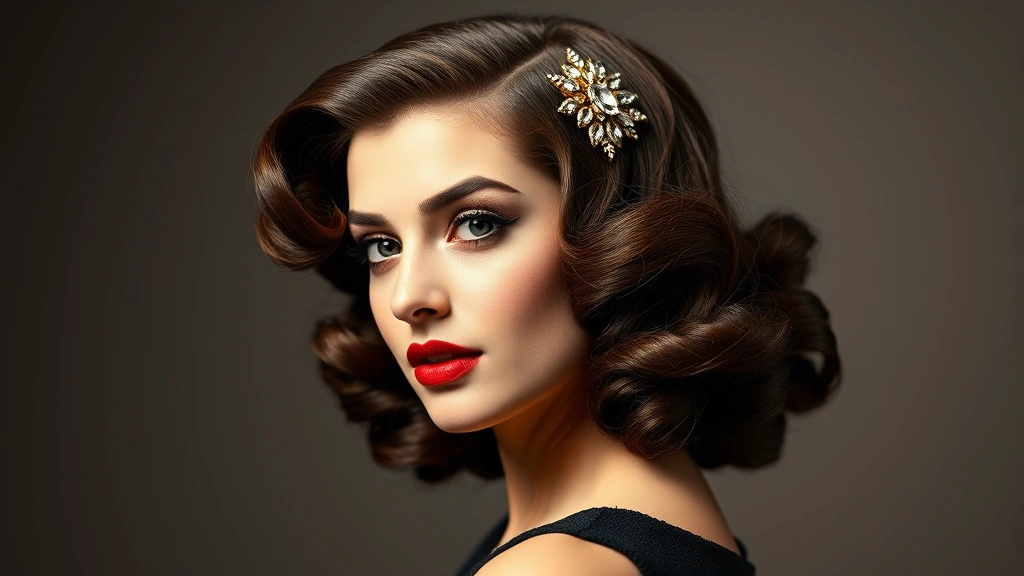
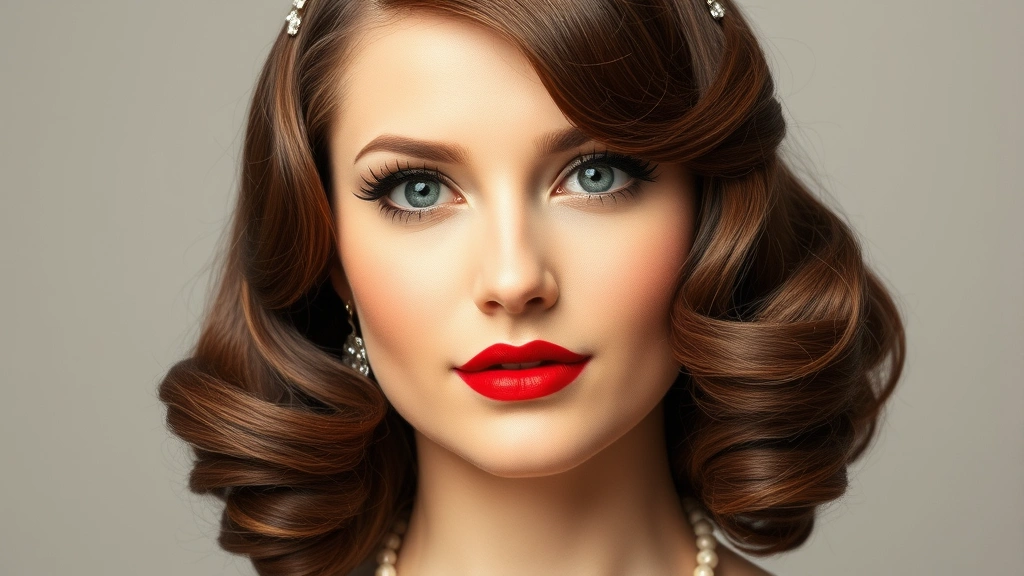
Finger waves represent the quintessential 1930s hair trend, embodying the decade’s obsession with geometric precision and sculptural beauty. This technique involves creating S-shaped waves using only fingers, a fine-tooth comb, and setting lotion. The process requires patience and skill, but the results are unmistakably glamorous and authentically vintage. Finger waves typically frame the face on both sides, creating a symmetrical, art-deco aesthetic that perfectly complemented the fashion silhouettes of the era.
The technique originated in the late 1920s but reached peak popularity throughout the 1930s, particularly among women who frequented beauty salons. Professional stylists became masters of finger wave creation, developing their own signature methods and variations. What made finger waves revolutionary was their versatility—they could be applied to various hair lengths and textures, though they worked best on medium to longer hair. The waves could be subtle and refined for daytime looks or dramatically pronounced for evening glamour.
Creating authentic finger waves requires understanding the fundamental mechanics of the technique. The stylist would apply setting lotion to damp hair, then use a comb to create wave formations while simultaneously molding them with the fingers. The key to successful finger waves lies in proper tension, moisture control, and allowing adequate drying time. Once set, these waves could last for several days, making them practical for women with busy schedules. Many women visited salons weekly specifically to maintain their finger wave sets, making this hairstyle a status symbol of both leisure time and beauty consciousness.
The beauty of finger waves extended beyond mere aesthetics. They represented a technical achievement—a demonstration of skill that beauty professionals took tremendous pride in perfecting. Different variations emerged throughout the decade, from the classic Hollywood waves seen on actresses like Joan Crawford to more experimental interpretations featuring asymmetrical patterns or waves positioned differently across the head. Understanding StyleLoom Daily Blog discussions about vintage styling reveals how finger waves continue influencing contemporary hairstylists.
Bob Variations and Cuts
While the bob hairstyle gained prominence in the 1920s, the 1930s witnessed remarkable evolution and refinement of this radical cut. The decade saw the bob transform from a rebellious statement into a universally accepted style with numerous sophisticated variations. The 1930s bob moved away from the harsh, blunt edges of its predecessor toward softer, more feminine interpretations that better complemented the era’s evolving beauty standards.
The shingle bob represented one of the most popular variations during this period. This cut featured closely cropped hair at the nape of the neck, gradually lengthening toward the front to frame the face. The shingle bob required frequent maintenance, with women visiting salons every two to three weeks to maintain the precise tapering. This style worked beautifully with finger waves and other setting techniques, making it a practical choice for fashion-conscious women. The versatility of the shingle bob allowed for personalization—some women preferred longer front pieces, while others favored a more uniform length throughout.
Another significant variation was the Eton crop, an extremely short bob cut inspired by traditional boys’ school uniforms. This daring style challenged gender norms and represented the height of modernism. Women who wore the Eton crop were often seen as progressive, artistic, and intellectually engaged. The cut required minimal styling time and worked well for women with active lifestyles. However, it remained somewhat controversial, with more conservative communities viewing it as overly masculine or inappropriate.
The pageboy bob emerged as a more conservative alternative, featuring a bob that curved inward at the ends. This style maintained longer length than the shingle bob and worked particularly well for women with naturally wavy or curly hair. The pageboy could be styled with gentle waves or left relatively straight, offering flexibility in daily styling. This variation gained particular popularity in the mid-to-late 1930s as women sought balance between fashionable modernity and traditional femininity.
The permanent wave technology that became increasingly available during the 1930s transformed how women approached bob cuts. With chemically set waves, bobs could maintain volume and texture without daily styling effort. This technological advancement democratized access to fashionable hairstyles, allowing women who couldn’t afford frequent salon visits to maintain stylish looks longer. The combination of a well-cut bob with a permanent wave became the ultimate convenience hairstyle for the modern 1930s woman.
Marcel Waves and Permanent Waves
Marcel waves represent one of the most significant technical innovations in 1930s hair styling. Named after Marcel Grateau, who invented the technique in the 1870s, marcel waves reached unprecedented popularity during the 1930s as stylists perfected application methods and women embraced the voluminous, sculptural results. Unlike finger waves, which created relatively flat S-curves, marcel waves produced deep, dimensional waves that added tremendous volume and movement to hair.
The marcel waving process involved using heated metal tongs to create waves in the hair. Professional stylists became incredibly skilled at temperature control and timing, creating waves of varying sizes and intensities depending on desired effects. The process was time-consuming and required significant expertise, making it primarily a salon service. Women would spend hours in beauty parlors having their hair carefully waved section by section. The results, however, justified the time investment—hair with properly executed marcel waves possessed an undeniable elegance and sophistication.
The introduction and refinement of permanent wave technology during the 1930s revolutionized hair styling possibilities. Early permanent waves, though chemically harsh and unpredictable, offered women the ability to permanently set curls and waves into their hair structure. This innovation represented a major breakthrough in beauty technology. Women could now achieve voluminous, curled styles that lasted for months rather than days, fundamentally changing how they approached daily beauty routines.
Early permanent wave processes involved wrapping hair around rods and applying chemical solutions that altered the hair’s protein structure. The process was risky—chemical burns, hair breakage, and uneven results were common. Despite these challenges, permanent waves became increasingly popular throughout the 1930s as the technology improved and safety standards developed. By the late 1930s, permanent waving had become a mainstream service offered in nearly every professional beauty salon.
The combination of permanent waves with finger waves or marcel techniques created the ultimate 1930s hairstyle. A woman could receive a permanent wave to create foundational texture, then have finger waves or marcel waves applied on top for additional definition and sophistication. This layering of techniques created hairstyles of remarkable complexity and beauty. The investment in permanent waving represented significant expense—often costing several dollars at a time when women’s weekly wages might be only ten to fifteen dollars—making it a luxury service that signified economic status and fashion consciousness.
” alt=”Woman modeling authentic 1930s finger waves and curls with precise geometric wave patterns, styled hair framing face elegantly”>
Sleek and Sculpted Styles
Not all 1930s hair trends emphasized volume and waves. A competing aesthetic celebrated sleekness, simplicity, and sculptural precision. These streamlined styles reflected the era’s fascination with art deco geometry and modern design principles. Sleek 1930s hairstyles featured hair smoothed close to the head, often with a deep side part, creating an elegant silhouette that emphasized facial features and bone structure.
The sleek, close-to-head style required impeccably groomed hair and often involved generous application of pomade or hair oil to create shine and hold. This look worked particularly well for women with naturally straight hair or those who preferred minimal styling time. The aesthetic conveyed sophistication and modernity, appealing to professional women and those seeking understated elegance. Many Hollywood actresses alternated between voluminous curled styles for evening events and sleek styles for daytime professional appearances.
The deep side part became almost universal during the 1930s, appearing in both voluminous and sleek styles. The positioning of the side part carried significance—a part placed too far to one side could dramatically alter facial proportions and overall appearance. Stylists developed expertise in determining ideal part placement for individual clients based on face shape, hair texture, and personal style preferences. The deep side part remains one of the most recognizable characteristics of 1930s hairstyling.
Sculpted waves that hugged the head closely represented another variation of the sleek aesthetic. These waves, often created through combination finger wave and setting techniques, created sophisticated linear patterns across the head. Unlike the more pronounced waves of marcel styling, these waves emphasized precision and geometry. The effect was simultaneously modern and classical, reflecting 1930s design sensibilities that drew inspiration from both contemporary art movements and historical art deco principles.
Slicked-back styles, particularly for evening wear, represented the most extreme interpretation of the sleek aesthetic. Hair would be smoothed tightly back from the face, often with waves or curls concentrated at the crown or back of the head. This dramatic styling created a modern, almost avant-garde appearance that appealed to artistic women and those attending sophisticated social events. The slicked-back style required exceptional hair health and grooming, as any imperfection in texture or scalp condition became visible.
Hair Accessories and Embellishments
1930s hair styling extended far beyond the hair itself—accessories and embellishments played crucial roles in completing fashionable looks. Hair clips, combs, headbands, and decorative elements transformed simple hairstyles into sophisticated statements. Understanding accessory styling represents an essential component of authentically recreating 1930s hair fashion.
Decorative combs, often made from tortoiseshell, celluloid, or metal, served both functional and aesthetic purposes. These combs held hair in place while adding visual interest and elegance. Some featured intricate carved designs or jeweled embellishments, transforming functional hair tools into luxury accessories. Wearing a beautiful comb became a way to display wealth and fashion awareness. Women often invested in quality combs as lasting accessories that could be worn repeatedly with various hairstyles.
Hair clips and barrettes, particularly those featuring rhinestones or precious metals, added glamour to everyday and evening styles. Small decorative clips could secure waves or curls while adding sparkle and visual interest. During evening events, women often wore multiple clips positioned strategically throughout their hairstyles for maximum effect. The placement of clips followed fashion conventions—too many appeared gaudy, while thoughtful placement created sophisticated elegance.
Headbands and hair nets represented practical accessories that also served decorative functions. Elastic headbands, often adorned with rhinestones or beading, held hair in place while adding glamorous embellishment. Hair nets, made from silk or fine mesh, protected hairstyles overnight and could be worn as decorative accessories during daytime hours. Some women wore decorative nets featuring intricate beading or metallic threads that transformed them into jewelry-like accessories.
Feathers, flowers, and other decorative elements adorned evening hairstyles. A single feather positioned in the waves or a cluster of small flowers could transform a standard hairstyle into evening-appropriate elegance. These embellishments required careful placement to avoid appearing costume-like rather than sophisticated. The most successful evening hair styling balanced decoration with restraint, adding visual interest without overwhelming the overall look.
The turban and head wrap represented another significant accessory category. Often made from luxurious fabrics like silk or satin, turbans could be worn casually or as evening wear depending on fabric choice and embellishment level. Turbans served practical purposes—protecting hair during daytime activities or allowing women to maintain hairstyles between salon visits—while also making fashion statements. Wearing a turban conveyed artistic sensibility and cosmopolitan style awareness.
Maintenance and Care Techniques
Maintaining 1930s-style hair required dedication and specific knowledge about hair care practices. The frequent salon visits, chemical treatments, and heat styling inherent to period hairstyling demanded careful maintenance to prevent damage and maintain style longevity. Understanding authentic 1930s hair maintenance practices provides insights into how women of the era managed their beauty routines.
Weekly salon visits represented standard practice for fashion-conscious women during the 1930s. These visits served multiple purposes—maintaining finger wave sets, refreshing permanent wave curls, trimming growing-out bobs, and addressing any hair damage or breakage. The salon visit functioned as both practical maintenance and social occasion. Beauty parlors became important community spaces where women gathered, socialized, and discussed fashion, gossip, and current events.
Between salon visits, women relied on home maintenance techniques to preserve their hairstyles. Pin curls, created by rolling damp hair around the fingers and securing with bobby pins, allowed women to refresh waves and curls at home. Setting lotions, made from various ingredients including gelatin, sugar water, and commercial products, helped maintain wave formations. Women would apply setting lotion to damp hair before bed, sleep on pin curls, and wake to refreshed waves ready for the day.
Scalp massage represented an important component of 1930s hair care routines. Women were taught to massage their scalps regularly to stimulate circulation, promote hair health, and distribute natural oils throughout the hair length. These massages could be performed at home or as part of professional salon services. The practice reflected emerging understanding of scalp health and its relationship to overall hair quality.
Hair washing presented challenges during the 1930s, as frequent washing could damage hair and compromise carefully set styles. Women typically washed their hair only once weekly or even less frequently, relying on dry shampoo and other products to manage oil accumulation between washes. Dry shampoo, applied to the scalp and brushed through the hair, absorbed excess oil and added volume without requiring water or disrupting hairstyles. This practice extended the time between permanent waves and other chemical treatments.
Oil treatments and conditioning represented important maintenance practices. Women would apply oil or conditioning preparations to hair, often leaving them on overnight before shampooing. These treatments counteracted the drying effects of permanent waves, frequent heat styling, and harsh shampoos. Coconut oil, olive oil, and specialized hair oils served conditioning purposes while also adding shine and promoting hair health. The application of conditioning oils became ritualized, often performed on Saturday nights before weekly salon visits.
Protecting hair during sleep involved careful technique. Women would either pin curl their hair to maintain waves or wear silk or satin bonnets that reduced friction and prevented disruption of carefully styled waves. These protective practices extended the life of salon treatments and reduced daily styling time. The silk bonnet became an essential bedroom accessory, protecting not only hairstyles but also preventing hair breakage caused by cotton pillowcases.
Recreating 1930s Hair Today
For modern women interested in recreating authentic 1930s hair trends, several approaches exist depending on commitment level, hair type, and styling preferences. Whether you’re seeking fashion trends for women over 50 or exploring vintage styling for any age, these techniques can be adapted to contemporary hair and beauty standards.
Professional stylists trained in vintage hair styling can recreate period-accurate looks using modern products and techniques. Many contemporary salons offer vintage styling services, with stylists possessing expertise in finger waves, marcel waves, and period-appropriate cuts. Working with a knowledgeable stylist ensures authentic results and professional guidance on which styles best complement individual features. Consulting with professionals can also provide valuable insights into how 1930s techniques can be adapted for modern hair types and textures.
For at-home recreation, several tools and products facilitate authentic styling. Modern finger wave setting lotions work similarly to period versions but with improved safety and consistency. Fine-tooth combs, bobby pins, and setting pins remain essential tools. Creating finger waves at home requires practice but is entirely achievable with patience and proper technique. Many online tutorials demonstrate step-by-step finger wave creation using contemporary products.
Modern permanent wave technology differs significantly from 1930s methods but can create similar results with less damage. Contemporary perms offer greater safety, more predictable results, and gentler formulations than early permanent waves. A modern perm combined with finger waves or other styling techniques can recreate the voluminous, sculpted appearance of authentic 1930s hairstyles.
For women with naturally curly or textured hair, 1930s styles offer particular appeal. The period’s celebration of waves and curls means that natural texture can be styled authentically without chemical alteration. Finger waves work beautifully on naturally curly hair, creating sophisticated definition without damage or harsh treatments. Understanding how to find your personal style through vintage inspiration allows women to embrace their natural hair while achieving period-appropriate aesthetics.
Blending 1930s elements with contemporary styling creates modern interpretations of vintage trends. A classic bob cut styled with one-side pin curls represents a bridge between vintage authenticity and modern practicality. Similarly, incorporating finger waves into contemporary hairstyles—perhaps combined with modern layers or colors—allows creative expression while honoring period inspiration. This hybrid approach appeals to women seeking vintage influence without complete historical recreation.
Hair color choices significantly impact 1930s styling authenticity. The decade favored rich, dark tones with occasional platinum blonde. Contemporary hair coloring technology allows precise recreation of period-appropriate shades. However, modern interpretations often incorporate contemporary color trends—subtle balayage, dimensional highlights, or unconventional tones—blended with 1930s styling techniques. This fusion creates distinctly modern looks with vintage inspiration.
For special events, photo shoots, or themed occasions, full 1930s styling offers tremendous impact. Combining period-accurate hairstyles with complementary makeup, clothing, and accessories creates immersive vintage aesthetic experiences. Many women discover passion for vintage styling through themed events, leading to deeper exploration of best fashion design schools and fashion history studies.
” alt=”Woman wearing authentic 1930s hairstyle with perfectly sculpted finger waves, side part, and vintage hair accessories, polished elegant appearance”>
FAQ
What was the most popular 1930s hairstyle?
Finger waves represented the most iconic and widely adopted 1930s hairstyle. This technique created elegant S-shaped waves that framed the face and could be achieved both professionally and at home. While other styles existed, finger waves became synonymous with 1930s beauty standards and remained popular throughout the entire decade.
How long did it take to create finger waves at a salon?
Professional finger wave application typically required thirty to sixty minutes depending on hair length, thickness, and desired wave complexity. The time investment reflected the skill required and the precision necessary for achieving polished results. Many women scheduled salon appointments specifically for finger wave maintenance and refreshing.
Were 1930s hairstyles damaging to hair?
Yes, many 1930s styling practices—particularly permanent waves, frequent heat styling with marcel tongs, and harsh setting lotions—could damage hair. Women often experienced dryness, breakage, and scalp irritation. However, regular conditioning treatments and careful maintenance helped minimize damage. Women accepted certain hair damage as a trade-off for fashionable appearance, similar to modern beauty practices.
Can I recreate 1930s hairstyles with short hair?
While 1930s styles worked best on medium to longer hair, shorter bobs could be styled with subtle waves and careful attention to detail. The shingle bob and Eton crop represented acceptable short-hair options during the period. Modern women with short hair can adapt 1930s principles—side parts, wave patterns, and sleek styling—to contemporary shorter cuts.
What products should I use for authentic 1930s styling?
Modern setting lotions, vintage-inspired hair products, and contemporary permanent wave solutions can recreate period-appropriate results. Avoid heavily silicone-based products that would have been unavailable in the 1930s. Instead, seek products with simpler formulations that mimic vintage options. Many specialty beauty suppliers offer period-appropriate product lines.
How often did women visit beauty salons during the 1930s?
Fashion-conscious women typically visited salons weekly, though frequency varied based on economic status and individual preference. Regular visits maintained finger wave sets, refreshed permanent waves, and addressed hair maintenance needs. Salon visits represented significant weekly expenses for many women but were considered essential for maintaining fashionable appearance.
Were there racial variations in 1930s hair styling practices?
Yes, while mainstream fashion media predominantly featured white women with naturally straight or wavy hair, Black women developed sophisticated styling practices adapted to their hair textures. These included intricate finger waves on chemically relaxed hair, elaborate pin curl sets, and creative adaptations of period trends. The full history of 1930s hair styling encompasses diverse communities and innovative styling approaches beyond mainstream media representation.