The 1920s represented a transformative era in men’s fashion, marking a decisive shift from the rigid Victorian constraints toward modern sophistication and understated elegance. This golden decade, often called the Roaring Twenties, witnessed unprecedented social change that directly influenced how men dressed, behaved, and presented themselves to society. From the speakeasies of New York to the fashion capitals of Europe, a new masculine aesthetic emerged—one that balanced formality with newfound freedom and celebrated both tradition and innovation.
Whether you’re preparing for a themed event, seeking inspiration for contemporary style, or genuinely interested in historical fashion evolution, understanding 1920s men’s fashion offers invaluable lessons in timeless dressing. The silhouettes, fabrics, and accessories from this period continue to influence modern menswear, proving that authentic style transcends decades. This comprehensive guide explores the essential elements of authentic 1920s dressing, combining historical accuracy with practical styling advice from fashion experts and historians.
The Iconic 1920s Silhouette and Suit Structure
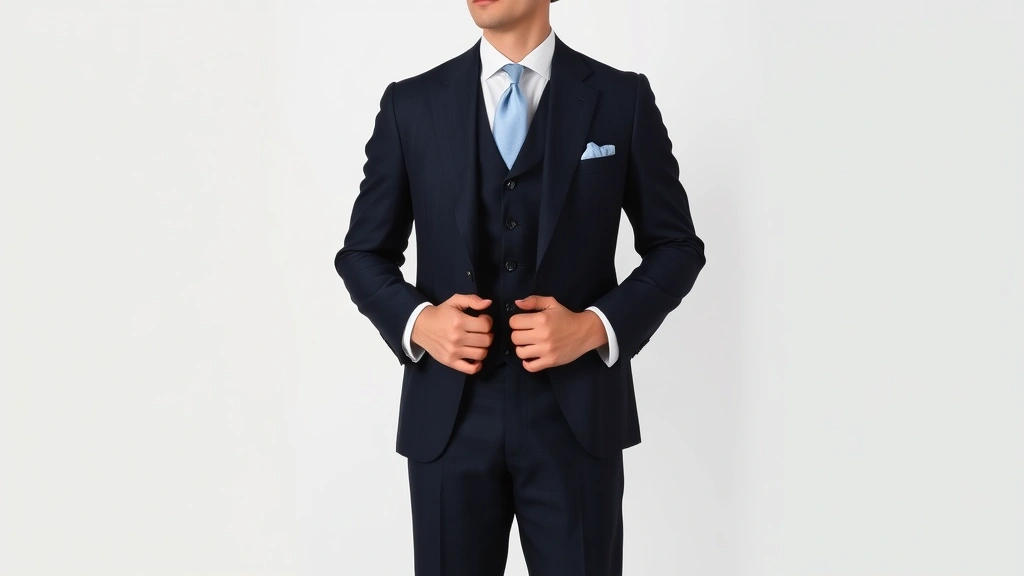
The foundational element of 1920s men’s fashion is undoubtedly the suit, which underwent significant evolution during this period. Unlike the exaggerated silhouettes of earlier decades, the 1920s suit embraced a more relaxed, comfortable fit that still maintained impeccable tailoring. The jacket featured a straight-line cut through the torso, with shoulders that sat naturally without excessive padding, and a length that typically ended just below the knee.
The most distinctive characteristic of 1920s suiting is the high button stance, where jacket buttons positioned significantly higher than in modern suits. Most jackets featured either two or three buttons, with the two-button configuration becoming increasingly popular as the decade progressed. According to Vogue’s historical archives, the three-piece suit remained the gold standard for formal occasions, featuring a matching vest that provided additional structure and sophistication to the overall ensemble.
The trousers represented another crucial innovation of the era. Fashion history shows that 1920s trousers featured a higher waistline, typically sitting at or above the natural waist rather than the lower hip positioning common today. The legs maintained a straight, relatively loose fit through the thigh and knee, gradually tapering slightly toward the ankle. Pleats at the waistband became increasingly standard, providing additional comfort and a more refined aesthetic. The break—the amount of fabric that touches the shoe—was typically minimal, often just grazing the top of the shoe.
What makes the 1920s silhouette particularly appealing to modern dressers is its balance between formality and comfort. The suit communicated respectability and sophistication without the restrictive tailoring of previous eras. This democratic approach to menswear—where quality mattered more than excessive ornamentation—established principles that still guide contemporary tailoring.
Essential Fabrics and Color Palettes
Understanding the fabric choices of the 1920s is essential for achieving an authentic or inspired look. The decade favored natural fibers, particularly wool, which provided durability, breathability, and the ability to hold a crisp crease. Wool suiting came in various weights, with lighter options for summer wear and heavier tweeds for autumn and winter. Linen shirts were standard for warm-weather dressing, while cotton blends offered versatility throughout the year.
Color choices during the 1920s reflected a sophisticated restraint that modern dressers often overlook. While we sometimes imagine the era through a sepia-toned lens, colors were actually quite deliberate and refined. Navy blue, charcoal gray, and black dominated formal wear, with these neutral tones providing the perfect canvas for accessories and neckwear. Brown and tan suits offered alternative options for daywear and less formal occasions. Earth tones like olive and sage green appeared occasionally, though these were less common than the classic neutrals.
Patterns played an important role in 1920s menswear without overwhelming the overall aesthetic. Subtle pinstripes, thin chalk stripes, and small-scale checks appeared on many suits, adding visual interest while maintaining sophistication. Windowpane checks, though more prominent, remained relatively restrained compared to later decades. The key principle was that patterns should complement rather than dominate the silhouette. Solid-colored suits in quality fabrics remained the most versatile and timeless choice, allowing for greater flexibility in accessorizing and styling.
Texture also contributed significantly to the visual appeal of 1920s menswear. Tweeds, with their characteristic nubby appearance, became increasingly popular for less formal occasions and country wear. Herringbone weaves added subtle sophistication to suiting, while sharkskin fabrics provided a smooth, lustrous finish for more formal occasions. These textural variations allowed men to express personal style within the constraints of formal dressing conventions.
Shirts, Ties, and Neckwear Essentials
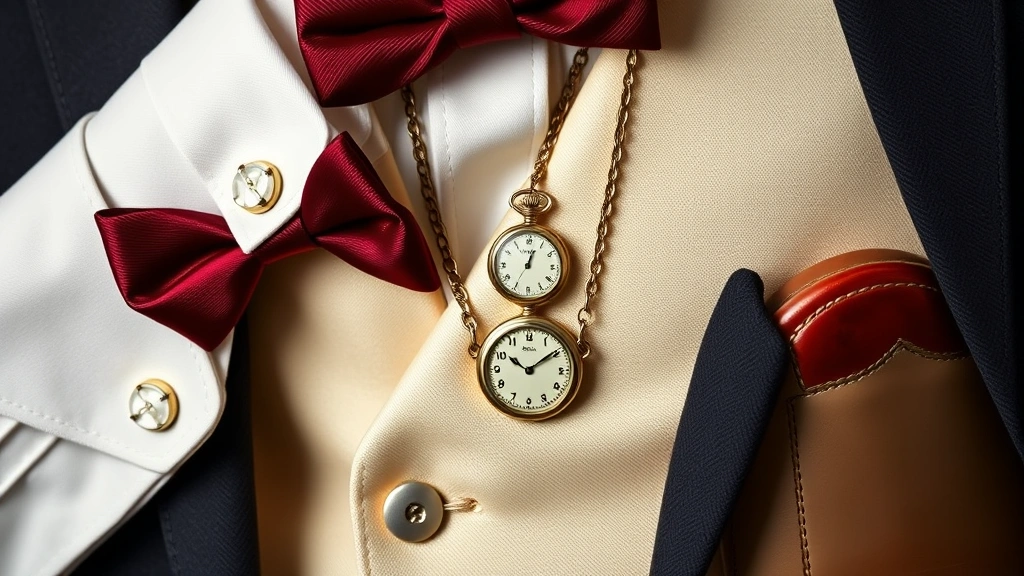
Shirts in the 1920s represented a significant departure from the stiff, formal styles of the Victorian era. While formal occasions still called for white dress shirts, the construction evolved to be more comfortable and practical. The wing collar remained standard for black-tie events, but the rounded collar and soft collar styles gained popularity for everyday wear. Fashion accessories including shirt studs and cufflinks were essential components of formal dressing, typically crafted from silver, gold, or mother-of-pearl.
The dress shirt of the 1920s featured a higher armhole and narrower sleeves than contemporary standards, creating a more streamlined silhouette. French cuffs, which required cufflinks, were common for formal wear, while barrel cuffs with buttons sufficed for less formal occasions. Shirt fronts could be plain or feature subtle pleating, and some variations included a center placket for easier dressing.
Neckwear during the 1920s evolved considerably throughout the decade. The four-in-hand tie, which emerged in the previous century, became increasingly popular and eventually supplanted the bow tie as the default neckwear for many occasions. These ties featured a narrow width compared to modern standards, typically measuring between 2.5 and 3 inches at their widest point. Silk remained the preferred fabric, with patterns ranging from solid colors to subtle stripes, small-scale geometric designs, and intricate jacquard patterns.
Bow ties, however, remained essential for formal evening wear and black-tie occasions. The 1920s bow tie featured a relatively modest size compared to contemporary styles—neither excessively large nor tiny. Silk bow ties in solid colors, particularly black, navy, and burgundy, were considered appropriate for formal events. Some men preferred patterned bow ties for less formal daytime occasions, though solid colors maintained greater versatility.
The Ascot tie, a wider neckwear option with a distinctive knot, remained popular for morning wear and semi-formal daytime events. Typically made from silk in solid colors or subtle patterns, the Ascot provided an elegant alternative to the four-in-hand tie for specific occasions. Wearing an appropriate neckwear choice for each occasion demonstrated an understanding of social conventions and personal style awareness.
Footwear and Legwear
Shoes in the 1920s served as important indicators of social status and personal style, with specific styles designated for different occasions and times of day. The oxford shoe, characterized by its closed lacing system, dominated formal wear and represented the epitome of respectability. These shoes typically featured a sleek, streamlined silhouette without excessive ornamentation, though quality leather and impeccable craftsmanship were paramount.
The spectator shoe, featuring contrasting leather panels or colors, gained significant popularity during the 1920s, particularly for daytime and sporting occasions. These two-tone shoes, typically combining white or cream with black, brown, or navy, added visual interest to casual and semi-formal ensembles. The spectator shoe represented a departure from the strict formality of earlier decades, reflecting the era’s slightly more relaxed approach to menswear.
Leather quality and finish were crucial considerations in 1920s footwear. Highly polished leather demonstrated attention to detail and personal grooming standards. Patent leather, with its distinctive glossy finish, appeared on formal evening shoes. Suede offered a more casual alternative for daytime wear, though leather remained the standard for most occasions.
Socks, though often overlooked, played an important role in completing the overall look. Dark colors—black, navy, or charcoal gray—were standard for formal wear, while daytime occasions allowed for slightly more color variation. Silk socks were preferred for formal events due to their lustrous appearance and comfort, while wool or cotton blends sufficed for everyday wear. The length was crucial; socks should be long enough to cover the calf completely, ensuring no bare leg showed when seated.
Garters, which held socks in place, were considered essential accessories during the 1920s. These elastic bands, typically worn just below the knee, prevented socks from slipping and maintained a neat appearance throughout the day. While modern dressers rarely wear garters, understanding their historical importance provides context for the meticulous attention to detail that characterized 1920s menswear.
Accessories That Define the Era
Accessories in the 1920s served both functional and aesthetic purposes, allowing men to express individuality within the constraints of formal dressing conventions. The pocket watch, suspended from a chain or fob, represented an essential accessory for any well-dressed man. These timepieces were often displayed prominently, with the chain draped across the vest in a decorative manner. The pocket watch communicated punctuality, refinement, and attention to detail.
Cufflinks and shirt studs represented crucial formal accessories, crafted from precious metals and often featuring gemstones or enamel work. These small but visible details demonstrated quality and personal style. Art Deco designs, with their geometric patterns and bold lines, became increasingly popular as the decade progressed, reflecting the broader artistic movements of the era.
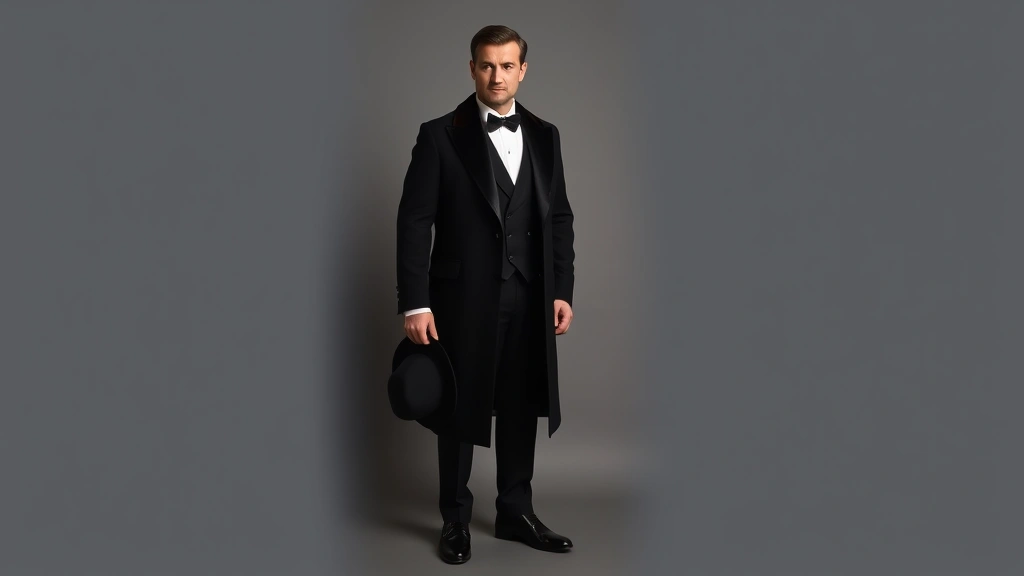
Hats were absolutely essential to 1920s menswear, with no respectable man venturing outdoors without one. The fedora, characterized by its creased crown and brim, became the most iconic hat style of the era. Typically crafted from felt in neutral colors—black, gray, brown, or tan—the fedora complemented virtually any suit. The homburg, featuring a slightly higher crown and rolled brim, offered a more formal alternative, particularly appropriate for evening wear and special occasions.
The Panama hat, made from woven straw, provided a lightweight option for summer wear and warm climates. These cream or light tan hats offered practicality without sacrificing style. The bowler hat, though declining in popularity from its Victorian peak, remained acceptable for conservative occasions and formal daytime events.
Handkerchiefs, displayed in the jacket breast pocket, added both functionality and style to any ensemble. Silk handkerchiefs in solid colors or subtle patterns provided visual interest without overwhelming the look. The display of the handkerchief—whether folded neatly, puffed casually, or arranged in a specific pattern—communicated personal style and attention to detail.
Walking sticks and canes remained popular accessories for formal occasions and daytime wear, serving both as functional aids and as style statements. These accessories, often crafted with decorative handles made from silver, ivory, or exotic materials, demonstrated sophistication and adherence to social conventions. Different types of fashion dictated when and how these accessories should be displayed.
Outerwear and Layering
The overcoat served as the primary outerwear choice during the 1920s, with several distinct styles emerging throughout the decade. The Chesterfield coat, characterized by its single-breasted or double-breasted construction and velvet collar, represented the height of formal elegance. These coats typically featured a length that reached approximately mid-knee, providing substantial coverage while maintaining a streamlined silhouette. The Chesterfield, often crafted from wool or wool blends in neutral colors, communicated understated sophistication.
The topcoat offered a lighter alternative to the Chesterfield, particularly suitable for transitional seasons. These coats featured a slightly shorter length and simpler construction, making them more versatile for various occasions. The topcoat’s streamlined silhouette complemented the high-buttoned suits of the era, creating a cohesive vertical line from shoulder to hem.
The Ulster coat, featuring a distinctive belt and often a cape-like back panel, provided practical warmth for cold weather while maintaining stylish appeal. Originally developed for Irish weather conditions, the Ulster gained popularity throughout Europe and America during the 1920s. These coats, often crafted from heavy wool or tweed, offered durability and character.
Blazers and sport coats emerged as important alternatives to formal suits during the 1920s, particularly for less formal occasions and weekend wear. These jackets, often featuring patch pockets and more relaxed tailoring than formal suit jackets, allowed men to express personal style while maintaining respectability. Blazers in navy blue, with brass buttons, became iconic symbols of casual sophistication.
Layering remained an important consideration in 1920s menswear, with vests and waistcoats providing additional warmth and visual interest. The three-piece suit, consisting of jacket, trousers, and matching vest, remained the formal standard. The vest, visible when the jacket was unbuttoned or removed, allowed for additional pattern and color variation. Contrasting vests, featuring patterns or colors distinct from the jacket, became increasingly popular for less formal occasions.
Hairstyles and Grooming
Hairstyles during the 1920s reflected the era’s modernization and represented a significant departure from the longer, more ornate styles of previous decades. The slicked-back look, achieved using pomade or hair oil, became the dominant style for well-dressed men. This sleek appearance communicated modernity and sophistication, with hair typically parted on the side and smoothed back along the head.
The Brillantine look, created using specialized hair products that provided shine and hold, became increasingly popular throughout the decade. Men would apply these products liberally to achieve a distinctive glossy appearance that caught the light. This polished look required daily maintenance and frequent reapplication, demonstrating commitment to personal grooming standards.
Hair length during the 1920s remained relatively short by contemporary standards, typically cut close to the scalp on the sides and back, with slightly more length on top. This practical style required regular barbering, typically every two to three weeks, to maintain its sharp appearance. The undercut, featuring very short sides and a longer top, emerged as a popular variation toward the end of the decade.
Facial hair trends shifted considerably during the 1920s, with clean-shaven faces becoming increasingly standard. The mustache, which had dominated earlier decades, declined in popularity as the decade progressed. By the late 1920s, most well-groomed men were entirely clean-shaven, representing a conscious rejection of Victorian masculine aesthetics. This clean appearance complemented the modern, streamlined silhouettes of 1920s menswear.
Eyebrows remained natural and relatively full, without the grooming practices common in later decades. Skincare, though less discussed than contemporary grooming, remained important, with men using basic cleansing products and occasionally applying aftershave or cologne. The emphasis on grooming extended beyond hair to overall cleanliness and personal hygiene, which were considered essential components of respectability.
Casual and Daywear Options
While formal suiting dominated discussions of 1920s menswear, casual and daytime options provided important alternatives for less formal occasions. Sports coats and blazers, often crafted from tweeds or other textured fabrics, offered versatility and comfort for weekend wear and recreational activities. These jackets could be paired with contrasting trousers in different colors, allowing for greater flexibility in styling.
Knit vests and sweaters gained popularity during the 1920s, particularly for weekend wear and casual daytime occasions. These garments, often featuring geometric patterns or Fair Isle designs, added visual interest and practical warmth. Worn under sport coats or as standalone layers, sweaters provided comfortable alternatives to formal vests.
Casual shirts in lighter colors—cream, light blue, and pale yellow—became acceptable for informal daytime wear. These shirts, often featuring soft collars and simpler construction than formal dress shirts, allowed men to relax their formal standards without appearing slovenly. Worn with rolled sleeves during warm weather, these casual shirts communicated approachability and modernity.
Knickers and plus-fours, baggy trousers that ended just below the knee, became popular for sporting activities and country wear. These practical garments, often paired with argyle socks and sturdy shoes, represented an important category of 1920s menswear. Golf, in particular, drove the popularity of these more relaxed trouser styles, which offered freedom of movement while maintaining stylish appeal.
Linen suits emerged as practical alternatives for summer wear and warm climates. These lightweight suits, often in cream or pale tan, provided comfort without sacrificing sophistication. Linen’s tendency to wrinkle was accepted as part of its charm, communicating relaxed elegance rather than formal stiffness.
Creating Your 1920s Look Today
Translating 1920s style into contemporary wardrobing requires understanding the core principles that made the era distinctive while adapting to modern sensibilities. The foundation remains a well-tailored suit in a neutral color—navy blue, charcoal gray, or black—featuring the characteristic high button stance and relaxed fit of the period. Modern tailors can recreate these silhouettes, though finding vintage pieces remains an authentic alternative.
Building your 1920s-inspired wardrobe begins with quality basics: classic white dress shirts, neutral-colored trousers with a higher waistline, and carefully selected neckwear. Add depth through layering with vests, cardigans, or sweaters that complement your base pieces. Accessories become crucial for communicating the specific aesthetic—fedora hats, vintage cufflinks, and period-appropriate pocket watches transform a contemporary suit into an authentic 1920s ensemble.
For themed events or costume occasions, commit to the silhouette and proportions of the era rather than mixing contemporary and vintage elements. A suit that doesn’t quite fit the 1920s aesthetic will undermine even the most carefully selected accessories. Conversely, a properly tailored suit with appropriate proportions will immediately communicate the intended era.
When shopping for 1920s-style pieces, consider both vintage and reproduction options. Authentic vintage clothing offers undeniable charm and historical accuracy but requires careful sizing and condition assessment. Modern reproduction pieces, created by designers specializing in historical recreation, offer reliability and sizing consistency while maintaining period authenticity. Explore museum collections and historical resources for inspiration and reference materials.
Incorporating 1920s elements into contemporary wardrobing doesn’t require complete period recreation. A single 1920s-inspired piece—a high-waisted trouser, a vintage fedora, or a quality three-piece suit—can anchor an otherwise contemporary outfit, communicating style awareness and historical appreciation. This approach allows for personal expression while honoring the era’s aesthetic principles.
Consider the occasions where 1920s styling is most appropriate. Themed parties, vintage-inspired weddings, and formal events provide natural contexts for period dressing. Understanding social context ensures your 1920s look communicates intentionality rather than confusion. Research fashion institute resources for detailed historical context and styling guidance.
Photography and visual documentation of 1920s menswear provide invaluable reference materials. Period photographs, fashion magazines, and film footage offer authentic examples of how garments were worn and styled. These visual references help inform proportions, color combinations, and accessory choices that might not be obvious from written descriptions alone.
The 1920s offer enduring lessons in masculine style—principles of proportion, quality, restraint, and attention to detail that transcend temporal boundaries. By studying and selectively incorporating elements of this transformative era, contemporary dressers can develop a more sophisticated, historically informed approach to personal style. The Roaring Twenties remain a wellspring of inspiration for those seeking to dress with intention and authenticity.
Remember that authenticity exists on a spectrum. Whether you’re pursuing perfect historical recreation or simply drawing inspiration from 1920s aesthetics, the key is understanding the underlying principles that made the era distinctive. Quality fabrics, proper fit, restrained color palettes, and carefully chosen accessories remain timeless principles of good dressing, regardless of era or context.
FAQ
What was the most important piece of clothing in 1920s men’s fashion?
The suit, particularly the three-piece suit consisting of jacket, trousers, and vest, represented the cornerstone of 1920s menswear. This ensemble communicated respectability, sophistication, and social standing, making it essential for any man concerned with his appearance and social position.
How do 1920s suit proportions differ from modern suits?
1920s suits featured higher button stances, higher trouser waistlines, and a more relaxed fit through the torso compared to contemporary tailoring. The overall silhouette was straighter and less tapered, with trousers that broke minimally at the shoe and featured higher rises.
Were bright colors acceptable in 1920s men’s fashion?
No, the 1920s favored restrained color palettes dominated by neutrals—navy blue, charcoal gray, black, and brown. While patterns appeared on some suits and accessories, bright colors were generally considered inappropriate for formal and semi-formal wear. Color variation typically appeared through accessories and neckwear rather than primary garments.
Could men wear casual clothing in the 1920s?
Yes, though standards differed significantly from contemporary casual wear. Even casual daytime wear typically included jackets, vests, and hats. True casual clothing—such as knickers for sporting activities or sweaters for weekend wear—still maintained formality standards that would seem quite formal by modern definitions.
How important were hats in 1920s menswear?
Hats were absolutely essential and considered non-negotiable for any respectable man. Venturing outdoors without a hat communicated slovenliness and disrespect. The fedora became the most iconic hat style, though homburgs, bowlers, and Panama hats all served specific occasions and seasons.
What accessories were considered essential in the 1920s?
Hats, pocket watches with chains, cufflinks, shirt studs, handkerchiefs, and walking sticks represented essential accessories for well-dressed men. These items served both functional and aesthetic purposes, allowing for personal expression within formal constraints. Modern dressers can selectively incorporate these elements for period-appropriate styling.
How can I create a 1920s look with contemporary clothing?
Focus on silhouette and proportions rather than exact historical recreation. Seek tailors who can create high-waisted trousers and properly fitted jackets with appropriate button stances. Combine these foundational pieces with period-appropriate accessories like fedoras, vintage cufflinks, and pocket watches. Visit our style blog for additional inspiration and contemporary style guidance.