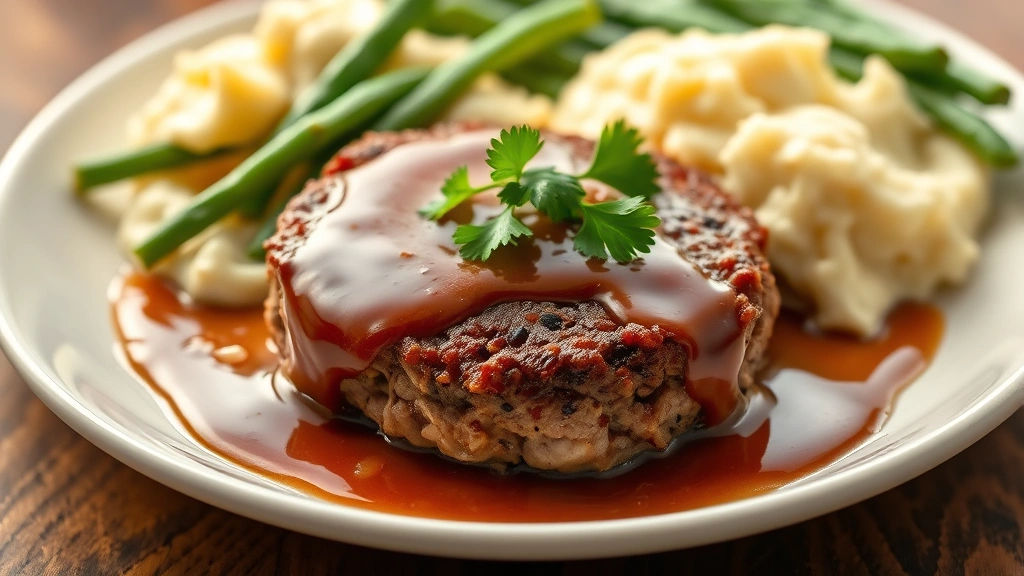
Retro Salisbury Steak: Chef’s Secret Recipe for Old-Fashioned Comfort
There’s something undeniably nostalgic about a perfectly crafted Salisbury steak that transports us back to simpler times, when home-cooked meals were the centerpiece of family gatherings and culinary traditions. This classic American comfort food, with its rich brown gravy and tender beef patties, represents an era when cooking was both an art form and a labor of love. The old fashioned Salisbury steak recipe has endured through generations, remaining a beloved staple on dinner tables across the country, proving that some flavors truly are timeless.
What makes a Salisbury steak truly exceptional is not just the quality of ingredients, but the technique and passion behind its preparation. Many home cooks today are rediscovering the magic of this retro dish, seeking ways to recreate the authentic flavors their grandmothers perfected decades ago. This comprehensive guide unveils the chef’s secrets to crafting an outstanding Salisbury steak that rivals any diner classic, complete with detailed instructions, expert tips, and the wisdom of culinary tradition.
Understanding Salisbury Steak Heritage
The Salisbury steak emerged from the Victorian era, named after Dr. James Henry Salisbury, a 19th-century physician who recommended ground beef preparations for their digestive benefits. However, the dish as we know it today—a flattened patty served with rich gravy—became an American institution during the mid-20th century. Understanding this heritage helps us appreciate why the recipe has remained virtually unchanged for decades, and why deviating from traditional methods often results in inferior results.
The beauty of this retro comfort food classic lies in its simplicity and elegance. Unlike trendy modern dishes that prioritize novelty, Salisbury steak succeeds through tried-and-tested fundamentals. The combination of ground beef, breadcrumbs, eggs, and seasonings creates a foundation that has withstood the test of time. When you explore different culinary styles, you’ll find that classic recipes like this one transcend temporary trends, much like timeless fashion pieces.
The dish gained particular prominence in American restaurants during the 1950s and 1960s, becoming a staple of diners, family restaurants, and home kitchens alike. This era represented the golden age of comfort food, when hearty, satisfying meals were celebrated rather than questioned. Today, revisiting this recipe allows us to reconnect with culinary authenticity and the satisfaction of creating something genuinely delicious from basic ingredients.
Essential Ingredients for Authentic Flavor
Creating an exceptional Salisbury steak begins with selecting quality ingredients. The foundation of this dish relies on several key components that work together to produce authentic, memorable flavors. Each ingredient plays a specific role in the final result, and understanding these functions helps you make informed substitutions if necessary.
Ground beef forms the heart of your Salisbury steak. Professional chefs recommend using 80/20 ground beef—80 percent lean meat and 20 percent fat. This ratio ensures your patties remain moist and flavorful during cooking, preventing the dry texture that results from using leaner meat. Some premium butchers offer specially ground beef specifically for Salisbury steaks, which often includes a small percentage of ground pork for additional flavor depth.
The binding ingredients—breadcrumbs and eggs—are equally crucial. Fresh breadcrumbs work better than panko or store-bought varieties, as they integrate more seamlessly into the meat mixture and create a tender texture. Use one egg per pound of ground beef, whisking it thoroughly before incorporating it into your mixture. Many experienced cooks add a splash of milk-soaked breadcrumbs, creating a panade that keeps the meat exceptionally moist.
Seasonings should include kosher salt, freshly ground black pepper, garlic powder, onion powder, and Worcestershire sauce. Some chefs add a pinch of nutmeg—a secret ingredient that adds subtle depth without being identifiable. Fresh minced onion, finely grated, contributes moisture and flavor. Never skip the Worcestershire sauce; this umami-rich ingredient is fundamental to authentic Salisbury steak flavor.
For the brown gravy, you’ll need beef broth, butter, flour, and additional seasonings. Quality beef broth makes an enormous difference; homemade stock is ideal, but superior commercial options exist. The gravy should be rich, glossy, and deeply flavored—not thin or watery.
The Chef’s Secret Preparation Method
The preparation process separates good Salisbury steaks from exceptional ones. This section reveals professional techniques that home cooks rarely know, but chefs have perfected over years of practice.
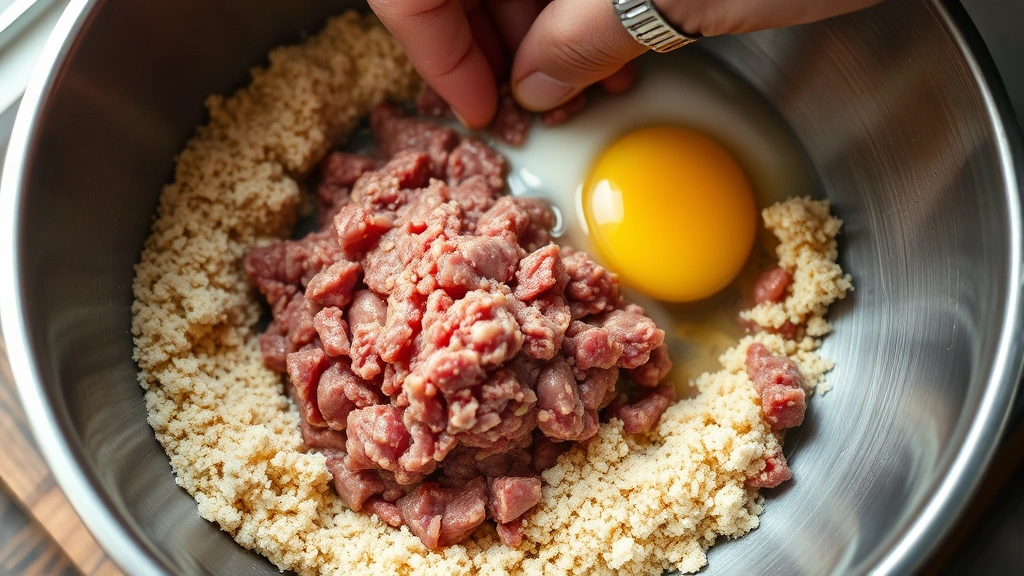
Mixing the meat mixture requires a delicate touch. Combine your ground beef with breadcrumbs, eggs, minced onion, and seasonings in a large bowl. Using your hands, gently incorporate everything until just combined—overmixing develops gluten in the breadcrumbs, resulting in dense, tough patties. The mixture should hold together loosely, with visible bits of meat rather than a homogeneous paste.
Shaping the patties demands precision. Divide your mixture into four equal portions, then gently form each into a patty approximately one-half inch thick and four inches wide. Flatten them slightly—thinner patties cook more evenly and develop better browning. Create a small dimple in the center with your thumb; this prevents the patties from puffing up during cooking. Some chefs lightly dust patties with flour before cooking, which helps develop a superior crust.
The resting period is often overlooked but incredibly important. Refrigerate your shaped patties for at least 30 minutes before cooking. This allows the mixture to set, preventing them from falling apart during cooking. Many professional kitchens prepare patties hours in advance, refrigerating them until service time.
When you’re ready to cook, bring patties to room temperature for about 10 minutes. This ensures even cooking throughout. Pat them dry with paper towels—moisture on the surface prevents proper browning. As you develop your personal cooking style, you’ll discover these seemingly small details create significant differences in final results.
Crafting the Perfect Brown Gravy
The gravy is arguably more important than the patties themselves—it’s what transforms Salisbury steak from simple ground beef patties into something special. A restaurant-quality brown gravy requires attention to detail and proper technique.
Building the roux begins after you’ve removed the cooked patties from your skillet. Leave approximately two tablespoons of pan drippings and fat in the pan. Over medium heat, whisk in two tablespoons of flour, stirring constantly for 1-2 minutes. This creates a blonde roux that will thicken your gravy. Don’t let it brown too much or taste burnt.
Adding the liquid must be done gradually to prevent lumps. Slowly pour in two cups of beef broth while whisking continuously. Start with just a splash to create a smooth slurry before adding the remaining broth. Continue whisking until the mixture reaches a gentle simmer. The gravy should coat the back of a spoon but still flow easily—not too thick or too thin.
Seasoning and finishing require tasting as you go. Add Worcestershire sauce, additional salt, pepper, and a touch of garlic powder. Some chefs add a pinch of sugar to balance acidity and deepen the savory notes. A small knob of butter whisked in at the end adds richness and shine. The gravy should be dark brown, glossy, and deeply savory.
For an extra-special touch, add a splash of red wine or a teaspoon of tomato paste to the gravy. These additions add complexity and depth that elevates the dish beyond basic diner food. Simmer the gravy for at least 5 minutes to allow flavors to meld completely.
Cooking Techniques for Optimal Results
The cooking method significantly impacts your final result. Professional chefs use specific techniques to ensure perfectly cooked Salisbury steaks with beautiful browning and tender, juicy interiors.
Pan selection matters more than many home cooks realize. Use a heavy-bottomed skillet—cast iron or stainless steel both work excellently. Avoid non-stick pans, which don’t develop the same quality crust. A 12-inch skillet accommodates all four patties comfortably without crowding.
Heat and oil are crucial. Preheat your skillet over medium-high heat until it’s quite hot—you should see wisps of smoke from the oil. Use a neutral oil with a high smoke point, such as vegetable, canola, or avocado oil. Add approximately two tablespoons of oil to the hot pan, swirling to coat evenly.
Searing the patties should be done in batches if necessary, avoiding crowding. Place patties in the hot oil and resist the urge to move them for the first 3-4 minutes. This uninterrupted contact develops a beautiful golden-brown crust through the Maillard reaction. Flip and cook the other side for another 3-4 minutes. The patties should be well-browned but not cooked completely through at this point.
Finishing in the oven is the professional method for ensuring even cooking. Transfer your seared patties to a 350°F oven for 10-12 minutes while you prepare the gravy. This gentle, indirect heat cooks the interior without overcooking the exterior. Alternatively, reduce heat to medium-low and simmer the patties in the gravy for 10-15 minutes.
Use a meat thermometer to verify doneness—internal temperature should reach 160°F. Avoid pressing on the patties while cooking; this squeezes out juices and results in dry meat.
Serving Suggestions and Pairings
Salisbury steak is traditionally served with classic side dishes that complement its rich flavors. Understanding proper serving methods enhances the entire dining experience.
Mashed potatoes are the traditional accompaniment, providing a neutral base that soaks up the delicious gravy. Creamy, buttery mashed potatoes—not smooth purée—work best. Some cooks add roasted garlic or a touch of sour cream for additional flavor.
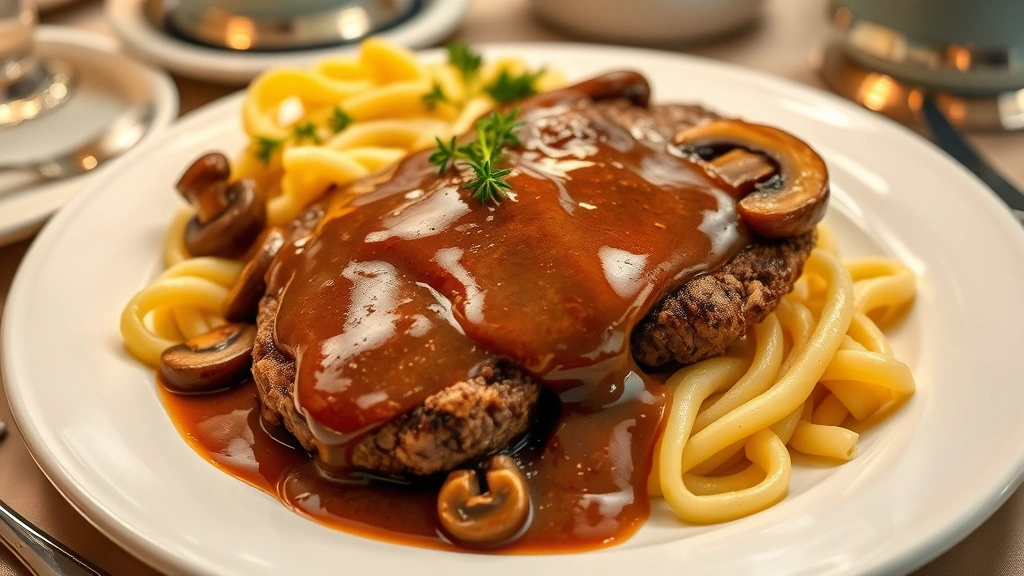
Egg noodles offer an alternative to potatoes, providing a slightly richer, more indulgent base. Wide egg noodles work better than thin ones, as they better support the weight of gravy.
Vegetables should be simple and classic. Steamed or sautéed green beans, peas, or corn all work beautifully. Avoid vegetables with strong flavors that might compete with the Salisbury steak. Roasted mushrooms, sautéed in butter with garlic, add elegance without overwhelming the dish.
Presentation matters. Place the Salisbury steak off-center on the plate, with mashed potatoes or noodles on one side. Spoon gravy over the steak and potatoes generously—this is not a dish for restraint. A small mound of vegetables completes the composition. Garnish with fresh parsley for color and a modern touch.
For elegant entertaining, serve Salisbury steak family-style on a platter, allowing guests to serve themselves. This presentation celebrates the dish’s homey, welcoming nature.
Modern Twists on a Classic Dish
While honoring tradition is important, creative variations allow you to personalize this classic recipe. Understanding the fundamentals enables confident experimentation.
Mushroom variations are a natural enhancement. Finely mince sautéed mushrooms and mix them into the meat mixture, or sauté sliced mushrooms to add to the gravy. Cremini, shiitake, or a combination creates depth and umami richness.
Herb-infused versions incorporate fresh herbs like thyme, rosemary, or sage into the meat mixture or gravy. A tablespoon of fresh herbs adds sophisticated flavor without overshadowing the classic taste.
Wine-based gravies substitute red wine for some of the beef broth, creating a more refined sauce. This variation works particularly well for special occasions or entertaining guests.
Cheese additions can be subtle or pronounced. Some cooks mix grated Parmesan into the meat mixture, while others top finished patties with a slice of melted Swiss or cheddar cheese.
Exploring culinary inspiration and ideas helps you discover variations that appeal to your palate. The key is maintaining the dish’s essential character while adding personal touches that reflect your individual creative vision.
Many home cooks find that understanding classic foundations allows them to innovate confidently, knowing which elements are essential to preserve and which can be adapted.
FAQ
Can I prepare Salisbury steak patties in advance?
Absolutely. Shape patties up to 24 hours ahead, covering them with plastic wrap and refrigerating. You can even freeze them for up to three months. Thaw in the refrigerator before cooking, bringing them to room temperature just before searing.
What’s the difference between Salisbury steak and a hamburger?
Salisbury steak contains breadcrumbs and egg binder, making it softer and more tender than a hamburger. The preparation method and serving style also differ—Salisbury steak is served with gravy, while hamburgers are typically served on buns with toppings.
Can I make this recipe with ground turkey or lean beef?
You can, though results won’t be identical. Ground turkey produces a leaner patty; add an extra egg and a tablespoon of oil to the mixture to compensate. The dish will be less rich but still delicious. Avoid extremely lean beef, which produces dry results.
How do I prevent Salisbury steak patties from falling apart?
Ensure proper mixing—not overmixed—and refrigerate shaped patties for at least 30 minutes before cooking. Don’t flip them too early; allow a good crust to develop. Pat them dry before cooking, and handle them gently with a spatula rather than tongs.
What if my gravy is too thin?
Make a slurry by mixing a tablespoon of cornstarch with two tablespoons of cold water, then whisk it into the simmering gravy. Alternatively, continue simmering to reduce and thicken naturally, though this takes longer.
Can this dish be made in a slow cooker?
Yes. Sear the patties in a skillet first, then transfer to a slow cooker with the gravy. Cook on low for 4-5 hours or high for 2-3 hours. While convenient, this method doesn’t develop the same quality crust as stovetop cooking.
What wine pairs well with Salisbury steak?
Medium-bodied red wines like Pinot Noir or a lighter Cabernet complement the dish beautifully. Alternatively, a rich amber ale or a classic lager provides excellent pairing options for beer enthusiasts.