How to Modernize Vintage Fashion? Expert Advice
Vintage fashion represents more than just nostalgia—it’s a treasure trove of timeless design, exceptional craftsmanship, and sustainable style choices. In today’s fast-paced fashion world, the art of modernizing vintage pieces has become essential for creating a wardrobe that feels both authentic and contemporary. Whether you’re a seasoned thrifter or just beginning to explore vintage collections, understanding how to blend old-world charm with current trends will elevate your personal style and set you apart from mainstream fashion.
The beauty of modernizing vintage fashion lies in its versatility and eco-conscious appeal. Rather than relegating vintage finds to costume parties or themed events, today’s style-savvy individuals are incorporating heritage pieces into their everyday looks with confidence and creativity. This comprehensive guide will walk you through expert strategies for transforming vintage treasures into modern wardrobe staples that reflect your unique aesthetic and fashion sensibilities.
Understanding Vintage Fashion Categories
Before you can effectively modernize vintage fashion, it’s crucial to understand the different eras and styles that fall under the vintage umbrella. Vintage typically refers to clothing and accessories that are at least 20-30 years old, though some fashion experts extend this definition to include pieces from any past decade. Each era—from the 1920s flapper dresses to 1990s minimalism—carries distinct design elements, silhouettes, and fabrication techniques that define its character.
The 1940s and 1950s brought us structured silhouettes, bold prints, and impeccable tailoring that remains highly sought after by modern fashion enthusiasts. The 1960s introduced mod aesthetics, geometric patterns, and youthful energy that continues to inspire contemporary designers. Meanwhile, the 1970s gifted us bohemian influences, earth tones, and flowing fabrics that naturally align with today’s sustainability-focused fashion movement. Understanding these distinctions helps you select pieces with modernization potential and ensures you’re working with quality vintage items worth the investment.
Learning about the complete fashion history timeline provides invaluable context for understanding how vintage pieces fit into broader fashion narratives. This knowledge empowers you to make informed decisions about which vintage items deserve space in your wardrobe and how to position them within contemporary style frameworks.
Key Principles for Modernizing Vintage Pieces
The fundamental principle of modernizing vintage fashion is strategic integration rather than wholesale adoption. The goal isn’t to dress entirely in vintage but to thoughtfully incorporate heritage pieces that enhance your overall aesthetic. Start by identifying one or two vintage items per outfit—perhaps a vintage blazer paired with modern denim, or a classic vintage dress accessorized with contemporary sneakers. This balanced approach prevents your look from feeling costume-like while celebrating the unique qualities of vintage fashion.
Quality should always be your primary consideration when selecting vintage pieces to modernize. Examine seams, zippers, fabric integrity, and construction methods carefully. High-quality vintage items from reputable designers or well-made pieces from established manufacturers will withstand modern styling and maintain their value. As you explore your personal style journey, vintage pieces become anchors that reflect your authentic aesthetic preferences and values.
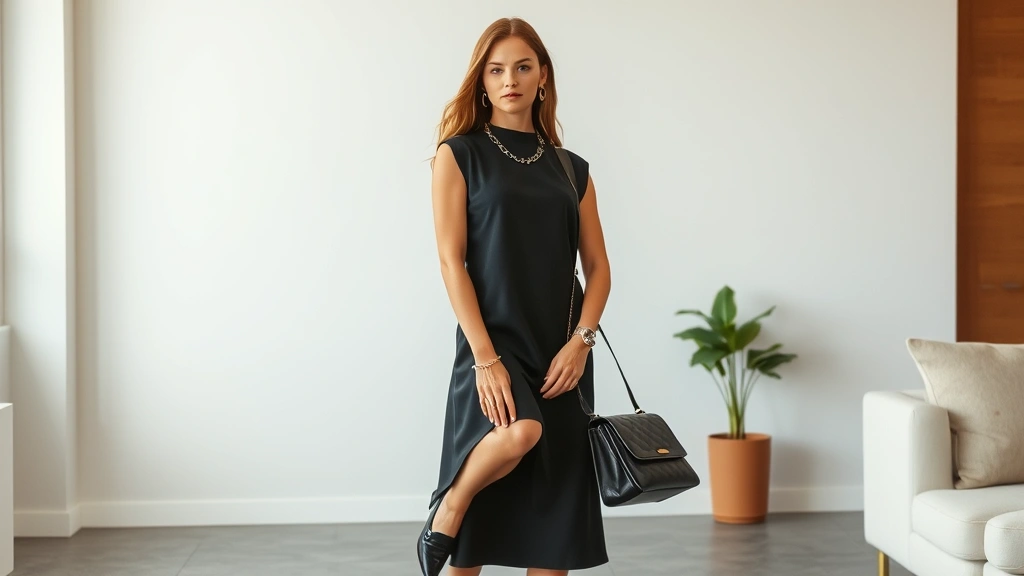
Another essential principle involves recognizing which vintage elements translate well to modern contexts. A perfectly tailored 1960s shift dress can be worn with contemporary footwear and minimal accessories for an effortlessly chic look. A vintage leather jacket from the 1980s pairs beautifully with modern athleisure pieces. Conversely, some vintage items—like heavily embellished evening wear or overly specific trend pieces—may be harder to integrate into modern wardrobes without appearing dated or costume-inspired.
Consider consulting Vogue’s fashion editorial perspective on how contemporary stylists are incorporating vintage elements. Modern fashion publications frequently showcase how professional stylists blend eras, providing inspiration and validation for your modernization efforts. This expert guidance demonstrates that mixing vintage with contemporary is not only acceptable but celebrated in fashion circles.
Styling Techniques That Work
The most effective way to modernize vintage pieces is through intentional styling that highlights their best qualities while grounding them in present-day fashion. Layering represents one of the most versatile techniques—wearing a vintage slip dress over a modern long-sleeve shirt, or layering a vintage cardigan over contemporary basics creates visual interest while updating the overall aesthetic. This approach allows vintage pieces to coexist harmoniously with current wardrobe staples.
Proportion mixing is another powerful styling tool. Pair a vintage oversized blazer with fitted modern trousers, or style a vintage fitted dress with contemporary boyfriend jeans and an oversized sweater. These contrast-based combinations prevent vintage pieces from dominating your silhouette and create dynamic, fashion-forward looks. The interplay between different proportions keeps outfits visually engaging and prevents them from appearing costume-like or overly nostalgic.
Footwear choices dramatically influence how vintage pieces read in modern contexts. Pairing a vintage 1950s dress with modern sneakers, minimalist flats, or contemporary heeled boots immediately signals that you’re making an intentional style statement rather than wearing vintage as a gimmick. Similarly, choosing modern jewelry, bags, and accessories anchors vintage pieces in the present day. These styling choices communicate confidence and fashion awareness to observers.
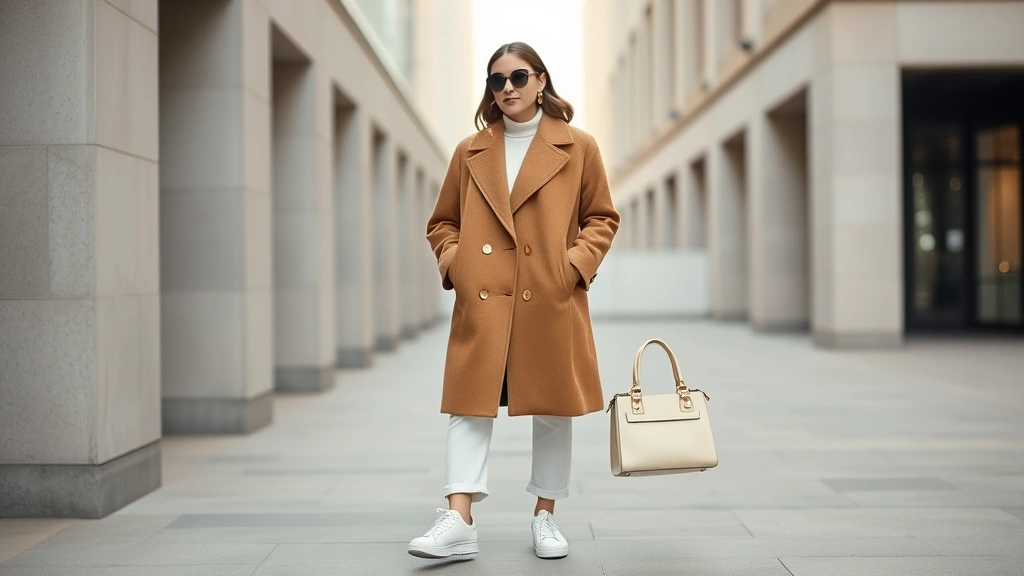
Monochromatic styling—wearing vintage and modern pieces in the same color family—creates cohesive looks that feel contemporary rather than mixed-era. A vintage camel-colored coat paired with modern camel trousers and cream-toned accessories feels sophisticated and intentional. This technique minimizes visual chaos and allows individual pieces to shine within a unified color story.
Explore current fashion trends for women over 50 to discover how mature, sophisticated stylists are modernizing vintage pieces. Many women in this demographic have been collecting vintage fashion for decades and have developed masterful approaches to integration that feel age-appropriate and contemporary.
Tailoring and Alterations for Perfect Fit
One of the most transformative ways to modernize vintage fashion is through professional tailoring and strategic alterations. Vintage pieces often don’t fit modern bodies perfectly—sizing standards have changed significantly, and body shapes have evolved. Working with a skilled tailor can adjust hems, take in seams, adjust sleeve length, or modify necklines to create a contemporary silhouette that flatters your frame.
Hemming represents the most common and impactful alteration for vintage pieces. A vintage maxi dress hemmed to midi or knee length immediately feels more current and versatile. Similarly, shortening sleeves on vintage blazers or shirts modernizes the proportions and prevents the piece from appearing oversized or dated. These adjustments require minimal investment but dramatically transform how vintage pieces integrate into modern wardrobes.
Neckline modifications can also modernize vintage pieces significantly. A high-necked vintage blouse can be altered to a modern V-neck or scoop neck, making it feel contemporary while preserving the quality craftsmanship and fabric of the original piece. However, approach structural changes cautiously—ensure the garment can accommodate the alteration without compromising its integrity or unique vintage character.
Professional tailors familiar with vintage garments understand the delicate nature of older fabrics and construction methods. They can work with delicate silks, vintage linings, and fragile seams without damaging the piece. Investing in quality tailoring ensures your vintage pieces not only fit perfectly but also remain structurally sound for years of wear. This approach demonstrates commitment to sustainable fashion and responsible consumption.
Color Coordination and Fabric Pairing
Strategic color coordination dramatically influences how vintage pieces read in modern contexts. While vintage fashion often featured bold, saturated colors and distinctive color combinations, contemporary fashion frequently emphasizes neutral palettes with strategic color accents. Incorporating vintage pieces into neutral-based outfits creates balance and prevents the look from feeling entirely rooted in a specific era.
However, don’t shy away from vintage color palettes entirely. The jewel tones popular in 1970s fashion—emerald, sapphire, and ruby—remain deeply fashionable today. Vintage pieces in these colors pair beautifully with modern neutrals and feel utterly contemporary. Similarly, the soft pastels of 1950s fashion have experienced significant revival in recent years, making vintage pieces in these shades exceptionally relevant to current trends.
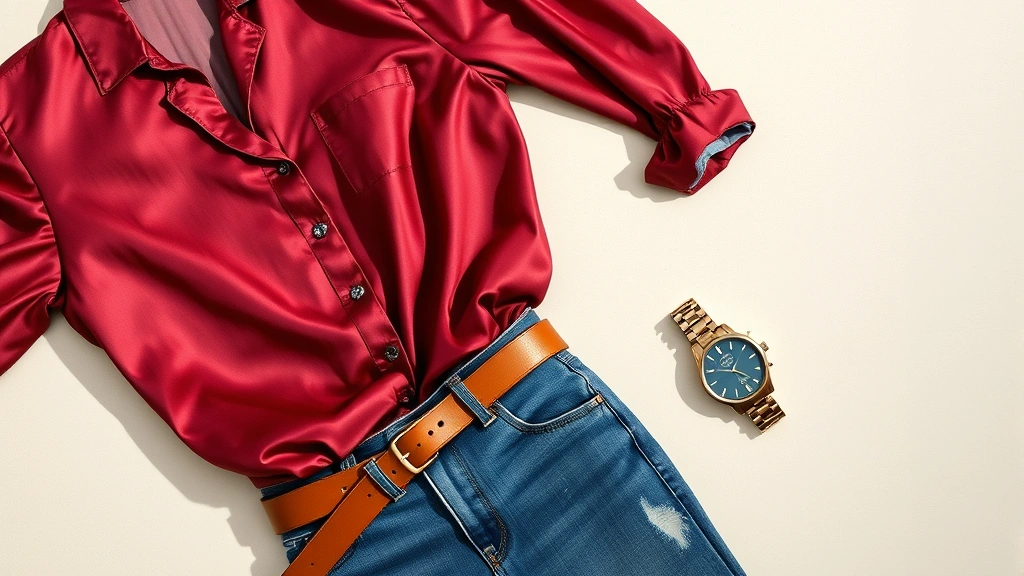
Fabric pairing influences the overall aesthetic of mixed-era outfits significantly. Combining a vintage silk blouse with modern denim creates an interesting texture contrast that feels intentional and fashion-forward. Pairing a vintage wool blazer with contemporary knit trousers creates visual and tactile interest. These fabric combinations demonstrate thoughtful styling and prevent outfits from appearing mismatched or haphazard.
Consider the weight and drape of vintage fabrics when pairing them with modern pieces. Vintage pieces often feature heavier, more structured fabrics than contemporary clothing. Balancing a heavy vintage piece with lighter modern items prevents your overall silhouette from appearing bulky or costume-like. This balance maintains visual lightness and contemporary appeal regardless of the vintage piece’s era or style.
Understanding current color trends and how they intersect with vintage palettes strengthens your modernization strategy. Research contemporary fashion publications and fashion trend discussions on social platforms to understand which vintage color combinations feel current. This research ensures your vintage pieces integrate seamlessly into modern style narratives rather than appearing isolated or nostalgic.
Accessorizing Vintage Finds
Accessories represent the most powerful tool for modernizing vintage pieces and grounding them in contemporary fashion. The right accessories can transform how a vintage item reads—a 1970s dress accessorized with modern minimalist jewelry and contemporary footwear feels entirely different from the same dress paired with period-appropriate accessories. This principle applies across all vintage eras and styles.
Modern jewelry choices—whether minimalist gold pieces, contemporary silver designs, or current statement jewelry trends—immediately signal that you’re styling vintage intentionally rather than recreating a past era. Geometric jewelry, oversized earrings, and architectural necklaces from contemporary designers pair surprisingly well with vintage clothing, creating interesting temporal contrasts that feel fashion-forward and deliberate.
Footwear choices deserve particular attention when modernizing vintage pieces. Modern sneakers, contemporary heeled boots, sleek loafers, or current sandal styles all ground vintage pieces in the present day. This approach prevents vintage clothing from appearing costume-like and demonstrates that you’re making intentional style choices. The juxtaposition between vintage fabric and modern footwear creates visual interest and contemporary relevance.
Bags and belts offer additional opportunities for modernization. A vintage dress paired with a modern structured handbag and contemporary belt feels cohesive and intentional. These accessories anchor the vintage piece in current fashion while allowing its unique qualities to shine. Choose accessories in colors and styles that reflect contemporary trends rather than complementing the vintage piece’s original era.
Scarves, hats, and other accessories provide layering opportunities that modernize vintage pieces while adding personality and style. A vintage blouse styled with a contemporary silk scarf or modern baseball cap feels updated and fashion-aware. These accessories demonstrate that you’re engaging with vintage fashion thoughtfully rather than treating it as historical recreation.
Building a Cohesive Vintage-Modern Wardrobe
Creating a wardrobe that seamlessly blends vintage and modern pieces requires strategic planning and intentional curation. Rather than randomly collecting vintage items, develop a framework that guides your purchases. Consider your color palette, silhouette preferences, lifestyle needs, and aesthetic values. This framework ensures that vintage pieces you acquire will integrate smoothly with existing wardrobe items and support your overall style vision.
Establish a foundation of quality modern basics—well-fitting jeans, neutral tops, structured blazers, and versatile footwear. These contemporary staples serve as anchors that allow vintage pieces to shine without competing for visual attention. The combination of reliable modern basics with distinctive vintage pieces creates balanced, sophisticated outfits that feel both timeless and contemporary.
Develop a vintage acquisition strategy focused on quality, condition, and versatility. Prioritize pieces that address specific wardrobe gaps or opportunities—perhaps a perfectly tailored vintage blazer that elevates your professional wardrobe, or a vintage silk slip dress that transitions seamlessly from day to evening wear. This strategic approach prevents impulse purchases and ensures every vintage piece serves a purpose within your overall wardrobe ecosystem.
Explore Style Loom Daily’s fashion insights for inspiration on building cohesive personal wardrobes that integrate vintage and contemporary pieces. Fashion experts frequently discuss wardrobe architecture and how to develop a unified aesthetic across multiple eras and styles. These resources provide frameworks for thinking about vintage-modern integration systematically rather than haphazardly.
Document your vintage-modern combinations through photography or journaling. This practice helps you recognize successful pairings, understand which vintage pieces work hardest in your wardrobe, and identify gaps that could be filled with additional vintage acquisitions. Over time, you’ll develop intuitive understanding of which vintage items integrate smoothly into your personal style ecosystem.
Shopping Smart for Vintage Pieces
Successful vintage shopping requires knowledge, patience, and strategic decision-making. Begin by understanding where to source quality vintage pieces—reputable vintage boutiques, authenticated online platforms, estate sales, and specialized vintage dealers offer better quality control than general thrift stores. While thrift store shopping can yield occasional treasures, boutique vintage sources typically offer curated selections, detailed provenance information, and quality guarantees.
Develop expertise in recognizing quality markers that indicate a vintage piece deserves investment. Examine seams, hems, and construction details carefully. Quality vintage pieces feature even stitching, reinforced seams, and thoughtful construction that reflects the era’s craftsmanship standards. Familiarize yourself with designer names, labels, and manufacturers known for exceptional quality—this knowledge guides purchasing decisions and ensures you invest in pieces with longevity.
Consider sizing carefully when shopping vintage. Vintage sizing standards differ significantly from contemporary measurements, and fit varies considerably across eras and manufacturers. Know your measurements precisely and try pieces on whenever possible. If purchasing online, research seller return policies and sizing guidance carefully. Investing in professional tailoring for a perfect fit demonstrates commitment to modernizing vintage pieces effectively.
Authenticate pieces when purchasing from unfamiliar sources or high-value items. Understanding how to verify designer claims, identify counterfeit pieces, and recognize authentic vintage construction protects your investment and ensures you’re acquiring genuine vintage fashion. Many luxury fashion platforms now feature authenticated vintage sections, offering quality assurance and expert curation.
Set realistic budgets for vintage shopping and resist emotional purchasing. The most successful vintage wardrobes develop gradually through thoughtful acquisition rather than impulse buying. Establish spending limits, create wish lists, and allow time for careful consideration before purchasing. This disciplined approach ensures your vintage pieces integrate meaningfully into your wardrobe rather than becoming expensive mistakes.
Consider sustainability and ethical consumption when shopping vintage. Purchasing vintage pieces extends garment lifecycles, reduces fashion waste, and minimizes your environmental impact. This conscious consumption approach aligns with contemporary values and provides meaningful context for vintage fashion in your wardrobe. Understanding that you’re making sustainable choices enhances the satisfaction and meaning you derive from wearing vintage pieces.
FAQ
How do I know if a vintage piece is actually vintage?
Authentic vintage pieces typically feature characteristics that distinguish them from reproduction items: original labels with period-appropriate fonts and designs, construction methods consistent with their purported era, fabric composition that aligns with historical production, and natural aging patterns including patina, fading, or wear consistent with age. Research specific designers, manufacturers, and eras to develop authentication expertise. Reputable vintage dealers provide detailed information about item provenance and construction details that support authenticity claims.
Can I wear vintage pieces to professional settings?
Absolutely. Many professionals successfully incorporate vintage pieces into workplace wardrobes, particularly well-tailored blazers, classic dresses, and quality accessories. The key is ensuring the vintage piece fits impeccably, appears well-maintained, and integrates seamlessly with contemporary professional dress codes. A vintage Chanel-style jacket or a perfectly tailored vintage dress demonstrates sophistication and style awareness in professional contexts. Pair vintage pieces with modern accessories and grooming to ensure they read as intentional style choices rather than costume pieces.
What vintage eras work best for modernization?
Generally, vintage pieces from the 1960s through 1990s integrate most smoothly into contemporary wardrobes because their construction, silhouettes, and fabrication remain relatively recognizable to modern sensibilities. Earlier eras (1920s-1950s) can be modernized successfully but often require more intentional styling to prevent costume-like appearances. Focus on selecting pieces with timeless silhouettes and quality construction rather than era-specific trend pieces. Classic blazers, well-made dresses, quality knitwear, and leather goods from any era offer strong modernization potential.
How much should I spend on vintage pieces?
Pricing for vintage fashion varies enormously based on designer, condition, rarity, and source. Budget-conscious shoppers can find quality vintage pieces for $15-50 at thrift stores, while rare designer vintage pieces command hundreds or thousands of dollars at specialty boutiques. Establish a personal budget based on your financial situation and the value you place on vintage fashion. Quality matters more than price—a well-made $40 vintage piece offers better value than a poorly constructed $200 item. Consider professional tailoring costs when budgeting for vintage acquisitions.
Should I dry clean vintage pieces?
Approach vintage garment care carefully, as older fabrics and construction methods may be delicate. Consult fiber content labels and construction details before dry cleaning. Many vintage pieces benefit from gentle hand washing or professional dry cleaning by specialists experienced with vintage garments. Avoid harsh chemicals and excessive cleaning, which can damage delicate fabrics and compromise original construction. When in doubt, consult professional vintage garment care specialists who understand how to preserve pieces while maintaining their integrity and appearance.
How do I style vintage pieces for casual versus formal occasions?
Styling context transforms how vintage pieces read. The same vintage dress can transition from casual to formal through accessory and footwear choices. For casual wear, pair vintage pieces with modern sneakers, minimal jewelry, and contemporary bags. For formal occasions, add elegant modern accessories, heeled shoes, and refined jewelry. Layering, proportion mixing, and accessory choices allow the same vintage piece to serve multiple contexts within your wardrobe, maximizing versatility and investment value.