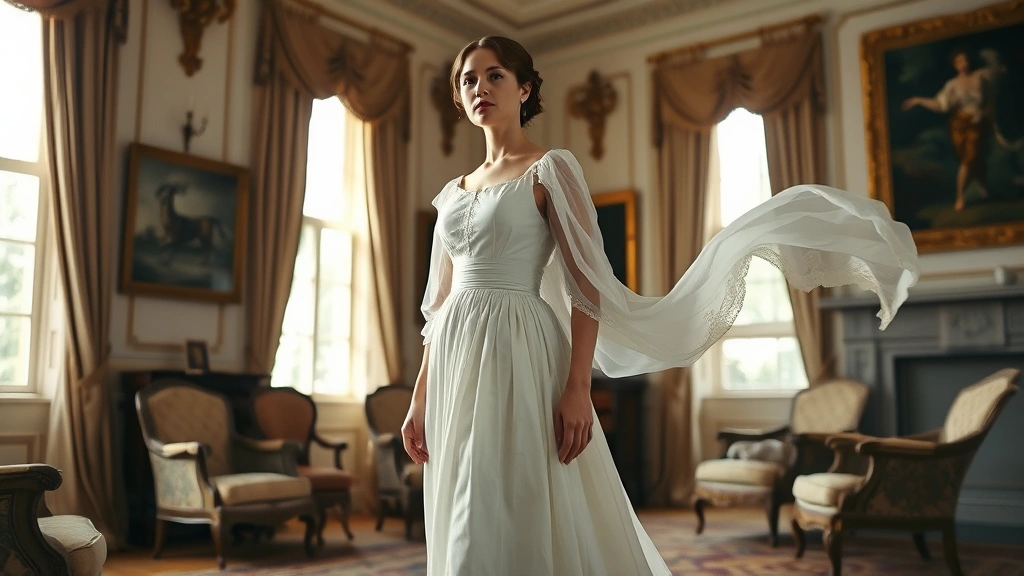
Regency Fashion: How to Nail the Look? A Historian’s View
The Regency era, spanning from 1811 to 1820, represents one of the most elegant and refined periods in fashion history. This transformative decade witnessed a dramatic shift from the heavy, ornate styles of the Georgian period to something altogether more refined and classically inspired. The influence of Jane Austen’s literary world, the Napoleonic Wars, and a fascination with ancient Greek and Roman aesthetics converged to create a distinctive silhouette that remains iconic today. Understanding fashion in Regency England requires appreciating not just the garments themselves, but the cultural, social, and historical contexts that shaped them.
Whether you’re a history enthusiast, costume designer, or simply someone drawn to timeless elegance, mastering Regency style opens a window into one of fashion’s most enchanting chapters. This comprehensive guide explores the essential elements that defined the era, from the empire waistline to delicate muslin fabrics, and provides practical insights into how modern fashion enthusiasts can authentically incorporate these elements into their contemporary wardrobes. Let’s journey back to ballrooms and drawing rooms to discover the secrets of Regency elegance.
Understanding the Regency Era Context
The Regency period takes its name from the formal regency of George, Prince of Wales, who assumed leadership due to his father King George III’s mental illness. However, the fashion trends associated with this era actually began earlier and extended slightly beyond the official regency dates. This was a time of unprecedented cultural flourishing in England, marked by literary achievements, architectural innovations, and a complete reimagining of how people dressed.
The Regency represented a rebellion against the excesses of the previous century. Where the 18th century favored voluminous skirts, tight corsets, and elaborate decorations, Regency designers embraced simplicity, elegance, and a return to classical ideals. This shift wasn’t merely aesthetic—it reflected Enlightenment philosophy and a growing appreciation for natural beauty. The period’s fashion was heavily influenced by archaeological discoveries of Pompeii and Herculaneum, which sparked widespread fascination with ancient Greek and Roman dress.
Understanding this historical backdrop is crucial for anyone seeking to authentically recreate Regency style. The fashion wasn’t created in a vacuum; it emerged from specific social, political, and intellectual movements. As you explore the complete fashion history timeline, you’ll see how Regency fashion serves as a pivotal moment in fashion evolution.
The Empire Waistline: The Defining Silhouette
If any single element defines Regency fashion, it’s the empire waistline. This revolutionary cut placed the waistband directly under the bust, allowing the fabric to flow loosely from that point downward. This silhouette was not only aesthetically stunning but also represented a fundamental change in how women’s bodies were presented and constrained.
The empire waist emerged from multiple influences: the neoclassical revival, practical considerations during pregnancy, and a philosophical shift toward celebrating the natural female form rather than artificially reshaping it. High-waisted gowns created an elongated, graceful line that emphasized height and elegance. The silhouette flattered a variety of body types and allowed for greater freedom of movement compared to previous fashions.
Creating an authentic empire waistline requires precision. The seam should sit approximately two to three inches below the natural bust, and the fabric from that point should drape in gentle, unbroken lines. Many modern reproductions fail because they place the waistline too high or allow too much gathering. The key is achieving that perfect balance between structure at the bust and flowing freedom below. When exploring types of fashion styles, you’ll discover how the empire waist influenced contemporary design.
Construction techniques for empire waistlines varied. Some gowns featured a separate bodice piece, while others utilized strategic gathering and shirring. The most authentic examples show careful attention to how fabric was manipulated to achieve the desired effect without excessive bulk. Narrow bias strips often reinforced the waistline, and delicate drawstrings sometimes allowed for adjustment.
Fabrics and Materials of the Period
Regency fashion was defined as much by its fabrics as by its silhouettes. The period celebrated lightweight, delicate materials that draped beautifully and allowed the natural movement of the body beneath. This represented a dramatic departure from the heavy brocades and stiff fabrics favored in previous decades.
Muslin reigned supreme during the Regency era. This lightweight cotton fabric, imported from India, became the most fashionable material for day and evening wear alike. Muslin’s affordability, versatility, and elegant drape made it accessible to various social classes while maintaining an air of refined sophistication. Fine quality muslin could be nearly transparent, creating ethereal gowns that seemed to float around the wearer.
Beyond muslin, Regency ladies wore gowns constructed from:
- Cambric—a fine, plain-weave cotton fabric similar to muslin but slightly crisper
- Jaconet—a sturdier cotton with a subtle sheen, perfect for day wear
- Silk—reserved for evening wear and special occasions, often in the form of crepe, satin, or taffeta
- Linen—used for undergarments, chemises, and occasionally for day dresses
- Lawn—a fine linen fabric prized for its delicate appearance
- Netting—used as overlays and for decorative effects
The texture and weight of these fabrics directly influenced the silhouette. Heavier silks created more structured lines, while lightweight muslins produced the floating, ethereal effect so prized in Regency fashion. Understanding fabric properties is essential for anyone attempting to authentically recreate Regency garments.
Fabric decoration techniques were equally important. Embroidery, particularly in white thread on white fabric, created subtle textural interest. Sprigged muslin, featuring small printed or woven motifs, was enormously popular. Vandyking (a decorative edging technique), appliqué, and gathering all served to embellish garments while maintaining the period’s overall aesthetic of refined elegance.
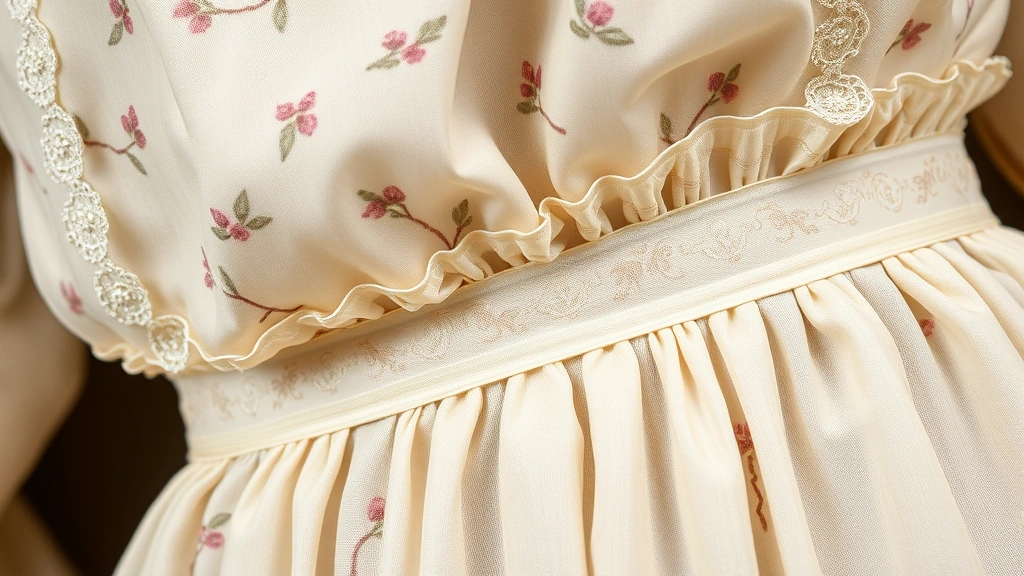
” alt=”Regency era muslin gown with empire waistline, delicate embroidery, and flowing skirt demonstrating authentic period silhouette and fabric choices” />
Color Palettes and Patterns
Regency color choices reflected both practical and aesthetic considerations. While we often imagine the era in pristine white, the reality was more nuanced and colorful than popular culture suggests.
White and cream dominated evening wear and represented the height of fashion sophistication. These colors required expensive maintenance, making them status symbols. The ability to keep white muslin clean and bright demonstrated wealth and leisure. However, this wasn’t the only option available to Regency women.
Day wear featured a broader spectrum of colors:
- Soft pastels—pale pink, lavender, pale yellow, and sky blue were universally flattering and fashionable
- Deeper jewel tones—emerald green, sapphire blue, and burgundy appeared in silk evening wear
- Earth tones—warm browns, warm grays, and warm golds for practical day dresses
- Black—reserved for mourning wear, which followed strict social protocols
Pattern choices reflected the period’s love of nature and classical simplicity. Sprigged designs featuring small flowers or botanical motifs were exceptionally popular. Striped muslins, particularly vertical stripes, created elegant lines that complemented the high waistline. Small geometric patterns, paisley influences from Indian imports, and subtle damask effects appeared frequently. However, large, bold patterns were generally avoided in favor of understated elegance.
The relationship between color and fabric weight was important. Lighter, more delicate colors typically appeared on lightweight day wear, while richer colors were reserved for heavier evening fabrics. This created a natural progression through a lady’s wardrobe based on occasion and season.
Essential Garments for Women
A complete Regency wardrobe consisted of multiple carefully coordinated pieces, each serving specific social purposes. Understanding these garments is essential for anyone seeking to master how to find your personal style within a historical framework.
The Chemise served as the foundational undergarment. Made from fine linen or cotton, this simple slip-like garment was worn directly against the skin under all other clothing. The chemise protected outer garments from perspiration and provided a smooth base layer. High necklines and long sleeves were standard, and the chemise extended to the knee or slightly below.
Stays and Corsets underwent significant transformation during the Regency. Unlike the heavily boned corsets of previous eras, Regency stays were relatively simple, providing gentle support to the bust while allowing the natural waistline to remain relatively high and uncinched. These were typically made with fewer bones and less rigid construction, reflecting the era’s philosophy of supporting rather than drastically reshaping the body.
Day Dresses represented the most important garment in a woman’s wardrobe. These high-waisted gowns featured long sleeves, modest necklines, and practical construction. Typically made from cotton or linen, day dresses were designed for comfort and functionality while maintaining elegant appearance. The length reached the ankle, and the silhouette emphasized vertical lines through strategic gathering and seaming.
Evening Gowns represented the pinnacle of Regency fashion. These elaborate creations featured:
- Delicate fabrics such as silk, crepe, or fine muslin
- Lower necklines revealing the shoulders and collarbone
- Short sleeves or sleeveless designs often accompanied by long gloves
- Elaborate embellishments including embroidery, beading, and appliqué
- Longer trains for formal occasions
- Strategic use of gauze overlays and decorative netting
Spencers and Pelisses served as essential outerwear. A spencer was a short jacket reaching only to the waistline, while a pelisse was a longer coat extending to the hem. These garments provided warmth while maintaining the elegant silhouette and often featured decorative braiding, fur trim, or contrasting fabrics.
Shawls and Wraps completed many outfits. Delicate silk shawls, paisley wraps, and cashmere pieces draped elegantly over the shoulders. These accessories were both practical and fashionable, allowing women to adjust their warmth while adding visual interest to their ensembles.
Men’s Regency Fashion
While women’s fashion underwent revolutionary changes during the Regency, men’s style also evolved, though more subtly. The period saw the rise of what historians call “Regency Dandyism,” exemplified by figures like Beau Brummell, who revolutionized men’s fashion through meticulous tailoring and refined simplicity.
The Coat and Tail dominated men’s fashion. The Regency coat featured a higher waistline than previous styles, cutaway front panels, and a more fitted silhouette. Tails extended to the back of the knees, and the coat featured elaborate buttons and careful tailoring. Colors ranged from dark blues and blacks to burgundies and bottle greens, with evening wear typically in darker shades.
Breeches and Pantaloons replaced the previous century’s knee breeches for many occasions. Pantaloons, fitted trousers extending to the ankle, gained popularity throughout the period. These were typically pale in color—cream, white, or pale yellow—and required careful tailoring to achieve the proper fit. Breeches remained acceptable for formal daytime wear and continued to be worn by older gentlemen.
Waistcoats provided important visual interest. These elaborate vests featured intricate embroidery, patterns, and sometimes contrasting colors. A gentleman might own numerous waistcoats and coordinate them carefully with his coats. The waistcoat extended to approximately mid-thigh and featured a high front cut that emphasized the chest.
Neckwear became increasingly elaborate. The cravat, a length of fabric wrapped and tied around the neck, became an art form. Beau Brummell reportedly spent hours perfecting his cravat arrangement. These ranged from simple mathematical folds to elaborate arrangements, and the skill with which a gentleman tied his cravat signaled his fashion awareness and social status.
Accessories completed the gentleman’s ensemble. Top hats, walking sticks, gloves, and carefully chosen jewelry demonstrated refinement and attention to detail. Boots, typically black and highly polished, were essential footwear, while shoes with buckles remained acceptable for less formal occasions.
Accessories and Finishing Touches
Regency fashion’s elegance extended beyond the primary garments to the carefully chosen accessories that completed each ensemble. These finishing touches were crucial for achieving authentic period style.
Bonnets and Hats were essential elements of a woman’s outfit. Bonnets featured deep brims that framed the face, often lined with silk and decorated with ribbons, feathers, or flowers. The strings tied under the chin, and the overall effect was both practical and charming. Hats varied from simple straw bonnets for day wear to elaborate creations for evening events.
Gloves served both practical and social functions. Long gloves extending past the elbow were standard for evening wear, while shorter gloves worked for day occasions. These were typically made from kid leather, silk, or cotton, and colors coordinated with the overall ensemble. Removing gloves was a significant social gesture, and proper glove etiquette was strictly observed.
Explore fashion accessories to understand how Regency pieces compare to modern options and where authentic reproductions can be found.
Jewelry remained relatively understated during the Regency. Delicate gold or silver pieces were preferred to heavy, ornate designs. Cameos, lockets, and simple pendants appeared frequently. Pearls were enormously popular, both as necklaces and as earrings. Rings, typically featuring gemstones set in simple bands, were worn on multiple fingers. The overall aesthetic favored elegance over ostentation.
Reticules and Bags provided practical storage. These small drawstring bags, made from silk, velvet, or tapestry fabric, hung from the wrist and held essential items like handkerchiefs, smelling salts, and jewelry. They became increasingly decorative as the period progressed, often featuring elaborate embroidery or beading.
Fans remained essential accessories, particularly for evening wear. These delicate implements, made from silk, lace, or paper stretched over ivory or bone frames, served practical purposes while allowing for subtle communication through the “language of fans.” A woman’s skill with her fan was part of her overall social presentation.
Footwear featured soft soles and delicate construction. Slippers with thin leather soles were standard for evening wear, while day shoes featured slightly more substantial construction. Colors typically coordinated with the dress, and embellishment through embroidery or beading was common for special occasions. The overall silhouette was narrow and pointed, emphasizing the delicate line of the foot.
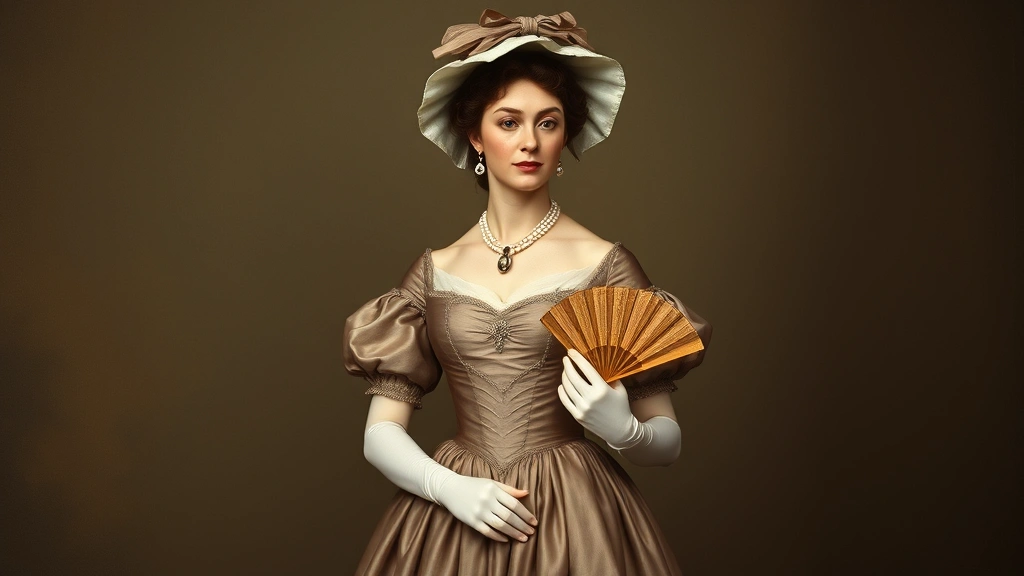
” alt=”Complete Regency ensemble with empire waist gown, delicate bonnet, long gloves, and accessories showing authentic period styling and finishing touches” />
How to Create a Modern Regency Wardrobe
For contemporary fashion enthusiasts seeking to incorporate Regency elements into modern style, the key is understanding core principles rather than attempting exact historical reproduction. This approach allows you to honor the aesthetic while maintaining practical, wearable clothing.
Start with the Silhouette. The empire waistline remains the most recognizable and wearable element of Regency fashion. Modern designers frequently incorporate high waistlines into contemporary designs, making it relatively easy to find pieces that capture this essential feature. Look for dresses, tunics, and tops that emphasize the bust and allow the fabric to flow freely below. This silhouette flatters numerous body types and creates an inherently elegant line.
Embrace Lightweight Fabrics. Seek out contemporary pieces made from cotton, linen, silk, and other natural fibers that echo the Regency preference for delicate materials. Avoid heavy fabrics and oversized silhouettes. Instead, look for pieces that drape gently and move with the body. This creates visual continuity with historical Regency aesthetics while remaining practical for modern life.
Curate a Refined Color Palette. Build your wardrobe around soft, sophisticated colors. Creams, whites, soft pastels, and jewel tones create a cohesive collection that feels both historically inspired and contemporary. Avoid overly bright or saturated colors in favor of more muted, elegant tones.
Incorporate Delicate Details. Look for subtle embroidery, lace trim, and refined embellishments. Modern fashion offers numerous pieces featuring delicate beading, embroidered details, and lace overlays that echo Regency aesthetics without feeling costume-like. These details add visual interest while maintaining the period’s emphasis on understated elegance.
Choose Fitted Outerwear. Spencers and pelisses translate beautifully into modern fitted jackets and cardigans. Look for structured pieces in complementary fabrics that create defined waistlines. Avoid oversized or slouchy outerwear, which contradicts the Regency aesthetic of refined tailoring.
Accessorize Thoughtfully. Incorporate period-appropriate accessories including long gloves, delicate jewelry, and elegant hats. Modern interpretations of Regency bonnets appear in contemporary fashion, and vintage or reproduction pieces remain available through specialty retailers. A carefully chosen bonnet or hat can instantly elevate an ensemble and signal historical awareness.
Invest in Quality Basics. Just as Regency women built their wardrobes around fine muslin chemises and quality stays, modern Regency-inspired wardrobes should feature excellent basic pieces. Invest in well-made cotton and linen basics that serve as foundations for more elaborate pieces.
Understanding StyleLoom Daily Blog posts about historical fashion can provide additional inspiration for creating cohesive, authentic-looking Regency-inspired ensembles that feel fresh and contemporary.
Mix Historical and Contemporary. The most successful modern Regency style blends historical elements with contemporary pieces. Pair a high-waisted Regency-inspired dress with modern shoes and accessories. Layer a fitted jacket over contemporary separates. This approach creates visually interesting outfits that honor the historical aesthetic while remaining practical and wearable.
Consider Occasion-Based Styling. Just as historical Regency fashion varied by occasion, modern Regency-inspired style should adapt to context. Day versions might feature simpler silhouettes and more practical fabrics, while evening interpretations can incorporate more elaborate embellishments and luxurious materials.
FAQ
What is the most iconic element of Regency fashion?
The empire waistline is undoubtedly the most iconic element of Regency fashion. Positioned directly under the bust with fabric flowing loosely below, this silhouette became synonymous with the era and remains instantly recognizable today. This design element influenced fashion for decades and continues to appear in contemporary collections.
Can I wear Regency-inspired fashion in everyday life?
Absolutely. Many Regency elements translate beautifully into contemporary wardrobes. High-waisted dresses, fitted jackets, delicate fabrics, and refined accessories can all be incorporated into modern outfits. The key is selecting pieces that feel wearable while maintaining the historical aesthetic’s essential characteristics.
Where can I find authentic Regency reproductions?
Numerous specialty retailers focus on historical costume reproduction, and many offer Regency pieces. Additionally, independent seamstresses and costume designers create custom Regency garments. Online communities dedicated to historical reenactment and cosplay provide excellent resources for locating quality reproductions. Explore best fashion design schools websites, as many feature alumni who specialize in historical costume design.
How did Regency fashion differ from Victorian fashion?
While both eras emphasized refinement and elegance, they differed dramatically in silhouette. Regency fashion featured high waistlines and flowing skirts, while Victorian fashion introduced the hourglass silhouette with cinched waists and full skirts supported by crinolines. Regency style celebrated simplicity and classical inspiration, while Victorian fashion embraced ornamentation and complexity.
What role did social class play in Regency fashion?
Social class significantly influenced fashion choices during the Regency. While the silhouette remained consistent across classes, the quality of fabrics, elaborateness of embellishments, and ability to maintain pristine white garments all signaled social status. Wealthy women wore fine silk and muslin with elaborate embroidery, while lower classes wore simpler cotton and fewer ornaments.
How did men’s and women’s Regency fashion differ?
Men’s Regency fashion emphasized tailoring, refined simplicity, and subtle elegance, exemplified by figures like Beau Brummell. Women’s fashion featured higher waistlines, flowing skirts, and more elaborate embellishments. However, both genders embraced the era’s philosophy of refined elegance over ornate excess.
What external influences shaped Regency fashion?
Archaeological discoveries of Pompeii and Herculaneum significantly influenced Regency aesthetics, inspiring classical silhouettes and decorative motifs. The Napoleonic Wars affected fabric availability and trade routes. Additionally, literary culture, particularly Jane Austen’s novels, reflected and influenced fashion choices, creating a sophisticated cultural moment where literature and fashion intersected.
Can I mix Regency and contemporary fashion elements?
Yes, successfully mixing historical and contemporary elements creates interesting, wearable outfits. A high-waisted Regency-inspired dress pairs beautifully with modern shoes and jewelry. A fitted Regency-style jacket works over contemporary separates. The key is maintaining visual balance and ensuring the overall effect feels intentional rather than haphazard.
What fabrics should I prioritize when building a Regency-inspired wardrobe?
Prioritize natural fibers including cotton, linen, and silk. These materials echo Regency preferences while offering practical wearability in modern contexts. Look for lightweight, breathable fabrics that drape elegantly. Avoid heavy synthetics and overly structured materials that contradict the period’s aesthetic of refined simplicity.