How to Rock 80s Male Fashion: Expert Guide to Iconic 80s Style
The 1980s was an era of bold self-expression, neon colors, and unapologetic attitude. For men’s fashion, this decade represented a complete departure from the minimalist aesthetics of previous years. Whether you’re drawn to the power-dressing Wall Street look, the rebellious punk aesthetic, or the colorful new wave vibe, 80s male fashion offers endless possibilities for creating a striking personal style. The beauty of 80s fashion is that it’s not about blending in—it’s about standing out with confidence and personality.
Today, 80s fashion has made a major comeback in contemporary style, with designers and fashion enthusiasts celebrating the decade’s fearless approach to menswear. From oversized blazers to geometric patterns, leg warmers to leather jackets, the 80s aesthetic continues to influence modern fashion. This comprehensive guide will help you understand the key elements of 80s male fashion and teach you how to authentically recreate these iconic looks while making them work for your modern lifestyle.
Core Elements of 80s Male Fashion
Understanding the foundation of 80s male fashion is essential before you start assembling your wardrobe. The decade was characterized by excess, boldness, and a rejection of subtle sophistication. Power dressing emerged as a dominant trend, influenced by the rise of ambitious young professionals in corporate America. This meant tailored blazers with exaggerated shoulders, high-waisted trousers, and statement pieces that commanded attention in any room.
The shoulder pad became the defining silhouette of the era. Whether incorporated into blazers, leather jackets, or even casual t-shirts, broad shoulders conveyed strength and authority. Men would layer oversized jackets over fitted shirts, creating a distinctive triangular shape that dominated boardrooms and nightclubs alike. This architectural approach to tailoring made even average-built men appear more commanding and powerful.
Beyond corporate fashion, the 80s also saw the rise of athletic wear as everyday clothing. Tracksuits, windbreakers, and sneakers became acceptable attire for casual settings. This democratization of fashion meant that men could express themselves through sporty, casual pieces just as much as through formal wear. Different fashion styles from this era continue to influence how we dress today, proving the staying power of 80s aesthetics.
Denim also played a crucial role in 80s menswear. Acid-washed jeans, distressed denim, and denim jackets were everywhere. Men would layer denim on denim, pair denim with leather, or wear denim with metallics and bold prints. This casual rebellion against traditional dress codes made denim a cornerstone of authentic 80s style.
Iconic 80s Silhouettes and Fits
The silhouettes of the 80s were dramatically different from what came before and after. Everything was bigger, bolder, and more exaggerated. Oversized blazers were worn intentionally loose, often several sizes larger than your actual size. The goal wasn’t to fit your body perfectly—it was to create an impression of power and presence. Pair these blazers with slim or tapered trousers to create contrast and balance.
Leather jackets experienced a major resurgence during this decade, particularly in rock, punk, and new wave subcultures. The classic motorcycle jacket became a symbol of rebellion and coolness. Men would wear these jackets with everything from formal suits to casual jeans, proving the versatility of this iconic piece. A well-worn leather jacket became a status symbol that conveyed attitude and street credibility.
Parachute pants and cargo pants with numerous pockets became popular, especially in hip-hop and street fashion. These pants featured an exaggerated, baggy fit through the thighs and tapered ankles, often with drawstring closures. When paired with oversized hoodies or graphic t-shirts, they created the foundation for what would eventually evolve into modern streetwear. Finding your personal style in the 80s meant choosing which subculture’s silhouettes resonated most with your personality.
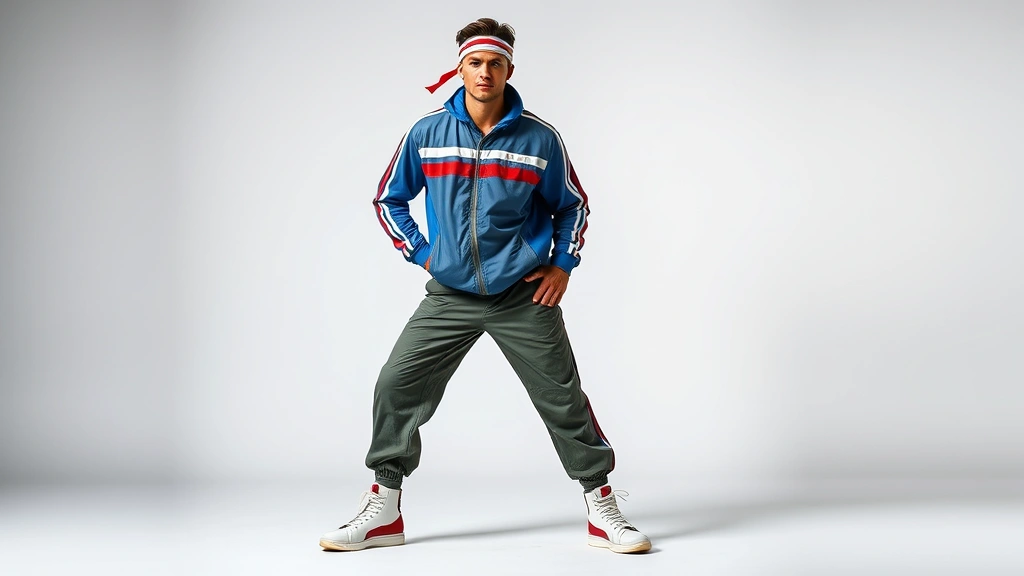
Windbreakers and track jackets were essential for the athletic-inspired look. These lightweight jackets came in bright, often neon colors and featured contrasting panels and racing stripes. They were meant to be eye-catching and impossible to ignore. Pair them with matching or contrasting track pants for the complete ensemble that screamed 80s authenticity.
Vests became an unexpected staple, worn over long-sleeve shirts or t-shirts. Whether leather vests for a grittier look or patterned vests for a more eclectic style, this layering technique added dimension and visual interest. The key was embracing asymmetry and unexpected combinations that would have seemed completely wrong in previous decades.
Color Palettes and Patterns
If subtlety was the hallmark of 70s fashion, then boldness was the defining characteristic of 80s color choices. Neon colors dominated the landscape—electric pinks, acid yellows, bright teals, and vibrant purples. These weren’t muted pastels; they were eye-searing, impossible-to-ignore hues that practically glowed under natural and artificial light. Men wore neon socks, neon windbreakers, neon headbands, and neon accessories without apology.
Metallics were equally important, with silver and gold appearing on jackets, shirts, and accessories. The futuristic aesthetic appealed to designers and fashion enthusiasts who saw the 80s as a bridge to a shiny, high-tech future. Lamé fabrics, holographic materials, and reflective surfaces created an otherworldly quality that defined the decade’s visual language.
Black remained a constant, particularly in rock and punk fashion. But black wasn’t worn alone—it was paired with bright colors, patterns, and metallic accents. The contrast between black and neon created visual drama that commanded attention. This approach influenced how designers and stylists think about color combination today.
Geometric patterns were everywhere. Chevrons, triangles, Memphis-style squiggles, and bold stripes covered everything from shirts to sweaters to accessories. Animal prints, particularly leopard and zebra, appeared on jackets and pants. Color blocking—pairing contrasting solid colors in large sections—created a modern, almost abstract aesthetic. The more patterns clashed, the more authentically 80s the look became.
Pastel colors also had their moment, particularly in Miami Vice-inspired fashion. Soft pinks, mint greens, and pale blues were worn in oversized blazers and linen suits, creating a sophisticated yet playful aesthetic that worked beautifully in warm climates. This color palette represented a different side of 80s style—still bold, but more refined and elegant than the neon alternative.
Footwear That Defined the Decade
No discussion of 80s male fashion is complete without examining the footwear that defined the era. Sneakers became legitimate fashion statements, no longer confined to gym wear or athletic activity. High-top basketball shoes, particularly Nike Air Jordans, became cultural icons that transcended sports. Men collected sneakers, customized them, and wore them with pride as part of their personal style.
Leg warmers, typically associated with aerobics and dance culture, were worn by men as fashion statements. These colorful, oversized socks were pushed down around the ankles or worn properly over calves, often in neon colors or bold patterns. They appeared in everything from casual streetwear to more formal settings, proving that 80s fashion had no boundaries.
White athletic socks with colored stripes became a standard pairing with sneakers. Men would intentionally show these socks by wearing shorter pants or cuffing their jeans. The visible sock line became an essential detail that completed the 80s look. Neon socks were particularly prized for their ability to add a pop of color to any outfit.
Loafers and boat shoes represented the preppy side of 80s menswear, often worn without socks to show off tanned ankles. These classic shoes were paired with pastel blazers and rolled-up linen pants for a distinctly 80s preppy aesthetic. Brands like Sperry and Cole Haan dominated this segment of 80s fashion.
Boots, particularly western boots and motorcycle boots, were popular in various subcultures. Cowboy boots appeared in mainstream fashion thanks to country music’s influence, while combat boots and Doc Martens represented punk and alternative aesthetics. Fashion accessories like boots were more than just footwear—they were statements about identity and belonging.
Platform shoes and shoes with exaggerated soles became increasingly popular as the decade progressed. These shoes added height and presence, complementing the overall aesthetic of exaggeration and boldness. Whether sneakers or formal shoes, the 80s approach was to make footwear visible and significant.
Accessories and Details
Accessories in the 80s were not afterthoughts—they were essential components of the overall look. Sunglasses became iconic status symbols, with oversized frames and mirrored lenses dominating fashion. Ray-Ban Wayfarers and Aviators were worn by everyone from Wall Street traders to Miami Vice detectives. The bigger and more reflective the sunglasses, the more 80s they appeared.
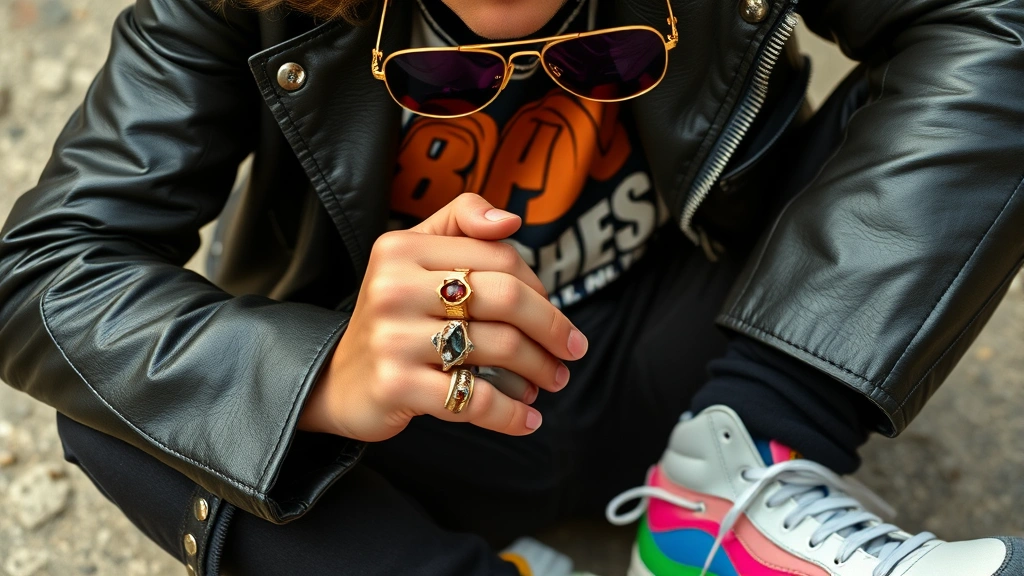
Jewelry took on new importance in 80s male fashion. Gold chains, particularly thick, chunky chains, were worn around the neck or wrist. Rings were stacked on multiple fingers, often featuring large stones or bold designs. This maximalist approach to jewelry reflected the decade’s overall philosophy of more-is-more.
Watches became statement pieces, with large, digital sports watches and luxury timepieces equally celebrated. The Casio G-Shock became an icon of 80s casual style, while Rolex watches signified wealth and success. These accessories served both functional and status-signaling purposes.
Belts were wide and often featured bold buckles. Leather belts with large metal buckles, sometimes featuring logos or geometric designs, were paired with jeans and trousers. The belt became a focal point rather than a functional afterthought, sometimes intentionally worn loose to create visual interest.
Headbands, particularly sweatbands worn around the forehead, became synonymous with 80s style. Whether worn for actual athletic purposes or purely for fashion, these colorful bands added an authentic 80s touch. Bandanas were also popular, worn around the neck, wrist, or head.
Suspenders (braces) were worn both functionally and as pure fashion statements. Often in bright colors or bold patterns, suspenders were sometimes worn with the pants already having a belt, creating an intentionally redundant look that exemplified 80s excess. This detail perfectly captures the decade’s approach to fashion.
Building Your 80s Wardrobe
Creating an authentic 80s wardrobe doesn’t require purchasing entirely new clothing. Start by identifying key pieces that form the foundation of 80s style. You’ll need at least one oversized blazer in a neutral color or bold pattern. Look for pieces with pronounced shoulder pads and a relaxed fit through the body. Thrift stores and vintage retailers are excellent sources for authentic 80s blazers.
Invest in quality denim pieces, including at least one pair of acid-washed or distressed jeans and a denim jacket. These versatile basics can be styled in multiple ways and serve as anchors for various 80s-inspired outfits. Pair them with graphic t-shirts featuring bold prints, geometric designs, or neon colors.
A leather jacket is essential for achieving authentic 80s credibility. Whether a classic motorcycle jacket or a more fashion-forward design, this piece works across multiple style subcultures. Look for quality leather that will age beautifully and develop character over time.
Colorful windbreakers and track jackets add an athletic element to your wardrobe. These pieces work beautifully for casual settings and can be layered over other items. Choose colors that excite you and don’t be afraid of bold combinations.
Building an 80s wardrobe also means understanding fashion history to make informed choices about authenticity. Different subcultures within the 80s had distinct aesthetics, and choosing a direction will help you build a cohesive wardrobe.
Don’t overlook basics like plain white t-shirts, which serve as canvases for layering and accessorizing. These simple pieces become 80s when paired with oversized blazers, leather jackets, or statement accessories. The key is intentional styling rather than expensive pieces.
Accessories should be bold and visible. Collect sunglasses, chains, rings, and other statement pieces that catch light and attention. These items are often affordable and can completely transform an outfit’s aesthetic.
Modern Ways to Wear 80s Style
The beauty of 80s fashion is that it doesn’t require complete commitment to the aesthetic. Modern styling often involves cherry-picking the most flattering and wearable elements while leaving behind the more extreme choices. Many contemporary men incorporate 80s elements into their personal style without appearing costume-like.
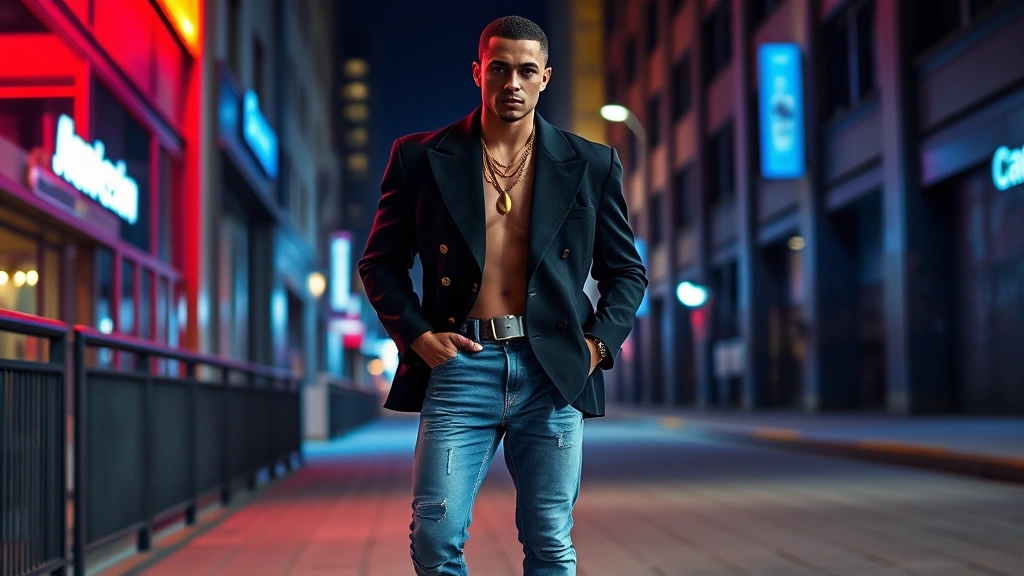
Oversized blazers have become mainstream in modern fashion, making them easy to wear without looking retro. Pair an oversized blazer with modern slim-fit jeans and contemporary sneakers for a look that honors 80s silhouettes while feeling current. The key is balancing proportions—if you’re wearing an oversized top, keep the bottom more fitted.
Graphic t-shirts with bold prints and geometric designs continue to be popular. Wear them under structured blazers or leather jackets for an intentionally mixed aesthetic. Layer them with vintage-inspired pieces for visual interest and personality.
Leather jackets are timeless and never go out of style. The 80s approach of wearing them with everything from suits to casual jeans still works beautifully. Modern leather jackets often have cleaner lines than their 80s counterparts, making them easier to integrate into contemporary wardrobes.
Accessorizing with intention is perhaps the most modern way to incorporate 80s style. Choose one or two statement pieces—maybe bold sunglasses and a chunky chain, or interesting rings and a vintage watch—rather than committing fully to the aesthetic. This selective approach allows you to express 80s inspiration while maintaining modern credibility.
Color blocking and geometric patterns can be incorporated through accessories, socks, or smaller pieces rather than large garments. A patterned shirt under a solid blazer, or patterned socks with solid pants, adds visual interest without overwhelming the overall look.
Understanding professional dress codes is important when incorporating 80s elements into work wardrobes. An oversized blazer with shoulder pads can work in creative industries, but may be too bold for conservative corporate environments. Context matters when translating 80s style to modern life.
Footwear provides another avenue for modern 80s expression. Vintage sneakers, classic white athletic shoes, or contemporary designs inspired by 80s aesthetics work beautifully in casual settings. These shoes ground 80s-inspired outfits in contemporary reality while honoring the decade’s athletic influence on fashion.
The most successful modern 80s style involves confidence and intentionality. Wear pieces because they make you feel good and express your personality, not because they’re trendy. This authenticity is what made 80s fashion work in its original context and what makes it work today.
FAQ
What are the most essential pieces for an 80s male wardrobe?
The foundational pieces include an oversized blazer with shoulder pads, a leather jacket, acid-washed or distressed jeans, a denim jacket, colorful graphic t-shirts, and bold accessories like sunglasses and chains. Start with these basics and build from there based on your personal style preferences.
How can I wear 80s style without looking like I’m in costume?
The key is balance and selective incorporation. Choose one or two statement 80s pieces and pair them with modern basics. For example, wear an oversized blazer with contemporary slim jeans and current sneakers. Avoid committing entirely to the aesthetic unless you’re specifically dressing for a themed event.
Are neon colors essential for authentic 80s style?
While neon was iconic, it’s not absolutely necessary. Many 80s looks featured neutral color palettes with bold accessories. Black, white, gray, and earth tones were equally popular. The key is combining colors intentionally and not shying away from bold choices.
Where can I find authentic 80s pieces?
Thrift stores, vintage retailers, and online platforms like Depop and Vestiaire Collective offer authentic 80s pieces. Contemporary brands also create 80s-inspired designs that capture the aesthetic without requiring vintage shopping. Both approaches are valid depending on your preferences.
Can I wear 80s style in professional settings?
This depends on your industry and company culture. Creative industries often embrace 80s-inspired pieces like oversized blazers and statement accessories. Conservative corporate environments may find this style too bold. Assess your workplace culture and adjust accordingly.
How do I balance 80s style with modern fashion?
The most successful modern approach involves mixing eras. Wear a classic 80s piece like a leather jacket with contemporary jeans and modern sneakers. Or style a vintage oversized blazer with modern slim-fit pants. This creates visual interest while feeling current and intentional.