2010 Fashion Trends: Style Expert Insights
The year 2010 marked a pivotal moment in fashion history, where bold experimentation met refined elegance in unexpected ways. As the fashion world recovered from the economic downturn of 2008-2009, designers and style enthusiasts embraced a refreshing blend of vintage inspiration, technological innovation, and daring color palettes. This era represented a fascinating bridge between the minimalist tendencies of the late 2000s and the maximalist movements that would dominate the coming decade.
2010 clothing fashion reflected a generation’s desire to express individuality while honoring timeless style principles. From runway shows in Milan and Paris to street style captured in emerging fashion blogs, 2010 was undeniably a year of creative liberation. Silhouettes became more experimental, accessories gained prominence, and the democratization of fashion through social media began reshaping how trends spread globally. Understanding the complete fashion history timeline provides valuable context for appreciating why 2010 stood out as such a transformative year.
Whether you’re a fashion historian, style enthusiast, or someone seeking to recreate iconic 2010 looks, this comprehensive guide explores the defining trends that shaped the year’s most influential fashion moments through expert insights and detailed analysis.
The Silhouette Revolution
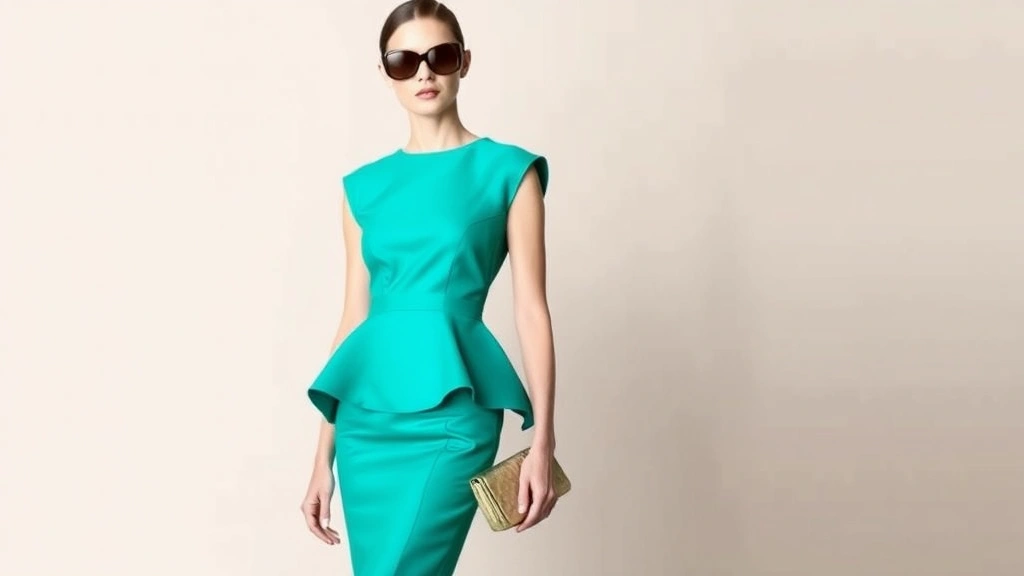
2010 witnessed a dramatic shift in how designers approached the female silhouette, moving away from the skinny aesthetic that had dominated the previous decade. Fashion experts noted that structured tailoring and architectural designs became increasingly popular, with designers like Alexander McQueen and Viktor & Rolf creating pieces that emphasized the body’s natural contours rather than hiding them. Peplum tops emerged as a defining silhouette, adding volume at the hips and creating an hourglass effect that flattered diverse body types.
The A-line skirt experienced a major resurgence, offering a romantic alternative to the pencil skirts that had been ubiquitous in 2009. Midi-length skirts gained traction among fashion-forward individuals who appreciated their sophisticated elegance and versatility. Cropped jackets paired with high-waisted trousers created strong, powerful silhouettes that resonated with professionals and fashion enthusiasts alike. Designers experimented with asymmetrical hemlines, creating visual interest and movement in otherwise traditional pieces.
Understanding different types of fashion styles helps contextualize how 2010’s silhouettes influenced broader fashion categories. The year’s emphasis on structural innovation meant that even casual wear received elevated treatment, with t-shirts featuring unexpected seaming and draping techniques that transformed basic wardrobe staples into design statements.
Wide-leg trousers made an unexpected comeback, challenging the skinny jean dominance and offering comfort without sacrificing style. Maxi dresses became increasingly popular for both casual and formal occasions, providing an elegant canvas for pattern experimentation and color exploration. The shift toward more forgiving silhouettes reflected broader cultural conversations about body positivity and fashion inclusivity.
The Bold Color Palette
Perhaps no aspect of 2010 fashion proved more visually striking than the embrace of vibrant, unexpected color combinations. Fashion forecasters observed that designers moved away from the neutral, muted tones that characterized the late 2000s recession era. Jewel tones—emerald, sapphire, and amethyst—dominated luxury collections, while neon accents appeared in contemporary and fast-fashion lines.
Teal emerged as an unexpectedly popular color, bridging the gap between cool blues and warm greens. Coral and peach tones offered warmth and optimism, appearing frequently in spring and summer collections. Mustard yellow gained surprising traction among designers seeking to create bold, confident statements. Fashion experts from Vogue noted that this color revolution reflected a cultural shift toward optimism and creative expression following years of economic uncertainty.
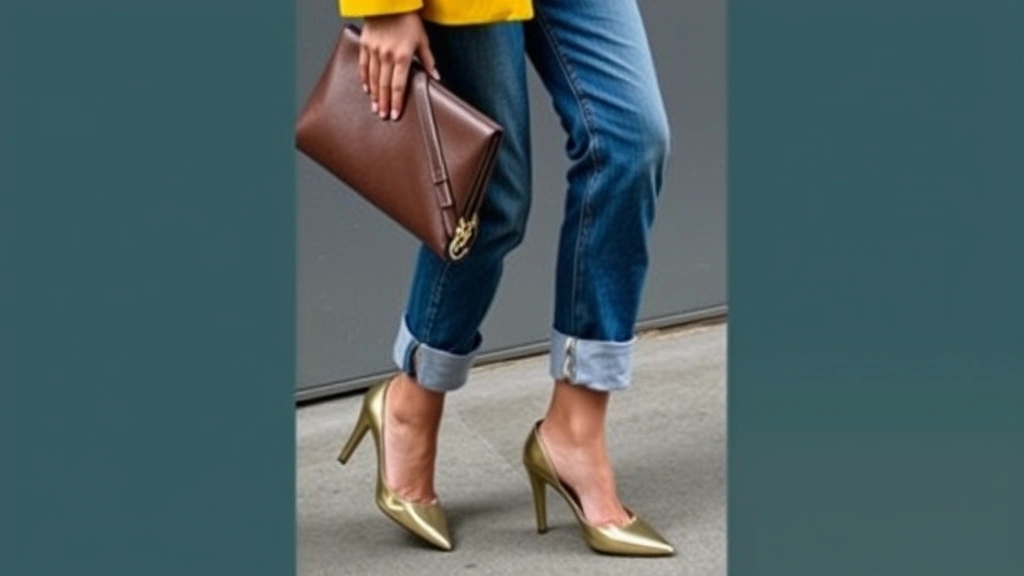
Color blocking—the practice of combining contrasting colors in distinct sections—became a defining aesthetic of 2010. Designers like Prada and Gucci created striking combinations of hot pink, electric blue, and lime green in single garments. The color palette extended to accessories, with bold-colored bags and shoes becoming essential style statements. Metallics, particularly gold and copper tones, added glamour to both day and evening wear.
The use of color in 2010 fashion represented liberation and self-expression, encouraging individuals to move beyond their comfort zones and embrace bold personal style choices. This emphasis on color would influence fashion psychology discussions for years to come, as style experts recognized the mood-boosting and confidence-building properties of wearing vibrant hues.
Vintage Revival and Nostalgia
2010 fashion demonstrated a fascinating fascination with previous decades, particularly the 1970s and 1980s. Designers drew inspiration from disco glamour, creating sequined dresses and metallic fabrics that celebrated nightlife and celebration. The 1970s influence appeared in wide collars, bell sleeves, and earthy tones that contrasted sharply with the decade’s bolder color choices.
Vintage-inspired prints, particularly large-scale florals and geometric patterns, appeared across collections from both luxury and accessible brands. Boho-chic aesthetics gained prominence, with flowing fabrics, fringe details, and bohemian accessories appealing to those seeking to find their personal style through eclectic, individualistic choices. Fashion vintage stores experienced increased popularity as consumers actively sought authentic pieces from past decades.
The resurgence of vintage fashion in 2010 reflected broader sustainability concerns, as wearing pre-owned clothing gained social cachet. Fashion bloggers and style influencers championed vintage shopping as both environmentally responsible and stylistically adventurous. Thrift stores became destination shopping locations, and vintage fashion shows gained media attention.
Leather and suede, materials associated with 1970s fashion, experienced renewed interest. Fringe details appeared on bags, boots, and accessories, adding movement and visual interest to modern silhouettes. The vintage revival demonstrated fashion’s cyclical nature and provided a bridge between nostalgia and contemporary style innovation.
Accessories as Statement Pieces
In 2010, fashion accessories transcended their traditional supporting role to become primary style statements. Oversized sunglasses dominated street style and runway presentations, with exaggerated frames in various shapes—cat-eye, geometric, and wraparound styles—becoming essential accessories. Designer sunglasses from brands like Prada and Gucci became coveted status symbols.
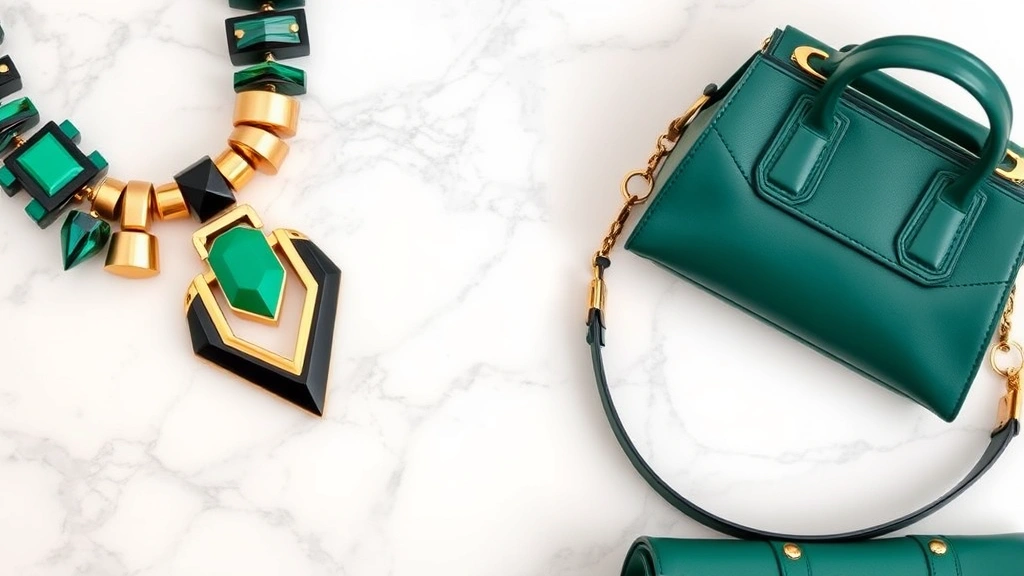
Bags underwent dramatic size transformations, with both oversized totes and tiny clutches gaining popularity simultaneously. The structured handbag emerged as a key accessory, with architectural designs from Alexander McQueen and similar designers creating visual interest through hardware, unexpected materials, and innovative closures. Shoulder bags worn across the body added both practicality and contemporary edge to outfits.
Jewelry became increasingly bold and sculptural, with statement necklaces featuring chunky chains, oversized pendants, and geometric designs. Cocktail rings with large stones gained popularity, while layered delicate necklaces offered a more subtle approach to statement jewelry. Bangles and arm cuffs in metallic finishes complemented the era’s bold aesthetic.
Scarves evolved beyond simple accessories to become key style elements, with oversized silk scarves worn as wraps, headpieces, or belt accents. The scarf’s versatility made it an essential wardrobe component for those seeking to maximize outfit variations. Belts gained prominence, with wide cinching belts creating dramatic silhouette changes and adding visual interest to dresses and tunics.
Footwear accessories, including leg warmers and arm warmers inspired by 1980s aerobics culture, appeared in fashion-forward collections. Shoe clips and decorative elements transformed basic shoes into customized statement pieces. The accessory-first approach to fashion in 2010 encouraged creative personal styling and demonstrated that accessories could completely transform an outfit’s impact.
Denim Evolution
While skinny jeans maintained some presence in 2010 fashion, the year witnessed significant diversification in denim silhouettes and treatments. Boyfriend jeans—relaxed, straight-leg styles inspired by men’s denim—gained substantial popularity among women seeking comfort and style. These jeans, typically worn slightly loose and cuffed at the ankle, offered a casual yet intentional aesthetic.
Distressed denim reached new levels of elaboration, with rips, tears, and bleached sections creating visually complex garments. Some pieces featured extreme distressing that revealed significant amounts of leg, pushing boundaries around what constituted appropriate dressing. High-waisted jeans experienced a surprising resurgence, creating the foundation for retro-inspired outfits.
Colored denim emerged as a trend-forward choice, with brands offering jeans in jewel tones, pastels, and bold brights. White jeans became a wardrobe staple for summer dressing, while black jeans provided versatile options for creating sophisticated silhouettes. Denim jackets underwent styling evolution, with oversized fits and unexpected washes creating modern alternatives to the classic denim jacket.
The democratization of denim fashion through brands at various price points meant that trend-forward denim styles became accessible to broader audiences. Fast-fashion retailers quickly replicated runway-inspired denim innovations, allowing fashion enthusiasts with limited budgets to participate in current trends. This accessibility helped denim maintain its position as fashion’s most fundamental and versatile fabric.
Footwear Trends
2010 footwear trends reflected the year’s broader aesthetic of bold experimentation and silhouette diversity. Peep-toe heels dominated formal wear, offering a compromise between closed and open-toe styles. Wedge heels gained popularity as a more stable alternative to stilettos, providing height while improving comfort and wearability. Metallic finishes, particularly gold and copper, transformed basic heel styles into statement pieces.
Flat shoes experienced significant innovation, with ballet flats evolving through unexpected materials and embellishments. Pointed-toe flats created sleek silhouettes, while embellished versions featured crystals, studs, and metallic details. Flip-flops and sandals became increasingly fashion-forward, with designer versions featuring elaborate straps and decorative elements.
Boots dominated the 2010 footwear landscape, with styles ranging from knee-high to thigh-high options. Over-the-knee boots created dramatic silhouettes when paired with short skirts or dresses. Ankle boots offered versatility for various seasons and occasions. Gladiator sandals, inspired by ancient Roman aesthetics, provided edgy alternatives to traditional summer footwear.
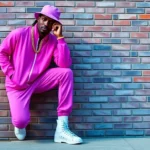
Sneakers began their journey toward fashion respectability, with designers creating elevated versions that blurred lines between athletic and casual wear. Colorful sneakers, particularly in neon shades, added playful energy to casual outfits. The combination of sneakers with dresses and skirts—previously considered style violations—gained acceptance among fashion-forward individuals.
Footwear color coordination with outfit color palettes became increasingly important, with bold-colored shoes serving as outfit anchors. Metallic and patterned shoes added visual interest to neutral outfits, while neutral footwear grounded more visually complex ensembles. The emphasis on footwear innovation reflected broader recognition that shoes significantly impact overall style impact.
Celebrity Influence and Street Style
Celebrity fashion in 2010 wielded enormous influence over mainstream style choices, with paparazzi photographs and red carpet appearances shaping trend adoption globally. A-list celebrities became style icons whose outfit choices received immediate media attention and consumer replication. Fashion magazines dedicated extensive coverage to analyzing celebrity wardrobes and identifying emerging trends.
Street style photography emerged as an increasingly influential force in fashion, with style bloggers capturing fashion-forward individuals at fashion weeks and urban locations. These images, shared across emerging social media platforms, democratized fashion influence by highlighting non-celebrity style leaders. The democratization of style authority challenged traditional fashion industry hierarchies.
Reality television shows focused on fashion, particularly makeover programs, gained popularity and influenced mainstream style choices. These shows educated viewers about style principles and encouraged fashion experimentation. Celebrity endorsements of specific brands created consumer demand and shaped retail landscapes.
The red carpet remained fashion’s most visible platform, with award shows generating extensive media coverage of celebrity fashion choices. Designer collaborations with celebrities created exclusive collections that generated significant consumer interest. Celebrity-owned fashion brands began emerging, capitalizing on their style authority and loyal fan bases.
Social media platforms, still in their infancy in 2010, began facilitating direct communication between celebrities and fans, allowing real-time sharing of fashion choices and styling tips. This direct access to celebrity fashion knowledge influenced how fans approached their personal style development.
Sustainable Fashion Emergence
While sustainability had not yet become mainstream fashion discourse, 2010 witnessed early conversations about ethical fashion and environmental responsibility. Eco-conscious designers began gaining media attention for their innovative approaches to sustainable materials and ethical manufacturing. Fashion-forward consumers interested in environmental impact started seeking out sustainable alternatives.
Vintage and secondhand fashion gained popularity partly through sustainability consciousness, as wearing pre-owned clothing reduced environmental impact. The fashion history timeline demonstrates how sustainability concerns have evolved, with 2010 representing an important moment when these conversations began entering mainstream fashion discourse.
Organic cotton and sustainable material innovations began appearing in mainstream collections, though at limited scale. Designer brands started highlighting their sustainable practices, recognizing emerging consumer interest in ethical fashion. The foundation for sustainable fashion’s later mainstream adoption was established during this pivotal year.
Fashion education institutions, including best fashion design schools, began incorporating sustainability concepts into curricula, preparing future designers to consider environmental impact. This educational emphasis would eventually reshape how fashion industry professionals approached design and production.
The conversation around sustainable fashion in 2010, though still limited, represented important early awareness that fashion’s environmental and social impact required attention. This awareness would accelerate significantly in subsequent years, but 2010 marked the beginning of mainstream consciousness about fashion’s broader implications.
FAQ
What were the most iconic 2010 fashion trends?
The most iconic 2010 fashion trends included peplum tops, bold color blocking, vintage-inspired pieces, oversized sunglasses, structured handbags, boyfriend jeans, and statement accessories. These trends reflected the year’s emphasis on bold self-expression and silhouette experimentation.
How did 2010 fashion differ from 2009 trends?
2010 fashion moved away from the muted, minimalist aesthetic of 2009 toward bolder colors, more experimental silhouettes, and statement accessories. The year represented a cultural shift toward optimism and creative expression following the economic recession.
Which designers defined 2010 fashion?
Designers including Alexander McQueen, Prada, Gucci, Viktor & Rolf, and Marc Jacobs significantly influenced 2010 fashion through bold color choices, innovative silhouettes, and statement accessories. Their collections set trends that filtered into mainstream fashion.
Were there sustainable fashion options in 2010?
While sustainable fashion had not yet achieved mainstream prominence, 2010 witnessed early conversations about ethical fashion and environmental responsibility. Vintage shopping gained popularity partly through sustainability consciousness, and some designers began highlighting sustainable practices.
How did technology influence 2010 fashion trends?
Social media and fashion blogging began democratizing fashion influence in 2010, allowing non-traditional style leaders to gain visibility. Fashion photography and trend documentation became increasingly digital, accelerating how quickly trends spread globally.
What accessories were essential in 2010?
Essential 2010 accessories included oversized sunglasses, structured handbags, statement necklaces, wide belts, and bold-colored shoes. Accessories served as primary style statements rather than supporting elements, allowing for creative personal expression.
The StyleLoom Daily Blog continues exploring how historical fashion moments like 2010 influence contemporary style choices and trend development.
For deeper understanding of how 2010 fits into broader fashion contexts, explore resources like Harper’s Bazaar, which provides comprehensive fashion history and trend analysis. Women’s Wear Daily offers professional fashion industry insights, while Business of Fashion explores fashion industry trends and economics. Fashionista provides contemporary fashion commentary and historical perspective on trend evolution.