How to Wear 1940s Menswear: Vintage Expert Guide
The 1940s remains one of the most distinctive and influential decades in men’s fashion history. Defined by wartime practicality, tailored silhouettes, and timeless elegance, 1940s menswear continues to captivate modern gentlemen seeking authentic vintage style. Whether you’re drawn to the sharp suits, military-inspired pieces, or the unmistakable attitude of the era, mastering 1940s fashion for guys requires understanding the historical context and key style elements that made this decade iconic.
This era witnessed a fascinating blend of necessity and sophistication. Fabric rationing during World War II influenced design choices, leading to clever tailoring tricks and creative styling that emphasized quality over quantity. The result? A distinctly masculine aesthetic that valued craftsmanship, proper fit, and understated confidence. Today’s vintage enthusiasts and style-conscious men can draw remarkable inspiration from this golden age of menswear, creating looks that feel both nostalgic and surprisingly contemporary.
Whether you’re attending a themed event, building a vintage wardrobe, or simply curious about incorporating 1940s elements into your everyday style, this comprehensive guide will walk you through the essential pieces, styling techniques, and authentic details that define this unforgettable era.
Essential 1940s Menswear Pieces
Understanding the foundational garments of 1940s fashion for guys is crucial for building an authentic vintage wardrobe. The decade’s signature pieces weren’t merely fashionable—they represented a philosophy of dressing that emphasized durability, versatility, and refined masculinity. Every item served a purpose while maintaining aesthetic appeal, a principle that modern menswear enthusiasts still admire.
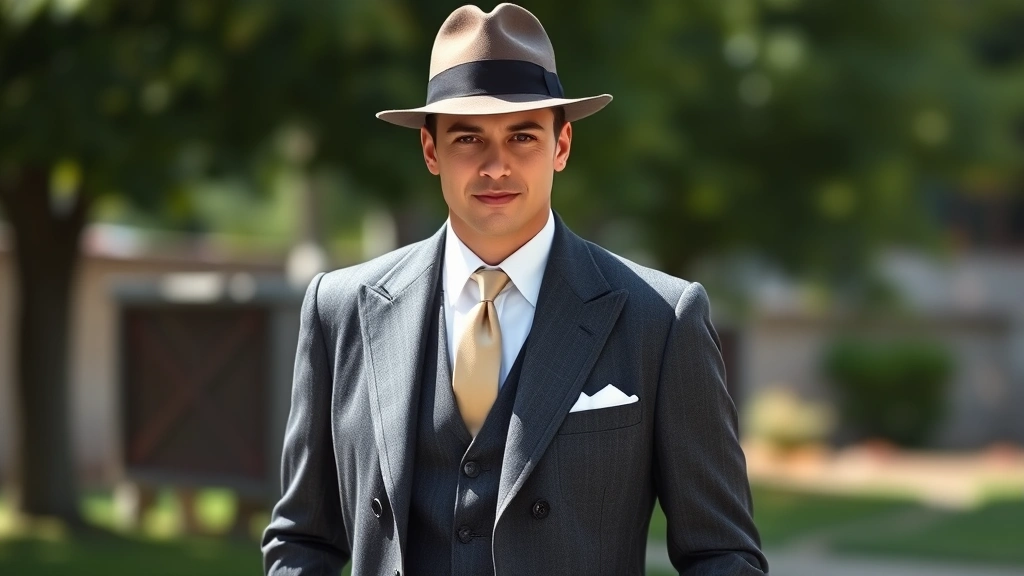
The two-piece suit stands as the cornerstone of 1940s menswear. Unlike the bulky suits of the 1930s or the exaggerated styles of the 1950s, 1940s suits featured a balanced silhouette with broad shoulders, a nipped waist, and tapered legs. The jacket typically measured around 28-30 inches in length, hitting right at the hip. Side vents were common, sometimes featuring a single center vent, allowing for better movement and a sleeker profile. Lapels were noticeably peaked or slightly wide, creating a commanding presence without appearing ostentatious.
Trousers were a critical component of the overall aesthetic. High-waisted pants with a rise of 12-13 inches were standard, sitting comfortably at the natural waist rather than the hips. Pleats were frequently featured—sometimes single, sometimes double—to accommodate the higher rise while maintaining comfort. The leg tapered gradually toward the ankle, creating a clean line that emphasized proper posture and refined bearing. Cuffs were typically 1.5 to 2 inches, adding weight to the hem and creating a polished finish.
Beyond the suit, sport coats and blazers provided versatility for less formal occasions. These jackets often featured interesting patterns like herringbone, tweed, or subtle checks, allowing men to express personality while maintaining professional appearance. A quality sport coat could be paired with different trousers, making it an economical choice during wartime—a practical consideration that shaped 1940s fashion philosophy.
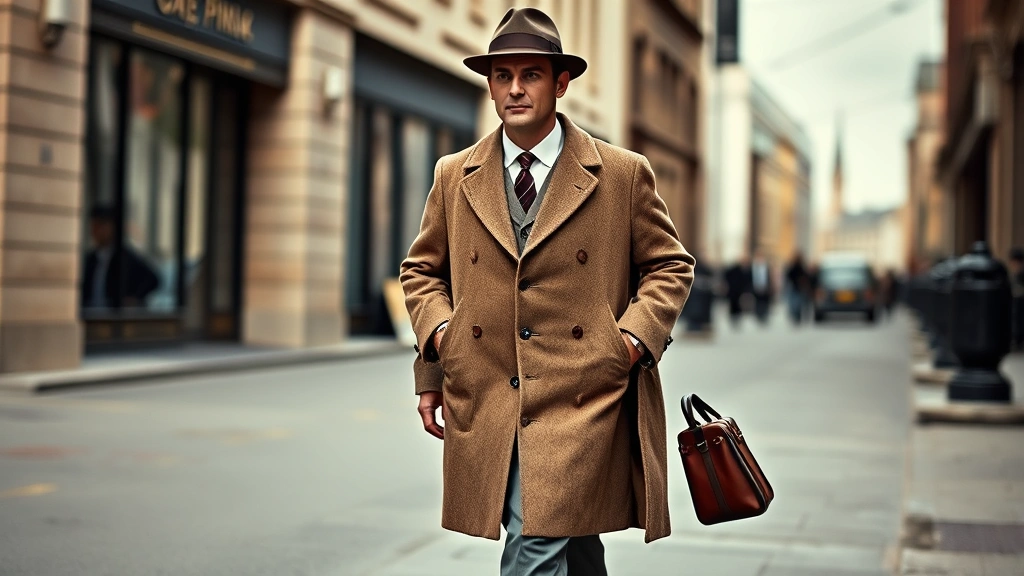
The overcoat was an essential outer layer, particularly in colder climates. These coats featured the same tailored approach as suits, with a slightly roomier cut to accommodate layering. Wool was the preferred fabric, offering durability and timeless appeal. Many vintage overcoats featured subtle details like button-down collars or adjustable waist belts, combining functionality with style.
For those seeking to explore how to find your personal style, the 1940s offers remarkable guidance. The decade’s approach to menswear emphasized individual expression within a structured framework—a lesson that remains relevant today.
Suit Silhouettes and Tailoring
The construction and fit of 1940s suits represent the pinnacle of tailoring craftsmanship. Unlike modern ready-to-wear suits that prioritize quick production, vintage 1940s garments were often custom-made or semi-bespoke, with careful attention to individual measurements and proportions. This level of detail is what makes authentic 1940s menswear so distinctive and why modern tailors still reference this era when discussing ideal suit construction.
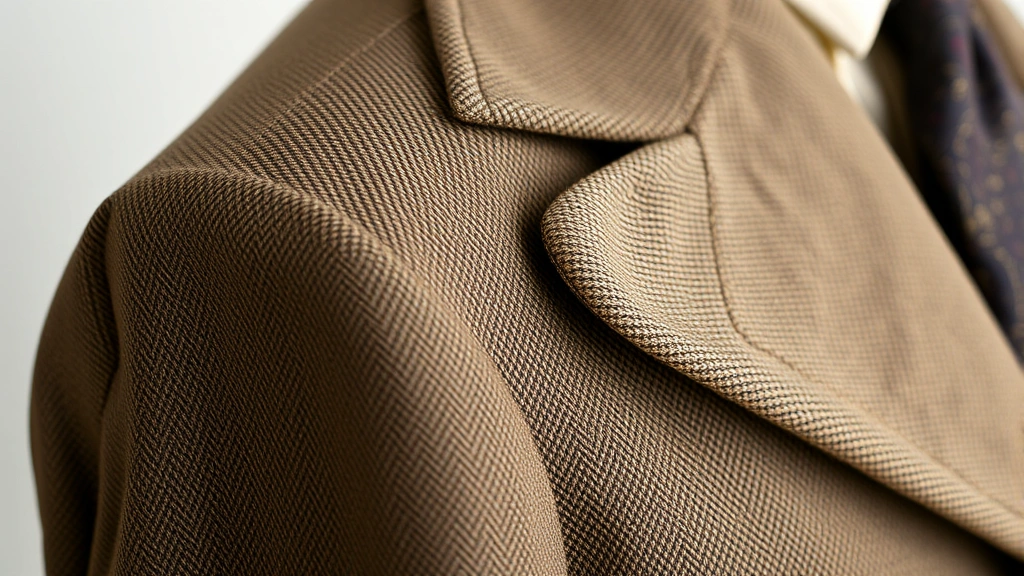
The shoulder construction of 1940s suits deserves special attention. Rather than the heavily padded shoulders of the 1930s, 1940s jackets featured moderate, well-structured shoulders that created a natural broad appearance. The seam sat precisely at the shoulder point, with just enough padding to create definition without appearing artificial. This creates a clean silhouette that flatters most body types and remains visually appealing decades later.
The chest measurement and button placement were carefully calculated. Most 1940s jackets featured a two-button configuration, with buttons positioned to create optimal proportions. A single button stance was less common but occasionally appeared in more conservative styles. The button placement was typically positioned such that when buttoned, the jacket created a slight hourglass shape—narrow through the front opening, with the waist suppression creating a refined silhouette.
Understanding types of fashion styles helps contextualize why 1940s menswear has endured. The decade’s approach balanced formality with practicality, creating pieces that could transition between various settings while maintaining polish and sophistication. This versatility is precisely why vintage 1940s pieces remain relevant in contemporary wardrobes.
Fabric selection significantly influenced the overall appearance of 1940s suits. Wool was predominant, offering excellent draping properties and durability. Worsted wool provided a smooth, refined finish ideal for business wear, while tweed and herringbone fabrics added texture and visual interest to sport coats. Due to wartime rationing, fabric widths were sometimes narrower, and designers became creative with pattern placement and seam positioning to minimize waste. This constraint actually led to more thoughtful design decisions that enhanced rather than diminished aesthetic appeal.
The lining choices also reflected the era’s character. Quality suits featured silk or rayon linings in subtle colors—often the same tone as the suit or complementary shades. Some featured small patterns or checks, adding a touch of personality visible only when the jacket was removed or unbuttoned. This attention to hidden details exemplified the craftsmanship philosophy of the era.
Shirts, Ties, and Accessories
Proper layering and accessorizing complete the 1940s menswear aesthetic. Shirts formed the foundation of any outfit, and their construction and styling deserve careful consideration. Understanding how to properly coordinate shirts, ties, and accessories demonstrates mastery of 1940s fashion for guys.
Dress shirts in the 1940s featured several distinctive characteristics. The collars were typically larger and more structured than modern versions, with points that spread wider. Point collars, spread collars, and wing collars were all common, each creating different visual effects. The collar construction was substantial, often using multiple layers of fabric and interfacing to maintain crisp definition throughout the day. Collar stays—sometimes metal, sometimes bone—helped maintain proper shape.
The shirt body was generally cut more generously than contemporary shirts, with fuller sleeves and a roomier overall fit. However, this fullness was controlled and tailored rather than baggy. Sleeve length was crucial—proper dress shirt sleeves extended to the wrist bone, showing approximately half an inch of cuff when arms were at rest. Cuffs themselves were typically barrel cuffs or French cuffs, with French cuffs reserved for more formal occasions.
Fabric choices for 1940s dress shirts included cotton broadcloth, cotton poplin, and linen for summer wear. White was the default for business and formal wear, but subtle stripes and small checks appeared in less formal contexts. Some shirts featured interesting details like tucks down the front placket or subtle pattern variations that added visual interest without compromising professionalism.
Ties were essential components of 1940s style, and their construction differs notably from modern neckwear. Vintage 1940s ties were typically wider—approximately 3.5 to 4 inches at the widest point—and featured bold, distinctive patterns. Diagonal stripes, geometric designs, and even novelty prints were popular. The silk was often thicker and had a subtle sheen that caught light beautifully. Ties were tied using the Four-in-Hand knot, which remains appropriate today and creates a sleek, tapered appearance that complements the era’s silhouettes.
The length of the tie was proportioned differently than modern versions. A properly tied 1940s tie reached to the top of the belt buckle, creating specific proportions that balanced the wider lapels and larger shirt collars of the era. This attention to proportion is crucial when wearing vintage pieces or recreating the look with modern clothing.
Pocket squaresFashion accessories of this era served functional and aesthetic purposes simultaneously.
Hats were absolutely essential to 1940s menswear. No gentleman would venture out without proper headwear. The fedora was the most common choice, featuring a creased crown and a brim that curved slightly downward in front and back. Homburgs offered a more formal alternative, while trilbies provided a sportier option. Hat quality varied significantly, with premium examples featuring beaver or rabbit fur felt that developed character and patina over years of wear. The hat’s color typically coordinated with the suit—charcoal, gray, brown, and black were standard choices.
For those interested in exploring fashion history more deeply, the complete fashion history timeline provides valuable context for understanding how 1940s menswear fits into broader fashion evolution.
Footwear Guide
Shoes in the 1940s were crafted with remarkable quality and attention to detail. Proper footwear completes the vintage aesthetic and demonstrates commitment to authentic styling. Understanding 1940s shoe construction and appropriate styles is essential for anyone serious about mastering this era’s fashion.
Oxford shoes were the predominant choice for formal and business wear. These lace-up shoes featured a closed lacing system where the quarters (sides) were stitched beneath the vamp (front), creating a refined appearance. Leather was almost exclusively used, typically in black or brown. The toe could be plain or feature subtle detailing like a stitched line or cap toe. The heel was typically a leather stacked heel, approximately 1 to 1.25 inches high, providing subtle lift without appearing feminine.
The Derby shoe, with its open lacing system, offered a slightly less formal alternative while maintaining sophistication. This style was popular for sport coats and less formal business contexts. The open lacing created a more relaxed appearance while still projecting professionalism and polish. Both Oxfords and Derbies were available in various leather finishes—from smooth, highly polished leather to textured options like pebbled or grained finishes.
Wingtips were another popular option, featuring decorative perforations and stitching that created a distinctive wing-shaped pattern on the toe. This added visual interest while maintaining formal appropriateness. Wingtips appeared in both Oxford and Derby configurations, offering versatility for different occasions.
For more casual settings, loafers began gaining popularity in the 1940s. These slip-on shoes featured a leather strap across the vamp and were typically worn without socks in warmer weather or with thin dress socks in cooler months. Loafers represented a more relaxed approach to menswear while still maintaining refinement and quality.
Shoe care and maintenance were integral to 1940s menswear culture. Shoes were expected to be kept in pristine condition, regularly polished and maintained. A quality pair of shoes could last for decades with proper care, making them a significant investment. Cedar shoe trees were used to maintain shape and absorb moisture. Regular polishing not only maintained appearance but also protected the leather.
Socks were typically dark—black, navy, or charcoal—and made from wool or cotton blends. Length was crucial; socks should be long enough that no bare leg showed when seated with legs crossed. Patterns were generally subtle, with thin stripes or small geometric designs being appropriate for less formal contexts. Solid colors were standard for business and formal wear.
Hairstyles and Grooming
Completing the 1940s menswear aesthetic requires attention to hairstyle and overall grooming. The era had distinctive approaches to hair that complemented the tailored silhouettes of the clothing. Modern men seeking to authentically embody 1940s style must consider how their hair presentation contributes to the overall effect.
The pompadour was perhaps the most iconic 1940s hairstyle. This style featured longer hair on top, swept back and upward, creating volume and height. The sides were kept shorter, typically faded or tapered. The back could be either tapered or slightly longer, depending on personal preference and hair type. Achieving this look required regular barbering—typically every 3-4 weeks—and daily styling with pomade or hair cream.
The side part was another essential 1940s element. Hair was parted distinctly on one side, with the longer section swept across the top and back. This created a clean, organized appearance that complemented the structured tailoring of suits. The part line was often sharp and well-defined, requiring careful styling each morning.
Pomade and hair products were essential tools for achieving authentic 1940s hairstyles. Brylcreem, Vaseline, and other hair creams provided hold and shine. These products were applied to damp hair and worked through with a comb, creating the characteristic sleek appearance. The level of shine varied—some men preferred a subtle sheen while others embraced a more lustrous finish. Product choice and application technique significantly influenced the final appearance.
Facial hair was generally minimal in the 1940s. Most men were clean-shaven, with the exception of some who maintained thin mustaches. When mustaches were worn, they were typically small and carefully groomed, never extending beyond the corners of the mouth. Beards were essentially non-existent in mainstream 1940s culture.
Grooming and personal hygiene were paramount. Men took pride in maintaining clean, well-groomed appearances. Regular barbering, daily shaving, and meticulous attention to cleanliness were expected. Cologne or aftershave was often worn, with subtle scents being preferred. This commitment to grooming complemented the tailored precision of the clothing.
Styling Complete Outfits
Bringing all these elements together requires understanding how to coordinate pieces into cohesive, authentic 1940s looks. Different occasions called for different approaches, and mastering these distinctions demonstrates true style expertise. Building a StyleLoom Daily Blog worthy collection requires thoughtful curation and styling knowledge.
Business and formal wear represented the most structured approach to 1940s menswear. A well-tailored suit in navy, charcoal, or dark gray formed the foundation. This was paired with a crisp white dress shirt, featuring a point or spread collar. A silk tie in a complementary color or pattern—perhaps a subtle diagonal stripe or geometric design—was knotted using the Four-in-Hand method. A pocket square in white linen or coordinating silk added refinement. Black or dark brown Oxford shoes, highly polished, completed the ensemble. A quality fedora in a matching neutral tone and a wool overcoat in winter months added finishing touches.
Smart casual styling offered more flexibility while maintaining 1940s authenticity. A sport coat in tweed, herringbone, or subtle check was paired with contrasting trousers in a complementary neutral. A patterned shirt—perhaps with a small check or subtle stripe—replaced the plain white dress shirt. A tie remained appropriate but could feature bolder patterns. Loafers or Derby shoes in brown leather offered a more relaxed alternative to Oxfords. This approach worked well for social events, dinners, and less formal business contexts.
Casual weekend wear in the 1940s still maintained considerable polish compared to modern casual standards. High-waisted trousers in neutral colors were paired with comfortable but well-fitted shirts. Cardigans or sweaters could layer over shirts for warmth and visual interest. Even in casual contexts, proper grooming, quality fabrics, and attention to fit remained important. A fedora could still be worn, and shoes were always leather and well-maintained.
Seasonal considerations influenced styling choices throughout the year. Summer required lighter fabrics—cotton and linen—with shorter sleeves and lighter colors. Straw hats replaced felt fedoras. Winter necessitated heavier overcoats, wool socks, and darker color palettes. Spring and fall allowed for versatile layering with sport coats and cardigans.
Understanding proportions is crucial for successful 1940s styling. The higher waistbands and tapered legs of vintage trousers create specific proportions that work best with appropriately scaled jackets and shirts. Oversized modern pieces will disrupt this balance, as will contemporary slim-fitting trousers paired with vintage jackets.
Shopping for Authentic Pieces
Building a genuine 1940s wardrobe requires knowing where to source pieces and how to evaluate authenticity and quality. Whether shopping vintage or purchasing reproduction pieces, understanding construction details and materials ensures smart investments.
Vintage clothing sources include specialty vintage boutiques, online marketplaces, estate sales, and antique shops. Authentic 1940s pieces offer unmatched quality and character. However, sourcing requires knowledge—understanding construction methods, typical sizing, and how to identify genuine vintage from later reproductions. Genuine 1940s suits feature specific construction details: the way labels are sewn, the type of interfacing used, the style of buttons, and the tailoring techniques employed. Learning to identify these details prevents costly mistakes.
When evaluating vintage pieces, examine condition carefully. Minor wear and patina add character, but significant damage requires professional restoration. Check seams for integrity, examine fabric for stains or tears, and verify that closures function properly. Vintage clothing often requires dry cleaning and minor repairs—budget for these expenses when calculating true cost.
Sizing considerations are critical when shopping vintage. 1940s sizing differs significantly from modern standards. A vintage size 40 suit may fit quite differently than a modern size 40. Measurements—chest, waist, sleeve length, and inseam—provide more accurate guidance than labeled sizes. Many vintage pieces require tailoring to achieve perfect fit, which adds to overall cost but ensures wearability.
Reproduction and modern alternatives offer advantages for those unable to source authentic vintage pieces. Several contemporary brands specialize in historically accurate menswear, using period-appropriate construction techniques and materials. These pieces offer reliability and correct sizing while capturing 1940s authenticity. While lacking the patina of genuine vintage, quality reproductions provide excellent entry points for those building collections.
Quality indicators include fabric weight and feel, seam construction, button quality, and overall craftsmanship. Authentic 1940s pieces and quality reproductions feature substantial fabrics, reinforced seams, and quality materials throughout. These details justify higher prices and ensure longevity.
For broader perspective on fashion and style, exploring how to style a little black dress and other style guides provides valuable context for understanding timeless fashion principles that transcend era and gender.
External fashion authorities offer valuable insights into vintage menswear. Vogue frequently features vintage fashion retrospectives and styling guidance. The Sartorialist documents contemporary applications of vintage style principles. The Gentleman’s Journal provides modern menswear expertise grounded in classic principles. Fit Men Clothing offers practical menswear styling advice. These resources provide ongoing inspiration and knowledge for developing authentic 1940s style.
FAQ
What are the key differences between 1940s and 1950s menswear?
While both eras emphasized tailoring, 1940s suits featured more moderate shoulders and a balanced silhouette, whereas 1950s styles developed even broader, more exaggerated shoulders. The 1950s also introduced wider lapels and slightly looser overall fits. Trousers evolved similarly, with 1950s styles featuring less taper and slightly lower rises. The 1940s represented a more refined, understated approach compared to the bolder 1950s aesthetic.
Can I wear 1940s menswear to modern events?
Absolutely. Authentic 1940s tailoring remains appropriate and stylish for contemporary formal events, business settings, and social occasions. The key is ensuring proper fit and pairing vintage pieces with appropriate modern grooming and accessories. A well-fitted 1940s suit makes a distinctive, refined statement at weddings, cocktail parties, and professional settings.
How do I find my correct vintage suit size?
Vintage sizing differs from modern standards, so rely on measurements rather than labeled sizes. Measure the chest across the widest point (armpit to armpit), the waist at the natural waist level, sleeve length from center back neck to wrist bone, and inseam. Compare these measurements to the specific vintage piece’s measurements. Expect to invest in tailoring to achieve perfect fit.
Are vintage 1940s pieces expensive?
Prices vary widely depending on designer, condition, rarity, and location. Authentic vintage 1940s suits from quality tailors typically range from $150 to $1000+, depending on these factors. Investment pieces from renowned designers command premium prices. Quality reproduction pieces offer more affordable alternatives, typically ranging from $200 to $600. Consider cost per wear when evaluating investment in either authentic vintage or reproductions.
How should I care for vintage 1940s clothing?
Dry clean vintage pieces sparingly—perhaps once per season—as frequent cleaning degrades fabrics. Spot clean minor stains using appropriate techniques. Store in breathable garment bags away from direct sunlight, which causes fading. Use cedar shoe trees in shoes to maintain shape and repel moths. Have minor repairs addressed promptly by skilled professionals. Proper storage and minimal cleaning extend garment lifespan significantly.
What’s the best way to start building a 1940s wardrobe?
Begin with foundational pieces: one well-fitted suit in navy or charcoal, quality dress shoes, and classic accessories. Add a sport coat and additional trousers for versatility. Gradually expand with additional suits, shirts, and accessories as budget allows. This measured approach allows you to develop personal style while building a cohesive, functional wardrobe. Focus on quality over quantity—better to own fewer exceptional pieces than many mediocre ones.