
Is Whale Tail Back in Style? A Complete Trend Analysis
The whale tail—that unmistakable flash of thong underwear peeking above low-rise jeans—was once the defining silhouette of early 2000s fashion. Celebrities like Britney Spears, Christina Aguilera, and Paris Hilton made it an aspirational trend, and fashion magazines couldn’t get enough of it. But after nearly two decades of fashion moving toward higher waistbands and more modest styling, the whale tail is making a surprising comeback. This resurgence isn’t just nostalgia; it’s a calculated fashion statement that reflects broader shifts in how we approach personal style, body confidence, and the cyclical nature of trends.
Today’s whale tail revival looks different from its predecessor. It’s more intentional, more fashion-forward, and deeply intertwined with the Y2K revival movement that’s dominated runways and street style since the late 2010s. Whether you’re curious about embracing this trend or simply want to understand what’s happening in contemporary fashion, this comprehensive analysis breaks down everything you need to know about the whale tail’s unexpected return to relevance.
What Is a Whale Tail and Why Did It Matter?
The whale tail is the visible outline or edge of a thong underwear worn beneath low-rise bottoms, creating a distinctive shape that resembles a whale’s tail breaking through water. The term emerged in the early 2000s as the trend became increasingly visible and intentional in popular culture. Unlike accidental panty lines or unintended exposure, the whale tail was deliberately styled—a fashion choice that communicated confidence, edge, and a certain irreverence toward conventional modesty.
During its original heyday, the whale tail represented more than just a clothing detail. It was a cultural symbol of youth rebellion, body confidence, and the rejection of conservative dress codes. It appeared in music videos, on red carpets, and in fashion editorials. Fashion magazines featured spreads dedicated to the trend, and it became so ubiquitous that it seemed like it would be permanent. The whale tail was part of a larger aesthetic that included baby tees, cargo pants, velour tracksuits, and oversized sunglasses—all elements that defined early 2000s style.
Understanding why the whale tail mattered requires recognizing the cultural context. The early 2000s represented a unique moment in fashion history when fashion history shifted toward more provocative, body-conscious silhouettes. The rise of low-rise jeans and the thong underwear industry coincided perfectly, creating an accidental—or perhaps entirely intentional—fashion moment that defined a generation’s relationship with clothing, bodies, and self-expression.
The Fashion Timeline: From Icon to Taboo to Revival
The Golden Era (2000-2005)
The whale tail reached peak visibility during the early 2000s, particularly between 2000 and 2005. This period saw the trend embrace by mainstream celebrities and fashion influencers of the time. Britney Spears made headlines regularly with whale tail sightings, and the trend became so normalized that fashion editors began documenting it as a legitimate style element rather than a wardrobe malfunction. Department stores prominently displayed thong underwear alongside low-rise jeans, recognizing the market opportunity created by this emerging trend.
During this era, the whale tail was featured in fashion editorials by major publications, worn on red carpets, and discussed in celebrity gossip columns. It became shorthand for a certain type of confidence and style sensibility. Young people adopted the trend enthusiastically, and it became a rite of passage for many teenagers navigating early 2000s fashion culture.
The Decline (2006-2015)
As the 2000s progressed, fashion began its inevitable shift away from ultra-low-rise silhouettes. Several factors contributed to this transition: the rise of mid-rise and high-rise jeans, changing body ideals, and a growing backlash against the trend. Fashion critics began questioning the trend’s longevity, and younger generations started rejecting it as outdated. By 2010, the whale tail had largely disappeared from mainstream fashion, relegated to the status of a bygone trend that people referenced with embarrassment or nostalgia.
The decline wasn’t sudden but rather a gradual shift in fashion consciousness. Designers began promoting higher waistbands, fuller cuts, and more modest styling. The fashion industry’s focus shifted toward different silhouettes, and the whale tail became increasingly rare on runways and red carpets. For nearly a decade, mentioning the whale tail in fashion conversations would typically elicit eye-rolls or knowing laughs about early 2000s excess.
The Unexpected Return (2018-Present)
The resurrection of the whale tail began subtly around 2018, gaining momentum as the broader Y2K revival movement took hold of fashion consciousness. Initially appearing in niche fashion communities and indie designers’ collections, the whale tail gradually worked its way back into mainstream fashion conversations. By 2022-2023, it had become impossible to ignore—appearing on runways at major fashion weeks, in street style photography, and on social media platforms like TikTok and Instagram.
This revival differs fundamentally from the original trend. Today’s whale tail is more self-aware, more intentional, and more closely tied to broader conversations about fashion cycles, nostalgia, and personal expression. It’s not just a trend; it’s a statement about how fashion works and how each generation reinterprets style.
Why the Whale Tail Is Back Now
The return of the whale tail isn’t random—it’s deeply connected to multiple cultural and fashion industry forces working in concert.
The Y2K Revival Movement
The most significant factor driving the whale tail’s return is the comprehensive Y2K revival sweeping through fashion. This movement encompasses everything from low-rise jeans to baby tees, cargo pants, and oversized sunglasses. Unlike simple nostalgia, the Y2K revival represents a sophisticated engagement with early 2000s aesthetics filtered through contemporary sensibilities. Younger generations, who didn’t experience the original trend, are discovering it through a fresh lens and making it their own.
Fashion brands have capitalized on this nostalgia by reissuing classic low-rise silhouettes and actively promoting the whale tail as part of a cohesive Y2K aesthetic. Designers like Coperni, Miu Miu, and Blumarine have incorporated whale tail moments into their collections, legitimizing the trend through high fashion contexts.
Social Media and TikTok Culture
TikTok has emerged as a powerful force in reviving dormant fashion trends. The platform’s algorithm rewards visually striking, conversation-starting content, and the whale tail fits perfectly into this ecosystem. Fashion creators and Gen Z influencers have embraced the trend, styling it in ways that feel contemporary and intentional. The trend’s controversial nature actually works in its favor on social media—it generates discussion, debate, and engagement.
Cyclical Fashion Theory
Fashion operates in cycles, typically spanning 20-30 years. The whale tail’s original prominence in the early 2000s means it’s arriving at the perfect moment in fashion’s cyclical timeline for a revival. Vogue’s coverage of Y2K fashion trends has documented this phenomenon extensively, noting that nostalgia-driven fashion is particularly powerful when it’s old enough to feel novel but recent enough to carry cultural memory.
Body Positivity and Fashion Freedom
The contemporary whale tail revival is inextricably linked to evolving conversations about body confidence and fashion freedom. Unlike the early 2000s, when the trend was sometimes criticized as objectifying, today’s whale tail is framed within discussions about personal autonomy and the right to style one’s body however one chooses. The trend has become a symbol of rejecting restrictive fashion norms and celebrating diverse body types and personal expression.
Modern Styling: How to Wear the Whale Tail Trend Today
If you’re considering embracing the whale tail trend, understanding how to style it in contemporary contexts is essential. The modern whale tail differs significantly from its early 2000s iteration in terms of execution and aesthetic integration.
The Low-Rise Jean Foundation
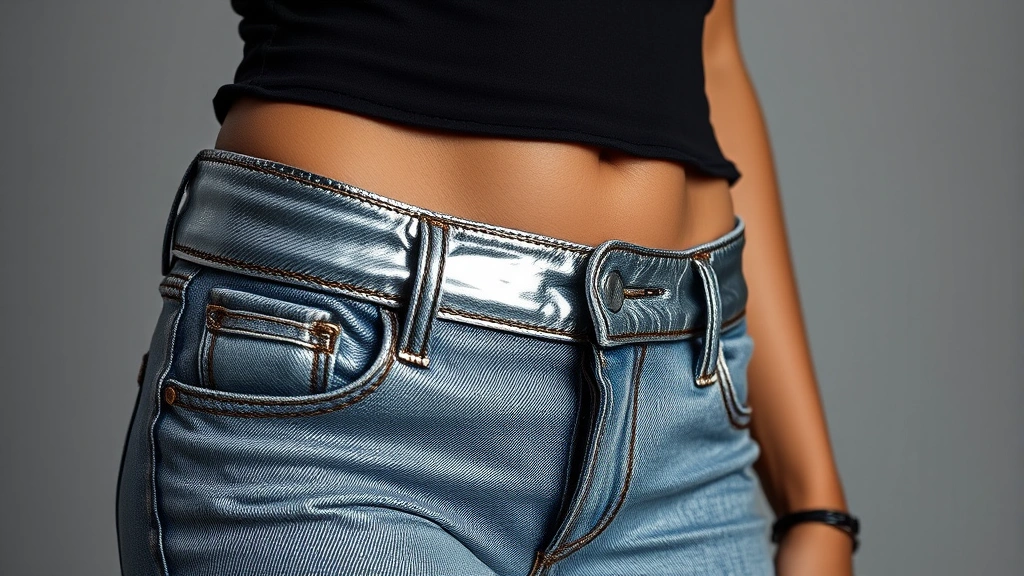
The whale tail begins with the right bottoms. Contemporary low-rise jeans have made a triumphant comeback, but they’re different from their early 2000s predecessors. Modern low-rise jeans tend to be more thoughtfully constructed, with better proportions and more flattering cuts. Brands like Agolde, Citizens of Humanity, and Re/Done have perfected the contemporary low-rise silhouette. Pair these with a thong underwear in a contrasting color or metallic finish for intentional whale tail styling.
Color and Material Choices
Unlike the early 2000s, when the whale tail was often accidentally visible, contemporary styling emphasizes intentionality. Choose thong underwear in colors that create visual interest against your bottoms. Metallic finishes, jewel tones, or contrasting neutrals work particularly well. Some fashion-forward stylists recommend coordinating your whale tail color with your top or accessories for a cohesive look.
Layering and Proportion
The modern whale tail works best when balanced with thoughtful layering. Pair low-rise jeans with fitted tops, baby tees, or cropped sweaters. Oversized blazers can create interesting tension with the exposed whale tail, creating an unexpectedly sophisticated aesthetic. The key is intentionality—every element should feel chosen rather than accidental.
Occasion Appropriateness
While the whale tail is having a moment, context matters. It works beautifully in casual settings, at social events, and in fashion-forward social environments. For professional settings or formal occasions, discretion remains advisable. The trend is best embraced in contexts where personal style expression is celebrated and expected.
Designer Perspectives and Runway Moments
The whale tail’s legitimization through high fashion has been crucial to its contemporary revival. Major designers have begun incorporating whale tail moments into their collections, signaling that the trend is more than internet nostalgia—it’s a calculated fashion statement.
Runway Features and Collections
Spring/Summer 2023 and 2024 fashion weeks featured multiple instances of whale tail styling on prestigious runways. Designers like Coperni, known for playful, provocative design, have explicitly incorporated the trend into their collections. Miu Miu’s creative director has also experimented with low-rise silhouettes and visible thong styling, bringing the trend into the luxury fashion conversation.
The High Fashion Legitimization Effect
When luxury designers embrace a trend, it fundamentally changes its cultural status. The whale tail has transitioned from being perceived as a low-fashion or accidental trend to being recognized as a legitimate design choice worthy of high fashion exploration. This legitimization has cascading effects throughout the fashion industry, influencing how mainstream brands and retailers approach the trend.
Emerging Designer Innovation
Beyond established luxury houses, emerging designers have made the whale tail a cornerstone of their aesthetic. Independent designers and smaller fashion brands have embraced the trend enthusiastically, creating innovative interpretations that push the concept forward. These designers often frame the whale tail as part of a broader conversation about fashion freedom and rejecting conservative dress codes.
Explore more about types of fashion styles to understand how the whale tail fits into contemporary style categories and how it relates to other trending aesthetics.
Body Confidence and Fashion Freedom
The whale tail’s return is inseparable from evolving conversations about body confidence and personal autonomy in fashion. Understanding these connections provides important context for the trend’s contemporary significance.
Reclaiming Personal Expression
The modern whale tail represents a reclamation of the right to style one’s body however one chooses. Unlike some early 2000s criticism that framed the trend as objectifying, contemporary discourse emphasizes personal agency. Individuals who embrace the whale tail today are making a deliberate choice to express themselves through fashion, rejecting the idea that bodies should be hidden or that visible underwear lines represent a wardrobe failure.
Diverse Body Representation
The original whale tail trend was often associated with specific body types and was sometimes criticized for promoting narrow beauty standards. The contemporary revival, however, emphasizes that the whale tail works beautifully on diverse body types. Fashion creators and influencers are deliberately styling the trend on bodies of different shapes, sizes, and ethnicities, creating more inclusive representations of how the trend can be worn.
The Confidence Factor
Styling the whale tail successfully requires a certain level of confidence and comfort with visible undergarments. For many people, embracing this trend represents a journey toward greater body acceptance and fashion confidence. It’s a deliberate rejection of shame-based fashion norms and an embrace of personal style sovereignty.
Understanding your personal style is crucial before embracing any trend, including the whale tail. Consider whether this aesthetic aligns with your style values and comfort level before committing to the trend.
Styling Tips for Different Occasions
Implementing the whale tail trend successfully requires understanding how to adapt it for different contexts and occasions.
Casual Street Style
For everyday casual styling, the whale tail works beautifully with low-rise jeans, a fitted graphic tee, and sneakers. Add an oversized button-up shirt worn open over the tee for layered sophistication. Accessorize with a mini bag, delicate jewelry, and sunglasses to complete the contemporary Y2K aesthetic. The key to casual whale tail styling is making it feel effortless while maintaining intentionality.
Night Out and Social Events
When styling the whale tail for evening events, elevate the concept with more luxurious pieces. Pair low-rise tailored trousers or designer jeans with a silk camisole or fitted top. Add a structured blazer and statement accessories to create an unexpectedly sophisticated look. Metallic or jeweled thong underwear works particularly well in evening contexts, catching light and creating visual interest.
Festival and Performance Aesthetics
Music festivals and performance events provide ideal contexts for whale tail styling. Combine low-rise jeans with a crop top, body chains, and statement accessories for a bold, fashion-forward festival look. This context allows for maximum creative expression and celebrates the playful, provocative energy the whale tail represents.
Fashion-Forward Work Environments
In creative industries where personal style expression is valued, the whale tail can work in professional contexts. Pair it with tailored low-rise trousers, a sophisticated top, and structured accessories. Ensure the look feels intentional and professional rather than casual or accidental. This approach requires careful calibration but can work beautifully in fashion-forward workplaces.
Seasonal Adaptations
The whale tail works across all seasons with thoughtful adaptation. In warmer months, pair it with lightweight fabrics and minimal layering. During cooler seasons, incorporate the trend into outfits featuring oversized sweaters, long cardigans, and structured jackets that create interesting contrast with the exposed whale tail. Seasonal color palettes—jewel tones in fall/winter, pastels and brights in spring/summer—can be reflected in your thong underwear choices.
For additional fashion accessories inspiration, consider how jewelry, belts, and bags can complement your whale tail styling and create cohesive, intentional outfits.
FAQ
Is the whale tail trend appropriate for all ages?
The whale tail is most prominently associated with younger generations and fashion-forward individuals. While there’s no age restriction on fashion, this trend works best for people who feel confident with visible undergarments and who exist in social environments where this style choice is celebrated. Fashion is ultimately about personal expression and comfort, so age matters less than individual preference and context.
What’s the difference between the original whale tail and today’s version?
The original whale tail (early 2000s) was often accidental or semi-intentional, part of a broader trend toward provocative fashion. Today’s whale tail is deliberately styled, more self-aware, and integrated into broader conversations about body confidence and fashion freedom. Contemporary styling emphasizes intentionality and sophistication rather than accidental exposure.
Can you wear the whale tail with high-rise jeans?
The whale tail is specifically designed for low-rise silhouettes, as the whole concept depends on the visible contrast between the bottom of the jeans and the thong underwear. High-rise jeans completely cover the whale tail, defeating the purpose of the trend. If you love low-rise jeans but want to avoid the whale tail effect, choose briefs or boyshorts instead.
How do I choose the right thong underwear for whale tail styling?
Consider color contrast, material quality, and comfort. Metallic finishes, jewel tones, and colors that contrast with your jeans create striking visual effects. Ensure the thong is comfortable and made from quality materials, as it will be visible. Many people prefer seamless options for a sleek appearance. Brands specializing in thong underwear offer various styles specifically designed for visibility and comfort.
Is the whale tail trend here to stay?
Harper’s Bazaar’s analysis of Y2K trends suggests that the broader Y2K revival will likely persist for several more years, meaning the whale tail will remain relevant in fashion conversations. However, like all trends, its prominence will eventually fade. The key is enjoying it while it resonates with you rather than viewing it as a permanent style fixture.
How can I style the whale tail in a work-appropriate way?
In creative industries, pair low-rise tailored trousers with a sophisticated top, structured blazer, and professional accessories. Keep the overall look polished and intentional rather than casual. Ensure your workplace culture celebrates fashion expression before implementing this trend in professional contexts. In more conservative industries, it’s advisable to skip this trend in work settings.
What undergarments work best for whale tail styling?
Thong underwear is the classic choice, as it creates the distinctive whale tail shape. However, some people experiment with other styles that create interesting visible lines. The thong remains the most effective option for achieving the authentic whale tail aesthetic. Ensure whatever you choose is comfortable and made from quality materials.
Can men wear the whale tail trend?
While the whale tail is traditionally associated with thong underwear and has historically been marketed toward women, fashion is increasingly genderless. Anyone who feels confident with visible undergarments and resonates with the aesthetic can embrace the trend. Contemporary fashion celebrates diverse expressions of style regardless of gender.
How do I ensure my whale tail styling looks intentional rather than accidental?
The key is styling everything else with intention and care. Ensure your jeans fit properly, your top is deliberately chosen, and your accessories are thoughtfully selected. The entire outfit should feel cohesive and planned rather than like a wardrobe malfunction. This intentionality is what distinguishes contemporary whale tail styling from accidental exposure.
Conclusion: The whale tail’s return to fashion prominence represents far more than simple nostalgia. It’s a sophisticated engagement with Y2K aesthetics, a statement about fashion cycles, and a celebration of body confidence and personal expression. Whether you choose to embrace this trend or observe from the sidelines, understanding its contemporary significance provides valuable insight into how fashion works, how trends cycle, and how each generation reinterprets style for their own moment. The whale tail is undeniably back in style—the question is whether it’s back in your personal style. Visit the Style Loom Daily Blog for more trend analysis and style inspiration.