1920s Fashion: How to Rock Vintage Glam Today
The 1920s represented a transformative era in fashion history, a decade when women broke free from restrictive corsets and embraced liberation through style. The styles of the 1920s fashions weren’t merely about clothing—they were a bold statement of social change, economic prosperity, and cultural revolution. From the iconic flapper dress to elegant Art Deco accessories, the Jazz Age created timeless silhouettes that continue to captivate fashion enthusiasts nearly a century later. Today, incorporating vintage glam from this golden era into your contemporary wardrobe isn’t just nostalgic; it’s a sophisticated way to express individuality and refinement.
Whether you’re attending a themed event, seeking inspiration for everyday elegance, or simply drawn to the rebellious spirit of the Roaring Twenties, understanding how to authentically interpret 1920s fashion requires knowledge of the key pieces, silhouettes, and styling techniques that defined the period. This comprehensive guide explores how to seamlessly blend Art Deco glamour with modern sensibilities, creating looks that honor vintage heritage while feeling completely contemporary. Learn how to find your personal style through the lens of 1920s aesthetics, and discover why this era remains endlessly influential in fashion circles worldwide.
The Iconic Flapper Dress and Modern Interpretation
The flapper dress stands as the most recognizable symbol of 1920s fashion, representing a radical departure from the silhouettes that dominated previous decades. These loose, straight-cut dresses hung from the shoulders without emphasis on the waist, allowing women unprecedented freedom of movement. The hemline rose dramatically to the knee—scandalous by Victorian standards—and the dropped waistline created an androgynous, youthful aesthetic that challenged traditional notions of femininity.
What made flapper dresses revolutionary was their rejection of the S-bend corset that had shaped women’s bodies for generations. Instead, designers like Vogue featured designers such as Coco Chanel who championed comfort and functionality. The typical flapper dress featured minimal ornamentation on the bodice but often showcased elaborate beading, fringe, and sequins on the skirt, creating movement and shimmer with every dance move. Dresses were often sleeveless or featured thin straps, and many included low backs that scandalized conservative society.
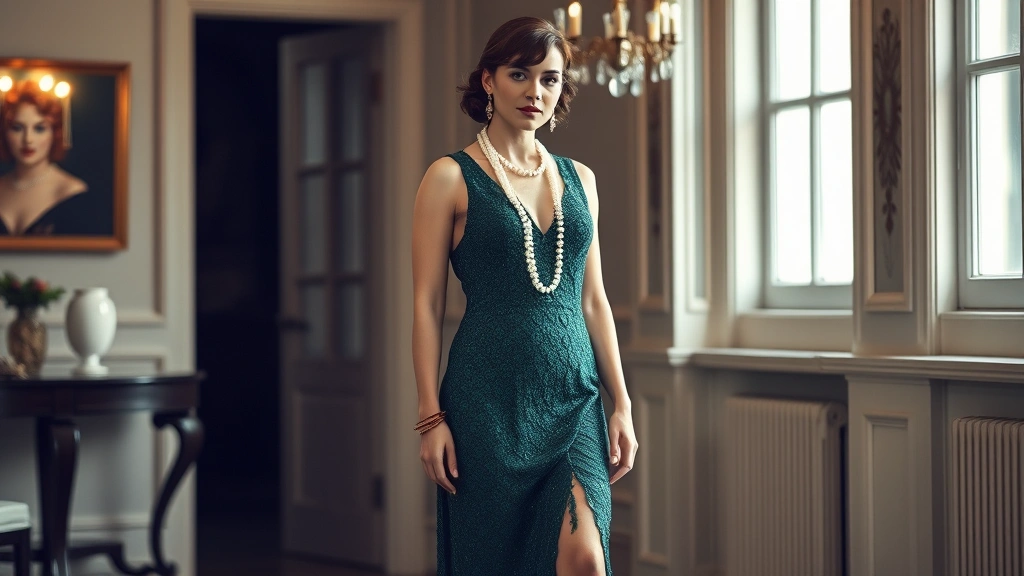
Today, you can capture the flapper spirit without wearing an exact replica. Look for slip dresses in silk or satin with subtle art deco patterns, pair them with a modern belt to create definition, and style them with contemporary accessories. A knee-length shift dress in jewel tones like emerald or sapphire, combined with a tailored blazer, creates a sophisticated 1920s-inspired look suitable for professional settings. The key is understanding the types of fashion styles that influenced the era and how to reinterpret them through a modern lens.
Many contemporary fashion houses have reissued 1920s-inspired pieces that maintain historical accuracy while incorporating modern construction and fabrics. Exploring the complete fashion history timeline helps contextualize how flapper aesthetics evolved and influenced subsequent decades. The beauty of flapper-inspired fashion today is its versatility—you can wear a full-length gown with Art Deco beading for formal occasions or opt for a simple slip dress as a sophisticated everyday piece.
Essential 1920s Silhouettes Every Style Enthusiast Should Know
Beyond the flapper dress, the 1920s introduced several influential silhouettes that shaped modern fashion. The drop-waist dress featured a waistline positioned at the hips rather than the natural waist, creating a straight, elongated line that flattered various body types. This silhouette became the foundation for countless contemporary designs and remains a flattering option for many body shapes today. The dropped waist creates a lengthening effect and allows for comfortable, unrestricted movement—qualities that remain desirable in modern fashion.
The bias-cut gown, popularized by designer Madeleine Vionnet, represented a technical innovation that allowed fabric to cling to the body’s curves while maintaining fluidity and movement. These elegant evening gowns, often in luxurious silk or crepe, created a sensual silhouette that celebrated the female form without relying on structured undergarments. Modern interpretations of bias-cut gowns appear regularly on contemporary runways, proving the timeless appeal of this construction technique.
The straight-line dress emphasized a tubular, columnar shape that minimized curves and created an avant-garde appearance. Often paired with a long strand of pearls or beads, this silhouette represented the modern, progressive woman of the Jazz Age. Today, minimalist slip dresses and column gowns draw direct inspiration from this 1920s innovation, appealing to those who prefer understated elegance.
Cloche hats and head-hugging silhouettes extended beyond just headwear—the overall aesthetic emphasized a streamlined, elongated head-to-toe line. Hair was bobbed short, and the entire silhouette avoided volume and excessive ornamentation except where strategically placed for dramatic effect. Understanding these core silhouettes helps you build authentic vintage-inspired outfits that capture the era’s essence while remaining wearable in contemporary contexts.
The evening coat or wrap provided elegant layering for formal occasions, often featuring dramatic sleeves, fur trim, or luxurious fabrics like velvet and satin. These pieces were essential for completing 1920s formal wear and remain valuable components of sophisticated modern wardrobes. Learning about fashion accessories of the period, including these structural pieces, deepens your understanding of complete 1920s styling.
Accessories That Define 1920s Glamour
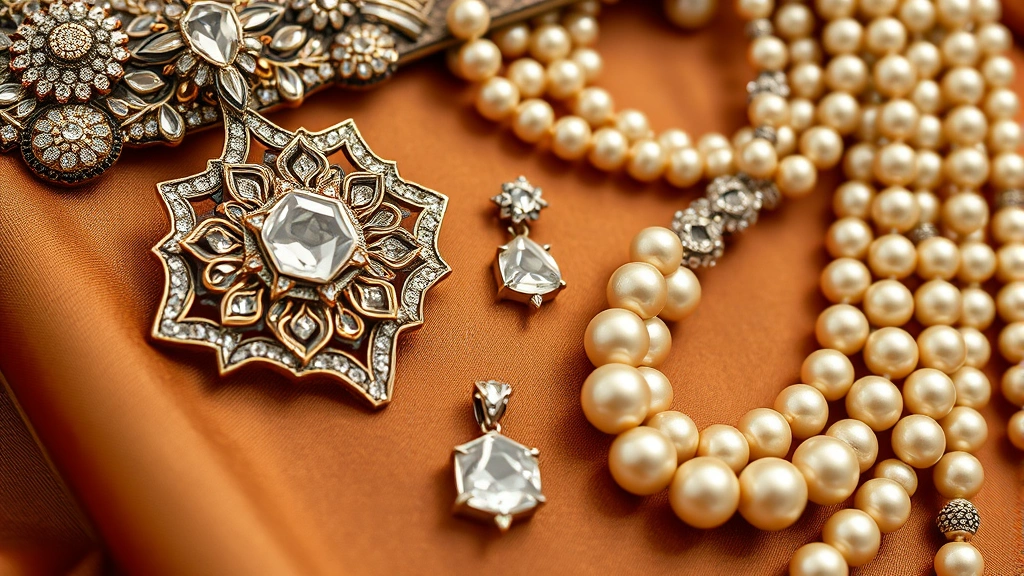
Accessories were absolutely crucial to 1920s fashion, transforming simple silhouettes into stunning ensembles. The long pearl necklace remains the most iconic accessory of the era, often worn in multiple strands that hung to the waist or even lower. These pearls weren’t merely decorative—they represented wealth, sophistication, and modernity. Today, layered pearl necklaces in varying lengths create an instantly recognizable 1920s aesthetic, whether worn with contemporary or vintage clothing.
Art Deco jewelry featuring geometric patterns, rich gemstones, and precious metals defined the period’s aesthetic sensibility. Brooches, bracelets, and earrings incorporated bold lines, stepped patterns, and stylized motifs inspired by Cubism and other modernist art movements. These pieces were often statement-making and required no additional ornamentation to complete an outfit. Investing in quality Art Deco-inspired jewelry pieces ensures your vintage-glam aesthetic feels authentic and elevated.
Headpieces and hair ornaments included jeweled headbands worn low on the forehead, feathered fascinators, and beaded skull caps that complemented the era’s short bobbed hairstyles. These accessories added glamour and personality to relatively simple silhouettes. Modern versions of these headpieces work beautifully for formal events, costume parties, or creative styling projects.
Beaded bags and evening clutches were works of art, featuring intricate beadwork in geometric patterns or figurative designs. Many were made with mesh fabric and ornate metal frames, combining functionality with stunning visual impact. Contemporary evening bags inspired by 1920s designs offer similar aesthetic appeal and remain practical for modern occasions.
Shoes and hosiery completed the 1920s look, with T-strap heels becoming iconic footwear of the era. These shoes featured a strap across the instep and typically came in neutral tones that complemented the era’s color palette. Rolled stockings were worn just below the knee, creating a distinctive silhouette. Modern T-strap heels, available from numerous contemporary designers, instantly evoke the period while remaining comfortable for everyday wear.
Hairstyles and Makeup of the Jazz Age
The 1920s witnessed revolutionary changes in beauty standards, with the bob haircut becoming the ultimate symbol of modernity and liberation. This short, chin-length style was shocking to conservative society but represented women’s newfound freedom and rejection of traditional femininity. The bob came in various styles—the blunt bob, the shingle bob, and the longer Eton crop—each offering different levels of androgyny and sophistication.
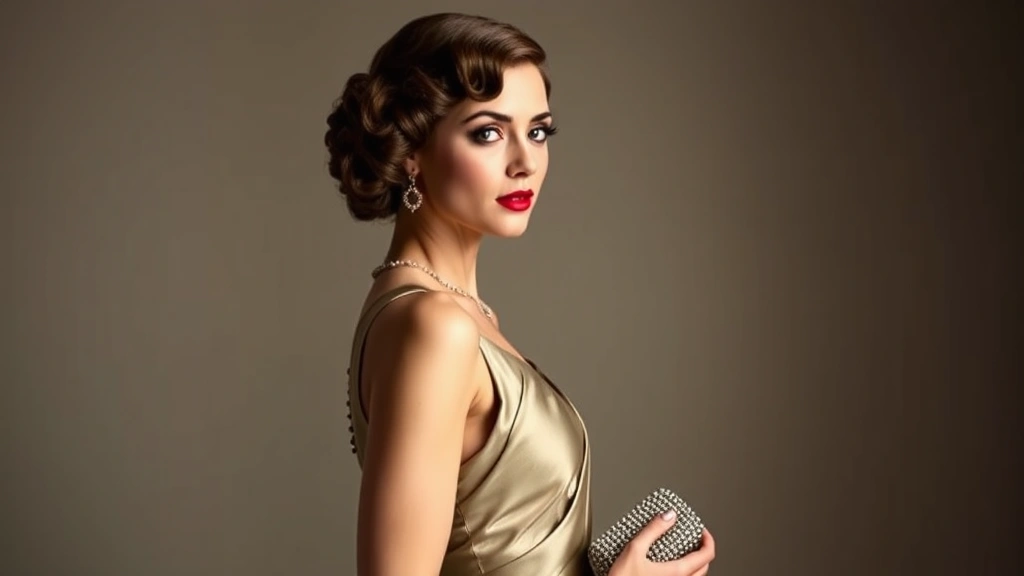
Hair was often sleek and close to the head, sometimes with finger waves that created geometric patterns across the scalp. These waves required setting lotions and careful styling but created a polished, intentional appearance that complemented the era’s overall aesthetic. Modern waves and vintage-inspired updos can capture this essence without requiring the time-intensive styling methods of the original era.
Makeup became bold and visible, a significant departure from the natural, barely-there approach of previous decades. Women applied heavy foundation, defined eyebrows in thin, arched lines, and used dramatic eye makeup including kohl liner and mascara. Lips were painted in deep reds and burgundies, often in a cupid’s bow shape that was dramatically different from the wearer’s natural lip line. This theatrical makeup approach reflected the influence of theater and film on 1920s beauty standards.
The beauty mark or artificial mole was a popular accent, sometimes created with makeup or actual beauty patches. Pale skin was still considered desirable, but the overall makeup aesthetic was far more dramatic and intentional than in previous eras. Today, recreating 1920s makeup for events or photography involves embracing bold definition, strong brows, and statement lip color.
Color Palettes and Fabrics of the Era
The 1920s color palette reflected both the optimism of the era and the practical considerations of the time. Jewel tones like emerald green, sapphire blue, and ruby red dominated evening wear, creating stunning contrast with metallic accents and beadwork. These rich, saturated colors conveyed luxury and sophistication, and they remain flattering on diverse skin tones when worn in the right silhouettes.
Neutral tones including black, white, cream, and gray provided the foundation for many 1920s outfits, offering sophistication and versatility. Beige and taupe were popular for daytime wear, while black was essential for formal evening occasions. These neutral bases allowed accessories and embellishments to take center stage.
Metallic accents in gold and silver were crucial to 1920s glamour, appearing as beading, fringe, and embroidery on garments. The interplay between matte fabrics and shimmering embellishments created visual interest and movement. Understanding how to balance metallic elements in contemporary outfits helps capture authentic 1920s glamour without appearing costume-like.
Regarding fabrics, the 1920s favored materials that draped beautifully and allowed for unrestricted movement. Silk, crepe, chiffon, and satin were preferred for their fluid qualities and luxurious appearance. Velvet provided richness for evening wear, while cotton and linen served practical functions in daytime garments. Beaded mesh and metallic fabrics added texture and visual impact to formal wear.
Fur and feathers were prominent in 1920s fashion, used as trim on coats and dresses or as standalone accessories like stoles and boas. While modern ethical considerations have changed our relationship with these materials, faux fur and feather alternatives offer similar visual impact with contemporary sensibilities.
Styling Vintage 1920s Pieces for Contemporary Life
Incorporating 1920s fashion into your modern wardrobe requires thoughtful curation and strategic styling. The key is balancing vintage authenticity with contemporary practicality. Start by investing in one or two quality statement pieces—perhaps an authentic beaded dress or a well-constructed bias-cut gown—and build outfits around them using modern basics.
A 1920s-inspired slip dress becomes instantly modern when paired with a contemporary blazer, modern sneakers, or a leather jacket. This juxtaposition of eras creates visual interest and prevents the outfit from feeling costume-like. Layer a vintage evening gown with a modern cardigan for unexpected sophistication that works for contemporary social occasions.
Accessorizing strategically allows you to evoke the era without overwhelming modern silhouettes. Pair a simple contemporary dress with Art Deco jewelry and a beaded clutch for instant 1920s glamour. A single strand of pearls or a jeweled headband can transform a basic outfit into something distinctly vintage-inspired.
Hair and makeup play crucial roles in completing a 1920s-inspired look. Even if you’re not ready to commit to a full bob haircut, styling your hair in finger waves or a low, sleek bun evokes the era. Bold lip color and defined brows update the 1920s makeup aesthetic for contemporary beauty standards.
Understanding current style trends and fashion insights helps you identify which 1920s elements are experiencing renewed popularity. Fashion cycles continually revisit historical periods, and the 1920s aesthetic regularly influences contemporary runway collections. This cyclical interest makes vintage pieces increasingly relevant and easier to style alongside current fashion.
For everyday wear, focus on silhouettes and proportions rather than exact reproductions. A drop-waist midi skirt in a neutral tone, paired with a fitted top and modern accessories, captures 1920s essence while remaining practical for daily life. T-strap heels with contemporary clothing create instant vintage vibes without requiring a complete outfit change.
Where to Find Authentic 1920s Fashion Today
Building a 1920s-inspired wardrobe involves sourcing pieces from various venues, each offering different advantages. Vintage and antique shops provide authentic period pieces that carry historical significance and unique character. These genuine articles offer unmatched quality and authenticity, though they require careful maintenance and may be fragile. Vintage markets and estate sales frequently yield exceptional finds at reasonable prices.
Specialized vintage retailers curate 1920s pieces and often provide detailed information about construction, materials, and historical context. These retailers ensure pieces are authentic and in wearable condition, offering peace of mind for significant investments. Online vintage platforms have expanded access to rare and specific pieces regardless of geographic location.
Contemporary designers regularly create 1920s-inspired collections that offer modern construction with vintage aesthetics. These pieces provide the visual appeal of the era with contemporary comfort, sizing, and durability. Many high-end fashion houses reference the 1920s in their collections, making authentic-looking vintage-inspired pieces readily available.
Department stores and online retailers offer affordable 1920s-inspired pieces perfect for experimenting with the aesthetic without significant investment. While these pieces may lack the authenticity of genuine vintage items, they provide accessible entry points for building your vintage-glam wardrobe.
Exploring Harper’s Bazaar’s fashion archives provides inspiration and historical context for 1920s styling. Fashion history resources help you understand the period more deeply and identify which pieces and aesthetics align with your personal style preferences.
When shopping for 1920s pieces, consider your lifestyle and how you’ll realistically wear vintage items. A delicate beaded evening gown might remain unworn if you don’t attend formal events regularly, while a versatile slip dress or quality T-strap heels integrate more easily into contemporary wardrobes. Quality matters significantly in vintage pieces—examine construction, seams, and material condition carefully before purchasing.
FAQ
What are the main characteristics of 1920s fashion?
1920s fashion is characterized by dropped waistlines, loose silhouettes that eliminated corsets, shorter hemlines reaching the knee, minimal ornamentation on bodices, and elaborate beading and fringe on skirts. The era emphasized comfort and movement, reflecting women’s social liberation. Key pieces include the flapper dress, bias-cut gowns, and straight-line dresses. Accessories like long pearls, Art Deco jewelry, and T-strap heels were essential. The overall aesthetic celebrated modernity, androgyny, and youth.
How can I wear 1920s fashion without looking like I’m in costume?
Balance vintage pieces with contemporary elements. Pair a 1920s slip dress with a modern blazer and sneakers, or style a beaded clutch with contemporary clothing. Focus on silhouettes and proportions rather than complete outfit reproductions. Use 1920s-inspired accessories like pearls or Art Deco jewelry with modern garments. Keep hair and makeup contemporary while incorporating subtle 1920s elements like defined brows or jewel-toned lips. One or two vintage-inspired pieces per outfit prevents an overly costume-like appearance.
Where can I find authentic 1920s pieces?
Vintage and antique shops, estate sales, and specialized vintage retailers offer authentic period pieces. Online vintage platforms provide access to rare items. Contemporary designers regularly create 1920s-inspired collections with modern construction. Department stores and online retailers offer affordable 1920s-inspired alternatives. When purchasing vintage pieces, examine construction quality and condition carefully. Consider how you’ll realistically wear pieces before investing in them.
What shoes were popular in the 1920s?
T-strap heels were the iconic 1920s shoe, featuring a strap across the instep and typically coming in neutral tones. Mary Jane styles with ankle straps were also popular. Shoes had relatively low heels by modern standards. Modern reproductions of 1920s-style shoes are readily available from contemporary designers. Rolled stockings worn just below the knee completed the 1920s footwear aesthetic.
Is the bob haircut essential for 1920s-inspired styling?
While the bob is iconic to the 1920s aesthetic, it’s not essential for modern vintage-inspired looks. Styling longer hair in finger waves, sleek updos, or low buns captures the era’s polished aesthetic. If you’re not ready for a permanent cut, temporary styling methods achieve similar visual effects. The key is creating a neat, intentional hairstyle that complements your overall 1920s-inspired outfit.
What colors should I choose for 1920s-inspired outfits?
Jewel tones like emerald, sapphire, and ruby work beautifully for evening wear and special occasions. Neutral tones including black, white, cream, and gray provide versatile foundations for 1920s-inspired outfits. Metallic accents in gold and silver add glamour through accessories and embellishments. For daytime wear, beige and taupe offer sophisticated options. Choose colors that flatter your skin tone while maintaining the era’s color palette.
How do I style 1920s accessories with modern clothing?
Layer pearl necklaces of varying lengths with contemporary dresses for instant 1920s glamour. Add a single Art Deco brooch to a simple blazer or dress. Carry a beaded evening clutch with modern outfits for unexpected sophistication. Wear T-strap heels with jeans or contemporary dresses. A jeweled headband worn with modern hairstyles creates distinctive vintage flair. The key is using accessories strategically to evoke the era without overwhelming contemporary silhouettes.
Can I wear 1920s fashion for everyday occasions?
Absolutely. Focus on silhouettes and proportions rather than exact reproductions. A drop-waist midi skirt, slip dress, or bias-cut trousers integrate 1920s elements into casual wardrobes. Pair 1920s-inspired pieces with contemporary basics for accessible, wearable vintage styling. T-strap heels work with jeans or contemporary dresses. Understanding how to find your personal style helps you identify which 1920s elements align with your lifestyle and aesthetic preferences.