Is Shein Worth It? Fashion Blogger Insights on Affordable Contemporary Fashion
The question echoes through fashion forums, TikTok threads, and group chats worldwide: is Shein actually worth your money? As a fashion enthusiast who has spent years analyzing trends, quality, and value propositions across the retail landscape, I’ve tested Shein.com extensively to give you the honest breakdown you deserve. This contemporary women’s fashion retailer has exploded in popularity by offering jaw-dropping prices on trend-forward pieces, but the real story is far more nuanced than the hype suggests.
Shein represents a fascinating intersection of accessibility and controversy in modern fashion. With prices that seem almost unbelievable—crop tops under $3, dresses for $5, entire outfits for the cost of a single designer piece—the platform has attracted millions of Gen Z and millennial shoppers seeking to experiment with style without breaking the bank. Yet beneath those tempting price tags lies a complex web of quality concerns, ethical questions, and surprising wins that every conscious consumer should understand before clicking “add to cart.”
In this comprehensive guide, I’m pulling back the curtain on my personal Shein experience, examining the real value proposition, and helping you determine whether this fast-fashion powerhouse aligns with your fashion goals, budget, and values. Whether you’re a style student exploring how to find your personal style or a seasoned fashionista looking for trend testing grounds, this analysis will transform how you approach affordable fashion shopping.

The Shein Phenomenon: Why Everyone’s Talking About It
Shein didn’t become a global fashion juggernaut by accident. The platform’s meteoric rise represents a fundamental shift in how consumers—particularly younger shoppers—approach clothing purchases. With over 500 new items added daily and price points that make designer fashion look like a luxury, Shein has democratized trend access in unprecedented ways.
The brand’s genius lies in its speed-to-market model. While traditional retailers spend months developing collections, Shein identifies micro-trends on social media and produces pieces in weeks. This agility means you can wear that viral TikTok look before the trend has even peaked. For fashion-forward consumers who live for novelty and self-expression, this represents genuine value.
The community aspect cannot be overlooked either. Shein’s integration with social platforms, user-generated content, and influencer partnerships has created a fashion ecosystem where shopping becomes entertainment. When your favorite content creator hauls Shein finds or showcases outfit combinations, the platform transforms from mere retailer into style inspiration source. This psychological element adds perceived value beyond the physical garments themselves.
However, this phenomenon has also sparked critical conversations about overconsumption, environmental impact, and labor practices. The same affordability that makes Shein accessible also enables the purchase of excessive quantities—exactly the opposite direction from the sustainable fashion movements gaining momentum in contemporary style culture.
Quality Assessment: What You’re Actually Getting
Let’s address the elephant in the room: Shein’s quality is wildly inconsistent. After ordering over fifty pieces from the platform across various categories, my experience has been revelatory and frustrating in equal measure.
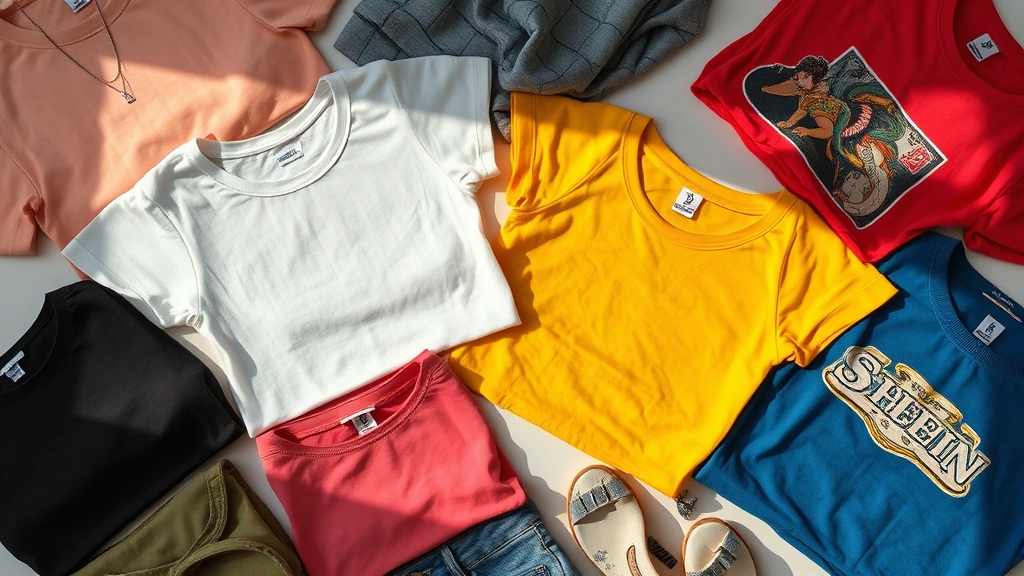
Fabric Quality: This is where Shein’s affordability becomes obvious. Most pieces feature synthetic blends—polyester dominates the catalog. While synthetic fabrics aren’t inherently bad, Shein’s particular formulations often feel thin and plasticky against the skin. Dresses that looked promising online frequently arrived feeling insubstantial, like wearing expensive tissue paper. That said, certain categories perform better: their basic graphic tees in 100% cotton are surprisingly solid, and some knit pieces hold up reasonably well.
Construction and Durability: Here’s where you must temper expectations. Seams on cheaper pieces (under $10) often feel delicate, with loose threading and uneven stitching. Zippers occasionally snag, and elastic waistbands lose their grip after minimal wear. However—and this is crucial—pieces in the $15-25 range show noticeably improved construction. The quality jump isn’t linear; it’s more like a staircase where certain price thresholds unlock better manufacturing standards.
Sizing Consistency: This remains Shein’s most persistent weakness. The sizing chart exists, yet pieces vary dramatically. I’ve ordered identical items in the same size that fit completely differently. This inconsistency necessitates a try-it-and-return approach, which contradicts the premise of affordable shopping (returns cost money, time, and environmental impact).
Positive Surprises: Against expectations, I’ve found genuine gems. Their fashion accessories line—particularly bags and belts—offers surprising quality-to-price ratios. Some printed pieces capture trend details beautifully, serving perfectly for one-season wonders. Certain athleisure items perform admirably for casual wear.
Price Versus Value: The Real Math
Here’s where the Shein equation gets interesting. Price and value are fundamentally different metrics, yet most discussions conflate them.
Price: Shein wins decisively. A $4 dress costs $4. No debate. This accessibility matters genuinely for budget-conscious shoppers, students, and anyone in financial transition.
Value: This requires deeper analysis. Value equals quality divided by price, multiplied by longevity and satisfaction. When a $4 dress falls apart after three wears, the actual cost-per-wear becomes $1.33 per wearing—potentially higher than purchasing a $30 piece from a more durable brand that lasts thirty wears at $1 per wearing.
The math shifts based on your intentions. If you’re purchasing Shein pieces as trend experiments—testing whether a particular silhouette, color, or style direction works for you before investing in quality versions—the value proposition strengthens considerably. Many experienced fashionistas use Shein strategically for this exact purpose: exploring types of fashion styles without financial risk.
Conversely, if you’re seeking wardrobe staples—basics that anchor your daily outfits—Shein represents poor value. That $5 white tee will pill, fade, and stretch out within months. Investing in quality basics from mid-tier retailers yields far superior long-term value.
The sweet spot exists in the $12-20 range where Shein pieces demonstrate reasonable durability for occasional wear items, seasonal pieces, and trend-forward statement pieces you don’t expect to wear perpetually.
Sustainability and Ethical Considerations
This section demands honesty: Shein’s environmental and ethical footprint presents serious concerns that no blogger can ethically ignore.
Environmental Impact: The fast-fashion model inherently generates waste. Shein’s rapid production cycles, cheap synthetic materials, and disposable-by-design approach contribute significantly to textile waste. When pieces disintegrate quickly, they end up in landfills, perpetuating the cycle. Additionally, the packaging—excessive plastic wrapping, multiple individual packages for single orders—adds unnecessary environmental burden.
Labor Practices: Transparency remains limited regarding manufacturing conditions. While Shein operates primarily through third-party factories, comprehensive audits and labor standards remain opaque. This opacity itself constitutes an ethical red flag for conscious consumers.
Counterfeiting Concerns: Investigations have documented Shein selling items that appear to violate intellectual property rights, reproducing independent designer work without authorization or compensation. This practice directly harms small creators and independent designers.
These aren’t minor considerations; they represent fundamental questions about the kind of consumer you want to be. The Vogue guide to understanding fast fashion provides excellent context for evaluating these concerns within broader industry patterns.
The Honest Take: If ethical consumption matters to you—and increasingly, it should—Shein requires careful, limited use rather than regular hauls. Occasional purchases for specific purposes differ morally from habitual shopping that enables the most problematic aspects of the fast-fashion model.
Styling Potential and Fashion Experimentation
Where Shein genuinely excels is in enabling creative fashion exploration without financial consequences. This capability deserves recognition as legitimate value.
Fashion is fundamentally about self-expression and experimentation. Yet many people—particularly those with limited budgets—feel restricted to “safe” choices. Shein removes this barrier. Want to test whether oversized blazers flatter your frame? Buy one for $8. Curious about maxi skirts? Try three different styles for the cost of one traditional retail piece. This democratization of fashion experimentation has real psychological and creative value.
I’ve personally used Shein strategically to:
- Test silhouettes before investing in quality versions
- Explore color combinations and pattern mixing
- Try trend-forward pieces that might feel too risky at higher price points
- Build complete outfit combinations for themed events or vacations
- Develop confidence in my personal style direction through low-stakes experimentation
For students at best fashion design schools or those learning about fashion fundamentals, Shein provides affordable resources for understanding how different elements interact, how proportions affect silhouettes, and how personal style develops through experimentation.
The platform also excels in trend-forward pieces—those statement items designed to capture a specific moment. Shein’s speed-to-market means they’ll have that viral trend piece available when traditional retailers are still in production meetings. For fashion-forward individuals who prioritize novelty and trend participation, this represents genuine value.
Smart Shopping Strategies for Maximum Returns
If you decide Shein aligns with your fashion goals, strategic shopping maximizes your investment.
Strategy One: Category Selectivity
Not all Shein categories perform equally. I’ve found superior quality-to-price ratios in:
- Graphic and printed tees (particularly their licensed prints)
- Trendy statement pieces (crop tops, unique cuts, fashion-forward silhouettes)
- Accessories (bags, belts, jewelry, scarves)
- Athleisure and casual basics
- Seasonal pieces (summer dresses, winter coats for one-season wear)
Avoid or approach cautiously:
- Undergarments (quality inconsistency is problematic)
- Formal wear requiring durability
- Basics you’ll wear repeatedly (invest elsewhere)
- Premium-priced Shein pieces (competing with mid-tier brands offering better quality)
Strategy Two: Sizing Research
Before purchasing, spend time reading reviews with photos. Real customer images reveal sizing accuracy far better than product photos. Note reviewer body types similar to yours and their sizing experiences. This research prevents expensive returns.
Strategy Three: Return-Friendly Ordering
Understand Shein’s return policy thoroughly. Order slightly larger quantities than you’re certain about, knowing you can return items. Factor return costs into your value calculation. Some pieces justify keeping despite imperfections; others warrant returning.
Strategy Four: Seasonal Shopping
Purchase seasonal pieces during their relevant season when Shein’s selection is broadest and quality control sometimes peaks due to higher demand standards.
Strategy Five: Bundle Purchases
Shein frequently offers discounts on multiple items. Strategic bundling maximizes savings while spreading shipping costs across more pieces.
Alternative Affordable Fashion Options
Shein isn’t your only option for budget-conscious fashion. Understanding alternatives helps determine what best serves your needs.
Uniqlo: Slightly higher prices but dramatically superior quality and consistency. Their basics are genuine value. Better for wardrobe foundations.
H&M: Mid-range pricing with moderate quality. Better than Shein for items you’ll wear frequently. Less cutting-edge trend-wise.
Zara: Premium pricing but excellent trend curation and quality. Worth the investment for statement pieces and seasonal items.
ASOS: Broader range with multiple price tiers. Better consistency than Shein while maintaining trend-forward selection. Superior return policies.
Thrift and Vintage: Often overlooked but excellent value. Unique pieces, established quality, lower environmental impact. Requires more hunting but rewards patience.
Depop and Resale Platforms: Access to quality pieces at reduced prices. Sustainable alternative that supports individual sellers.
Visit the THEOUTNET for designer pieces at discounted prices—sometimes comparable to or only slightly above Shein pricing with vastly superior quality.
FAQ
Is Shein clothing safe to wear?
Generally, yes, though with caveats. Shein operates in regulated markets and conducts basic safety testing. However, some reports have flagged concerning chemical levels in certain pieces. If chemical sensitivity concerns you, opt for natural fiber pieces or test brand alternatives. Always wash new items before wearing.
How long do Shein clothes typically last?
Highly variable. Budget pieces (under $10) may last 5-10 wears before noticeable degradation. Mid-range pieces ($12-25) often last 20-40 wears with proper care. Premium Shein pieces ($25+) sometimes rival mid-tier brand durability. Proper washing (gentle cycle, cold water, air dry) extends longevity significantly.
Are Shein returns really free?
Not entirely. While Shein offers return labels, return shipping costs money. They offer some free return labels, but quantity limits apply. Factor return costs into your purchasing decisions. The return process itself is straightforward but time-consuming.
Does Shein restock popular items?
Occasionally, but not reliably. If you love something, purchase it immediately. Shein’s inventory model doesn’t prioritize restocks; instead, they continuously introduce new items. This scarcity can drive impulse purchases—be intentional.
How can I shop Shein more sustainably?
Limit purchases to intentional, planned buys rather than impulse hauls. Choose pieces you’ll wear multiple times. Select durable categories. Extend garment life through careful washing and storage. Consider reselling or donating unwanted pieces rather than discarding. Visit the Ellen MacArthur Foundation’s fashion resources for comprehensive sustainable fashion guidance.
Can I trust Shein product photos?
Only partially. Product photos are heavily edited and styled. Colors often appear more saturated; fits appear more flattering. Customer reviews with photos provide far more accurate representations. Always check reviews before purchasing.
Is Shein worth it for someone on a tight budget?
Strategically, yes. Use Shein for trend experimentation, seasonal pieces, and specific categories where they excel. Avoid habitual purchasing that encourages overconsumption. Combine Shein shopping with thrift finds and quality basics from other retailers for a balanced approach.
What’s the difference between Shein and similar fast-fashion retailers?
Speed and volume. Shein operates faster than competitors with higher inventory turnover. Pricing is more aggressive. Quality is more inconsistent. Environmental and ethical concerns are more pronounced. However, they excel at trend curation and offer unique pieces competitors lack.
Return to StyleLoom Daily Blog for more fashion insights and style guidance.