Roaring Twenties Fashion: Vintage Expert Insights
The 1920s represents one of the most transformative and exhilarating decades in fashion history. Often called the Roaring Twenties, this era fundamentally revolutionized how people dressed, moving away from the restrictive Victorian silhouettes toward liberation, modernity, and daring self-expression. Women bobbed their hair, shortened their hemlines, and embraced looser, more comfortable garments that reflected the era’s spirit of independence and social change. Men adopted sharper tailoring, sleeker lines, and accessories that conveyed sophistication and style.
This golden age of fashion wasn’t merely about clothing—it was a cultural rebellion. The decade followed World War I, bringing economic prosperity, jazz music, and a youthful desire to break free from tradition. Fashion became the language through which an entire generation communicated their values, aspirations, and newfound freedoms. Understanding roaring twenties fashion provides invaluable insights into how clothing reflects societal transformation, making it essential knowledge for anyone interested in fashion history and contemporary style trends.
Whether you’re a fashion enthusiast, vintage collector, or designer seeking historical inspiration, the aesthetics and philosophies of the 1920s continue to influence modern fashion. Let’s explore the defining characteristics, key pieces, and enduring legacy of this remarkable decade through expert insights and detailed analysis.
The Cultural Revolution Behind 1920s Fashion
The fashion of the 1920s didn’t emerge in a vacuum—it was the direct result of profound social, political, and economic shifts. The end of World War I marked a turning point in Western civilization. Young people, having witnessed the horrors of war, rejected the formality and rigid social structures their parents had maintained. Women had gained voting rights in many countries, entered the workforce during wartime, and refused to return to their pre-war roles. This empowerment translated directly into their wardrobes.
According to Vogue’s historical archives, the 1920s represented fashion’s first truly modern era, where comfort and practicality began competing with tradition for the first time. The corset, which had dominated women’s fashion for centuries, was abandoned in favor of straighter, more natural silhouettes. This wasn’t merely aesthetic—it was revolutionary. Women could finally breathe, move freely, and participate fully in society without physical restriction.
Understanding the complete fashion history timeline reveals how the 1920s served as a pivotal bridge between historical dress codes and contemporary fashion freedom. The decade established principles of individuality, comfort, and self-expression that remain central to fashion philosophy today.
The economic boom of the Jazz Age created unprecedented consumer spending power, particularly among younger, urban populations. Fashion became accessible, exciting, and frequently changing—the birth of seasonal trends and fast fashion consciousness. Department stores flourished, magazines proliferated, and fashion became democratized rather than exclusively controlled by aristocratic elites.
Women’s Fashion: Breaking Boundaries
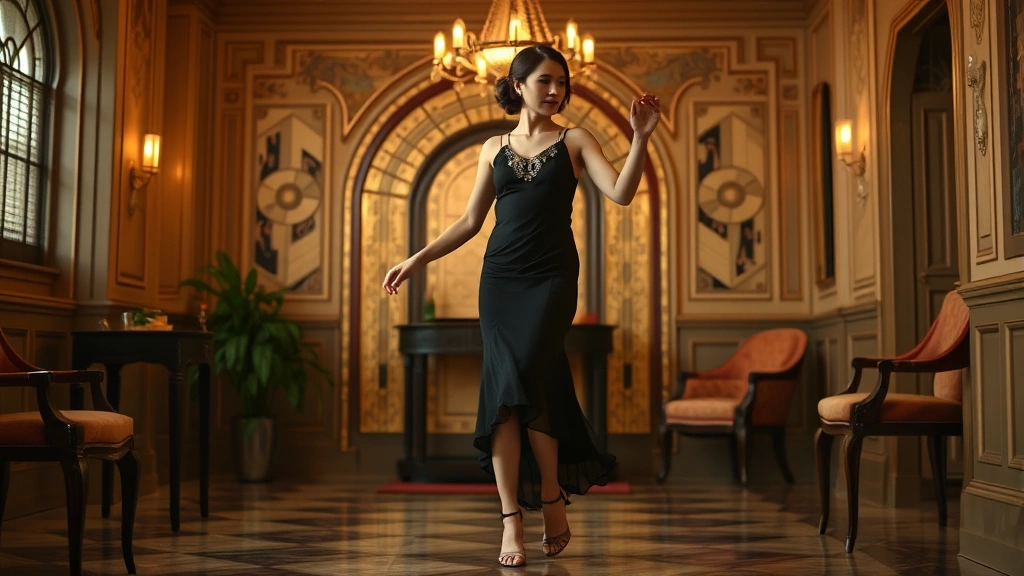
Women’s fashion during the 1920s underwent perhaps the most dramatic transformation of any decade. The iconic flapper dress became the symbol of the era—a straight, loose-fitting garment that hung from the shoulders, typically ending just below the knee. This represented a shocking 8-10 inches above the ankle, a scandalous length that horrified conservative society members. The dress featured minimal waistline definition, comfortable arm holes, and often incorporated beading, fringe, or geometric patterns that caught light and movement.
The dropped waistline, positioned at the hips rather than the natural waist, created an androgynous silhouette that rejected traditional femininity. This wasn’t accidental—it was intentional rejection of the hourglass figure that had dominated previous decades. Women wanted to be seen as modern, capable, and unencumbered by restrictive fashion.
Beyond dresses, women embraced several revolutionary fashion choices:
- Bobbed hair—short, chin-length cuts that shocked society and became the visual symbol of the modern woman
- Lower necklines—revealing backs and shoulders in ways previously considered inappropriate
- Loose stockings—rolled down to reveal knees, sometimes intentionally creating wrinkles for a relaxed aesthetic
- Cloche hats—tight-fitting, bell-shaped hats that pulled down over the eyes and forehead
- Comfortable shoes—T-strap heels and Mary Janes replacing restrictive Victorian footwear
Discovering your personal style involves understanding historical context, and learning how to find your personal style can be informed by studying how 1920s women rejected conformity. The decade taught us that fashion is a form of identity and rebellion. Younger women particularly embraced these changes, creating visible generational divide in fashion choices.
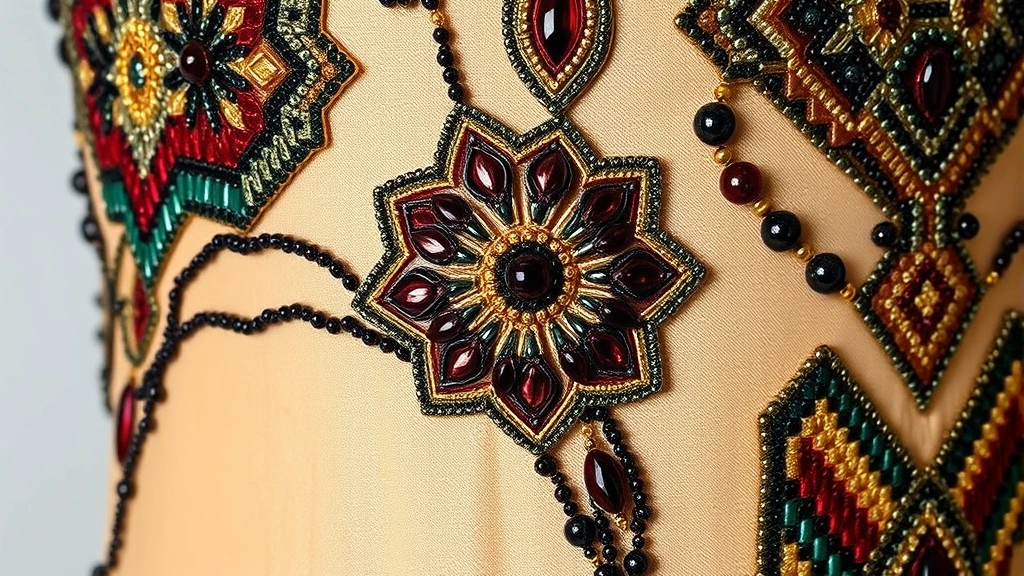
Color palettes shifted dramatically. While Victorians favored dark, heavy fabrics, the 1920s embraced jewel tones—emerald, sapphire, ruby—alongside pastels and whites. Beading covered dresses in intricate geometric and art deco patterns, referencing the era’s fascination with modernism and technological progress.
Men’s Fashion: Sophistication and Rebellion
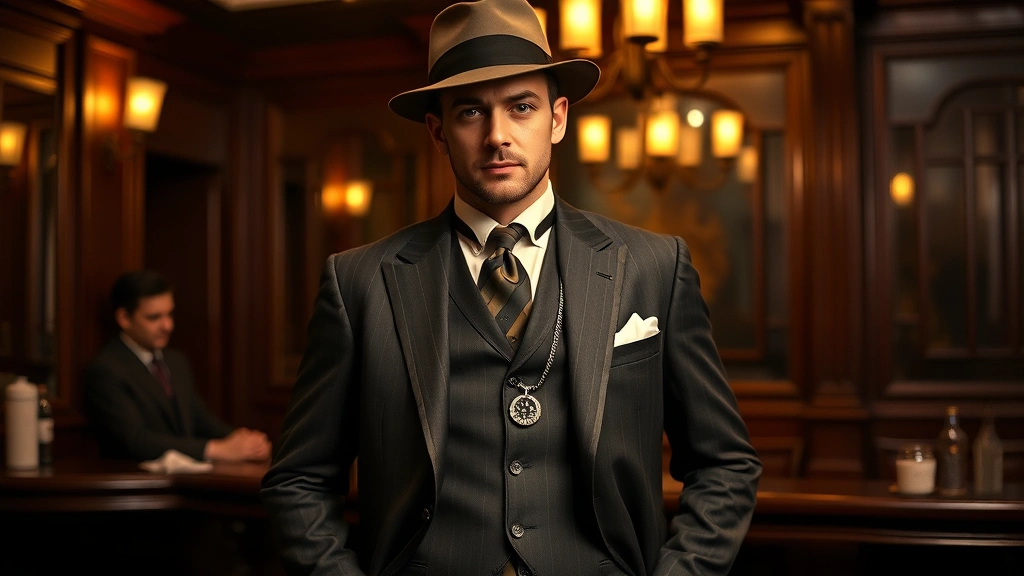
While women’s fashion changes dominated headlines, men’s fashion underwent equally significant transformation. The 1920s established many conventions that remain standard in men’s formal wear today. Suit tailoring became more refined, with higher button stances, narrower lapels, and straighter silhouettes replacing the broader, more ornate styles of previous decades.
The three-piece suit became the uniform of modern masculinity—jacket, waistcoat, and trousers in coordinated fabrics. Men adopted various fashion styles from casual to formal, creating distinct looks for different occasions. The Oxford shirt, featuring a softer collar than previous designs, became standard menswear. Neckties evolved into narrower, more elegant designs, often featuring art deco patterns.
Sportswear emerged as a new category during the 1920s. Tennis, golf, and other recreational activities required specialized clothing, creating opportunities for innovation. Sweaters, cardigans, and plus-fours (baggy knickerbockers) became acceptable casual wear. This represented a significant shift—previously, men had limited options between formal and casual dress.
Accessories conveyed personality and status:
- Fedoras and homburg hats—essential for any well-dressed man
- Pocket watches with chains—visible status symbols
- Spats—covering the gap between trouser and shoe
- Suspenders—both functional and decorative
- Cufflinks and tie pins—opportunities for personal expression through jewelry
Men’s grooming became increasingly important. Slicked-back hair, achieved with pomades and oils, became the standard. Clean-shaven faces replaced the beards and mustaches of previous eras. Men began visiting barbershops not just for haircuts but for elaborate grooming rituals, establishing traditions that continue today.
Essential Accessories and Details
Accessories defined 1920s fashion as much as garments themselves. The complete guide to fashion accessories would highlight how the 1920s established accessorizing as an art form. Long strands of pearls, often reaching to the waist or below, draped over flapper dresses. These weren’t just decorative—they represented wealth and modernity. The longer and more elaborate the pearl strand, the more fashionable and sophisticated the wearer appeared.
Beaded bags became essential components of evening wear. Often featuring ornate beadwork in geometric patterns, these bags were frequently too small to hold much more than a lipstick and cigarette case, but they provided visual interest and demonstrated fashion awareness. Art deco influences appeared in bag designs, with angular shapes and metallic accents.
Headbands with jeweled brooches, positioned low on the forehead, completed the flapper look. Some featured long feathers or tassels that swayed with movement, enhancing the dynamic nature of 1920s fashion. These accessories transformed an ordinary dress into a complete fashion statement.
Footwear evolved significantly. Women’s shoes featured T-straps or ankle straps, with heels typically 1-2 inches high—comfortable by historical standards. Colors ranged from neutral tones to matching dress colors. Men’s shoes became sleeker, with oxfords and brogues dominating formal wear.
Eyewear emerged as a fashion accessory. Sunglasses, previously worn only for practical purposes, became fashionable symbols of sophistication and mystery. Large, round frames or cat-eye shapes became associated with glamorous 1920s aesthetics.
Fabrics, Colors, and Textures of the Era
The 1920s witnessed revolutionary developments in textile production and fashion material choices. Artificial silk, later renamed rayon, became widely available and affordable, democratizing access to luxurious-looking fabrics. This synthetic material draped beautifully and could be dyed in vibrant colors, making it perfect for the era’s aesthetic preferences.
Chiffon became extremely popular for evening wear and undergarments. Its lightweight, flowing nature perfectly complemented the loose silhouettes of flapper dresses. Silk continued to be used for luxury garments, while cotton remained standard for everyday wear. Wool was essential for men’s suits and women’s day wear.
Color palettes reflected modernist sensibilities:
- Jewel tones—deep emeralds, sapphires, rubies, and amethysts
- Pastels—soft peach, lavender, pale green, and baby blue
- Metallics—gold and silver threads woven into fabrics
- Neutrals—cream, beige, and black for sophisticated elegance
- Art deco patterns—geometric designs in contrasting colors
Embellishments included beading, sequins, fringe, and embroidery. Many evening dresses featured extensive beadwork that added weight and movement. Fringe was particularly popular, creating dynamic motion as women danced. These embellishments weren’t subtle—they announced the wearer’s fashionability and spending power.
Texture played an important role in 1920s aesthetics. Smooth, sleek fabrics contrasted with ornate beadwork. Matte finishes accompanied shiny embellishments. This interplay of textures created visual interest and sophistication in garment design.
Iconic Silhouettes That Defined the Decade
Several silhouettes became instantly recognizable as emblematic of 1920s fashion. The dropped waistline fundamentally changed how women’s bodies appeared in clothing. By positioning the waistline at the hips, designers created a straighter, more boyish figure that rejected the curvaceous ideal of previous generations. This wasn’t universally celebrated—many conservative critics viewed it as unfeminine and scandalous.
The straight, tube-like dress characterized much of women’s daywear. These simple, elegant garments relied on quality fabrics and subtle details rather than complex construction. This simplicity represented a revolutionary shift in fashion philosophy—less decoration, more sophistication.
The handkerchief hem appeared on many dresses, where fabric was cut on the bias and hung in uneven, flowing points rather than a straight hemline. This created movement and visual interest while maintaining the era’s preference for loose, comfortable silhouettes.
For men, the sack suit became standard, with a looser fit than previous decades. The jacket featured higher button stances and narrower lapels. Trousers became straighter and often featured a slight taper at the ankle.
The tennis sweater emerged as a casual menswear staple, featuring geometric patterns and contrasting colors. These were worn for both athletic activities and social occasions, establishing sportswear as an acceptable fashion category.
The Role of Jazz and Entertainment Culture
Fashion and entertainment became inseparably linked during the 1920s. Jazz music, the defining sound of the era, influenced fashion choices and social behaviors. The fast-paced, improvisational nature of jazz found expression in bold fashion choices and experimental styling.
Entertainment venues, particularly speakeasies during Prohibition, became fashion showcases. Women dressed in their most daring outfits, knowing they would be seen and admired. The flapper aesthetic—short dresses, rolled stockings, headbands, and dramatic makeup—became the uniform of jazz age nightlife.
Performers, particularly female jazz singers and dancers, influenced fashion trends. Stars like Josephine Baker and Clara Bow inspired millions with their style choices. Their willingness to embrace daring fashions legitimized these trends and encouraged others to follow suit.
Stage costumes influenced everyday wear. What performers wore on stage often appeared in modified forms on the street within months. This relationship between entertainment and fashion established patterns that continue today, with celebrities and performers serving as style influencers.
The cinema industry, rapidly expanding during the 1920s, became another major fashion influence. Movie stars were photographed in fashionable clothing, and fans eagerly copied their styles. Fashion magazines featured celebrity photographs and styling tips, creating the celebrity fashion endorsement industry.
How 1920s Fashion Influences Modern Style
The legacy of 1920s fashion extends far beyond historical interest. Contemporary designers frequently reference the era, and many current fashion trends have roots in 1920s aesthetics. Understanding this historical influence helps explain why certain styles feel timeless and continue appearing in modern collections.
The concept of the little black dress, while popularized by Coco Chanel in the 1920s, remains a fashion fundamental. This simple, elegant garment revolutionized women’s fashion by proving that sophistication didn’t require ornamentation. Modern versions continue this tradition of understated elegance.
Art deco geometric patterns appear regularly in contemporary fashion. Fashion designers draw inspiration from the era’s modernist aesthetics, incorporating geometric shapes, metallic accents, and bold color combinations into modern collections. The 1920s established that fashion could be both artistic and wearable.
The emphasis on comfort without sacrificing style, pioneered in the 1920s, has become increasingly important in modern fashion. Contemporary designers often reference the era when creating relaxed, comfortable clothing that remains fashionable and sophisticated.
Exploring the StyleLoom Daily Blog reveals how historical fashion continues informing current trends. The 1920s philosophy of individual expression through clothing remains central to contemporary fashion. Modern fashion celebrates diversity and personal style in ways that directly echo 1920s ideals.
Vintage 1920s pieces have become highly sought-after by collectors and fashion enthusiasts. Original flapper dresses, beaded bags, and accessories command premium prices at auction houses and vintage retailers. This demand reflects genuine appreciation for the era’s aesthetic and craftsmanship.
The rise of gender-fluid fashion also owes debt to the 1920s, when women first wore androgynous silhouettes and men experimented with more relaxed tailoring. The decade established that fashion doesn’t need to strictly adhere to traditional gender expressions.
For those interested in formal fashion education, the best fashion design schools incorporate 1920s fashion history into their curricula. Students study the era to understand how social movements influence design and how designers respond to cultural change.
Modern fashion weeks frequently feature collections inspired by 1920s aesthetics. Designers like Marc Jacobs, Ralph Lauren, and emerging talents regularly reference the era’s silhouettes, colors, and embellishments. This continuous dialogue between historical fashion and contemporary design ensures the 1920s remains relevant.
FAQ
What made 1920s fashion revolutionary?
The 1920s revolutionized fashion by rejecting restrictive Victorian silhouettes in favor of comfortable, practical clothing that reflected women’s liberation and changing social roles. The abandonment of corsets, shortening of hemlines, and embrace of looser silhouettes represented genuine social transformation expressed through clothing choices.
Why was the bob haircut so controversial?
The bob haircut symbolized women’s independence and modernity. Conservative society viewed short hair as unfeminine and associated it with rebellion. By cutting their hair short, women visibly rejected traditional beauty standards and announced their participation in modern society.
What was the flapper dress and who wore it?
The flapper dress was a straight, loose-fitting garment with a dropped waistline, typically ending just below the knee. Younger women, particularly those in urban areas who participated in nightlife and entertainment venues, wore these dresses. The flapper aesthetic became associated with modernity, youth, and female independence.
How did men’s fashion change during the 1920s?
Men’s fashion evolved toward more refined tailoring, higher button stances, and narrower lapels. Sportswear emerged as an acceptable category, and accessories became increasingly important for expressing personality. The three-piece suit became standardized formal wear during this decade.
What fabrics were popular in 1920s fashion?
Rayon (artificial silk), chiffon, silk, and cotton dominated 1920s fashion. Rayon’s affordability and lustrous appearance made it particularly popular for everyday garments, while silk and chiffon were reserved for luxury items. Wool remained standard for men’s suits.
How does 1920s fashion influence modern design?
Contemporary designers frequently reference 1920s aesthetics through art deco patterns, dropped waistlines, and emphasis on comfort without sacrificing style. The era’s philosophy of individual expression and fashion as social commentary remains central to modern fashion philosophy.
Where can I find authentic 1920s fashion pieces?
Authentic 1920s pieces are available through vintage retailers, auction houses, and specialized dealers. Quality originals command premium prices due to craftsmanship and historical significance. Many modern designers create contemporary pieces inspired by 1920s aesthetics for more accessible pricing.