Milan Fashion Week 2025: Insider Preview
Milan Fashion Week 2025 is shaping up to be one of the most transformative fashion events of the decade. As the fashion capital’s most prestigious platform, this season promises revolutionary designs, unexpected collaborations, and a renewed focus on sustainability that will redefine luxury for years to come. From emerging designers challenging conventional aesthetics to established houses reimagining their core identities, the runway will showcase the future of fashion in ways that transcend mere clothing—it’s a cultural statement.
The anticipation surrounding Milan Fashion Week 2025 extends far beyond the runway shows. Industry insiders, trend forecasters, and fashion enthusiasts worldwide are preparing for what promises to be an unprecedented convergence of artistry, innovation, and commerce. Whether you’re a dedicated fashion follower, an aspiring designer, or simply curious about where style is heading, this insider preview will equip you with everything you need to know about the collections that will dominate wardrobes and influence trends throughout 2025 and beyond.
Key Themes and Design Direction
Milan Fashion Week 2025 will be defined by several overarching aesthetic movements that reflect our contemporary moment. The dominant theme centers on neo-futurism meets heritage—a fascinating collision between cutting-edge technology and traditional craftsmanship that Italian fashion has championed for centuries. Designers are exploring how advanced materials, AI-assisted design processes, and innovative production techniques can coexist with hand-stitching, artisanal techniques, and time-honored construction methods.
Color palettes for Spring/Summer 2025 are expected to shift dramatically from the minimalist neutrals that dominated recent seasons. Expect to see bold jewel tones—emerald, sapphire, and deep amethyst—appearing alongside unexpected pastels and metallic accents. Autumn/Winter collections will introduce moody, sophisticated hues with an emphasis on rich burgundies, forest greens, and sophisticated charcoal tones that speak to both elegance and environmental consciousness.
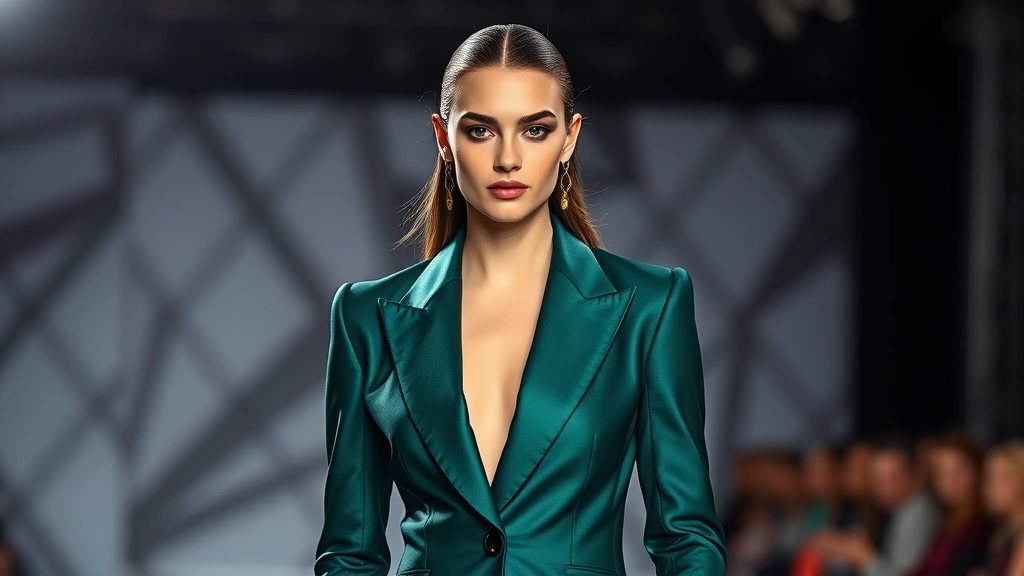
Silhouettes are experiencing a renaissance of sorts. After years of oversized, deconstructed forms, tailoring is making a powerful comeback—but reimagined through a modern lens. Sharp shoulders, precise waistlines, and structured blazers will dominate, yet they’ll be paired with unexpected proportions, asymmetrical hemlines, and innovative fabric manipulation that keeps the overall aesthetic contemporary and exciting.
The influence of different fashion styles will be evident as designers draw inspiration from diverse cultural movements and historical periods. This eclecticism reflects our globalized world where inspiration flows freely across borders and time periods.
Anticipated Designer Collections
Several powerhouse Italian fashion houses are preparing collections that will undoubtedly set the tone for global fashion discourse. Gucci, under its creative direction, is rumored to be presenting a collection that celebrates the brand’s archival heritage while pushing into unexplored territories. Expect unexpected material combinations, perhaps incorporating sustainable fabrics without compromising the luxury aesthetic that defines the house.
Prada continues its evolution toward minimalist luxury with an emphasis on intelligent design and functionality. Their Milan Fashion Week 2025 presentation is anticipated to feature clean lines, innovative textiles, and a color story that bridges seasons seamlessly. The brand’s commitment to quality over quantity will be evident in every piece.
Versace is expected to embrace maximalism with renewed confidence. Expect bold prints, dynamic color combinations, and statement pieces that celebrate individuality and self-expression. The house’s signature sensuality will be reimagined for a contemporary audience that values both glamour and authenticity.
Giorgio Armani will likely present a collection that reinforces his philosophy of timeless elegance. Tailoring will be paramount, with an emphasis on proportion, fit, and the kind of understated luxury that has defined the brand for decades. New fabrications will showcase how innovation serves classic aesthetics.
Emerging designers and smaller houses will also showcase collections that challenge established norms. Many will focus on niche markets, sustainable practices, and deeply personal narratives that resonate with the conscious consumer. This democratization of the Milan Fashion Week platform reflects the industry’s evolution toward inclusivity and diverse perspectives.
Understanding fashion design education becomes particularly relevant when observing how emerging talents are approaching their collections with fresh perspectives and innovative techniques learned from leading institutions.
Sustainability and Ethical Fashion
Sustainability is no longer a peripheral concern at Milan Fashion Week—it’s central to the conversation. The 2025 edition will showcase unprecedented commitment from designers to ethical sourcing, responsible production, and circular economy principles. This shift reflects both consumer demand and genuine industry recognition that fashion must evolve to ensure its survival.
Many designers are investing in innovative sustainable materials: lab-grown leather alternatives, mushroom-based fabrics, regenerated fibers from ocean waste, and advanced recycled textiles that rival virgin materials in quality and performance. These aren’t compromise materials; they’re the future of luxury fashion.
Transparency will be emphasized as never before. Brands are publishing detailed information about supply chains, labor practices, and environmental impact. Some houses are establishing direct relationships with artisan communities, ensuring fair wages and preserving traditional crafts while supporting rural economies.
The concept of fashion accessories is being revolutionized through sustainable practices. Designers are creating timeless pieces designed for longevity, repairability, and eventual recycling. The throwaway fashion culture is actively being rejected in favor of investment pieces that age gracefully.
Circular fashion initiatives will be prominently featured, with several brands launching take-back programs, resale platforms, and rental services that extend garment lifecycles. This represents a fundamental shift in how fashion is consumed and valued.
The Rise of Digital Innovation
Technology is transforming how Milan Fashion Week operates and how collections are experienced globally. Digital presentations, virtual showrooms, and augmented reality experiences will allow fashion enthusiasts worldwide to engage with collections in real-time, democratizing access to what has traditionally been an exclusive event.
AI and machine learning are influencing design processes themselves. Some designers are using predictive analytics to understand emerging trends, while others employ AI tools to generate design variations and explore possibilities that might not occur through traditional methods alone. However, human creativity remains paramount—technology serves as a tool, not a replacement.
Virtual fitting rooms and 3D fabric visualization technology will enable consumers to see how garments drape and move on different body types before purchase. This innovation addresses concerns about fit and returns while enhancing the shopping experience significantly.
Blockchain technology is being explored for authentication and supply chain transparency. Luxury consumers increasingly want verification that their purchases are genuine and produced ethically. Blockchain provides immutable records that build trust and ensure accountability throughout production.
Social media integration will be seamless, with real-time styling tips, behind-the-scenes content, and interactive experiences designed specifically for digital platforms. Influencers and fashion journalists will provide multiple perspectives, making the event more accessible and engaging than ever before.
Street Style Predictions
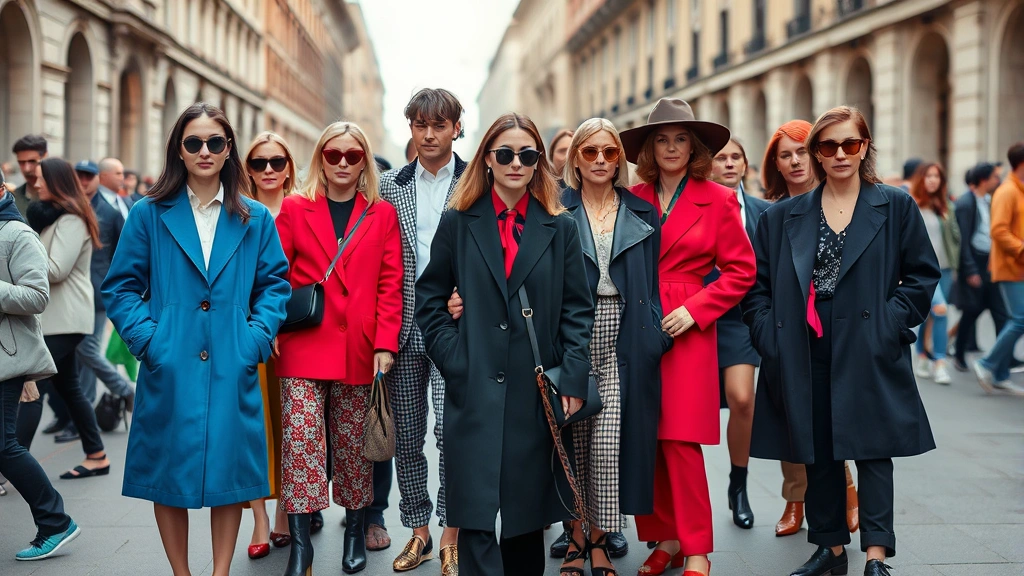
Milan’s streets will be transformed into a fashion laboratory where attendees showcase how they interpret emerging trends. Based on industry analysis, several street style directions are expected to dominate:
- Bold Tailoring: Oversized blazers paired with cropped trousers, cinched waists, and sharp silhouettes will define the sophisticated Milan attendee
- Vibrant Color Mixing: Gone are the days of safe, monochromatic outfits; clashing colors and unexpected combinations will signal fashion confidence
- Sustainable Luxury: Vintage pieces mixed with contemporary designers, demonstrating that style and environmental responsibility coexist
- Statement Accessories: Bold jewelry, sculptural bags, and eye-catching footwear will elevate even simple base outfits
- Texture Play: Mixing matte and shiny finishes, combining delicate fabrics with structured materials, creating visual and tactile interest
- Gender-Fluid Fashion: Boundary-pushing styling that celebrates self-expression beyond traditional gender norms
Personal style will be more celebrated than ever, as attendees recognize that true fashion sophistication lies in understanding how to find your personal style and expressing it authentically rather than following prescriptive trends.
Footwear will be particularly adventurous, with designers experimenting with unexpected heel heights, unusual materials, and innovative construction. Comfort without sacrificing style will be paramount, reflecting how fashion has evolved to accommodate real-life practicality.
How to Stay Updated
For those unable to attend Milan Fashion Week 2025 in person, numerous resources will provide comprehensive coverage. Fashion blogs and style publications will offer detailed runway reviews, trend analysis, and insider perspectives. Major fashion publications including Vogue, WWD (Women’s Wear Daily), and Style.com will provide extensive coverage with photography, video, and expert commentary.
Social media platforms will be crucial for real-time updates. Instagram, TikTok, and Twitter will feature live updates from the shows, street style photography, and commentary from fashion influencers and journalists. Following key hashtags and tagging fashion media accounts will ensure you don’t miss crucial moments.
Many designers now livestream their shows or provide digital presentations on their official websites. Subscribing to brand newsletters and following official social media accounts ensures you receive direct notifications about collection releases and special announcements.
Fashion forecasting services provide in-depth analysis of emerging trends, color stories, and design directions identified at Milan Fashion Week. These resources help industry professionals and enthusiasts understand the broader implications of what they’re seeing on the runway.
Exploring fashion history provides valuable context for understanding how current trends build upon or react against previous movements, enriching your appreciation of Milan Fashion Week 2025.
Attending fashion lectures, webinars, and virtual discussions hosted by industry experts will deepen your understanding of the collections and their cultural significance. Many institutions and fashion publications host these educational events during Fashion Week season.
FAQ
When does Milan Fashion Week 2025 take place?
Milan Fashion Week typically occurs twice yearly: the Spring/Summer collections are shown in September, while Fall/Winter collections are presented in February. Specific dates are released by the Camera Nazionale della Moda Italiana (National Chamber of Italian Fashion) well in advance. Check official fashion calendars for exact 2025 dates.
Can I attend Milan Fashion Week 2025 as a general public attendee?
Milan Fashion Week is primarily a trade event for industry professionals, press, and invited guests. However, some shows may be open to the public, and alternative fashion events often occur simultaneously. Additionally, many shows are livestreamed online, making them accessible to fashion enthusiasts worldwide.
What should I expect regarding price points for collections shown at Milan Fashion Week?
Milan Fashion Week features an incredibly diverse range of price points, from ultra-luxury heritage houses to emerging designers offering contemporary pieces at more accessible prices. The event showcases the entire spectrum of fashion, though it’s traditionally known for luxury and premium offerings.
How do trends from Milan Fashion Week influence high street fashion?
Trends shown at Milan Fashion Week typically influence high street fashion within 6-12 months. Fast fashion retailers analyze runway shows and create more affordable interpretations of key trends, while luxury brands’ innovations eventually trickle down to mass market through various channels.
Which Milan Fashion Week designers are known for sustainability initiatives?
Several established brands have committed to sustainability: Prada’s Re-Nylon initiative, Gucci’s environmental responsibility programs, and various emerging designers who build sustainability into their core business models. Research individual brands for their specific commitments and certifications.
How can I pursue a career in fashion design inspired by Milan Fashion Week?
Consider enrolling in fashion design programs at respected institutions. Understanding the best fashion design schools worldwide will help you select programs that align with your aspirations and style philosophy.
What role does technology play in modern Milan Fashion Week?
Technology enables digital presentations, virtual showrooms, real-time social media coverage, and enhanced consumer experiences. Designers use AI and advanced tools in the design process, while blockchain ensures authenticity and supply chain transparency for luxury goods.