Hipster Fashion Trends: Insider Insights
Hipster fashion has evolved from a niche subculture aesthetic into a dominant force shaping contemporary style. What began in Brooklyn lofts and vintage thrift stores has permeated mainstream fashion, influencing everything from high-end runway collections to fast-fashion retailers. The hipster movement, rooted in authenticity and counterculture rebellion, continues to redefine how we approach personal style and self-expression through clothing. Understanding these trends requires exploring the philosophy behind the movement and recognizing how it intersects with modern fashion consciousness.
The resurgence of hipster aesthetics in recent years reflects a deeper cultural shift toward sustainability, individuality, and rejecting mass-produced conformity. Today’s hipster fashion isn’t merely about wearing vintage band tees or sporting an ironic mustache—it represents a deliberate choice to curate a wardrobe that tells a personal story. This comprehensive guide explores the insider insights into hipster fashion trends, examining what makes this style movement relevant, how to authentically embrace it, and where it’s heading in an increasingly digital and conscious fashion landscape.
Core Elements of Hipster Fashion
Hipster fashion is fundamentally about authenticity and intentionality. Unlike trends that prioritize conformity, hipster style celebrates individuality and self-awareness. The movement emphasizes quality over quantity, vintage authenticity over new purchases, and cultural relevance over celebrity endorsement. When exploring types of fashion styles, hipster fashion stands out for its deliberate rejection of mainstream aesthetics while paradoxically becoming mainstream itself.
The core philosophy behind hipster fashion includes several key principles. First is the appreciation for vintage and retro elements, which carries emotional and historical significance beyond mere fashion. Second is the commitment to independent brands and local designers rather than corporate fashion conglomerates. Third is the integration of artisanal craftsmanship and handmade elements into everyday wardrobes. Fourth is the embrace of irony and self-aware humor in fashion choices. These elements combine to create a distinctive aesthetic that influences how millions dress globally.
Understanding hipster fashion requires recognizing its roots in the 1990s indie music scene and early 2000s Brooklyn culture. However, modern hipster fashion has matured beyond its origins, incorporating elements of sustainability, inclusivity, and progressive values. The complete fashion history timeline demonstrates how hipster aesthetics have shaped contemporary fashion by reintroducing vintage silhouettes and challenging fast-fashion norms.

Vintage and Thrifted Pieces
Vintage and thrifted clothing forms the foundation of authentic hipster fashion. This isn’t simply about wearing old clothes—it’s about discovering unique pieces with history, character, and sustainability credentials. Thrifting has become a lifestyle practice within hipster communities, transforming shopping into a treasure hunt where finding the perfect 1970s Levi’s or obscure band merchandise becomes a point of pride and identity.
The appeal of vintage pieces extends beyond aesthetics to encompass environmental consciousness and economic sensibility. Purchasing secondhand garments reduces demand for new production, thereby decreasing textile waste and environmental impact. Moreover, vintage pieces often feature superior construction and materials compared to contemporary fast-fashion alternatives. A well-made vintage shirt from the 1980s typically outlasts multiple modern equivalents, making it both a sustainable and economical choice.
Popular vintage sources include established thrift stores like Goodwill and Salvation Army, specialized vintage boutiques, online platforms like Depop and Vestiaire Collective, and estate sales. Successful thrifting requires patience, knowledge about quality indicators, and an eye for potential. Many hipster fashion enthusiasts spend hours searching for specific pieces, treating the process as an art form. Learning to identify quality fabrics, assess construction, and spot valuable vintage items has become a skill that distinguishes true hipster fashion practitioners from casual trend followers.
Sustainable and Ethical Fashion
Sustainability represents one of the most evolved aspects of contemporary hipster fashion. As environmental awareness has increased, hipster communities have pioneered sustainable fashion practices that now influence broader industry standards. This alignment between hipster aesthetics and ethical consumption has created a powerful movement toward conscious consumerism.
Ethical hipster fashion encompasses several practices: purchasing from fair-trade certified brands, supporting independent designers who maintain transparent supply chains, choosing organic and natural fabrics, and embracing the concept of a capsule wardrobe. Many hipster fashion enthusiasts now prioritize quality pieces designed to last decades rather than seasons. This approach directly contradicts fast-fashion culture, which relies on planned obsolescence and constant consumption.
Brands that have gained credibility within hipster communities often emphasize transparency, sustainability, and social responsibility. These companies typically produce smaller quantities, pay fair wages, use eco-friendly materials, and maintain ethical labor practices. The hipster community’s willingness to pay premium prices for ethically-produced garments has demonstrated that sustainable fashion can be economically viable, influencing larger fashion corporations to adopt more responsible practices.
According to Vogue, the intersection of hipster aesthetics and sustainable fashion represents one of the most significant shifts in contemporary style consciousness. This evolution reflects how subculture movements can drive meaningful change in mainstream industries.
Contemporary Hipster Wardrobe Essentials
The modern hipster wardrobe comprises specific foundational pieces that create the distinctive aesthetic. Understanding these essentials helps aspiring hipster fashion enthusiasts build a cohesive, authentic collection. These items typically emphasize vintage silhouettes, neutral color palettes, and quality construction.
Essential hipster wardrobe items include:
- Slim-fit or tapered denim in various washes, particularly raw or selvedge styles
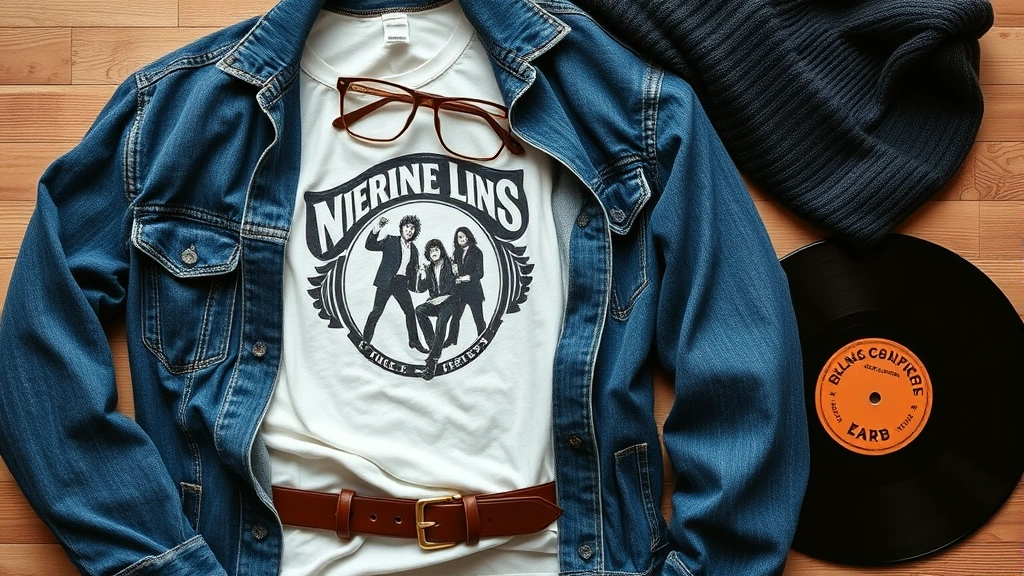
- Vintage band t-shirts and graphic tees from thrift stores
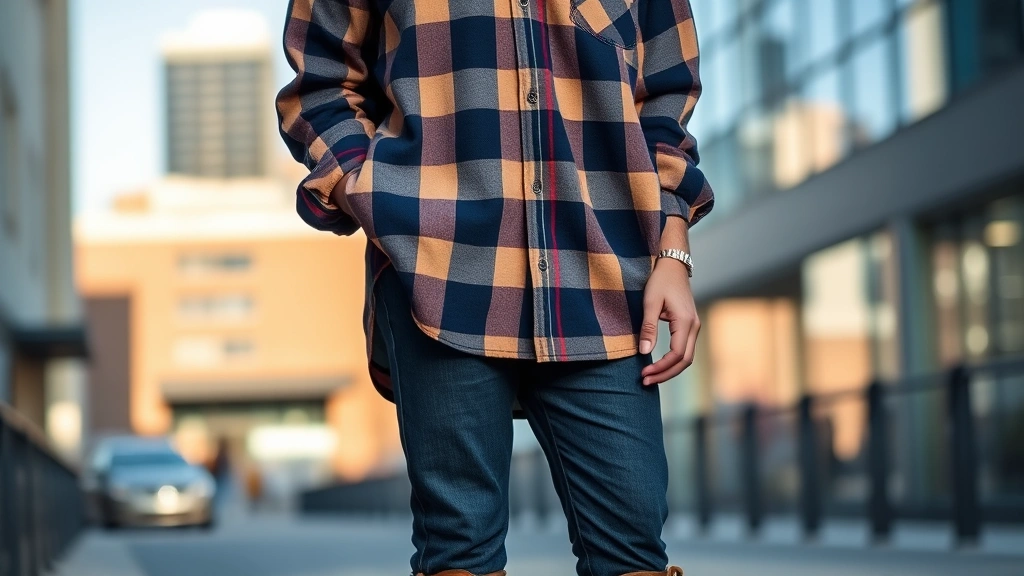
- Flannel and chambray shirts, often oversized for ironic effect
- Cardigans and vintage sweaters in earth tones
- Vintage leather or denim jackets
- Bomber jackets styled with intentionality
- High-waisted vintage trousers and chinos
- Vintage band hoodies and sweatshirts
- Corduroy pants in neutral shades
- Vintage wool coats and blazers
Building a hipster wardrobe intentionally differs from simply accumulating clothes. The process involves researching brands that align with your values, frequenting thrift stores regularly, and developing an eye for quality and authenticity. Many successful hipster fashion practitioners maintain detailed personal style guidelines, understanding which pieces work together and why. This thoughtful approach to how to find your personal style distinguishes authentic hipster fashion from costume-like imitation.
Color Palettes and Styling Techniques
Hipster fashion employs a distinctive color palette that reflects both vintage sensibilities and contemporary minimalism. The typical hipster color scheme emphasizes earth tones, muted neutrals, and carefully chosen accent colors rather than bright, attention-grabbing hues.
The classic hipster color palette includes:
- Warm neutrals: cream, beige, tan, and camel
- Cool neutrals: gray, charcoal, black, and navy
- Earth tones: olive, rust, mustard, and forest green
- Muted pastels: dusty rose, sage, and powder blue
- Accent colors: burgundy, deep teal, and burnt orange
Styling hipster outfits requires understanding proportion, layering, and intentional contrast. The aesthetic often involves mixing vintage and contemporary pieces, combining oversized and fitted silhouettes, and balancing polished elements with deliberately disheveled components. This approach to styling reflects the movement’s embrace of irony—looking effortlessly cool while actually investing considerable thought and effort into appearance.
Layering represents a crucial styling technique in hipster fashion, particularly in transitional seasons. Combining a vintage band tee with a flannel shirt, cardigan, and vintage jacket creates visual interest while maintaining the cohesive aesthetic. The key lies in ensuring each layer contributes meaningfully to the overall look rather than appearing randomly assembled.
Accessories That Define the Look
Accessories play an outsized role in hipster fashion, often distinguishing a well-executed look from a half-hearted attempt. The right accessories communicate cultural knowledge, attention to detail, and authentic commitment to the aesthetic.
Essential hipster accessories include:
- Vintage eyeglasses: frames without corrective lenses (controversial but iconic)
- Beanies and vintage trucker hats
- Vintage leather belts with distinctive buckles
- Scarves in wool or vintage fabrics
- Vintage watches and minimal jewelry
- Canvas or leather messenger bags
- Vintage backpacks and satchels
- Minimal jewelry: simple chains, vintage rings, understated earrings
- Vintage band pins and enamel brooches
- Quality boots: vintage Timberlands, Doc Martens, or classic leather styles
The philosophy behind hipster accessories emphasizes functionality and authenticity. Accessories should serve a purpose beyond decoration, or they should possess genuine vintage or cultural significance. A vintage band pin isn’t simply decorative—it signals knowledge of obscure music. A vintage watch isn’t just timekeeping—it’s a wearable artifact with history.
Gender-Neutral and Androgynous Elements
Hipster fashion has pioneered gender-neutral and androgynous styling that challenges traditional fashion binaries. This aspect of the movement reflects broader cultural shifts toward inclusivity and self-determined identity expression through clothing.
The hipster embrace of androgynous fashion includes:
- Oversized silhouettes that obscure traditional gender markers
- Unisex band merchandise and graphic tees
- Shared aesthetic across gender presentations
- Rejection of gendered color associations
- Cross-gender thrifting without self-consciousness
- Androgynous haircuts and styling choices
This approach to gender in fashion has influenced mainstream retailers and designers, demonstrating that commercial viability doesn’t require strict gender categorization. Many contemporary brands now offer explicitly gender-neutral collections, influenced by hipster fashion’s pioneering work in this area.
The Influence of Urban Culture
Hipster fashion is fundamentally connected to urban culture, emerging from and continuing to be shaped by city living. The aesthetic reflects urban environments, street culture, and the specific social dynamics of metropolitan communities.
Urban influences on hipster fashion include:
- Coffee culture and café aesthetics
- Independent bookstores and record shops
- Street art and graffiti culture
- Public transportation and urban commuting
- Local music venues and independent galleries
- Neighborhood character and gentrification dynamics
- Urban parks and outdoor spaces
The relationship between hipster fashion and urban gentrification remains complex and sometimes controversial. As hipster communities establish themselves in neighborhoods, property values increase, often displacing long-term residents. This contradiction between hipster values of community and authenticity and the practical effects of hipster-driven gentrification reflects larger tensions within the movement itself.
According to The Fashion Spot, understanding hipster fashion requires acknowledging its urban context and the complex cultural dynamics it both reflects and influences.
DIY and Customization in Hipster Fashion
DIY (do-it-yourself) culture represents a core value within hipster fashion communities. Rather than passively consuming fashion, hipster practitioners actively modify, customize, and create garments, treating fashion as a creative practice rather than mere consumption.
Popular DIY hipster fashion practices include:
- Distressing and cropping vintage jeans
- Dyeing garments with natural or unconventional dyes
- Adding patches and embroidery to jackets and bags
- Customizing band merchandise with screen printing
- Sewing vintage fabrics into new garments
- Tailoring thrifted pieces for perfect fit
- Creating unique accessories from reclaimed materials
- Upcycling damaged garments into new pieces
This hands-on approach to fashion serves multiple purposes. It reduces consumption by extending garment lifespans, expresses individual creativity, develops practical skills, and creates unique pieces impossible to purchase. A customized vintage jacket with personalized patches tells a story that no mass-produced garment can match.
The DIY ethos has influenced broader fashion consciousness, with mainstream brands now offering customization services and consumers increasingly seeking ways to personalize purchases. What began as hipster subculture practice has become a recognized aspect of contemporary fashion culture.
For those interested in deeper exploration of fashion fundamentals, StyleLoom Daily Blog offers comprehensive insights into building personal style and understanding fashion movements. Additionally, best fashion design schools provide formal education for those wishing to pursue fashion professionally.
FAQ
What exactly defines hipster fashion in 2024?
Modern hipster fashion combines vintage aesthetics with contemporary awareness of sustainability and ethical consumption. It emphasizes authenticity, individuality, and intentional style choices over trend-following. Today’s hipster fashion integrates sustainable practices, gender-neutral styling, and cultural consciousness while maintaining the core values of quality, uniqueness, and artistic expression.
Is hipster fashion still relevant or has it become mainstream?
Hipster fashion has become so influential that it now shapes mainstream aesthetics. What was once subcultural is now normalized, creating an interesting paradox. However, the philosophy underlying hipster fashion—intentionality, sustainability, and authenticity—remains relevant and continues evolving. True hipster fashion practitioners have moved beyond the aesthetic itself toward deeper engagement with ethical consumption and cultural impact.
How can I develop an authentic hipster fashion style without seeming like I’m trying too hard?
Authenticity in hipster fashion comes from genuine interest in the underlying values: sustainability, independent culture, and artistic expression. Rather than copying visual elements, engage with these values by shopping at thrift stores because you value sustainability, supporting independent designers you genuinely appreciate, and developing a personal style that reflects your actual interests and identity. The effort should be invisible because it stems from authentic passion rather than costume construction.
What’s the relationship between hipster fashion and sustainability?
Hipster fashion pioneered many sustainable practices now becoming mainstream: thrifting, supporting small designers, choosing quality over quantity, and embracing DIY customization. These practices reduce textile waste, support ethical labor, and challenge fast-fashion culture. The alignment between hipster values and environmental consciousness has made sustainable fashion both philosophically consistent and practically necessary within hipster communities.
Can hipster fashion work in non-urban settings?
While hipster fashion emerged in urban contexts, its core principles—authenticity, quality, intentionality—apply anywhere. Rural and suburban communities can engage with hipster fashion by supporting local artisans, shopping secondhand, choosing sustainable options, and developing personal style based on genuine interests rather than mainstream trends. The aesthetic may require adaptation to local context, but the underlying philosophy remains universally applicable.
How do I balance hipster fashion with professional or formal dress codes?
Hipster fashion principles can integrate into professional environments through subtle choices: vintage accessories, quality neutral clothing, independent designer pieces, and thoughtful styling. A vintage leather messenger bag, quality vintage watch, or carefully selected vintage blazer can express hipster sensibilities while maintaining professional appropriateness. The key is allowing your personal style to inform professional choices rather than creating stark separation between different contexts.