Fashion Merchandising Tips: Expert Insights
Fashion merchandising is the strategic art of presenting, promoting, and selling clothing and accessories to maximize profit and customer satisfaction. It’s a dynamic field that combines creative vision with analytical business acumen, requiring professionals to understand consumer behavior, market trends, and visual storytelling. Whether you’re managing a retail boutique, working for a major fashion house, or launching your own clothing line, mastering fashion merchandising techniques can dramatically transform your sales performance and brand reputation.
In today’s competitive retail landscape, effective merchandising goes far beyond simply arranging clothes on racks. It encompasses inventory management, trend forecasting, visual merchandising, pricing strategies, and customer experience optimization. The most successful fashion merchandisers understand that every product placement, color coordination, and display element tells a story that resonates with their target audience. This comprehensive guide will equip you with expert insights and practical strategies to elevate your merchandising game and create compelling shopping experiences that drive revenue and build loyal customer bases.
Visual Merchandising Fundamentals
Visual merchandising is the cornerstone of effective fashion retail. It’s about creating an environment that tells your brand’s story and compels customers to engage with your products. The foundation begins with understanding color psychology and how different hues influence purchasing decisions. Warm colors like red and orange stimulate energy and urgency, while cool tones like blue and green promote calmness and trust. Strategic color blocking—grouping complementary or contrasting colors together—creates visual impact that draws the eye and guides customers through your space.
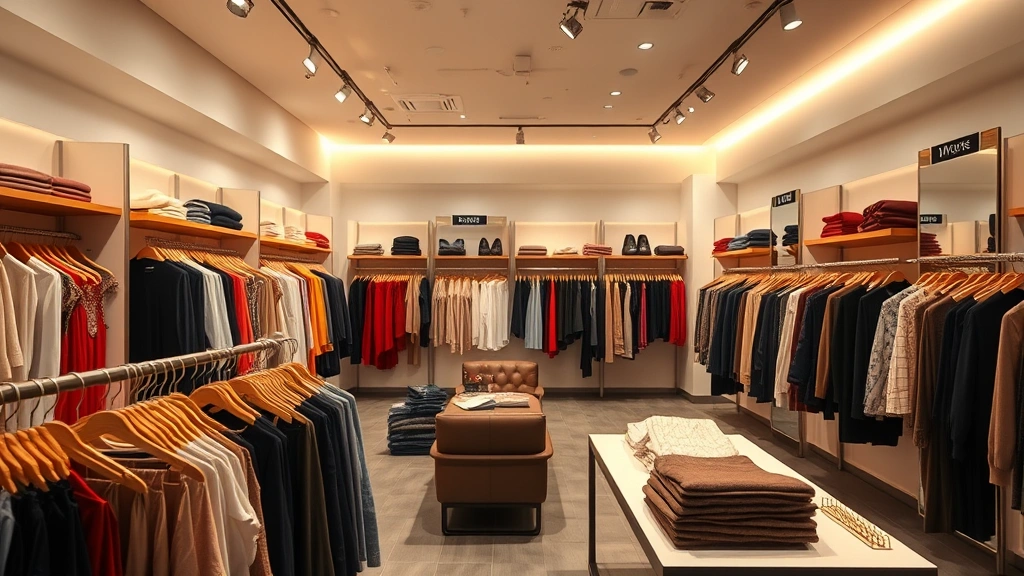
Lighting plays an equally critical role in visual merchandising success. Professional retail lighting should enhance product features, create ambiance, and make colors appear true to life. Layered lighting approaches combining ambient, task, and accent lighting create depth and dimension that flat, uniform lighting cannot achieve. Consider how natural light changes throughout the day and adjust your displays accordingly. Proper lighting can increase perceived product quality by up to 40% and significantly influence purchase intent.
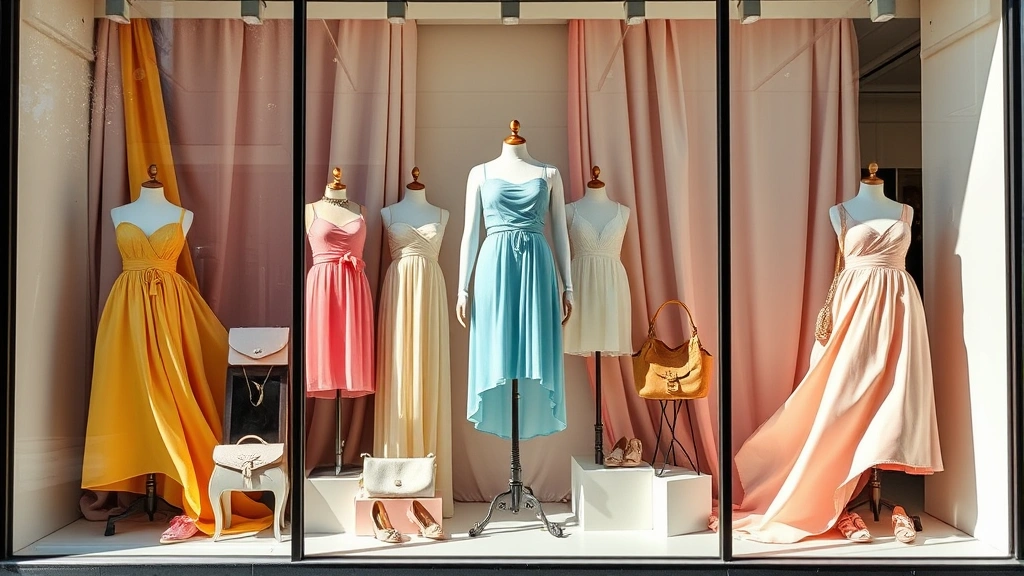
Window displays are your brand’s first impression and deserve meticulous attention. Create focal points using statement pieces or trending items, then build complementary elements around them. Follow the rule of thirds—dividing your window into nine equal sections and placing key items at intersection points creates visual balance and draws attention naturally. Change your windows seasonally and monthly to keep your storefront fresh and give customers reasons to return frequently.
The principle of cross-merchandising involves strategically placing complementary items together to increase basket size and enhance customer convenience. Pair denim with belts, shoes, and jackets. Position accessories near clothing items they typically coordinate with. This approach not only improves sales but demonstrates styling expertise that customers appreciate. Learn more about styling techniques to better inform your merchandising decisions.
Strategic Inventory Management
Effective inventory management ensures you have the right products, in the right quantities, at the right time and price. Begin by analyzing historical sales data to identify your best performers and slow movers. Use this intelligence to inform purchasing decisions and allocation across multiple locations if applicable. Overstock ties up capital and leads to markdowns, while understocking misses revenue opportunities and frustrates customers.
Implement a systematic approach to tracking inventory turnover rates by category, style, color, and size. Products turning over quickly indicate strong demand and justify reorders, while slow-moving items signal the need for repricing, repositioning, or discontinuation. The optimal turnover rate varies by fashion segment—fast fashion may target 8-12 turns annually, while luxury goods might achieve 2-4 turns—so establish benchmarks appropriate to your market position.
Seasonal inventory planning requires forecasting demand months in advance. Spring and summer typically drive higher volumes for lighter clothing, while fall and winter favor heavier pieces. Plan your inventory calendar around key shopping seasons: back-to-school, holiday, Valentine’s Day, and summer vacations. Build safety stock for proven bestsellers while maintaining lower reserves for experimental or niche items. Consider working with a merchandise planning software to automate forecasting and optimize stock levels across your operations.
Size and color selection significantly impact inventory success. Analyze your customer demographics to stock appropriate size ranges. A luxury boutique targeting affluent professionals may emphasize premium sizes, while a mainstream retailer needs comprehensive size representation. Similarly, color preferences vary by season, region, and demographic. Track which colors sell best in each category and season to refine your purchasing strategy. Understanding different fashion styles helps you stock inventory that aligns with your customer base.
Understanding Trend Forecasting
Trend forecasting is the predictive art of identifying emerging styles, colors, and silhouettes before they become mainstream. Expert merchandisers stay ahead of trends by monitoring fashion weeks, following influential designers, analyzing street style, and tracking social media conversations. Subscribe to trend forecasting services like Vogue and WGSN that provide detailed insights into upcoming seasons.
Color forecasting deserves particular attention since color choices influence every purchasing decision. Organizations like the Pantone Color Institute release seasonal color reports that shape industry-wide palettes. However, successful merchandisers don’t blindly follow these forecasts—they adapt them to their specific customer base and brand identity. A sustainable fashion brand might embrace earth tones and natural fibers, while a contemporary brand targets bold, saturated colors and innovative materials.
Understanding trend cycles helps you time your merchandising strategy effectively. Trends typically follow a predictable arc: innovation (early adopters), growth (mainstream adoption), maturity (peak popularity), and decline (moving toward obsolescence). Position premium inventory during the innovation and growth phases when margins are highest. Move to promotional pricing during maturity and decline phases. This strategic timing maximizes profitability across the trend lifecycle.
Social media and influencer analysis provide real-time trend intelligence. Monitor hashtags, engagement rates, and styling patterns to identify emerging preferences among your target demographic. Micro-influencers often predict trends before major publications recognize them, making their content valuable reconnaissance for forward-thinking merchandisers. Engage with your community through user-generated content campaigns to gather authentic feedback on emerging preferences.
Pricing Strategies That Work
Pricing is both an art and science that directly impacts profitability and brand perception. Psychological pricing strategies leverage human perception to influence purchase decisions. Charm pricing (ending prices in .99 or .95) makes items feel like better values even when the actual discount is minimal. Prestige pricing uses higher price points to signal quality and exclusivity, crucial for luxury fashion brands. Bundle pricing encourages larger purchases by offering discounts on complementary item combinations.
Competitive pricing analysis ensures your prices remain market-appropriate. Research competitor pricing for similar products while accounting for differences in quality, brand prestige, and customer experience. Don’t compete solely on price—this race to the bottom erodes margins and brand value. Instead, emphasize your unique value propositions: superior quality, exclusive designs, exceptional service, or sustainability credentials.
Dynamic pricing adjusts prices based on demand, seasonality, and inventory levels. Higher demand justifies premium pricing, while overstocked items warrant promotional pricing to accelerate turnover. Technology enables real-time pricing adjustments in omnichannel environments. However, maintain consistency across channels to avoid customer confusion and channel conflict. A blouse priced at $89 in your physical store shouldn’t sell for $69 online without clear communication about the difference.
Markdown strategy significantly impacts profitability. Plan markdowns strategically rather than reactively. Establish markdown calendars that align with seasonal transitions and inventory goals. Take markdowns early on slow-moving inventory to free capital for new stock rather than holding inventory until end-of-season. However, protect your brand’s premium positioning by limiting markdown depth—excessive discounting trains customers to wait for sales and diminishes perceived value.
Enhancing Customer Experience
Modern fashion merchandising extends beyond products to encompass the entire customer journey. Exceptional customer experience drives loyalty, generates positive word-of-mouth, and justifies premium pricing. Start by understanding your customer personas deeply—their demographics, psychographics, shopping preferences, and pain points. Create experiences tailored to these profiles rather than generic approaches.
In-store experience design considers every touchpoint from entrance to checkout. Clear, intuitive navigation helps customers find products easily. Adequate fitting rooms with proper lighting, mirrors, and seating create comfortable spaces for trying on clothes. Knowledgeable, friendly staff who understand your products and can style customers appropriately transform browsing into engaging experiences. Train your team on fashion fundamentals and your specific product offerings so they can provide genuine styling advice.
Personal styling services differentiate your brand and increase transaction values. Offer complimentary consultations where customers receive customized recommendations based on their body type, lifestyle, and aesthetic preferences. This service builds relationships, increases confidence in purchases, and drives loyalty. Some retailers extend this to virtual styling through video consultations, expanding accessibility for busy customers.
Loyalty programs reward repeat customers and generate valuable data about purchasing patterns. Tier-based programs incentivize higher spending, while point-based systems offer flexibility. However, avoid programs so complex that customers struggle to understand benefits. Mobile apps enhance loyalty programs by providing easy point tracking, exclusive offers, and personalized recommendations based on purchase history.
Omnichannel integration ensures consistent experiences across physical stores, websites, and mobile apps. Customers expect seamless transitions between channels—the ability to browse online, try in-store, and purchase through their preferred method. Inventory visibility across channels prevents frustration and enables strategies like buy-online-pickup-in-store that drive foot traffic.
Digital Merchandising Excellence
E-commerce merchandising follows different principles than physical retail while maintaining core brand consistency. Product photography is critical—invest in professional, high-quality images showing clothing from multiple angles, on models, and flat-lay presentations. Include lifestyle photography that demonstrates styling possibilities and product use. Video content, particularly styling videos and fabric close-ups, significantly increase conversion rates by reducing purchase uncertainty.
Website organization and navigation dramatically impact conversion. Implement intuitive category structures that mirror how customers think about fashion. Include filters for size, color, price, and style to help customers narrow options quickly. Feature trending items and bestsellers prominently. Use strategic calls-to-action that guide customers toward purchase without aggressive hard-selling.
Product descriptions require careful attention. Beyond basic specifications, compelling descriptions tell your product’s story. Explain the inspiration behind a design, highlight quality details, and suggest styling combinations. Include relevant keywords naturally to improve search visibility. For fashion items, mention fabric composition, care instructions, and sizing details that influence purchase decisions.
Personalization technology creates individualized shopping experiences at scale. Recommendation engines suggest products based on browsing history, purchase history, and customer segments. Email campaigns can personalize product recommendations and offers based on customer preferences and behavior. This relevance increases engagement and conversion rates significantly.
Social commerce integrates shopping directly into social media platforms. Instagram and TikTok shopping features allow customers to purchase without leaving the app. User-generated content campaigns featuring customers styling your products provide authentic social proof and drive traffic. Influencer partnerships expand reach to engaged audiences predisposed to fashion content.
Seasonal Planning and Execution
Successful fashion merchandisers plan their entire year around seasonal cycles. Begin planning next season’s merchandise 6-9 months in advance. Analyze previous season performance, identify gaps and opportunities, and establish clear merchandising goals. Develop detailed assortment plans specifying product categories, quantities, price points, and delivery dates.
Spring and summer seasons typically emphasize lighter fabrics, brighter colors, and shorter silhouettes. Plan your inventory around warm-weather activities—beach, outdoor entertaining, travel. Feature items like lightweight dresses, shorts, sandals, and sunglasses. Create displays that evoke seasonal feelings through color palettes and styling suggestions.
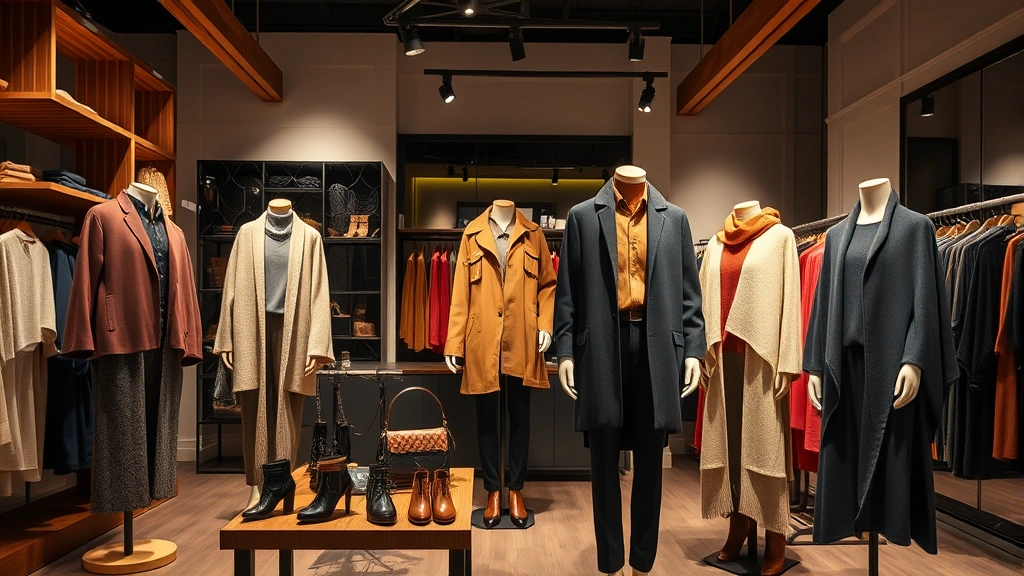
Fall and winter seasons shift toward heavier fabrics, deeper colors, and layered silhouettes. Build inventory around cold-weather necessities—coats, sweaters, boots, and accessories. Create warm, inviting displays featuring rich jewel tones, metallics, and textures. Plan special merchandising around holiday shopping with gift-focused displays and curated collections.
Transition seasons require careful planning. The spring-to-summer and fall-to-winter transitions present opportunities to clear seasonal inventory while introducing new season merchandise. Plan markdowns on previous season items to make room for new stock. Create displays that blend seasonal aesthetics during these transitions to keep your store feeling current.
Holiday merchandising demands special attention and early planning. Black Friday, Cyber Monday, and end-of-year shopping represent crucial revenue opportunities. Plan promotions, curate gift guides, and create festive displays months in advance. Consider gift-with-purchase offers, bundle deals, and limited-edition holiday collections that drive urgency and increase transaction values.
Explore fashion history to understand how seasons have influenced style evolution and inform your contemporary seasonal approach. Additionally, understanding personal style principles helps you guide customers toward seasonally appropriate choices that align with their aesthetic preferences.
For those interested in developing deeper expertise, consider exploring fashion education opportunities that teach merchandising principles alongside design fundamentals. Formal education provides comprehensive understanding of fashion business operations, consumer behavior, and industry standards that elevate merchandising practice.
Advanced merchandisers leverage data analytics to optimize every decision. Implement systems that track sales by product, category, price point, and customer segment. Use this data to identify patterns, forecast demand, and allocate resources effectively. A/B test different display arrangements, pricing strategies, and promotional approaches to continuously improve performance. The most successful merchandisers combine creative intuition with analytical rigor, letting data inform rather than dictate decisions.
Professional development remains crucial in this rapidly evolving field. Attend industry conferences, join professional organizations like the National Retail Federation, and stay current with emerging technologies and trends. Fashion publications and industry research reports provide valuable insights into market dynamics and consumer behavior shifts.
FAQ
What’s the difference between merchandising and visual merchandising?
Merchandising encompasses the broader business strategy of buying, pricing, and promoting products to maximize sales and profitability. Visual merchandising specifically focuses on displaying products attractively to encourage purchases. Think of merchandising as the strategic planning and visual merchandising as the tactical execution of that strategy.
How often should I change my retail displays?
Window displays should change monthly at minimum, ideally every 2-4 weeks to maintain customer interest. Interior displays can rotate every 4-6 weeks. The frequency depends on your traffic volume, customer base, and seasonal changes. High-traffic locations benefit from more frequent changes since regular customers notice updates.
How can I improve inventory turnover?
Analyze your sales data to identify bestsellers and slow movers. Increase orders of fast-turning items and reduce orders of slow-moving products. Use strategic pricing and promotions to accelerate turnover on overstocked items. Implement better forecasting to avoid overstocking in the first place. Consider seasonal adjustments and regional preferences when planning inventory.
What’s the ideal markup percentage for fashion retail?
Markup varies significantly by fashion segment. Mass market fashion typically uses 100-150% markup (doubling cost). Contemporary brands use 150-250% markup. Luxury brands often apply 300-500% or higher markup. Your markup must cover operating costs, shrinkage, markdowns, and provide profit. Calculate your actual margin after accounting for these factors rather than focusing solely on markup.
How do I stay current with fashion trends?
Follow fashion publications, attend industry events, monitor social media trends, and observe street style. Subscribe to trend forecasting services. Engage with influencers and fashion bloggers in your niche. Analyze competitor offerings and customer feedback. Join professional organizations that provide trend reports and industry insights.
Should I follow trends exactly or adapt them for my brand?
Adapt trends to align with your brand identity and customer preferences rather than following them blindly. Trends should enhance your brand’s story, not contradict it. A sustainable brand might embrace eco-friendly interpretations of trends. A classic brand might adopt trends at a slower pace with more conservative styling. Authentic adaptation builds brand loyalty better than trend-chasing.