

Dress to Impress: Designer Tips for Every Occasion
The art of dressing to impress transcends mere clothing selection—it’s about understanding the psychology of style, mastering the principles of design, and expressing your authentic self through intentional fashion choices. Whether you’re preparing for a boardroom presentation, a romantic evening, or a casual weekend gathering, the guidance of seasoned fashion designers can transform your wardrobe into a powerful tool of self-expression and confidence.
Fashion designers have spent years perfecting their craft, studying human proportions, color theory, and the subtle mechanics of how clothing interacts with body movement and light. By learning from their expertise, you can elevate your personal style from adequate to extraordinary. This comprehensive guide draws from professional designer insights to help you navigate every social situation with grace, poise, and undeniable style.
Understanding Designer Principles
Before diving into occasion-specific recommendations, it’s essential to grasp the foundational principles that all professional designers employ when creating garments. These principles serve as the backbone of any impressive outfit, regardless of the context. Proportion, balance, emphasis, and harmony are the four pillars that separate mediocre outfits from truly striking ensembles.
Proportion refers to the relationship between different elements of your outfit—the length of your jacket relative to your torso, the width of your shoulders compared to your hips, and how these relationships create visual harmony. Designers carefully manipulate proportions to either balance or intentionally draw attention to specific areas. When wearing a voluminous skirt, for instance, top designers recommend pairing it with a fitted top to maintain visual equilibrium.
Balance encompasses both symmetrical and asymmetrical arrangements. A perfectly symmetrical outfit can feel formal and controlled, while asymmetrical designs introduce dynamism and modern sophistication. Understanding how to mix structured pieces with flowing elements creates visual interest without appearing chaotic. This is where many people falter—they either play it too safe or venture too far into experimental territory.
Emphasis, or focal point creation, allows you to guide the viewer’s eye toward your best features. A strategically placed neckline, a bold pattern, or an unexpected texture can draw attention upward or downward, creating intentional visual narratives. When you understand how to create emphasis, you transform yourself from someone who wears clothes to someone who commands attention through deliberate style choices.
Professional Settings and Corporate Elegance
The corporate environment demands a particular sophistication that balances authority with approachability. Designers who specialize in professional wardrobes understand that your clothing communicates before you speak, establishing credibility and competence in milliseconds.
For boardroom presentations and client meetings, invest in well-tailored blazers that define your shoulders without overwhelming your frame. The blazer remains the ultimate power garment because it instantly elevates any outfit while providing structure and authority. Choose neutral colors—navy, charcoal, black, or sophisticated grays—as your foundation. These timeless choices ensure your clothing recedes into the background, allowing your ideas and presence to command attention.
Pair your blazer with tailored trousers or a pencil skirt in complementary tones. The key word here is tailored—off-the-rack pieces rarely fit perfectly, and the difference between a mediocre fit and an excellent one is transformative. According to Vogue’s style guides, proper tailoring can make a $100 piece look like a $1,000 investment. Invest in professional alterations; they’re non-negotiable for anyone serious about dressing impressively.
For blouses, opt for quality fabrics that drape elegantly—silk blends, premium cotton, and fine wools all communicate luxury and attention to detail. Avoid anything too trendy or attention-grabbing; corporate settings reward classic elegance over fashion-forwardness. A crisp white shirt remains the ultimate professional staple, but don’t shy away from soft blues, muted creams, or subtle patterns that add personality without sacrificing professionalism.
Footwear in professional settings should be equally refined. Closed-toe pumps, elegant flats, or sophisticated loafers in leather demonstrate that you’ve considered every detail of your appearance. The condition of your shoes often determines whether an outfit looks polished or neglected—scuffed heels undermine even the most expensive suit.
Evening Events and Formal Occasions
Evening wear represents where fashion truly becomes art. Formal occasions allow for more dramatic choices, richer colors, and luxurious fabrics that might be impractical for daily wear. This is where strategic accessory choices become paramount.
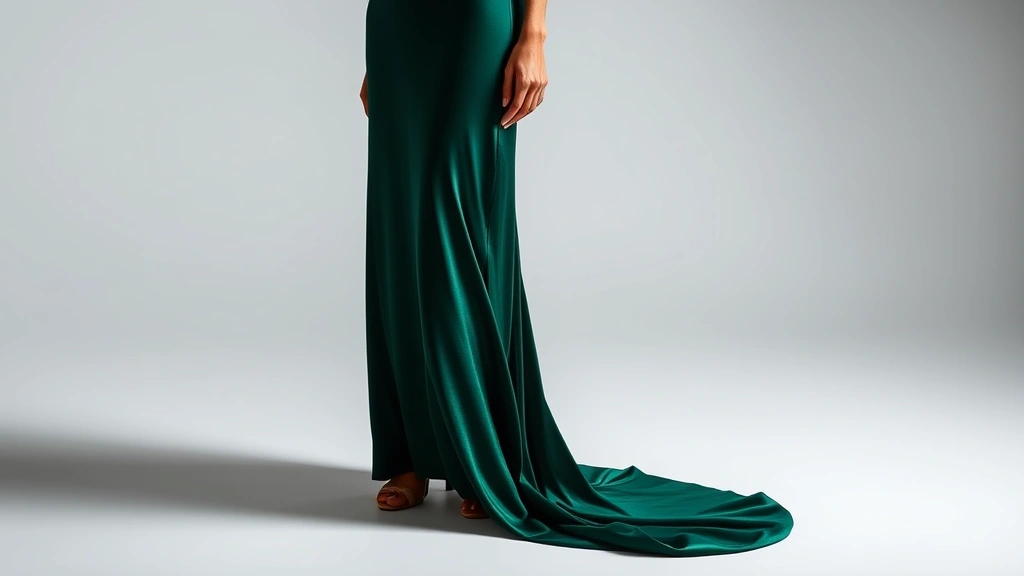
For black-tie events, women have traditionally gravitated toward floor-length gowns, and for good reason—the elongated silhouette creates an inherent elegance. However, contemporary designers are reimagining formal wear with unexpected necklines, asymmetrical hemlines, and innovative draping techniques. A floor-length gown in a jewel tone—emerald, sapphire, or ruby—makes a more memorable statement than basic black, while still maintaining the formality required.
Consider the venue and season when selecting your evening ensemble. A summer garden wedding calls for lighter fabrics and potentially brighter colors, while a winter gala demands richer textures and deeper hues. Designers at luxury houses like Chanel meticulously consider these contextual factors when designing collections, and you should too.
For men attending formal events, the classic tuxedo remains undefeated. However, modern sophistication emerges through subtle details: a silk pocket square in a complementary color, cufflinks that reflect your personality, or a bow tie in an unexpected pattern. These details demonstrate that you’ve invested thought into your appearance without appearing ostentatious.
The silhouette of your evening wear should flatter your body type. Designers understand that different body shapes require different approaches to create flattering proportions. If you carry weight in your midsection, an empire waist or A-line silhouette provides elegant coverage while creating visual interest. Pear-shaped figures benefit from tops that draw attention upward and skirts that skim rather than cling. Understanding your body type and dressing accordingly is perhaps the most practical designer principle you can master.
Casual Sophistication for Everyday Wear
Perhaps the most challenging design task involves elevating casual wear without appearing overdressed or affected. This is where understanding your personal style becomes essential. Casual sophistication means looking intentional rather than haphazard, polished rather than sloppy, without appearing formally dressed.
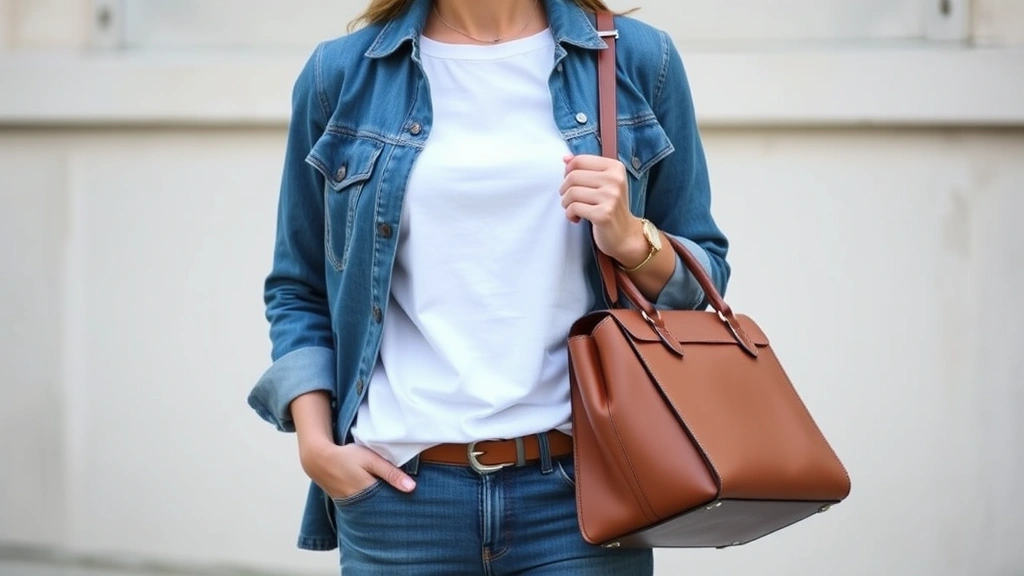
Quality basics form the foundation of any impressive casual wardrobe. A perfectly fitting white t-shirt, a well-constructed sweater in a neutral tone, and tailored jeans in a flattering wash are the building blocks upon which all casual outfits are constructed. Designers emphasize that basics should be exceptional—premium fabrics, perfect fit, and impeccable construction.
Layer strategically to add depth and visual interest. A linen shirt worn open over a fitted tank, a cardigan draped over a simple dress, or a denim jacket over a floral blouse transforms basic pieces into thoughtfully composed outfits. Layering also provides practical temperature control while creating the visual complexity that sophisticated dressing requires.
Introduce texture through unexpected combinations. Pair a smooth silk camisole with a chunky knit sweater, combine matte and shiny fabrics, or mix structured and fluid pieces. These textural contrasts create visual intrigue and demonstrate that you’ve considered the composition of your outfit rather than simply grabbing whatever was clean.
Casual doesn’t mean careless. Even when wearing jeans and a t-shirt, ensure that both items fit impeccably, that your footwear is clean and stylish, and that your overall appearance suggests intentionality. The difference between looking effortlessly chic and looking like you didn’t try is often just the difference between wrinkled and pressed, scuffed and polished.
The Power of Accessories and Details
Accessories possess an almost magical ability to transform an outfit from ordinary to extraordinary. Professional designers understand that accessories aren’t afterthoughts—they’re the punctuation marks that complete the sentence of your outfit. This is where your fashion accessory choices become critical to your overall impression.
A statement necklace can elevate a simple black dress from basic to bold. A structured handbag adds gravitas to casual wear. A silk scarf introduces color, pattern, and sophistication. The most impressive dressers understand that accessories are opportunities to inject personality, demonstrate fashion knowledge, and create visual focal points.
However, the cardinal rule of accessorizing is intentional restraint. Wearing multiple statement pieces simultaneously creates visual chaos rather than sophistication. Choose one focal point—either a bold necklace, dramatic earrings, an eye-catching bag, or striking shoes—and allow other accessories to complement rather than compete. This principle, taught at every reputable fashion design school, prevents you from looking costume-like or overwhelming.
Jewelry deserves particular attention. Metal tones should coordinate with your overall palette—warm metals like gold and rose gold work beautifully with warm skin tones and warm-colored clothing, while cool metals like silver and platinum complement cool tones. Mixing metal tones is permissible and increasingly fashionable, but do so deliberately rather than accidentally.
Belts deserve recognition as transformative accessories. A well-placed belt defines your waist, creates proportion, and adds visual interest to otherwise simple silhouettes. Oversized blazers become chic when cinched with a statement belt. Simple dresses gain sophistication through strategic belting. This simple tool, beloved by designers, remains criminally underutilized by everyday dressers.
Color Theory and Personal Palette
Understanding color relationships represents one of the most powerful tools in a fashion designer’s arsenal. Colors don’t exist in isolation—they interact with each other, with your skin tone, and with your overall presence. Mastering color theory elevates your dressing game exponentially.
Complementary colors sit opposite each other on the color wheel and create maximum contrast and visual excitement. Pairing a cobalt blue with an orange accent creates high-energy sophistication. Analogous colors sit adjacent on the color wheel and create harmonious, soothing combinations—think navy, teal, and green together. Monochromatic outfits use varying shades of a single color, creating an elongated, elegant silhouette.
Your personal color palette should consider your skin tone, hair color, and eye color. Warm skin tones generally shine in earthy hues, warm metallics, and rich colors like terracotta, olive, and warm burgundy. Cool skin tones are flattered by jewel tones, cool metallics, and colors like emerald, sapphire, and cool grays. Understanding whether you’re warm or cool-toned prevents you from wearing colors that wash you out or clash with your natural coloring.
Don’t shy away from color in professional settings. A well-chosen color that complements your complexion demonstrates confidence and style awareness. A muted burgundy or sophisticated navy communicates authority while showing that you’ve invested thought into your appearance. The key is choosing colors that enhance rather than distract.
Neutral colors—black, white, gray, navy, beige, and brown—serve as essential foundations because they allow other elements to shine. However, these neutrals aren’t interchangeable; select shades that harmonize with your undertones. A warm beige flatters differently than a cool gray, and understanding these distinctions prevents your neutral foundation from appearing drab.
Fit and Tailoring as Foundation
No designer tip matters more than this: fit is everything. The most expensive, beautifully designed garment will look disappointing if the fit isn’t perfect. Conversely, a moderately priced piece with exceptional tailoring appears luxurious and intentional.
The foundation of proper fit begins with understanding your measurements and body type. Most people wear the wrong size because they’re either in denial about their actual measurements or they’ve never been properly fitted. Professional bra fitting, for instance, reveals that approximately 80% of women wear the wrong size—and this foundational piece affects how everything else fits and looks.
Learn where garments should hit your body. Jacket sleeves should end at your wrist bone. Pant inseams should just barely brush the top of your shoe. Shirt shoulders should align with your actual shoulder points. Necklines should sit at the base of your neck. These seem like obvious details, but most people wear ill-fitting clothes because they’ve never learned these basic principles.
Invest in a talented tailor—someone who understands your body, your style preferences, and the nuances of different fabrics. A good tailor is worth their weight in gold because they can transform adequate pieces into exceptional ones. Taking in a waist, hemming pants, adjusting sleeve length, and tapering inseams cost relatively little but create dramatic improvements in how clothes fit and flatter.
When shopping, prioritize fit over size numbers. A size 10 that fits perfectly is infinitely superior to a size 8 that gaps or pulls. Fashion designers understand that vanity sizing is rampant, and they focus on how garments function on actual bodies rather than arbitrary size labels.
Building a Versatile Wardrobe
Dressing to impress consistently requires a strategically built wardrobe that provides versatility without excess. Rather than owning countless pieces you rarely wear, curate a collection of quality items that work together cohesively.
Begin with neutral foundations: tailored blazers in navy and black, well-fitting jeans in a flattering wash, neutral trousers, and simple tops in white, cream, and gray. These basics should be exceptionally made because you’ll wear them frequently and they form the foundation of virtually every outfit.
Add depth through a carefully selected color palette. Choose 3-5 colors beyond neutrals that flatter your complexion and that you genuinely enjoy wearing. These might include jewel tones, earth tones, or pastels—whatever makes you feel confident and comfortable. Ensure these colors coordinate with each other so pieces can be mixed and matched effortlessly.
Invest in timeless pieces that transcend trends. A perfect white button-down, a tailored blazer, a quality leather bag, and classic pumps never go out of style. These investment pieces should be the best quality you can afford because you’ll wear them for years.
Add personality through statement pieces and accessories that can be easily swapped. A patterned blouse, a colorful sweater, scarves, jewelry, and bags allow you to create multiple outfits from the same foundational pieces. This approach ensures you look fresh and interesting while maintaining a manageable wardrobe size.
Regularly assess your wardrobe and remove pieces that no longer serve you. A closet full of items you actually wear and love enables you to dress impressively every single day. Conversely, a closet stuffed with unworn pieces creates decision fatigue and frustration.
FAQ
What’s the most important rule for dressing to impress?
Proper fit surpasses all other considerations. A perfectly fitting piece in a basic color outperforms an expensive designer item that doesn’t fit well. Invest in tailoring to ensure every piece fits your body beautifully.
How can I dress impressively on a budget?
Focus on quality basics and invest in tailoring rather than quantity. A few exceptionally made, well-fitting pieces styled thoughtfully will impress far more than numerous mediocre items. Shop strategically and prioritize fit and fabric quality over brand names.
Is it ever appropriate to wear trends?
Absolutely, but incorporate trends through accessories and secondary pieces rather than foundational items. A trendy blouse is safer than trendy pants, and a trendy bag is safer still. This approach allows you to stay current without constantly rebuilding your wardrobe.
How do I choose colors that flatter me?
Determine whether you have warm or cool undertones by observing which metals (gold or silver) look better against your skin. Warm undertones are flattered by warm colors and warm metals; cool undertones shine in jewel tones and cool metals. Experiment with colors near your face to see which ones make you look vibrant and healthy.
What should I prioritize when building a professional wardrobe?
Invest in tailored blazers, quality neutral tops, and perfectly fitting trousers or skirts. These foundational pieces create an aura of competence and authority. Add personality through accessories and a carefully chosen color palette that coordinates seamlessly.
How often should I update my wardrobe?
Rather than seasonal overhauls, continuously add pieces that enhance your existing collection and remove items that no longer serve you. Invest in timeless pieces that will last for years, and use accessories to keep your look current and interesting.
What’s the difference between expensive and inexpensive clothing?
Beyond brand prestige, expensive pieces typically feature superior fabrics, better construction, more thoughtful design details, and superior tailoring. However, inexpensive pieces that fit perfectly and are made from quality fabrics can look impressive. The key is prioritizing fit and fabric quality regardless of price point.