Disco Fashion Revival: Expert Insights into the Golden Age of Style
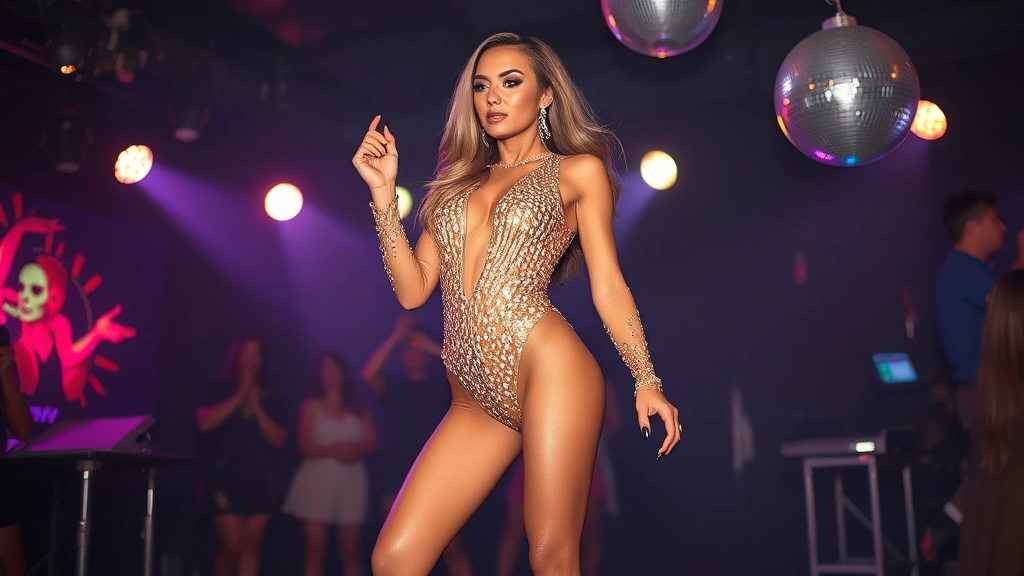
The pulsating beats of disco music may have faded from mainstream radio decades ago, but the fashion movement it sparked refuses to stay buried in the archives of nostalgia. Today’s most influential designers and style authorities are breathing new life into disco fashion, transforming sequins, platform boots, and bold geometric patterns from period pieces into contemporary wardrobe essentials. This resurgence isn’t merely about recreating the 1970s—it’s about understanding the liberating spirit that disco fashion embodied and translating it into modern contexts that celebrate individuality, confidence, and unapologetic self-expression.
What makes the current disco fashion revival particularly compelling is its intersection with contemporary values around inclusivity, sustainability, and personal empowerment. Fashion experts from prestigious institutions and renowned publications are documenting how disco aesthetics are influencing everything from high-fashion runways to street style, making this more than a fleeting trend. Whether you’re curious about incorporating disco elements into your wardrobe or simply want to understand why this iconic era continues to captivate modern fashion consciousness, this comprehensive guide offers expert perspectives on the disco fashion phenomenon.
Defining Disco Fashion: More Than Just Sequins
Disco fashion represents far more than the glittering surface most people initially envision. At its core, disco style embodies a philosophy of radical self-expression and celebration—a fashion movement that rejected the constraints of previous decades and embraced excess, color, and theatrical presentation as forms of personal liberation. The aesthetic draws heavily from influences including various fashion style categories, yet maintains its own distinctly confident identity.
The foundation of authentic disco fashion rests on several core principles. First, there’s the commitment to statement-making pieces that command attention and refuse to fade into the background. Second, disco style celebrates the human form through fitted silhouettes, strategic cutouts, and body-conscious designs that prioritize sensuality without sacrificing sophistication. Third, the movement embraced color theory and metallic finishes in ways that challenged conventional notions of tasteful dressing. Finally, disco fashion incorporated elements of androgyny and gender-bending aesthetics, allowing individuals across the gender spectrum to explore their personal style with unprecedented freedom.
Modern style experts recognize that understanding how to find your personal style often involves drawing inspiration from historical movements like disco. Fashion historians note that the era’s approach to self-presentation—treating fashion as a form of artistic expression and social commentary—remains profoundly relevant in contemporary contexts where authenticity and individual identity hold paramount importance.
The Historical Context: Why Disco Fashion Mattered
To understand the disco fashion revival’s significance, we must examine the historical circumstances that created this revolutionary aesthetic. The 1970s represented a period of profound social transformation, marked by ongoing civil rights movements, evolving gender roles, and increasing LGBTQ+ visibility and activism. Disco fashion emerged as a direct response to these social currents, offering marginalized communities—particularly Black, Latino, and queer communities—a space where they could celebrate themselves without apology.
The disco era coincided with significant economic shifts and changing attitudes toward leisure and nightlife. Dance clubs became more than entertainment venues; they transformed into safe spaces where individuals could explore identity, sexuality, and self-expression through fashion. This historical context explains why disco fashion carries such cultural weight beyond mere aesthetic considerations. According to Vogue, the publication has extensively documented how disco fashion served as a vehicle for social expression during a transformative period in American history.
Understanding the complete fashion history timeline helps contextualize how disco emerged as a distinct movement within broader fashion evolution. The movement represented a deliberate departure from the bohemian minimalism of the late 1960s, instead embracing maximalism, glamour, and conspicuous celebration of style as a form of resistance.
The music-fashion connection proved inseparable during this era. As disco music dominated dance floors and radio airwaves, the accompanying fashion aesthetic became increasingly refined and sophisticated. What began as spontaneous club wear evolved into carefully curated looks that required investment in quality pieces—platform shoes, sequined garments, and tailored jumpsuits became status symbols within disco communities, representing not merely fashion choices but statements of identity and belonging.
The Modern Revival: Contemporary Interpretations
The current disco fashion revival differs significantly from previous nostalgic cycles. Rather than treating the aesthetic as costume or kitsch, contemporary designers approach disco elements with reverence and creative reinterpretation. This shift reflects broader changes in how fashion culture engages with historical references—moving away from ironic detachment toward genuine appreciation and thoughtful adaptation.
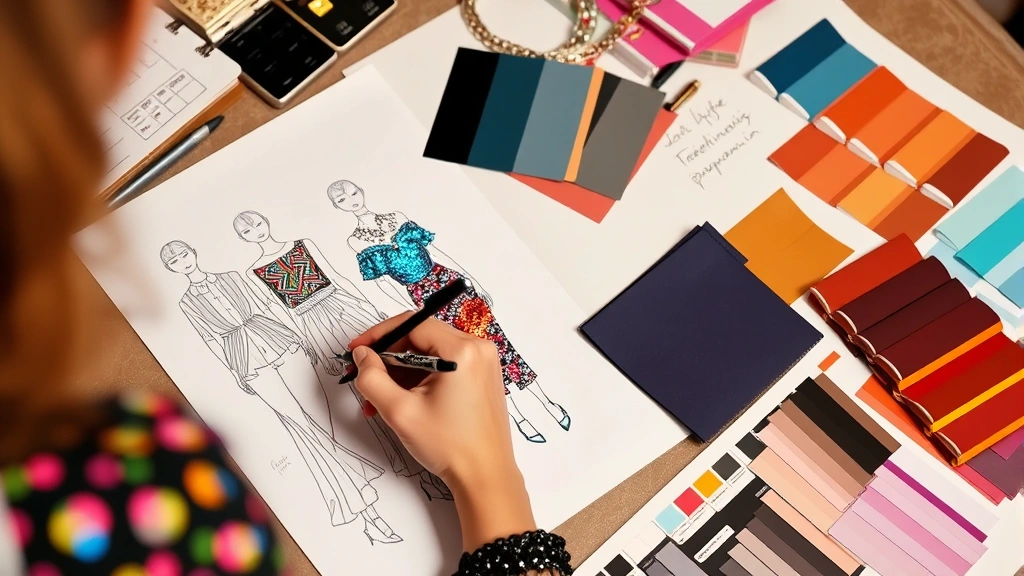
Fashion institutions and design schools are increasingly featuring disco-inspired coursework, recognizing the movement’s technical and conceptual contributions to fashion design. Leading fashion design schools emphasize how studying disco aesthetics teaches valuable lessons about proportion, color theory, construction techniques, and the relationship between clothing and social movement.
The modern revival manifests across multiple fashion categories. Luxury designers incorporate disco references through subtle fabric choices and silhouette nods, while contemporary brands create more overt celebrations of the era. This democratization of disco fashion means that enthusiasts can engage with the aesthetic at virtually any price point, from high-end couture interpretations to accessible fast-fashion adaptations.
Celebrity influence has significantly accelerated the disco fashion revival. Style icons and performers have embraced disco-inspired looks for red carpet appearances, music videos, and everyday fashion, bringing the aesthetic to mainstream consciousness. This visibility has encouraged fashion consumers to explore disco elements within their own wardrobes, creating demand for both vintage pieces and contemporary interpretations.
The intersection of disco fashion with contemporary 90s fashion sensibilities has created an interesting hybrid aesthetic. Designers are blending the maximalism of disco with the ironic detachment of 90s style, creating looks that feel simultaneously retro and innovative. This cross-pollination demonstrates how historical fashion movements continue to influence and evolve contemporary style.
Key Elements of Disco Fashion
Successful disco fashion styling requires understanding the specific elements that define the aesthetic. These components work together to create the characteristic disco look that continues to captivate fashion enthusiasts.
- Sequins and Metallics: Sequined garments remain the most recognizable disco fashion element. Modern interpretations often feature sequins in unexpected placements—asymmetrical cuts, strategic panels, or subtle embellishments rather than all-over coverage. Metallic fabrics including lamé, holographic materials, and mirror-finish textiles capture the light-reflecting essence of classic disco style.
- Platform Footwear: Platform shoes served both functional and aesthetic purposes in disco fashion. The elevated sole height created dramatic silhouettes, extended leg lines, and contributed to the theatrical presentation disco culture celebrated. Contemporary platform designs range from disco-accurate styles to modern interpretations that maintain the visual impact while incorporating current comfort technologies.
- Bold Colors and Patterns: Disco rejected neutrality in favor of saturated colors—electric blues, hot pinks, mustard yellows, and jewel tones dominated the palette. Geometric patterns including diamonds, hexagons, and abstract designs frequently appeared on disco garments. Modern applications often feature these bold color choices in more restrained ways, using them as accent pieces rather than all-consuming looks.
- Fitted Silhouettes: Body-conscious cuts defined disco fashion, with jumpsuits, bodysuits, and tailored separates creating dramatic shapes. High-waisted trousers, fitted vests, and wrap tops emphasized the torso and created elegant, elongated proportions. Contemporary disco styling maintains this emphasis on intentional silhouettes that celebrate the body’s natural lines.
- Cutouts and Strategic Transparency: Disco fashion embraced sensuality through strategic cutouts and sheer fabrics that revealed skin in considered ways. Neckline cutouts, side panels of mesh or transparent material, and open-back designs created visual interest while maintaining sophistication. Modern interpretations of this element often feature smaller, more subtle cutouts or use contemporary fabrics that provide coverage while maintaining the intended visual effect.
- Oversized Collars and Lapels: Wide, dramatic collars and substantial lapels characterized much disco fashion, particularly in shirts and jackets. These elements created strong shoulder lines and contributed to the bold, confident silhouettes disco enthusiasts favored. Contemporary styling often incorporates this element through statement collar pieces or vintage-inspired shirts worn as fashion-forward basics.
How to Style Disco Fashion Today
Incorporating disco elements into contemporary wardrobes requires thoughtful curation and understanding of proportion and context. Fashion experts emphasize that successful modern disco styling balances the aesthetic’s inherent boldness with wearability and personal comfort.
The Foundational Approach: Begin by selecting one primary disco element as your focal point. This might be a sequined top, metallic pants, or dramatic platform shoes. Build the remainder of your outfit around this statement piece using neutral or complementary colors. This strategy allows you to explore disco fashion without overwhelming your overall aesthetic or feeling costume-like.
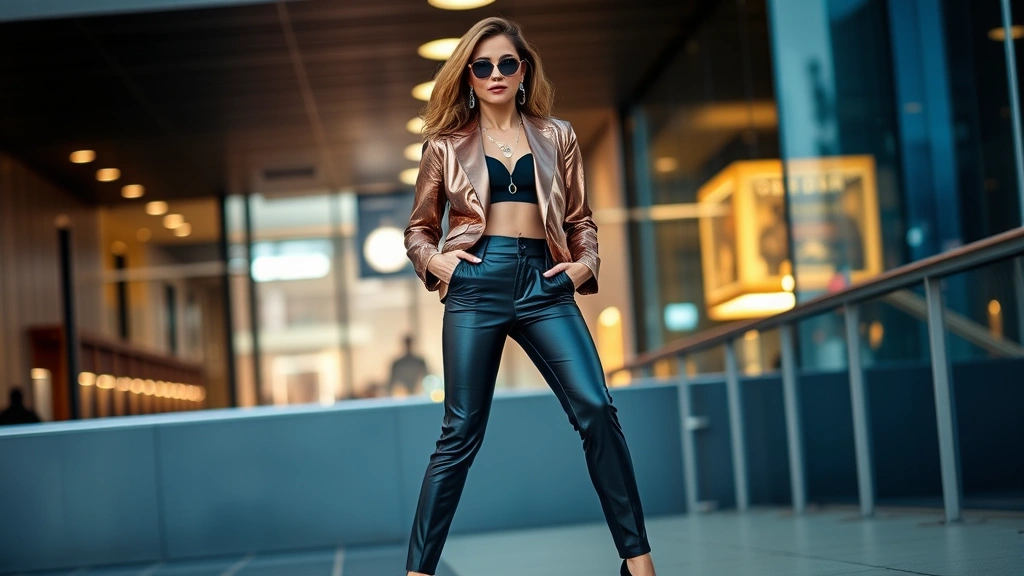
Mixing Eras: Contemporary style experts frequently recommend combining disco elements with pieces from other fashion periods or modern basics. Pairing a sequined disco-inspired top with contemporary tailored trousers, for instance, creates a look that feels current while honoring the historical aesthetic. This mixing approach aligns with modern fashion philosophy that values eclecticism and personal curation over rigid adherence to singular style movements.
Accessory Strategy: Disco fashion offers rich opportunities for accessorizing. Metallic jewelry, oversized sunglasses, structured handbags, and statement belts enhance the disco aesthetic without requiring complete outfit transformations. Many style enthusiasts find that incorporating disco elements through accessories provides an accessible entry point to the trend.
Color Coordination: Modern disco styling often employs more restrained color palettes than the original era. Rather than combining multiple bold hues, contemporary approaches might feature a single saturated color paired with neutrals, or use metallic accents to add visual interest without chromatic intensity. This updated approach maintains disco’s confident energy while aligning with contemporary design sensibilities.
Occasion Considerations: Disco fashion works beautifully for evening events, parties, and special occasions, but can also translate to daytime wear through thoughtful styling. A sequined bralette worn under a blazer, for instance, delivers disco flair in a professional context. Platform shoes styled with minimalist clothing create a disco-influenced casual look suitable for daytime activities.
Designer Perspectives on Disco Influence
Leading fashion designers and creative directors have offered valuable insights into how disco aesthetics influence contemporary design practice. These expert perspectives illuminate why the movement continues to captivate the fashion industry.
Many designers cite disco fashion’s fearless approach to color, proportion, and self-expression as primary inspirations. The era’s rejection of restraint and embrace of visual drama provide conceptual frameworks that designers apply to contemporary collections. Fashion historians and critics regularly feature these designer insights in major publications, recognizing disco’s ongoing relevance to fashion innovation.
Harper’s Bazaar has published extensive interviews with designers exploring how disco influences shape their creative processes. These conversations reveal that contemporary designers appreciate disco fashion’s technical sophistication—the construction challenges of sequining garments, the engineering required for dramatic silhouettes, and the color theory applications that created harmonious yet bold palettes.
Emerging designers frequently cite disco as a reference point for exploring identity and community through fashion. The era’s historical significance as a space where marginalized communities celebrated themselves resonates with contemporary design conversations around inclusivity and representation. Young designers use disco aesthetics as a vehicle for exploring these themes, creating collections that honor the era’s liberatory spirit while addressing contemporary social concerns.
The relationship between music and fashion remains central to designer perspectives on disco. Many contemporary designers work in close collaboration with musicians and performers, understanding that disco fashion’s power derived partly from its symbiotic relationship with music culture. This insight influences how designers approach runway presentations and consider the performative aspects of fashion.
Sustainable Disco Fashion
As fashion increasingly grapples with sustainability concerns, the disco fashion revival presents interesting challenges and opportunities. The era’s emphasis on quality, longevity, and investment pieces actually aligns well with sustainable fashion philosophy, though some disco elements present environmental considerations.
Vintage and thrifted disco pieces represent the most sustainable approach to engaging with the aesthetic. Many original disco garments remain in excellent condition, offering authentic pieces that eliminate manufacturing impacts. The growing market for vintage disco fashion has created economic incentives for preserving and circulating these garments rather than allowing them to languish in landfills.
Contemporary designers addressing sustainability concerns have developed innovative approaches to disco-inspired pieces. Some explore alternatives to traditional sequining techniques that reduce environmental impact while maintaining visual impact. Others source sustainable fabrics that can achieve metallic and reflective qualities without relying on resource-intensive processes. These innovations demonstrate that engaging with historical fashion movements like disco can coexist with environmental responsibility.
The concept of quality over quantity—central to sustainable fashion philosophy—resonates with original disco fashion culture. Disco enthusiasts invested in well-made pieces designed to last and remain stylish across multiple seasons and occasions. Replicating this approach in contemporary disco fashion styling means selecting fewer, higher-quality pieces rather than accumulating numerous cheap alternatives.
Fashion educators increasingly emphasize how studying style loom daily blog resources and fashion history helps consumers make more sustainable choices. Understanding the original context and cultural significance of disco fashion encourages more thoughtful engagement with the aesthetic, reducing the likelihood of impulse purchases or treating disco fashion as disposable costume.
FAQ
What’s the difference between authentic disco fashion and disco-inspired contemporary fashion?
Authentic disco fashion refers to garments and styles created during the 1970s disco era, characterized by the specific construction techniques, fabric technologies, and design philosophies of that period. Disco-inspired contemporary fashion adapts disco aesthetic elements—sequins, bold colors, fitted silhouettes—using modern fabrics, construction methods, and design approaches. Both have merit; authentic pieces offer historical authenticity while contemporary interpretations make disco aesthetics accessible and relevant to modern contexts.
How can I wear disco fashion without looking like I’m wearing a costume?
The key is thoughtful proportion and context. Incorporate one disco element as a statement piece while keeping the remainder of your outfit relatively understated. Pair sequined pieces with tailored neutral separates, or wear metallic pants with a simple black top. Choose occasions appropriate for bolder fashion statements, and consider how disco elements work with your personal style rather than treating them as isolated trend pieces.
Are platform shoes essential for disco fashion?
While platform shoes represent an iconic disco element, they’re not absolutely essential. Many disco-inspired looks work beautifully with contemporary footwear. That said, platforms do create the dramatic silhouettes disco fashion celebrates, so incorporating them—even in modern platform styles—can enhance the overall aesthetic impact of your outfit.
What color palettes work best for modern disco fashion?
While original disco embraced saturated, sometimes clashing colors, contemporary disco fashion often employs more restrained palettes. Try working with a single bold color paired with neutrals, or use metallics as the primary color statement. Jewel tones including sapphire, emerald, and amethyst translate particularly well to modern contexts, as do classic disco colors like hot pink and electric blue when used strategically.
Can I incorporate disco fashion into professional or daytime settings?
Absolutely. Subtle disco elements work beautifully in professional contexts. A sequined camisole worn under a structured blazer, metallic accessories with neutral clothing, or a silk shirt featuring subtle geometric patterns all bring disco flair to professional environments. For daytime casual wear, platform shoes with minimalist outfits or a metallic accent piece can introduce disco influences without overwhelming your overall look.
Where should I source disco fashion pieces?
Vintage and thrifted sources offer authentic pieces and sustainability benefits. Contemporary fashion retailers increasingly offer disco-inspired collections at various price points. Online marketplaces specializing in vintage fashion provide access to original disco pieces, though prices vary considerably based on condition and rarity. High-end designers also create disco-influenced pieces as part of contemporary collections.