How to Rock 50s Style: Fashion Expert Advice for Modern Men
The 1950s remains one of the most influential decades in men’s fashion history, characterized by sharp tailoring, bold colors, and an undeniable sense of refinement that continues to captivate style enthusiasts today. Whether you’re drawn to the rebellious edge of James Dean or the polished sophistication of Cary Grant, 50s guys fashion offers versatile inspiration for crafting a distinctive wardrobe that feels both vintage and contemporary. This era celebrated masculinity through meticulous grooming, structured silhouettes, and an attention to detail that modern men can authentically embrace.
Rocking 50s style isn’t about recreating the past—it’s about understanding the principles that made this decade iconic and translating them into your personal aesthetic. From leather jackets to tailored trousers, from vintage sneakers to classic accessories, the 50s provides a treasure trove of styling possibilities. This comprehensive guide explores how to master this timeless aesthetic while maintaining modern relevance and comfort.
The Foundation: Essential 50s Clothing Pieces
Understanding the core wardrobe components is essential when learning how to rock 50s style authentically. The foundation of any respectable 1950s-inspired wardrobe begins with well-constructed basics that served as building blocks for countless iconic looks throughout the decade.
The Classic White T-Shirt is perhaps the most recognizable staple of 50s men’s fashion. Worn alone, layered under an open shirt, or beneath a leather jacket, this simple piece became a symbol of casual cool. Look for fitted versions in 100% cotton that highlight your physique without appearing overly tight. The white tee paired with jeans and a leather jacket created one of the most enduring silhouettes in fashion history.
Button-Down Shirts form another cornerstone of 50s style. The decade favored short-sleeved camp collar shirts, Hawaiian prints, and classic oxford cloth shirts in solid colors. These versatile pieces work equally well as standalone items or layered over your favorite tee. For authentic 50s vibes, seek out shirts with slightly boxy cuts and camp collars. Our guide on how to style button-down shirts provides comprehensive styling techniques applicable to vintage interpretations.
Tailored Trousers and Jeans represent the dual nature of 50s menswear—refined elegance alongside casual rebellion. High-waisted trousers with a slight taper at the ankle defined the polished look, while raw denim jeans in darker washes captured the rebellious spirit popularized by cultural icons. The key is finding pieces with appropriate proportions for your body type.
The Leather Jacket transcends mere fashion statement—it’s an attitude. The classic motorcycle jacket, typically in black or brown leather, became synonymous with 50s cool after appearing in films like The Wild One and Rebel Without a Cause. Invest in quality leather that develops character over time.
Mastering Tailoring and Fit
The 1950s emphasized structured silhouettes and impeccable tailoring, creating a distinctive visual language that distinguished the era from both preceding and subsequent decades. Modern men looking to capture authentic 50s aesthetics must prioritize proper fit above all else.
The ideal 50s fit features several key characteristics: shoulders should sit precisely at your natural shoulder point without excess fabric bunching; chest should allow for comfortable movement without billowing; and waistbands should sit at your natural waist, not sagging below the hips as contemporary fashion often dictates. This higher waistline instantly evokes the period while creating a more flattering silhouette for most body types.
Sleeve length matters considerably in 50s styling. Shirts should terminate at your wrist bone when arms hang naturally, providing a clean, finished appearance. Jacket sleeves should show approximately half an inch of shirt cuff—a detail that demonstrates sartorial awareness. Trouser breaks (the way fabric meets your shoe) should be minimal to moderate; the 50s generally avoided the full breaks common in earlier decades.
Finding pieces that fit correctly often requires tailoring assistance. A skilled tailor can transform off-the-rack garments into perfectly proportioned 50s-inspired pieces. Consider investing in alterations as part of your personal style development journey, as proper fit elevates any outfit regardless of era.
The shoulders deserve special attention—50s menswear featured structured shoulders with subtle padding that created a masculine silhouette without appearing exaggerated by modern standards. This architectural quality, created through quality tailoring and construction, cannot be replicated through styling alone.
Color Palettes and Patterns
The 1950s color story for men’s fashion balanced sophistication with playfulness, offering diverse options depending on the occasion and personal preference. Understanding these chromatic traditions helps create cohesive, period-appropriate outfits.
Classic Neutrals formed the foundation of most 50s wardrobes. Black, charcoal gray, navy, cream, and white provided versatile bases for countless combinations. These timeless hues remain eternally relevant and serve as excellent anchors when incorporating more adventurous pieces. A charcoal suit with a white shirt represents quintessential 50s formality that remains appropriate for contemporary occasions.
Jewel Tones and Rich Colors gained prominence during the 1950s, reflecting post-war optimism and economic prosperity. Deep burgundy, forest green, rich chocolate brown, and sapphire blue appeared in both solid garments and patterns. These colors conveyed confidence and sophistication, particularly in tailored pieces.
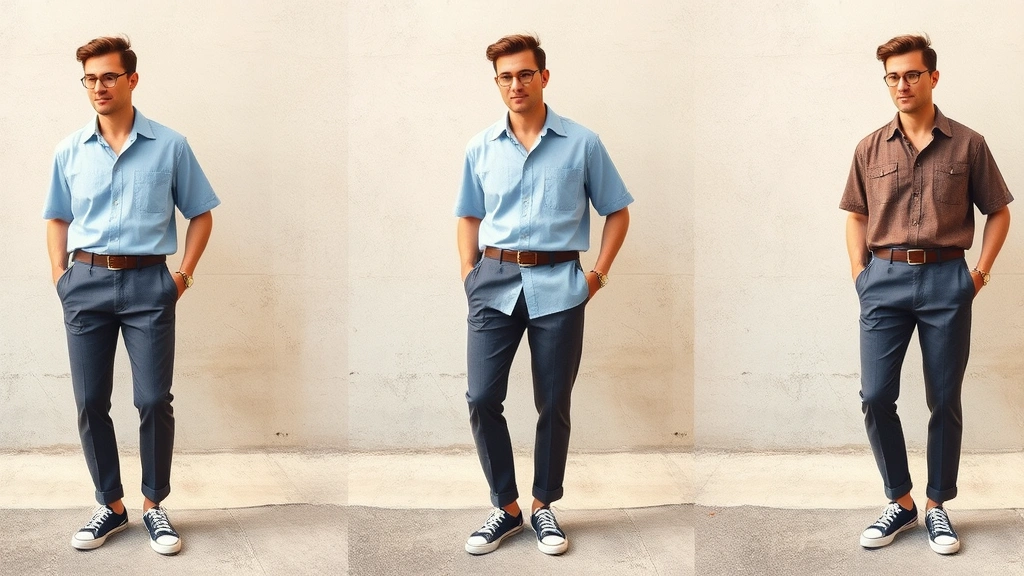
Pastels and Soft Hues represented the lighter, more playful side of 50s menswear. Soft pink, pale blue, mint green, and cream appeared in camp collar shirts and casual wear, offering a refreshing contrast to darker formal pieces. These colors work beautifully for spring and summer styling.
Patterns and Prints deserve dedicated attention. Hawaiian prints, geometric designs, bowling shirt patterns, and subtle checks characterized much of 50s casual wear. Stripes appeared in various widths on shirts and sweaters. Argyle patterns adorned socks and sweaters, adding visual interest to outfits. When incorporating patterns, balance them with solid pieces to avoid overwhelming your overall appearance.
The key to mastering 50s color strategy involves understanding context. Formal occasions called for sophisticated neutrals and jewel tones, while casual settings embraced bolder colors and playful prints. Contemporary styling benefits from this same principle—knowing when to be bold and when to exercise restraint.
Footwear That Defines the Era
Shoes served as crucial finishing touches in 50s men’s fashion, with specific styles dominating different contexts. Selecting appropriate footwear represents a critical component of achieving authentic 50s style.
Leather Dress Shoes provided the foundation for formal and business occasions. Oxfords in black or brown leather represented the ultimate in 50s sophistication, while loafers offered slightly more casual elegance. Saddle shoes—two-tone leather shoes with contrasting bands across the middle—captured the playful spirit of the era particularly well. Wingtips with their distinctive perforated detailing also gained popularity during this period.
Sneakers and Canvas Shoes dominated casual wear and athletic contexts. White canvas sneakers (reminiscent of Converse Chuck Taylors) paired perfectly with jeans and t-shirts, creating the effortless cool associated with 50s youth culture. These humble shoes became iconic through cultural references and remain surprisingly versatile for contemporary styling.
Suede and Crepe Shoes added texture and visual interest to 50s wardrobes. Desert boots in tan suede, often called Wallabees, provided comfortable alternatives to formal leather shoes while maintaining sophistication. The crepe rubber soles offered both comfort and a distinctly vintage aesthetic.
Motorcycle Boots complemented leather jackets and reinforced the rebellious edge of 50s style. These sturdy, practical boots conveyed toughness and attitude, making them essential for anyone channeling the James Dean aesthetic.
When selecting footwear for 50s-inspired outfits, consider the overall tone you’re creating. Formal occasions warrant polished leather shoes, while casual settings embrace sneakers and suede options. The contrast between refined and rebellious elements defines much of the era’s appeal.
Accessories and Grooming
Accessories and personal grooming elevated 50s style from merely wearing clothes to embodying a complete aesthetic. These details separated the casually dressed from the truly stylish.
Hats and Headwear held significant importance in 50s menswear. Fedoras, trilbys, and wide-brimmed hats provided both practical sun protection and sartorial sophistication. Leather jackets frequently paired with motorcycle caps or flat caps. Slicked-back hairstyles often required pomade and grooming products, making hair care an integral component of the look.
Belts and Buckles functioned as both practical necessities and style statements. Wide leather belts with substantial buckles cinched tailored trousers, while more casual styles featured woven or fabric options. The belt represented an opportunity to introduce additional color or texture to an outfit.
Jewelry and Watches conveyed refinement without excess. A quality wristwatch demonstrated both practicality and taste, while simple rings, chains, or bracelets added subtle personality. Many 50s men favored minimalist approaches to jewelry, allowing other elements to command attention.
Socks deserve mention as an often-overlooked detail. The 50s celebrated bold sock choices—argyle patterns, colorful stripes, and textured knits appeared frequently. These small details, visible when seated or with cropped trousers, added playful personality to otherwise formal outfits.
Grooming Standards were exceptionally high during the 1950s. Men maintained clean, well-groomed appearances with slicked-back or neatly combed hair, clean-shaven faces, and attention to personal hygiene. Modern interpretations benefit from maintaining these grooming standards—the 50s aesthetic requires effort and maintenance to appear authentic.
Discover more about various fashion styles and their defining characteristics to understand how accessories function across different aesthetics.
Styling Different 50s Archetypes
The 1950s produced several distinct masculine archetypes, each with specific styling characteristics and cultural significance. Understanding these variations allows you to select the 50s aesthetic that most authentically resonates with your personality.
The Greaser Look embodied rebellion and working-class cool. This style featured leather jackets, white t-shirts, dark jeans, and motorcycle boots. Hair was slicked back with pomade, creating a distinctive silhouette. This archetype rejected mainstream fashion conventions, instead celebrating toughness and individuality. James Dean’s portrayal in Rebel Without a Cause crystallized this aesthetic in popular culture.
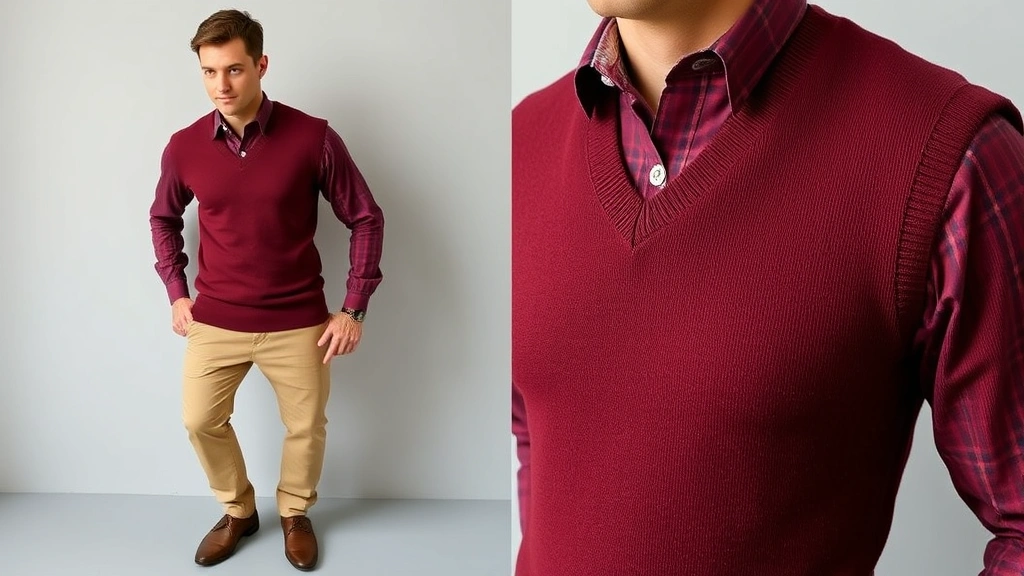
The Preppy Gentleman represented the opposite end of the spectrum—refined, polished, and academically inclined. This style incorporated tailored blazers, button-down shirts, sweater vests, chinos, and loafers. The preppy aesthetic emphasized heritage, quality, and understated elegance. This look remains relevant for contemporary business and formal occasions.
The Rockabilly Rebel blended elements of both previous archetypes while adding musical influences. Slightly looser fits than greasers, colorful shirts, and an emphasis on personality distinguished rockabilly style. This aesthetic celebrated self-expression and musical passion.
The Clean-Cut Teen represented mainstream youth fashion—simple, approachable, and endlessly adaptable. This style featured basic t-shirts, casual button-downs, clean jeans, and sneakers. This archetype proved most accessible for contemporary men seeking subtle 50s influences without dramatic departures from modern norms.
Your personal 50s aesthetic should align with your lifestyle, personality, and comfort level. There’s no requirement to fully commit to any single archetype; instead, cherry-pick elements that resonate with you and integrate them into your existing style.
Mixing Vintage with Modern
The most successful contemporary 50s styling balances vintage elements with modern pieces, creating outfits that feel historically inspired rather than costume-like. This approach respects the era while acknowledging present-day fashion sensibilities.
Strategic Vintage Integration involves selecting one or two standout 50s pieces and grounding them with contemporary basics. For example, pair a vintage leather jacket with modern slim-fit jeans and contemporary sneakers. This combination honors the era while avoiding an overly themed appearance. The key lies in treating vintage pieces as accent elements rather than costume components.
Color and Pattern Balancing helps modern outfits avoid appearing dated. While 50s fashion embraced bold patterns and colors, contemporary styling generally favors more restrained palettes. Incorporating a single patterned 50s shirt with solid modern pieces creates visual interest without overwhelming the outfit.
Silhouette Adaptation requires nuance. Rather than adopting the exact proportions of 50s garments, consider modified versions that honor the era’s aesthetic while accommodating contemporary body standards and comfort expectations. High-waisted trousers feel modern when paired with fitted tops, creating a flattering silhouette that nods to the 50s without appearing costume-y.
Footwear as the Modern Bridge allows you to ground 50s-inspired outfits in contemporary style. Pairing vintage pieces with modern sneakers, contemporary dress shoes, or current boot styles signals that you’re making intentional style choices rather than recreating history. This approach feels fresh and intentional.
Visit StyleLoom Daily Blog for ongoing inspiration and contemporary styling advice that complements vintage aesthetic exploration.
The most compelling 50s-inspired looks demonstrate understanding of why certain pieces mattered during that era while translating that knowledge into present-day contexts. This requires confidence in your choices and willingness to experiment until you discover combinations that feel authentically yours.
Understanding complete fashion history timeline provides valuable context for how 50s style evolved and influenced subsequent decades, enriching your understanding of this iconic era.
FAQ
What are the most essential 50s fashion pieces every man should own?
The foundational pieces include a white t-shirt, tailored trousers, a leather jacket, and a classic button-down shirt. These versatile basics work individually and combine effortlessly to create numerous outfits. Add quality sneakers and dress shoes, and you’ve established a solid 50s-inspired wardrobe capable of handling most occasions.
How do I find authentic vintage 50s clothing without appearing costume-like?
Focus on mixing vintage pieces with contemporary basics, selecting one or two standout items per outfit rather than full vintage ensembles. Choose pieces that align with your lifestyle—if you don’t naturally wear leather jackets, forcing one into your wardrobe will feel inauthentic. Quality matters more than quantity; fewer well-chosen pieces create stronger impressions than numerous mediocre items.
Are there specific 50s styles that work better for different body types?
Absolutely. Taller men can embrace the full 50s silhouette with longer jacket lengths and fuller cuts. Shorter men benefit from cropped proportions and tailored fits that create vertical lines. Broader-shouldered men look exceptional in structured jackets that emphasize their natural proportions. Slimmer men should avoid oversized vintage pieces; seek tailored options or invest in alterations. Professional tailors can adapt pieces to complement your specific body type.
How should I style 50s clothing for contemporary work environments?
Business casual settings welcome tailored trousers, quality button-down shirts, and classic blazers in neutral colors—all authentically 50s elements that remain professionally appropriate. Formal occasions benefit from tailored suits, crisp white shirts, and polished leather shoes. The 50s emphasized professional polish, making this era’s styling principles surprisingly relevant for modern workplaces.
What role does grooming play in achieving authentic 50s style?
Grooming proves essential—perhaps more important than the clothes themselves. The 50s celebrated clean-shaven faces, neatly styled hair, and meticulous personal hygiene. Invest in quality grooming products, maintain regular haircuts, and prioritize cleanliness. These fundamentals transform casual vintage pieces into cohesive 50s-inspired looks.
Can I incorporate 50s style into a modern wardrobe without committing fully?
Certainly. Begin with subtle touches—a single vintage piece, classic color choices, or period-appropriate accessories. Gradually expand your 50s elements as you develop confidence and discover which aspects resonate most strongly with your personal aesthetic. This evolutionary approach feels more natural than overnight transformation.
Where can I source quality 50s-inspired clothing?
Vintage retailers, specialized online shops, and contemporary brands creating 50s-inspired collections all offer options. Thrift stores occasionally yield authentic pieces, though quality varies significantly. Consider investment pieces from reputable vintage dealers for items you’ll wear frequently. Contemporary brands offer modern interpretations that blend vintage aesthetics with contemporary construction and comfort.
How do current fashion trends intersect with 50s style?
Contemporary fashion increasingly celebrates vintage aesthetics and sustainable style through secondhand shopping. The current emphasis on quality construction and timeless pieces aligns perfectly with 50s principles. Oversized silhouettes currently trending can incorporate 50s elements through strategic tailoring and accessorizing. Fashion naturally cycles, making 50s inspiration perpetually relevant.