2020 Fashion Trends: Expert Insights
The year 2020 marked a pivotal moment in fashion history, fundamentally reshaping how we approach style, comfort, and self-expression. As the world navigated unprecedented challenges, the fashion industry responded with innovation, sustainability, and a democratic shift toward individuality. From oversized silhouettes to vibrant color palettes, 2020 fashion trends reflected both our collective anxieties and our aspirations for a more conscious, inclusive future. This comprehensive guide explores the defining trends that captivated the fashion world during this transformative year, offering expert insights into what made these movements so culturally significant.
Whether you’re a fashion enthusiast seeking to understand the evolution of contemporary style or someone looking to refresh your wardrobe with timeless 2020 pieces, this exploration of the year’s most influential trends will inspire and inform your sartorial choices. We’ll delve into the psychology behind these movements, examine how they emerged from global circumstances, and discover why certain aesthetics resonated so powerfully with fashion communities worldwide.
Comfort-First Fashion and Athleisure Dominance
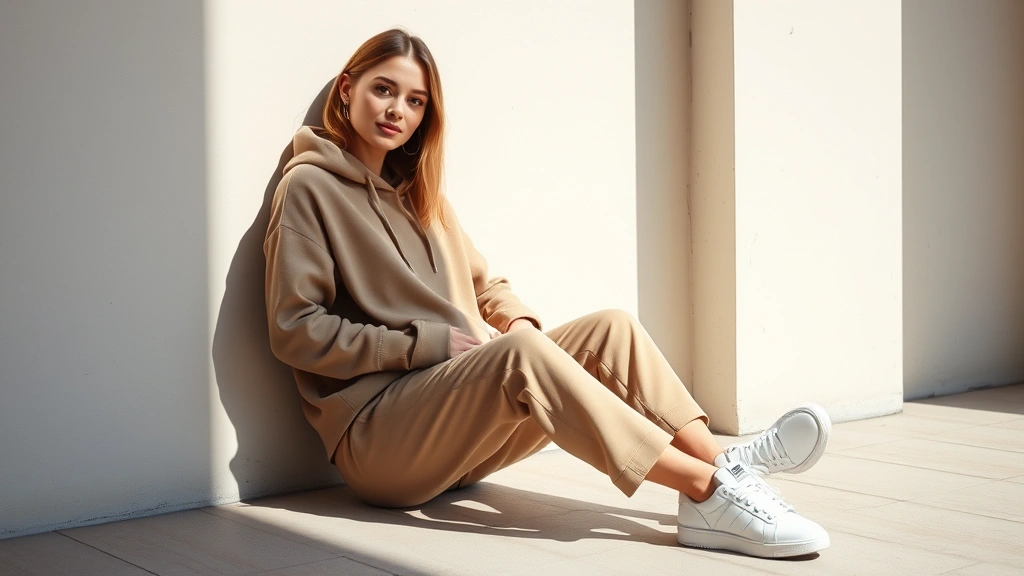
Perhaps the most defining characteristic of 2020 fashion was the unprecedented embrace of comfort without sacrificing style. As remote work became the norm and social gatherings shifted to virtual platforms, the fashion industry witnessed a seismic shift in priorities. The athleisure movement, which had been gaining momentum for years, finally reached its apex, transforming loungewear and activewear into legitimate fashion statements rather than guilty pleasures.
Oversized hoodies, sweatpants with tailored cuts, and sneakers paired with blazers became the uniform of the moment. Luxury brands that had traditionally focused on formality suddenly launched premium loungewear collections, acknowledging that comfort and style were no longer mutually exclusive concepts. Understanding different types of fashion styles became essential as boundaries between categories blurred completely. Expert fashion critics noted that this wasn’t merely a temporary response to lockdowns; it represented a fundamental philosophical shift in how society valued clothing.
The rise of brands specializing in elevated basics—think premium cotton t-shirts, perfectly fitted sweatshirts, and high-quality denim—demonstrated that consumers were willing to invest in comfortable pieces that could transition seamlessly from home to street. This trend emphasized quality over quantity, encouraging people to build capsule wardrobes with versatile, comfortable essentials. Fashion experts from Vogue highlighted how this movement democratized fashion, making it accessible to those who prioritized functionality without compromising on aesthetic appeal.
Sustainable and Ethical Fashion
2020 catalyzed a global awakening regarding fashion’s environmental and social impact. With increased time for reflection and growing awareness of climate change, consumers began questioning the origins of their clothing and the practices of fashion brands. This consciousness sparked an unprecedented demand for sustainable and ethically produced garments.
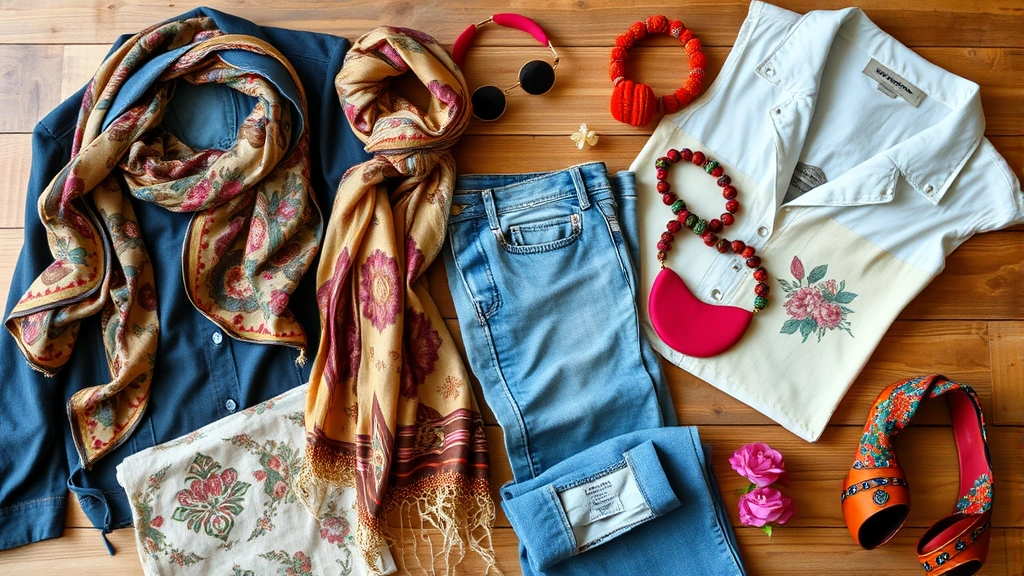
Vintage shopping experienced a renaissance, with secondhand platforms becoming mainstream shopping destinations. Thrifting transitioned from a budget-conscious choice to a style statement embraced by fashion-forward individuals and celebrities alike. Rental services gained traction as consumers recognized that owning every trend wasn’t necessary or sustainable. Luxury brands began highlighting their sustainability initiatives, and emerging designers focused exclusively on eco-friendly practices gained significant visibility.
The concept of a complete fashion history timeline helped consumers understand how throwaway culture became normalized and why reversing this trend was crucial. Expert insights from sustainable fashion advocates emphasized that 2020 marked the moment when ethical consumption transitioned from niche concern to mainstream expectation. Brands that ignored sustainability faced consumer backlash, while those championing transparent, responsible practices gained fierce loyalty.
Maximalism and Bold Colors
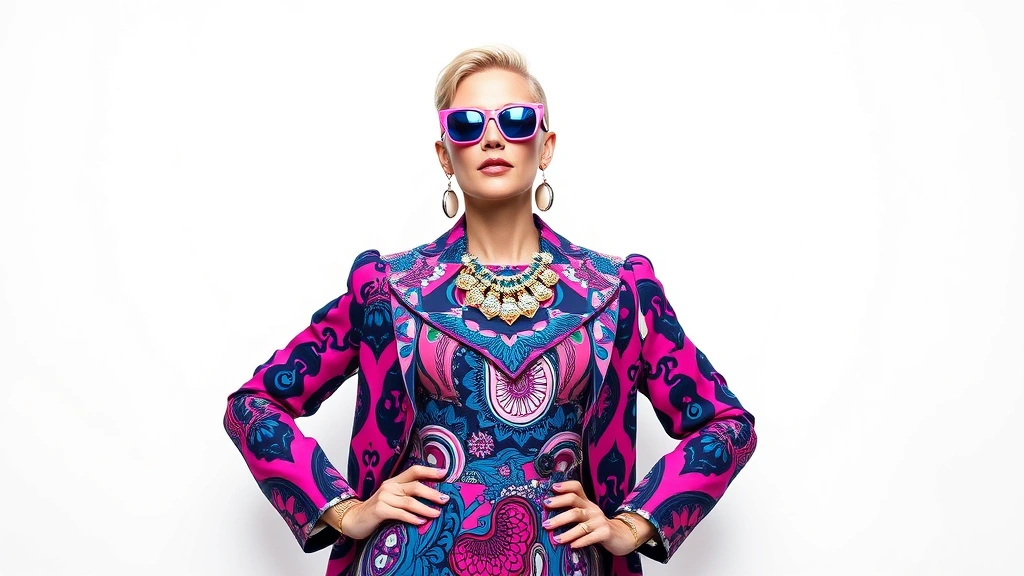
Counterintuitively, while comfort-first fashion dominated everyday wear, a parallel movement toward maximalism and audacious color choices captured the fashion imagination. Bright, saturated hues—electric blues, hot pinks, vibrant yellows, and rich jewel tones—dominated runways and street style photography throughout 2020. This explosion of color represented a psychological response to uncertain times; fashion became a vehicle for joy, optimism, and self-assertion.
Maximalism extended beyond color into pattern mixing, layering, and intentional over-styling. Clashing prints, bold accessories, and unapologetic self-expression challenged the minimalist aesthetic that had dominated the previous decade. Fashion designers celebrated individuality, encouraging people to experiment boldly with their personal style without fear of conventional judgment.
This trend reflected a deeper cultural moment: as external activities contracted, internal expression through fashion expanded. People used clothing as a form of emotional regulation and identity assertion. Fashion experts noted that maximalism wasn’t about excess for its own sake; rather, it represented a conscious rejection of restraint and a celebration of visibility in an increasingly isolated world.
Vintage and Thrifted Aesthetics
The thrifting movement that began gaining momentum in previous years reached fever pitch in 2020. Vintage shopping became a primary source of style inspiration and wardrobe building, driven by both sustainability concerns and a genuine aesthetic appreciation for pieces from different eras. Online platforms made vintage shopping accessible globally, connecting collectors with rare finds from their computers.
Fashion designers drew heavily from vintage archives, reinterpreting iconic silhouettes and aesthetics from the 1970s, 1980s, and 1990s. This wasn’t nostalgic copying; rather, it represented a sophisticated dialogue with fashion history. Understanding 1920s fashion and other historical periods helped contemporary designers create informed, respectful reinterpretations. The vintage aesthetic became shorthand for authenticity, individuality, and conscious consumption.
Thrifting also represented a democratization of high fashion. Luxury vintage pieces became accessible to broader audiences, and the hunt for unique finds created a sense of community and adventure. Fashion experts emphasized that this trend reflected a rejection of homogenized, mass-produced fashion in favor of pieces with history, character, and individuality. The vintage movement continues to influence contemporary fashion, proving its significance extended far beyond 2020’s immediate circumstances.
Gender-Neutral and Androgynous Styles
2020 witnessed an acceleration of gender-neutral fashion, with designers increasingly creating collections that transcended traditional masculine and feminine categorizations. This movement reflected broader cultural conversations about gender identity, expression, and the arbitrary nature of gendered clothing conventions.
Oversized silhouettes, traditionally masculine tailoring applied to typically feminine pieces, and the embrace of androgynous aesthetics became mainstream rather than niche. Luxury brands launched unisex collections, and emerging designers built their entire aesthetic around gender-fluid design principles. This represented more than a style trend; it was a philosophical statement about inclusivity, freedom of expression, and the rejection of restrictive binaries.
Fashion experts highlighted how this movement made style more accessible and liberating for everyone. People could experiment with different aesthetics without feeling confined by gendered expectations. This democratization of fashion allowed individuals to construct identities that authentically reflected their self-perception rather than conforming to predetermined categories. The 90s fashion revival contributed significantly to this trend, as the 1990s had pioneered gender-bending aesthetics that 2020 enthusiastically embraced anew.
Digital Fashion and Virtual Clothing
As physical gatherings became restricted, the fashion industry innovatively pivoted toward digital experiences. Virtual fashion shows replaced traditional runway presentations, creating unprecedented accessibility for global audiences. Digital-only clothing—garments designed exclusively for photos and social media—emerged as a novel concept, challenging traditional notions of what fashion could be.
Technology companies and fashion brands collaborated to create virtual fitting rooms, augmented reality try-ons, and immersive digital experiences. NFTs and digital collectibles began appearing in fashion conversations, though their long-term significance remained uncertain. This technological pivot wasn’t merely a pandemic response; it represented genuine innovation in how fashion could be experienced, shared, and appreciated.
Fashion commentators noted that digital fashion democratized access to runway shows and designer collections, allowing people worldwide to participate in fashion moments previously limited to industry insiders and wealthy enthusiasts. This shift toward digital experiences suggested that fashion’s future would increasingly blend physical and virtual realities, creating hybrid experiences that expanded creative possibilities.
Quiet Luxury and Minimalism
While maximalism captured headlines, a sophisticated counter-movement toward quiet luxury and understated minimalism simultaneously gained traction among fashion tastemakers. This aesthetic emphasized quality, craftsmanship, and subtle markers of sophistication rather than obvious logos and loud statements. High-quality basics, neutral color palettes, and investment pieces became hallmarks of refined style.
The quiet luxury movement reflected a broader cultural shift toward mindfulness and intentionality. Rather than accumulating numerous pieces, fashion-conscious individuals invested in fewer, higher-quality items that would endure both physically and aesthetically. This approach aligned perfectly with sustainable fashion principles and the capsule wardrobe concept.
Fashion experts from The Cut noted that quiet luxury represented a rejection of fast fashion’s disposability in favor of timeless pieces that transcended trends. This movement proved particularly appealing to individuals seeking sophistication without ostentation, demonstrating that elegance didn’t require loudness or visibility.
Y2K Revival and Nostalgic Trends
The Y2K aesthetic—characterized by low-rise jeans, baby tees, colorful accessories, and the general aesthetic of early 2000s fashion—experienced a surprising resurgence in 2020. This nostalgia-driven trend appealed particularly to younger generations discovering vintage 2000s fashion for the first time, while older millennials enjoyed revisiting the styles of their youth with updated sensibilities.
The Y2K revival represented more than simple nostalgia; it involved intelligent reinterpretation and modernization of early 2000s aesthetics. Contemporary designers elevated classic Y2K pieces, creating versions that honored the original aesthetic while reflecting current values regarding fit, sustainability, and inclusivity. This trend demonstrated fashion’s cyclical nature and how historical periods continuously inform contemporary style.
Fashion historians and trend forecasters noted that Y2K’s return suggested a broader cultural appetite for 2000s nostalgia, likely driven by a desire to revisit a pre-9/11, pre-recession moment perceived as simpler and more optimistic. Whether this trend reflected genuine affection for early 2000s fashion or served as escapism remained debated among fashion critics, but its undeniable influence on 2020 style proved significant and lasting.
The resurgence of fashion trends discussed on Style Loom Daily demonstrated how contemporary style constantly dialogues with historical periods, reinterpreting and reimagining past aesthetics for present contexts. Understanding these cyclical patterns helps fashion enthusiasts anticipate future trends while appreciating the sophistication involved in thoughtful nostalgic revival.
FAQ
What was the biggest 2020 fashion trend?
The most defining 2020 fashion trend was comfort-first styling and athleisure dominance. As remote work became standard, luxury loungewear and elevated basics became legitimate fashion statements. Simultaneously, sustainable fashion and conscious consumption gained unprecedented mainstream attention, representing a fundamental shift in how consumers approached style and ethics.
Why did vintage fashion become so popular in 2020?
Vintage fashion surged in 2020 due to multiple converging factors: increased sustainability consciousness, the accessibility of online thrifting platforms, and a genuine aesthetic appreciation for pieces with character and history. Thrifting offered both environmental responsibility and the thrill of discovering unique, individual pieces rather than mass-produced fast fashion.
Did gender-neutral fashion become mainstream in 2020?
Yes, 2020 represented a significant acceleration of gender-neutral fashion, with luxury brands and emerging designers increasingly creating unisex collections. This movement reflected broader cultural conversations about gender identity and challenged traditional gendered clothing conventions, making fashion more inclusive and liberating for all individuals.
How did digital fashion impact the industry in 2020?
Digital fashion transformed how fashion was experienced and shared. Virtual runway shows, digital-only clothing, augmented reality try-ons, and immersive digital experiences democratized access to fashion moments previously limited to industry insiders. This technological shift suggested that fashion’s future would blend physical and virtual realities.
Is quiet luxury still relevant after 2020?
Absolutely. Quiet luxury and understated minimalism continue influencing contemporary fashion. This movement’s emphasis on quality, craftsmanship, and timeless pieces aligns with sustainable fashion principles and appeals to individuals seeking sophistication without ostentation. The quiet luxury aesthetic has proven remarkably durable and continues shaping high-end fashion.
What does Y2K fashion mean?
Y2K fashion refers to the aesthetic of early 2000s style, characterized by low-rise jeans, baby tees, colorful accessories, and playful, trend-driven pieces. The Y2K revival in 2020 involved intelligent reinterpretation of these pieces with modern sensibilities regarding fit, sustainability, and inclusivity, rather than simple nostalgic reproduction.