90s Women’s Fashion Revival: Designer Insights and Modern Interpretations
The 1990s represent one of the most transformative decades in fashion history, a period when minimalism clashed with maximalism, grunge challenged haute couture, and women’s fashion became increasingly diverse and experimental. Today, as we witness a powerful resurgence of 90s aesthetics across runways and street style, designers and fashion experts are offering fresh perspectives on how this iconic era continues to shape contemporary wardrobes. This revival isn’t merely nostalgic—it’s a deliberate reinterpretation of the decade’s most influential trends, reimagined for modern sensibilities and values.
What makes the current 90s women’s fashion revival particularly compelling is its authenticity. Unlike superficial trend cycles, today’s designers are diving deep into the philosophical underpinnings of 90s style: the rejection of excess, the celebration of individuality, and the democratization of fashion. From slip dresses and cargo pants to oversized blazers and minimalist color palettes, the 90s silhouette has become a blueprint for contemporary design houses seeking to balance sophistication with accessibility.
The Cultural Context: Why 90s Fashion Still Resonates
Understanding the resurgence of 90s women’s fashion requires examining the cultural landscape that produced it. The 1990s emerged from the excess of the 1980s with a collective desire for authenticity and minimalism. This wasn’t accidental—it reflected broader societal shifts toward skepticism of corporate culture, the rise of alternative music scenes, and a generation seeking to define itself against its predecessors. Fashion became a vehicle for this rebellion, with designers like Calvin Klein championing stark minimalism while Kurt Cobain’s thrift-store aesthetic influenced millions.
Today’s 90s revival taps into similar yearnings. In an era of social media overload and sustainability concerns, the 90s promise of doing more with less feels refreshingly relevant. The decade’s emphasis on finding your personal style rather than following prescriptive trends resonates with contemporary fashion consumers who value individuality and authenticity. Designers recognize this hunger for meaningful style, which explains why 90s references appear not as literal reproductions but as thoughtful reinterpretations.
The economic context matters too. The 90s represented a moment when fashion became more democratic—designer diffusion lines, high-street accessibility, and the emergence of supermodels as celebrities meant that aspirational style was no longer exclusively for the wealthy. Contemporary designers are recapturing this spirit, creating pieces that feel premium without demanding premium prices or excessive consumption.
Key 90s Women’s Fashion Silhouettes Making a Comeback
The resurgence of 90s women’s fashion centers on several distinctive silhouettes that have become wardrobe staples for modern consumers. Understanding these key pieces helps contextualize why the decade remains so influential.
The Slip Dress Revolution: Perhaps the most iconic 90s silhouette, the slip dress represented a radical departure from structured femininity. Originally designed as intimate wear, designers like Helmut Lang and Calvin Klein elevated it to high fashion, creating a piece that was simultaneously sensual and minimalist. Today’s slip dresses maintain this duality—they work over t-shirts for casual wear or under sheer layers for evening elegance. The genius of the slip dress lies in its versatility and the way it celebrates the female form without demanding conformity to specific body types.
Cargo and Utilitarian Pants: The rise of cargo pants and utilitarian wear reflected 90s culture’s fascination with functionality and rebellious aesthetics. These weren’t about flattery or traditional femininity—they were about practicality and attitude. Contemporary designers have refined the silhouette, creating cargo pants that balance oversized proportions with modern tailoring. Brands are experimenting with unexpected fabrics, subtle details, and strategic fit adjustments that honor the 90s spirit while accommodating contemporary proportions and comfort expectations.
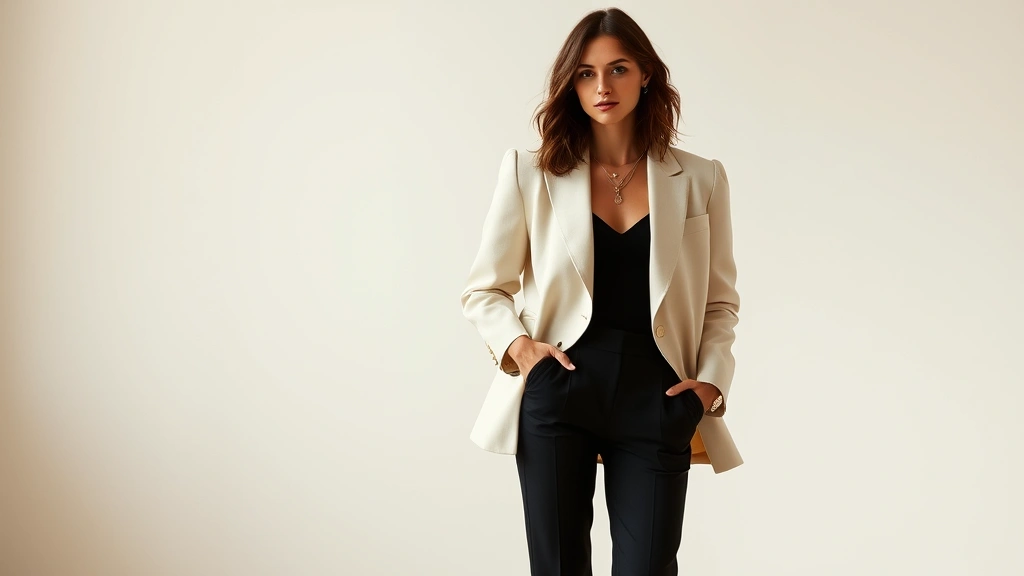
Oversized Blazers and Tailoring: The 90s blazer was deliberately oversized, worn off-shoulder or slouched, rejecting the power-suit formality of the 1980s. This approach to tailoring created an androgynous aesthetic that appealed to women seeking to navigate professional spaces on their own terms. Modern interpretations maintain the relaxed proportions while incorporating contemporary cuts and fabrics, allowing for styling flexibility that works from boardroom to casual weekend settings.
Minimalist Color Palettes: While the 90s encompassed diverse aesthetics, the decade’s most influential design movement centered on neutral tones—black, white, cream, gray, and navy. This palette represented a philosophical stance against conspicuous consumption and trend-driven fashion. The current revival of minimalist dressing draws directly from this 90s foundation, with designers creating sophisticated monochromatic and tonal outfits that feel contemporary rather than dated.
Exploring types of fashion helps illuminate how 90s aesthetics span multiple categories—from haute couture reinterpretations to street-style accessible pieces. The decade’s influence appears across luxury and accessible price points, indicating its fundamental importance to fashion’s evolution.
Designer Perspectives on the 90s Revival
Leading contemporary designers offer valuable insights into why 90s aesthetics remain creatively compelling. Rather than viewing the revival as mere nostalgia, these creative voices articulate how 90s principles address current fashion challenges and opportunities.
Minimalism as Sustainable Practice: Designers increasingly recognize that 90s minimalism aligns perfectly with sustainability imperatives. The decade’s philosophy of investing in fewer, better pieces directly contradicts fast-fashion consumption patterns. Contemporary design houses are returning to 90s principles—quality construction, timeless silhouettes, and neutral palettes that encourage mixing and matching—as intentional strategies for creating sustainable wardrobes. This isn’t retro styling; it’s a return to design fundamentals that create lasting value.
The Democracy of Style: 90s fashion democratized style in ways that continue influencing design philosophy. The decade saw supermodels becoming celebrities, but simultaneously, street style and alternative aesthetics gained unprecedented visibility. Designers today are inspired by this tension between accessibility and aspirational design. They’re creating pieces that feel special and considered without requiring exclusive access or extreme price points, capturing the 90s spirit of style for everyone.
Individualism Over Conformity: Perhaps the most profound 90s contribution to contemporary fashion is the valorization of personal expression over trend compliance. The decade celebrated multiple simultaneous aesthetics—minimalism and maximalism, grunge and glamour, androgyny and femininity—existing without hierarchy. Modern designers are recapturing this pluralistic approach, creating collections that support diverse personal styles rather than dictating singular seasonal looks. This philosophy extends to fashion accessories, where 90s-inspired pieces range from minimal jewelry to statement bags, allowing individuals to compose their own aesthetic narratives.
Industry publications like Vogue have extensively documented how contemporary designers reference 90s work, from runway collections to designer interviews. These analyses reveal that the revival represents genuine creative engagement rather than superficial nostalgia.
Styling 90s Pieces in 2024: Practical Tips
Incorporating 90s women’s fashion into modern wardrobes requires understanding both the aesthetic principles and practical styling considerations that make these pieces work in contemporary contexts.
Balancing Proportions: The 90s embraced oversized silhouettes, but contemporary styling benefits from proportion mixing. Pair oversized blazers with fitted trousers or slip dresses with structured outerwear. This creates visual interest while maintaining the 90s aesthetic of relaxed, non-conformist dressing. The key is intentionality—oversized pieces should feel chosen rather than accidental, paired with elements that demonstrate styling awareness.
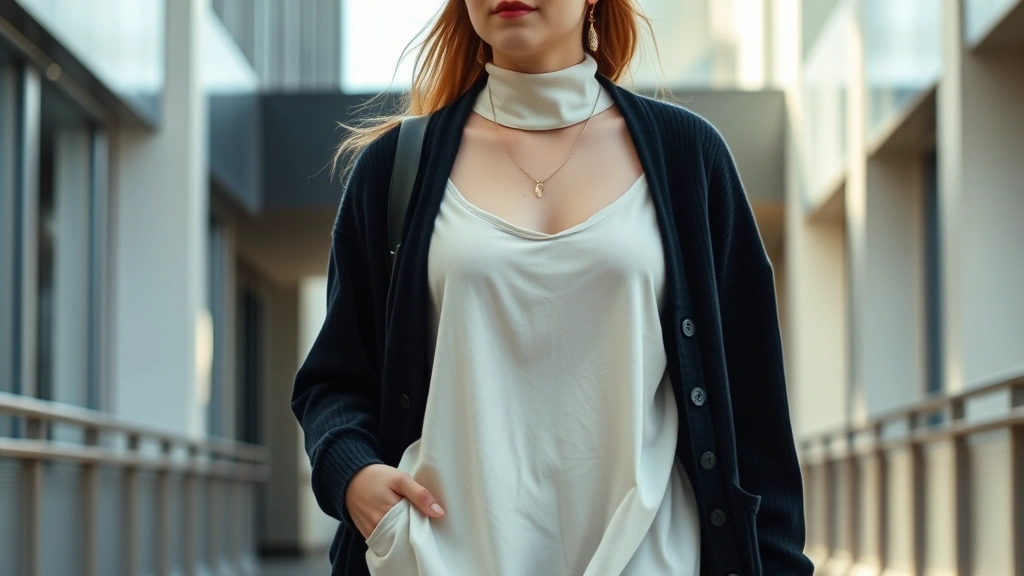
Layering Strategies: 90s style thrived on layering, from slip dresses over t-shirts to sheer fabrics revealing structured pieces beneath. Contemporary layering can incorporate modern basics—fitted turtlenecks under slip dresses, tailored shirts under oversized sweaters, or mesh tops over minimalist tanks. This approach maintains 90s visual complexity while accommodating modern comfort and functionality expectations.
Footwear and Accessories: While 90s silhouettes remain central, contemporary footwear and accessories modernize the overall look. Pair cargo pants with sleek modern sneakers rather than chunky 90s-specific styles. Choose minimal jewelry over statement pieces, or vice versa depending on the occasion. Contemporary accessories should feel intentional rather than costume-like, supporting the 90s philosophy of understated sophistication.
Color and Texture Combinations: While 90s minimalism centered on neutral palettes, contemporary styling can incorporate subtle color variation—cream and beige, black and charcoal, navy and gray. Texture becomes crucial: pair smooth slip dresses with textured knitwear, matte fabrics with subtle sheen, creating depth within a restrained color story. This approach honors 90s minimalism while adding contemporary visual richness.
Quality and Fit Considerations: The 90s celebrated quality construction and intentional fit. When building a 90s-inspired wardrobe, prioritize pieces with excellent tailoring and durable fabrics. A well-made oversized blazer, a quality slip dress, and perfectly proportioned cargo pants form a foundation for versatile styling. The complete fashion history timeline demonstrates how quality and intentionality distinguish enduring style from fleeting trends.
The Sustainability Connection
The 90s women’s fashion revival intersects meaningfully with sustainability imperatives reshaping the fashion industry. The decade’s principles—investing in fewer pieces, choosing quality over quantity, and valuing timelessness—directly address contemporary environmental and ethical concerns.
The 90s philosophy of doing more with less anticipated current sustainability movements. When Calvin Klein and Helmut Lang championed minimalist wardrobes, they inadvertently created a blueprint for sustainable consumption. Contemporary designers reviving 90s aesthetics are explicitly connecting this revival to sustainability goals, marketing collections as investments in lasting style rather than seasonal trends.
Vintage and secondhand 90s pieces have become increasingly valuable, both economically and environmentally. Thrift stores overflow with authentic 90s garments, and vintage fashion platforms have become primary sources for consumers seeking period-authentic pieces. This circular economy aspect of the 90s revival represents a practical sustainability strategy—extending garment lifecycles while reducing production demands on contemporary manufacturers.
The Style Loom Daily Blog explores how fashion choices connect to broader lifestyle and values considerations, a conversation that naturally encompasses sustainability discussions. The 90s revival demonstrates that style and responsibility aren’t opposing forces—they can align through thoughtful consumption and investment in pieces that endure.
Contemporary fashion industry leaders are increasingly transparent about how 90s-inspired minimalism supports sustainable production. Reduced color palettes simplify manufacturing, fewer seasonal silhouettes allow for better inventory management, and emphasis on quality reduces replacement cycles. These practical benefits align with the decade’s original aesthetic philosophy, creating authentic connections between 90s style and modern sustainability imperatives.
Professional trend forecasters, including Fashion United, have documented how sustainability considerations drive contemporary 90s revivals. This isn’t accidental alignment—it’s a recognition that the decade’s design principles address persistent fashion challenges.
Building Your 90s-Inspired Capsule Wardrobe
Creating a cohesive 90s-inspired wardrobe requires strategic piece selection that allows maximum versatility and styling flexibility. Rather than collecting disconnected items, approach wardrobe building as a thoughtful composition of foundational pieces that work together.
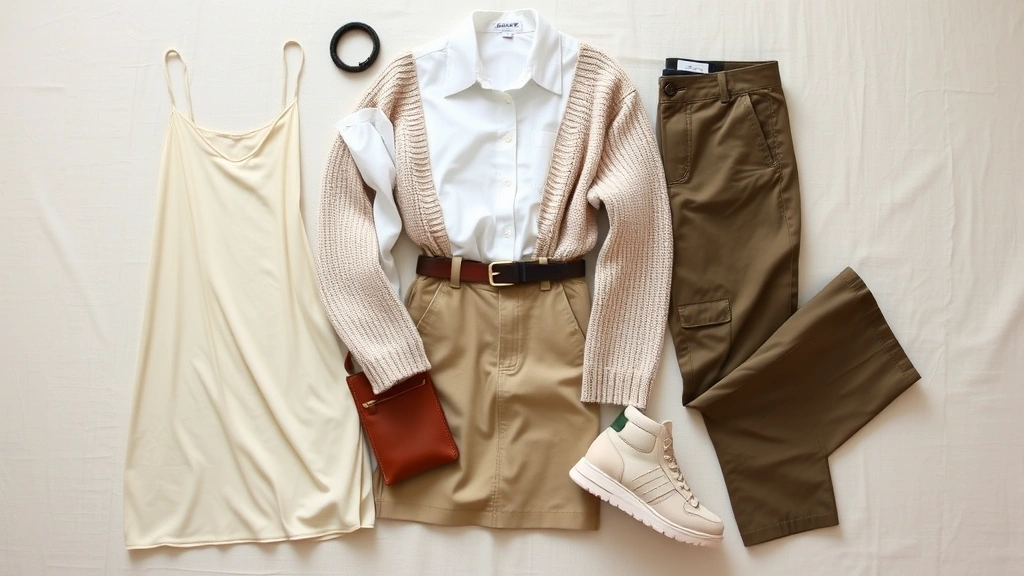
Essential Base Pieces: Begin with neutral foundational items: a well-fitted black slip dress, tailored white button-up shirt, minimalist black t-shirt, and cream sweater. These pieces form the backbone of versatile styling, pairing with everything from cargo pants to tailored trousers. Quality matters enormously here—invest in pieces constructed to last multiple seasons and countless outfit combinations.
Statement Silhouettes: Add oversized blazers in neutral tones—black, cream, or gray—that transform basic pieces into sophisticated outfits. Include cargo or utility pants in neutral shades, which provide textural interest while maintaining the minimalist color palette. A knee-length slip skirt expands styling possibilities, working with t-shirts for casual wear or tailored blouses for professional settings.
Layering Pieces: Incorporate pieces that facilitate the 90s layering aesthetic: sheer turtlenecks, fitted long-sleeve shirts, and lightweight cardigans. These pieces create visual complexity and seasonal flexibility without requiring excessive wardrobe expansion. They support the 90s principle of doing more with fewer pieces through strategic layering.
Minimal Accessories: Select accessories that enhance rather than dominate. A simple leather belt, minimal metal jewelry, and a structured handbag in neutral tones support the overall aesthetic. Footwear should be similarly understated—clean sneakers, simple flats, or minimal boots that complement rather than distract from outfit composition.
Fabric Selection: Prioritize natural fibers and quality construction—linen, cotton, wool, and silk. These materials age beautifully and support the 90s emphasis on lasting quality. Avoid trendy synthetic fabrics that feel cheap or date quickly. The investment in quality fabrics aligns with both 90s philosophy and contemporary sustainability values.
90s Fashion Icons and Their Modern Influence
Understanding contemporary 90s fashion requires acknowledging the decade’s most influential style figures and how their aesthetic choices continue shaping design and personal style.
Supermodels like Kate Moss, Carolyn Bessette-Kennedy, and Gwyneth Paltrow defined 90s minimalism through their personal style choices. Kate Moss’s effortless, understated approach—simple white t-shirts, fitted jeans, minimal accessories—became the template for accessible minimalism. Carolyn Bessette-Kennedy’s polished elegance, with her tailored silhouettes and neutral color palette, demonstrated how 90s minimalism could work in professional and formal contexts. These figures didn’t dictate trends so much as demonstrate that personal style could be powerful without relying on conspicuous consumption or trend-chasing.
Contemporary designers frequently reference these iconic figures, not to replicate their specific looks but to capture the philosophy underlying their style choices. The emphasis on quality, simplicity, and personal authenticity remains central to how modern designers approach their work.
Musicians and cultural figures also shaped 90s women’s fashion in ways that continue influencing contemporary style. The intersection of music and fashion—from Courtney Love’s deliberately anti-fashion aesthetic to Spice Girls’ playful maximalism—created space for diverse personal expressions within the decade’s broader minimalist movement. This plurality of acceptable aesthetics remains a powerful legacy, encouraging contemporary fashion consumers to develop individualized style rather than conforming to singular prescriptive trends.
The Future of 90s Fashion: Where the Revival Leads
As the 90s fashion revival continues gaining momentum, designers and industry observers contemplate where this movement leads and how it will evolve. Rather than viewing the revival as a temporary nostalgic cycle, many fashion professionals recognize it as a fundamental recalibration of design priorities and consumer values.
The integration of 90s principles into contemporary design suggests a lasting shift toward quality, sustainability, and individualism. Rather than eventually fading, these values will likely deepen, with designers increasingly committed to producing less but better, supporting diverse personal styles rather than dictating seasonal aesthetics, and building brands around lasting value rather than trend cycles.
Technology will likely reshape how 90s aesthetics evolve. Digital fashion, virtual wardrobes, and online styling tools might allow consumers to explore 90s-inspired outfits more extensively, reducing physical consumption while expanding creative expression. The 90s emphasis on personal style composition—mixing and matching to create individual looks—aligns perfectly with digital fashion tools that facilitate this kind of experimentation.
Emerging designers are increasingly incorporating 90s principles from the outset rather than reviving them as nostalgia. For these designers, 90s values represent foundational design philosophy rather than historical reference. This suggests the revival will deepen rather than fade, becoming increasingly integrated into contemporary fashion’s fundamental approach to design, production, and consumer engagement.
FAQ
What defines 90s women’s fashion exactly?
90s women’s fashion encompasses diverse aesthetics united by emphasis on minimalism, quality, and personal expression. Key characteristics include neutral color palettes, oversized silhouettes, slip dresses, cargo pants, utilitarian details, and rejection of 1980s excess. The decade celebrated individual style over trend conformity, supporting multiple simultaneous aesthetics from grunge to minimalist chic.
How can I wear 90s fashion without looking dated?
Incorporate 90s pieces through contemporary styling: pair oversized blazers with modern fitted bottoms, style slip dresses with current footwear and accessories, and focus on quality construction and intentional fit. Mix 90s silhouettes with contemporary pieces, use modern color combinations within neutral palettes, and prioritize pieces that feel timeless rather than specifically 90s-coded. The key is balanced proportion and evident styling intentionality.
Where can I find authentic 90s pieces?
Vintage and secondhand platforms—Depop, Vestiaire Collective, The RealReal, and local thrift stores—offer authentic 90s garments at accessible price points. Contemporary designers also create 90s-inspired pieces that provide quality alternatives to vintage shopping. Combining authentic vintage pieces with modern 90s-inspired designs creates versatile, sustainable wardrobes.
Is the 90s fashion revival sustainable?
Yes, the 90s revival aligns meaningfully with sustainability imperatives. The decade’s philosophy of investing in fewer, better pieces directly addresses fast-fashion consumption concerns. Vintage 90s pieces extend garment lifecycles, reducing production demands. Contemporary 90s-inspired collections emphasize quality and timelessness, supporting longer garment use. The revival represents practical sustainability strategy alongside aesthetic preference.
Can 90s fashion work for professional settings?
Absolutely. The 90s produced sophisticated professional aesthetics—tailored blazers, slip skirts, minimalist color palettes, and quality basics work excellently in professional contexts. Pair oversized blazers with tailored trousers, style slip dresses with structured outerwear and professional footwear, and maintain the decade’s emphasis on quality and intentional fit. 90s minimalism translates seamlessly to professional wardrobes.
How do I find my personal 90s style?
Explore how to find your personal style through the lens of 90s aesthetics. The decade celebrated diverse personal expressions, so rather than adopting a single 90s look, identify which elements resonate with your preferences—minimalist or more textured, oversized or fitted, neutral or with subtle color. Build from foundational pieces that feel authentically aligned with your values and lifestyle.