90’s Hip Hop Fashion Revival: Expert Insights
The 1990s witnessed an unprecedented cultural phenomenon where hip hop transcended music to become a dominant force in global fashion. What started in the streets of the Bronx evolved into a style movement that continues to captivate designers, influencers, and fashion enthusiasts worldwide. Today, 90’s hip hop fashion is experiencing a remarkable renaissance, with contemporary designers drawing inspiration from the era’s bold aesthetics, rebellious spirit, and unapologetic self-expression.
This revival isn’t merely nostalgia—it’s a testament to the timeless appeal of hip hop style. From oversized silhouettes to statement accessories, the elements that defined 1990s hip hop culture have seamlessly integrated into modern wardrobes, influencing everyone from high-fashion runways to street-style enthusiasts. Understanding this resurgence requires exploring the cultural context, key design elements, and the visionary artists who shaped this influential era.
Fashion historians and industry experts recognize that 90’s hip hop fashion represented more than clothing choices; it was a declaration of identity and cultural pride. The movement challenged conventional fashion norms and democratized style, proving that authenticity and creativity could triumph over traditional luxury markers. Today’s designers are rediscovering these lessons, creating collections that honor the past while pushing contemporary boundaries.
The Cultural Foundation of 90s Hip Hop Style
Understanding 90’s hip hop fashion requires appreciating the socioeconomic and cultural contexts from which it emerged. During the 1990s, hip hop artists used fashion as a tool for self-empowerment and cultural expression, particularly in communities where traditional pathways to success felt inaccessible. The style reflected authenticity, resilience, and creative ingenuity—values that resonated far beyond music venues and street corners.
The era coincided with significant shifts in American culture, including the rise of Black entrepreneurship, increased media representation, and the emergence of hip hop as a global phenomenon. Fashion became the visual language through which artists communicated their narratives, aspirations, and street credibility. This democratization of style challenged the gatekeeping mechanisms of traditional fashion institutions, suggesting that anybody with vision and confidence could become a style icon.
Artists like Tupac, Notorious B.I.G., and Wu-Tang Clan didn’t simply wear clothes—they curated visual identities that became instantly recognizable and widely emulated. Their fashion choices influenced millions of fans worldwide, creating a trickle-down effect that eventually reached mainstream fashion houses and luxury brands. This organic influence demonstrated fashion’s power as a cultural force capable of reshaping global aesthetics.
The connection between 90s fashion for men and hip hop culture cannot be overstated. Male artists established many of the era’s most iconic looks, from baggy jeans to oversized jerseys, creating a blueprint that influenced how an entire generation approached personal style. This male-centric aesthetic eventually intersected with women’s fashion, creating hybrid styles that incorporated hip hop elements into traditionally feminine silhouettes.
Key Design Elements That Define the Era
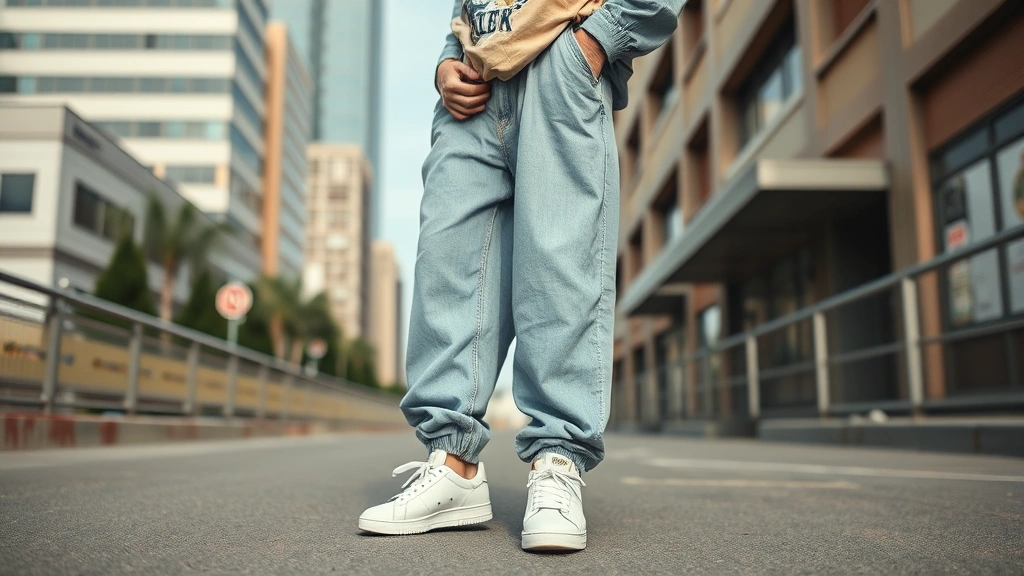
Oversized Silhouettes remain the most recognizable hallmark of 90’s hip hop fashion. Rather than conforming to the fitted aesthetic that dominated previous decades, hip hop artists embraced voluminous cuts in jeans, shirts, and jackets. This silhouette served multiple purposes: it provided comfort, allowed for layering, created visual impact, and symbolized a rejection of mainstream fashion conventions. Modern designers continue exploring oversized proportions, recognizing how this approach creates dynamic visual interest and accommodates diverse body types.
Baggy jeans, often worn several sizes larger than the wearer’s actual measurements, became iconic status symbols. Brands like FUBU, Ecko, and Rocawear built empires on this aesthetic, offering jeans that expressed individuality through customization and personal styling. The way artists cuffed, sagged, or styled their jeans communicated subtle messages about their crew affiliations and personal aesthetics, transforming basic denim into a complex language of self-expression.
Sports Jersey Culture fundamentally altered fashion’s relationship with athletic wear. Hip hop artists adopted NBA jerseys as high-fashion pieces, wearing them untucked, oversized, and often layered over long-sleeved shirts. This appropriation of sportswear as everyday fashion eventually influenced mainstream fashion, legitimizing athletic wear as acceptable street style. Today’s athleisure movement owes considerable debt to this 1990s innovation.
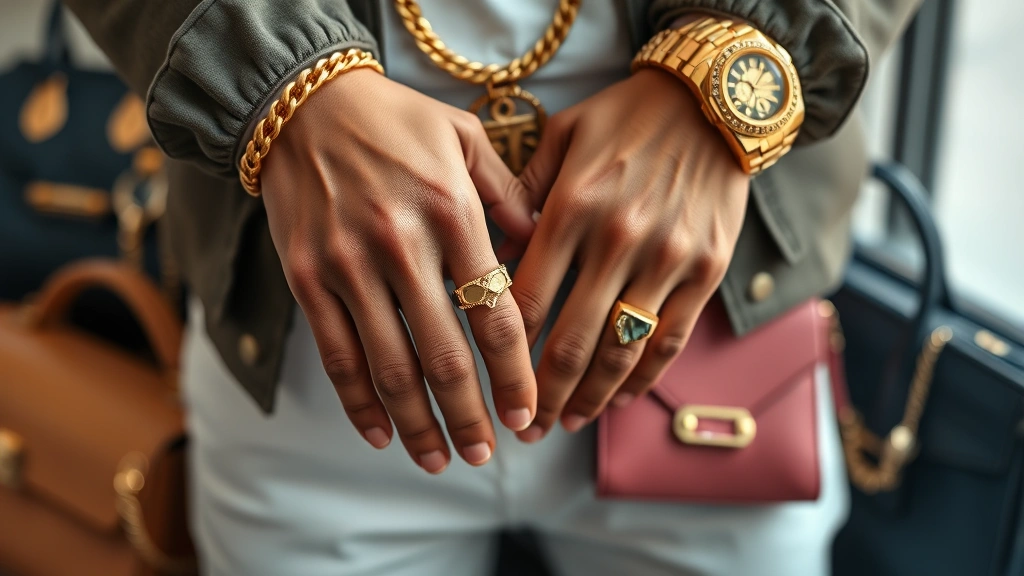
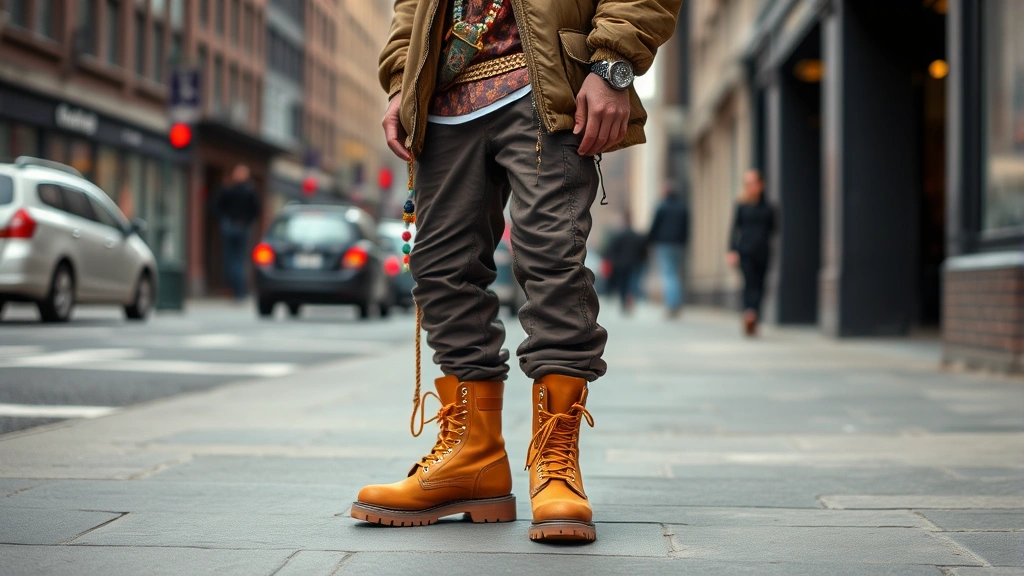
Statement Accessories played crucial roles in completing hip hop fashion looks. Thick gold chains, oversized rings, nameplate necklaces, and designer logos became symbols of success and self-assertion. Kangol hats, Timberland boots, and Clarks desert boots provided grounding elements to otherwise voluminous outfits. These accessories weren’t merely decorative; they communicated narratives about wealth, taste, and cultural belonging.
Color blocking and bold patterns characterized much of the era’s aesthetic. Bright primary colors, neon accents, and graphic prints created visually striking combinations that demanded attention. Rather than adhering to traditional color theory, hip hop fashion embraced maximalism, proving that unconventional combinations could create powerful visual statements. This approach challenged fashion’s established hierarchies and suggested that personal preference superseded professional design rules.
Understand more about fashion style movements and how they reshape cultural narratives through clothing choices and personal expression.
Iconic Brands and Their Impact
The 1990s witnessed the emergence of hip hop-inspired brands that fundamentally altered the fashion landscape. FUBU (For Us, By Us) revolutionized the industry by creating clothing specifically designed for and by Black entrepreneurs. Founder Daymond John’s vision demonstrated that hip hop artists and communities could build billion-dollar fashion enterprises, inspiring countless other brands to follow similar models.
Ecko Unltd. brought street art aesthetics into mainstream fashion, collaborating with renowned graffiti artists and creating collections that celebrated urban culture. The brand’s bold graphics and rebellious messaging resonated with youth audiences seeking fashion that reflected their identities and artistic sensibilities. Ecko proved that commercial success didn’t require compromising artistic integrity or cultural authenticity.
Rocawear, established by Jay-Z, demonstrated hip hop’s commercial potential while maintaining street credibility. The brand successfully navigated the delicate balance between luxury positioning and street authenticity, creating pieces that appealed to both fashion enthusiasts and hip hop devotees. This model influenced subsequent celebrity-founded fashion ventures and established hip hop artists as legitimate fashion entrepreneurs.
Traditional luxury brands initially dismissed hip hop fashion before recognizing its commercial potential and cultural significance. Vogue and other fashion publications eventually featured hip hop style, legitimizing the aesthetic within fashion’s institutional frameworks. This institutional acceptance represented a significant cultural shift, acknowledging hip hop’s influence on global fashion trends.
Premium athletic brands like Nike and Adidas cultivated relationships with hip hop artists, recognizing that endorsements and collaborations could drive massive consumer interest. These partnerships created iconic sneaker silhouettes that remain coveted today, including the Air Jordan line and Adidas Originals collaborations. The intersection of hip hop culture and sportswear created powerful brand narratives that transcended athletic functionality.
The Modern Revival and Contemporary Interpretations
The 2010s witnessed the beginning of 90’s hip hop fashion’s resurgence, with high-fashion designers increasingly referencing the era’s aesthetics. Luxury houses like Gucci, Versace, and Off-White incorporated oversized silhouettes, bold logos, and hip hop-inspired elements into their collections. This institutional acceptance signaled that 90’s hip hop fashion had transcended subcultural status to become recognized as a legitimate design influence.
Contemporary designers approach 90’s hip hop fashion with sophisticated understanding, deconstructing iconic pieces and reimagining them through modern lenses. Rather than simply reproducing vintage looks, they honor the era’s spirit while incorporating contemporary fabrications, sustainable practices, and innovative construction techniques. This respectful reinterpretation allows the aesthetic to remain relevant while acknowledging its historical significance.
Social media platforms have accelerated the 90’s hip hop fashion revival by enabling direct connections between contemporary audiences and the era’s visual archives. Instagram, TikTok, and Pinterest allow users to discover, share, and reinterpret vintage hip hop fashion, creating viral trends that influence mainstream retail. Young consumers who never experienced the 1990s can now access comprehensive visual documentation of the era, fostering genuine appreciation for its design innovations.
Streetwear brands like Supreme, Stüssy, and Carhartt WIP have synthesized 90’s hip hop aesthetics with contemporary street culture, creating hybrid styles that appeal to younger generations. These brands understand that oversized silhouettes, bold graphics, and cultural authenticity remain powerful design tools. Their success demonstrates that 90’s hip hop fashion principles remain relevant and commercially viable.
Explore how to find your personal style by drawing inspiration from influential movements like 90’s hip hop fashion and adapting them to your contemporary aesthetic.
Styling Tips for Today’s Hip Hop Aesthetic
Incorporating 90’s hip hop fashion into modern wardrobes requires intentional curation and understanding of the aesthetic’s core principles. Begin by investing in quality oversized basics: well-constructed jeans in relaxed or baggy fits, oversized button-ups, and roomy sweaters. These foundational pieces provide flexibility for experimentation and layering.
Statement accessories remain crucial for completing hip hop-inspired looks. Consider chunky gold chains, oversized rings, or designer crossbody bags that communicate luxury and confidence. Footwear should reflect the era’s preferences: classic sneakers (particularly Air Jordans or vintage Nikes), Timberland boots, or Clarks desert boots all work beautifully. Quality footwear anchors outfits and demonstrates attention to detail.
Color coordination in 90’s hip hop fashion embraced boldness and individuality. Experiment with unexpected color combinations: bright primary colors paired with neutrals, neon accents against muted backgrounds, or monochromatic looks featuring various shades and textures. Don’t shy away from graphic prints, bold patterns, or statement pieces that demand attention.
Layering represents another essential technique in hip hop styling. Combine oversized jackets with fitted long-sleeves, wear tanks over long-sleeved shirts, or pair baggy jeans with structured blazers. These layering strategies create visual depth and allow for seasonal adaptability. The key involves balancing proportions: if your top is oversized, consider more fitted bottoms, or vice versa.
Authentication and brand consciousness characterized 90’s hip hop fashion culture, and this principle remains relevant today. Invest in pieces from respected brands, prioritize quality construction, and seek out vintage pieces from the era’s iconic labels. This approach honors the aesthetic’s heritage while supporting sustainable fashion practices through secondhand shopping.
Celebrity Influence and Street Style Evolution
Contemporary celebrities have embraced 90’s hip hop fashion with remarkable enthusiasm, demonstrating the aesthetic’s enduring appeal. Musicians, athletes, and actors strategically incorporate oversized silhouettes, statement accessories, and hip hop-inspired elements into their personal styles. This high-profile adoption introduces the aesthetic to mainstream audiences and legitimizes its relevance for younger generations.
Fashion influencers have emerged as powerful arbiters of 90’s hip hop style interpretation. Through Instagram posts, TikTok videos, and YouTube content, these creators demonstrate how to authentically incorporate the aesthetic into contemporary wardrobes. Their work makes 90’s hip hop fashion accessible and relatable, showing real people styling pieces in practical, everyday contexts.
Street style photography continues documenting how global audiences interpret 90’s hip hop fashion. Fashion publications and street style bloggers capture creative reinterpretations from fashion weeks, music festivals, and urban centers worldwide. These visual records demonstrate the aesthetic’s global reach and its capacity to inspire diverse creative expressions across different cultures and communities.
The relationship between hip hop music and fashion remains symbiotic. Contemporary artists maintain the era’s tradition of using fashion as cultural expression, though their approaches often reflect modern sensibilities and technological innovation. Music videos continue functioning as powerful fashion showcases, introducing new audiences to hip hop-inspired aesthetics while demonstrating how the style evolves.
Learn more about the complete fashion history timeline to understand how 90’s hip hop fashion fits within broader fashion evolution and cultural movements.
Sustainability and Ethical Considerations
The 90’s hip hop fashion revival presents opportunities for addressing sustainability within fashion industry practices. Vintage shopping and thrifting, practices increasingly popular among younger consumers, allow people to embrace the aesthetic while extending garment lifecycles and reducing fashion’s environmental impact. This approach aligns with hip hop culture’s historical emphasis on resourcefulness and creative reuse.
Contemporary brands interpreting 90’s hip hop fashion have responsibility to implement ethical production practices and sustainable materials. By demonstrating that oversized silhouettes and bold designs don’t require exploitative labor or environmentally damaging processes, these brands can honor the aesthetic’s authentic roots while advancing industry standards.
The original 90’s hip hop fashion movement emerged from communities prioritizing cultural expression over consumption. Modern interpretations should honor this principle by emphasizing personal style and creative authenticity over mindless trend-following or excessive consumption. This approach maintains the aesthetic’s rebellious spirit while promoting more conscious fashion practices.
Collaborations between hip hop culture and sustainable fashion brands demonstrate growing recognition that environmental responsibility and cultural authenticity aren’t mutually exclusive. These partnerships create products honoring the era’s aesthetic while implementing practices that benefit workers, communities, and the environment.
Check out Style.com for contemporary coverage of how designers continue interpreting 90’s hip hop fashion through sustainable and innovative approaches.
FAQ
What are the most essential pieces for a 90’s hip hop fashion aesthetic?
Essential pieces include oversized jeans or baggy pants, roomy button-up shirts, oversized jackets, classic sneakers (particularly Air Jordans), and statement accessories like chains or bold rings. Quality basics in neutral colors provide foundation for building authentic hip hop-inspired looks.
How can I incorporate 90’s hip hop fashion without looking like a costume?
Focus on understanding the aesthetic’s core principles rather than recreating specific outfits. Invest in quality pieces, mix vintage items with contemporary clothing, and prioritize personal authenticity. The key involves expressing your individual style through hip hop-inspired elements rather than copying archived looks.
Are luxury brands doing 90’s hip hop fashion justice?
High-fashion interpretations vary in quality and cultural sensitivity. The best collaborations honor the aesthetic’s authentic roots while implementing sophisticated design techniques. Look for brands demonstrating genuine respect for hip hop culture rather than superficial aesthetic appropriation.
Where can I find authentic vintage 90’s hip hop fashion pieces?
Thrift stores, vintage boutiques, online platforms like Depop and Vestiaire Collective, and specialized vintage dealers offer authentic pieces. Research brand heritage and construction quality to ensure authenticity. Vintage shopping supports sustainability while providing genuine historical pieces.
How has 90’s hip hop fashion influenced contemporary streetwear?
Oversized silhouettes, bold graphics, and cultural authenticity—core elements of 90’s hip hop fashion—remain fundamental to contemporary streetwear. Modern brands build upon these principles, proving the aesthetic’s enduring relevance and commercial viability across generations.
Can women authentically wear 90’s hip hop fashion?
Absolutely. While the era featured prominent male artists, women artists and enthusiasts developed equally powerful interpretations. Modern women embrace oversized silhouettes, statement accessories, and bold styling approaches, creating authentic expressions of the aesthetic.
What’s the relationship between 90’s hip hop fashion and 80s fashion for men?
90’s hip hop fashion built upon 80s aesthetic foundations, incorporating elements like bold colors, graphic designs, and athletic wear. However, 90’s hip hop introduced distinctive oversized silhouettes and cultural contexts that differentiated it from 80s style, creating a unique aesthetic that remains influential today.
Is 90’s hip hop fashion still relevant or just nostalgia?
The aesthetic remains genuinely relevant because its core principles—authenticity, creative expression, and cultural pride—transcend temporal trends. Contemporary interpretations demonstrate that oversized silhouettes, bold accessories, and confident styling approach address timeless design principles rather than fleeting fads.
Return to Style Loom Daily Blog for more fashion insights and trend analysis exploring how historical movements continue influencing contemporary style.
The 90’s hip hop fashion revival represents far more than nostalgic trend-cycling; it reflects genuine recognition of the era’s design innovations and cultural significance. By understanding the movement’s historical context, key design elements, and contemporary interpretations, fashion enthusiasts can authentically incorporate this aesthetic into modern wardrobes while honoring its roots. Whether through vintage shopping, contemporary brand collaborations, or personal styling experimentation, 90’s hip hop fashion offers endless possibilities for creative expression and cultural connection.