90’s Fashion for Men: Expert Styling Tips
The 1990s remain one of the most influential decades in men’s fashion history, a period when style became increasingly experimental and individualistic. From grunge aesthetics to hip-hop inspired streetwear, the 90s offered a diverse palette of fashion choices that continue to dominate contemporary wardrobes today. Whether you’re drawn to the rebellious edge of flannel shirts or the sleek minimalism of oversized silhouettes, understanding how to authentically incorporate 90’s fashion into your modern style is essential for any fashion-forward man.
What made 90’s fashion for men so distinctive was its rejection of the polished, corporate aesthetic that defined the 1980s. Instead, men embraced authenticity, comfort, and cultural expression through clothing. The decade saw the rise of multiple subcultures—each with its own sartorial language—that coexisted and influenced mainstream fashion simultaneously. Today, nostalgia-driven trends have brought 90’s silhouettes and styling approaches back into focus, making it the perfect time to explore how to wear these iconic pieces with contemporary flair.
This comprehensive guide will walk you through the essential elements of 90’s fashion for men, providing expert styling tips to help you navigate this iconic era’s aesthetic while maintaining modern relevance. Whether you’re building your first 90’s-inspired outfit or refining an existing collection, these insights will help you master this timeless style movement.
The Core Aesthetic of 90’s Fashion
Understanding the fundamental philosophy behind 90’s fashion for men requires examining the cultural context of the decade. The 90s represented a shift away from the excess and materialism of the 1980s toward a more authentic, anti-establishment approach to personal style. This wasn’t merely about clothing—it was a cultural statement that reflected broader social attitudes about individuality, authenticity, and self-expression.
The core aesthetic of 90’s fashion embraced several key principles: comfort over formality, authenticity over aspiration, and individual expression over trend-following. Men began prioritizing how clothes felt as much as how they looked, leading to the widespread adoption of relaxed fits, natural fabrics, and utilitarian designs. This democratic approach to fashion meant that thrifted pieces held equal value to designer items, fundamentally changing how men thought about clothing investment.
The influence of various subcultures—including 90s fashion movements from music to skateboarding—created a rich tapestry of style options. Unlike previous decades where a single dominant aesthetic ruled, the 90s allowed multiple fashion narratives to flourish simultaneously, each with devoted followers and distinct visual languages.
Grunge Style: The Ultimate 90’s Blueprint
Grunge remains the most iconic and recognizable 90’s fashion aesthetic for men. Emerging from the Seattle music scene and popularized by bands like Nirvana and Pearl Jam, grunge style represented a deliberate rejection of polished appearance in favor of a deliberately disheveled, anti-fashion look. Paradoxically, this anti-fashion movement became one of the most influential style trends in modern history.
The grunge uniform consists of several non-negotiable elements: oversized flannel shirts worn unbuttoned over band t-shirts, distressed denim jeans, and heavy boots. The beauty of grunge lies in its apparent effortlessness—the styling looks thrown together, yet requires careful curation to achieve authenticity. When assembling a grunge outfit, focus on proportions and texture rather than matching or coordination.
Flannel shirts deserve special attention as the cornerstone of grunge style. Look for authentic vintage pieces featuring muted color combinations like burgundy with black, forest green with cream, or navy with tan. The key is choosing shirts with substantial weight and natural fabric drape. Wear them oversized and unbuttoned, layering them over simple graphic tees or long-sleeve thermal shirts for added dimension and warmth.
Distressed denim represents another grunge essential, though modern interpretations should balance authenticity with wearability. Rather than purchasing heavily pre-distressed jeans that appear costume-like, opt for vintage pieces showing natural wear, or select contemporary interpretations that feature strategic ripping in flattering locations. The goal is suggesting wear and tear rather than theatrical destruction.
Understanding fashion history timeline helps contextualize how grunge emerged as a reaction to previous decades. The contrast between 80s excess and 90s minimalism created the perfect cultural moment for this aesthetic to explode into mainstream consciousness.
Oversized Silhouettes and Fit
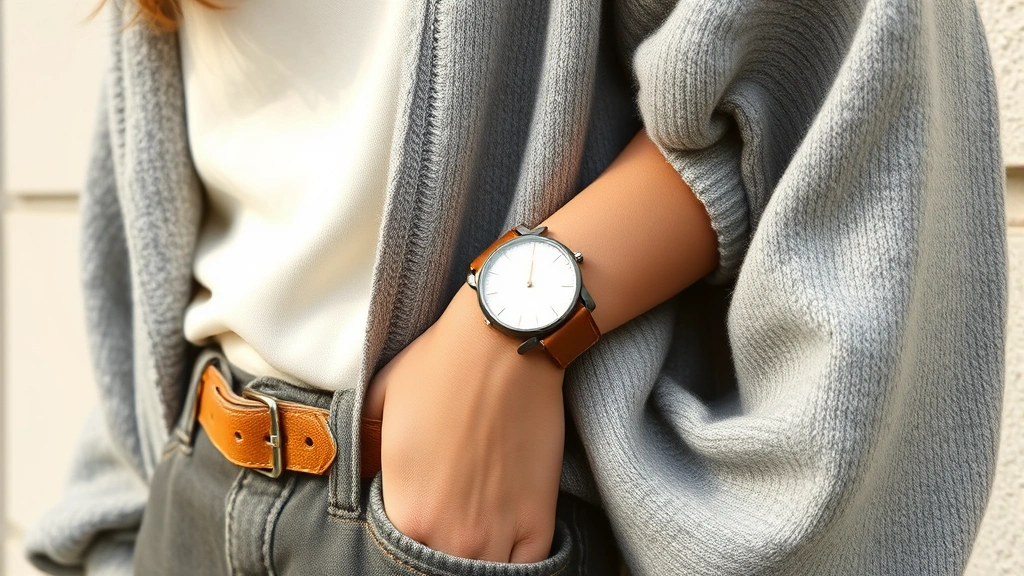
Perhaps the most defining characteristic of 90’s fashion for men is the embrace of oversized silhouettes. This represented a dramatic departure from the fitted, body-conscious styles of the 1980s. Oversized pieces communicated casualness, comfort, and a disinterest in conventional attractiveness standards—qualities that appealed to men rejecting traditional masculine presentation.
The key to wearing oversized clothing successfully lies in understanding proportion and balance. An oversized shirt should drape from your shoulders without completely swallowing your frame, typically sitting 2-3 inches past your hip. Pair oversized tops with more fitted bottoms to create visual balance—this prevents outfits from appearing shapeless or costume-like. Conversely, oversized pants work best when paired with more fitted or cropped tops.
Length matters significantly in 90’s styling. Pants should hit at your ankle bone or slightly longer, sometimes breaking slightly on your shoe. Shirts can extend past your natural waistline, particularly if you’re wearing them untucked. Sleeve length should reach your wrist bone, and oversized sleeves often feature rolled or cuffed details that became iconic to 90’s aesthetics.
Contemporary 90’s fashion for men often incorporates oversized pieces more subtly than authentic vintage styles. Modern interpretations might feature oversized shirts paired with tapered trousers, or relaxed-fit jeans paired with more structured jackets. This balanced approach maintains the spirit of 90’s fashion while creating silhouettes that feel current and intentional rather than purely nostalgic.
Essential 90’s Pieces Every Man Needs
Building an authentic 90’s wardrobe requires investing in specific foundational pieces that work across multiple outfit combinations. These items should serve as anchors around which you build more complete looks, allowing versatility while maintaining cohesive aesthetic direction.
- Flannel Shirts: Invest in at least 3-4 quality flannel pieces in varying color combinations. Seek vintage pieces from brands like Pendleton, or modern reproductions that capture authentic weight and construction.
- Plain T-Shirts: Simple white, black, gray, and cream basic tees serve as essential layering pieces. Look for slightly oversized cuts with a bit of length.
- Band Tees: Vintage or vintage-inspired graphic tees featuring music, skateboarding, or cultural references add authenticity and personality to outfits.
- Denim: Quality denim in various washes—including dark indigo, medium blue, and acid-washed options—provides versatile bottoms for multiple outfit combinations.
- Cardigans and Sweaters: Chunky knit cardigans, oversized sweaters, and cable-knit pieces add texture and warmth while maintaining 90’s aesthetic integrity.
- Jackets: Denim jackets, oversized blazers, and utilitarian jackets serve as layering pieces that elevate casual outfits.
- Thermal Shirts: Long-sleeve thermal or waffle-knit shirts in neutral colors work beautifully layered under oversized pieces.
When sourcing these pieces, consider exploring both vintage retailers and contemporary brands reissuing 90’s-inspired designs. Vintage shopping offers authenticity and unique finds, while modern reproductions provide consistency, sizing reliability, and durability.
Streetwear and Hip-Hop Influence
While grunge dominated alternative culture, hip-hop and streetwear represented the other major fashion force of the 90s. This aesthetic emphasized bold colors, oversized silhouettes, athletic wear, and luxury brand visibility in ways that contrasted sharply with grunge’s anti-materialist stance. Yet both movements shared a commitment to comfort and individual expression.
90’s hip-hop fashion incorporated elements like oversized sports jerseys, baggy jeans, Timberland boots, and chains—pieces that communicated confidence and cultural affiliation. Brands like Tommy Hilfiger, FUBU, and Nautica became status symbols, while vintage athletic wear gained new cultural significance. The aesthetic celebrated color, pattern, and visible branding in ways grunge explicitly rejected.
Modern men can incorporate hip-hop influenced 90’s fashion by blending oversized jerseys with tailored trousers, pairing vintage athletic wear with contemporary pieces, or selecting bold colored pieces that feel intentional rather than costume-like. The key is understanding that 90’s hip-hop fashion celebrated joy, confidence, and cultural pride—qualities that should inform contemporary interpretations.
Exploring fashion style guidance helps men understand how to authentically incorporate diverse 90’s influences into cohesive personal aesthetics. The decade’s beauty lay in its pluralism—multiple valid style approaches coexisted, allowing men to select elements that genuinely resonated with their personalities.
Color Palettes and Patterns
The color palette of 90’s fashion for men reflects the decade’s utilitarian, earthy aesthetic sensibility. Unlike the neon brights and pastels of the 1980s, the 90s favored muted, natural tones that felt less ostentatious and more authentically connected to nature and minimalism.
Essential 90’s color palette elements include:
- Neutrals: Black, white, gray, cream, tan, and olive serve as foundational colors that appear across virtually all 90’s aesthetics.
- Earth Tones: Rust, terracotta, muddy brown, forest green, and burgundy create warm, grounded color combinations.
- Denim Blue: Various denim washes—from light indigo to deep navy—appear prominently across the decade.
- Muted Jewel Tones: Deep navy, forest green, and burgundy add subtle richness without appearing loud or ostentatious.
- Acid Washes: While associated with the 80s, acid-washed and stone-washed denim experienced a resurgence in 90’s fashion.
Pattern-wise, the 90s embraced plaid, gingham, and houndstooth checks prominently, particularly in flannel shirts. Subtle striping, texture variations, and graphic prints from band tees add visual interest without overwhelming outfits. The approach to pattern emphasizes subtlety and authenticity—patterns should feel discovered rather than deliberately coordinated.
Footwear That Defines the Era
Shoes represent critical components of any 90’s fashion for men outfit, with specific silhouettes becoming iconic to the era. Footwear choices often signal allegiance to particular subcultural movements, making shoe selection particularly meaningful.
Combat Boots and Work Boots: Dr. Martens, Timberlands, and similar heavy-duty boots became synonymous with 90’s fashion, particularly within grunge and skateboarding communities. These substantial shoes provided utilitarian functionality while making bold style statements. Modern interpretations maintain these silhouettes’ essential character while incorporating contemporary construction improvements.
Canvas Sneakers: Vans, Converse, and similar canvas sneakers remained staples throughout the decade. Their simplicity and versatility made them perfect for pairing with oversized pieces. Look for classic silhouettes in neutral colors rather than heavily branded or heavily patterned contemporary versions.
Athletic Shoes: Vintage Nike, Adidas, and Reebok styles—particularly basketball and running shoes from the 80s and early 90s—gained renewed appreciation. These pieces bridge sports heritage and street culture authentically.
Loafers and Slip-Ons: While less immediately associated with 90’s fashion, understated loafers and slip-ons appeared within minimalist and indie fashion circles, offering dressier alternatives for elevated casual occasions.
When selecting footwear, prioritize substantial construction and authentic silhouettes over trendy contemporary interpretations. The best 90’s shoes appear timeless and utilitarian rather than nostalgic or costume-like.

Accessories and Details
Accessories in 90’s fashion for men serve as important finishing details that complete outfits while maintaining the era’s overall aesthetic sensibility. Rather than showy or decorative, 90’s accessories emphasize function and understated presence.
Hats: Beanies, baseball caps, and knit hats appeared frequently, serving both functional and style purposes. Look for simple, unadorned options in neutral colors. Vintage sports caps and dad hats gained particular popularity as the decade progressed.
Bags: Utilitarian backpacks, canvas messenger bags, and vintage leather pieces worked well with 90’s aesthetics. Avoid heavily branded contemporary backpacks in favor of functional, understated designs that emphasize practicality.
Chains and Jewelry: While grunge typically avoided visible jewelry, hip-hop influenced aesthetics embraced chains, rings, and watches. Keep contemporary interpretations subtle and authentic—oversized chains should feel intentional rather than costume-like.
Belts: Canvas, leather, and studded belts in neutral colors serve practical purposes while adding subtle detail. Avoid overly decorative options in favor of functional pieces with authentic construction.
Watches: Simple, functional watches—particularly vintage sports watches or minimalist designs—complement 90’s aesthetics perfectly. Avoid oversized contemporary chronographs in favor of understated, practical timepieces.
Building Your Modern 90’s Wardrobe
Developing an authentic 90’s fashion for men wardrobe requires strategic planning and thoughtful piece selection. Rather than attempting to recreate the entire decade’s aesthetic, modern men should identify specific elements that resonate with their personalities and lifestyle needs, then build intentionally around those foundations.
Start with Neutrals: Begin by investing in quality basic pieces in neutral colors—black, white, gray, cream, and navy. These foundational pieces provide versatile anchors that work across multiple outfit combinations. Look for slightly oversized cuts that feel comfortable and intentional rather than sloppy.
Add Texture and Pattern: Once neutrals are established, introduce texture through flannel shirts, cable-knit sweaters, and denim in various washes. These pieces add visual interest while maintaining cohesive aesthetic direction. Select patterns that feel authentic—vintage band tees, authentic plaid, and simple graphics rather than overtly trendy prints.
Layer Intentionally: 90’s fashion excels through thoughtful layering. Practice combining oversized shirts with fitted tees, or pairing jackets with sweaters. Each layer should serve visual or functional purposes, creating outfits that feel intentional rather than random.
Invest in Quality Basics: While 90’s fashion celebrates thrifted pieces, investing in quality basics ensures longevity and reliability. Seek out well-constructed basics from contemporary brands reissuing 90’s designs, or source authentic vintage pieces from reputable retailers.
Develop Your Subcultural Aesthetic: Rather than attempting to embody all 90’s fashion simultaneously, identify which movements resonate most—grunge, hip-hop, skateboarding, indie, or minimalism—then develop expertise within that specific aesthetic. This creates more authentic, personally meaningful style that feels natural rather than costume-like.
Understanding how to find your personal style helps ensure your 90’s fashion choices feel authentic rather than performative. The most successful contemporary 90’s interpretations blend nostalgic elements with modern sensibilities, creating outfits that honor the era while feeling current.
Reference StyleLoom Daily Blog for ongoing style guidance and trend insights. Exploring related content like 80s fashion dresses helps contextualize how fashion evolved across decades, providing perspective on what makes 90’s aesthetics distinctive.
FAQ
What are the most essential 90’s fashion pieces for men?
The foundational pieces include flannel shirts, oversized t-shirts, distressed denim, combat boots, and simple sweaters. These items work across multiple outfit combinations and subcultural aesthetics, making them excellent starting points for building 90’s-inspired wardrobes.
How can I wear 90’s fashion without looking like a costume?
Focus on quality, authenticity, and intentional proportioning. Choose pieces that feel genuinely comfortable and personally meaningful rather than selecting items purely for nostalgic value. Blend 90’s elements with contemporary pieces, and ensure each garment serves clear visual or functional purposes within outfits.
Where should I source authentic 90’s pieces?
Vintage retailers, thrift stores, and online platforms specializing in vintage fashion offer authentic 90’s pieces. Contemporary brands reissuing 90’s-inspired designs provide consistency and reliability. Combine both approaches—mixing authentic vintage pieces with modern reproductions creates interesting, dynamic wardrobes.
Can I mix grunge and hip-hop 90’s aesthetics?
Absolutely. Contemporary 90’s fashion often blends elements from different subcultural movements, creating hybrid aesthetics that feel modern and personally meaningful. The key is maintaining intentionality—ensure mixed elements work together cohesively rather than appearing random or confused.
What colors work best for modern 90’s fashion?
Neutral earth tones—including black, white, gray, cream, rust, and forest green—provide versatile foundations. Muted jewel tones like navy and burgundy add subtle richness. Avoid bright neons or pastels unless specifically drawing from hip-hop influenced aesthetics, where bold colors held cultural significance.
How should oversized pieces fit on my body?
Oversized pieces should drape comfortably from your shoulders without completely swallowing your frame. Aim for 2-3 inches of extra fabric past your natural waistline. Balance oversized tops with more fitted bottoms, or pair oversized pants with fitted or cropped tops to create flattering proportions.
Are there professional settings where 90’s fashion works?
Yes, creative industries often embrace 90’s aesthetics. Business casual environments might accommodate oversized blazers, neutral sweaters, and tailored denim. The key is selecting higher-quality pieces and ensuring outfits maintain intentional, polished appearances rather than deliberately disheveled grunge aesthetics.
What’s the difference between authentic 90’s fashion and trendy nostalgia?
Authentic 90’s fashion emphasizes comfort, individuality, and cultural significance, selecting pieces that genuinely resonate with your style personality. Trendy nostalgia approaches fashion as costume, selecting pieces purely for their historical associations. The best contemporary 90’s fashion blends nostalgic elements with modern sensibilities, creating personally meaningful style.