Revive 90s Men’s Fashion? Expert Insights on Bringing Back an Iconic Era
The 1990s remain one of the most influential decades in fashion history, and men’s fashion from this era continues to captivate contemporary style enthusiasts. From oversized silhouettes to minimalist aesthetics, the 90s offered a diverse range of styles that have never truly disappeared from the cultural consciousness. Today, fashion designers and style experts are increasingly drawing inspiration from this nostalgic period, creating a compelling argument for why 90s men’s fashion deserves a modern revival.
What makes 90s fashion so enduringly relevant? The answer lies in its rebellion against excess, its celebration of individuality, and its democratic approach to style. Whether you’re interested in grunge aesthetics, hip-hop influenced streetwear, or clean minimalism, the 90s offered something for everyone. This comprehensive guide explores expert insights on reviving 90s men’s fashion and understanding how these timeless trends can be authentically integrated into today’s wardrobes.
Understanding the context of 90s fashion requires looking back at the complete fashion history timeline that shaped men’s style evolution. The 90s represented a pivotal moment when fashion began questioning the ostentatious excess of the 1980s, paving the way for more authentic self-expression through clothing.
Iconic 90s Silhouettes and Cuts
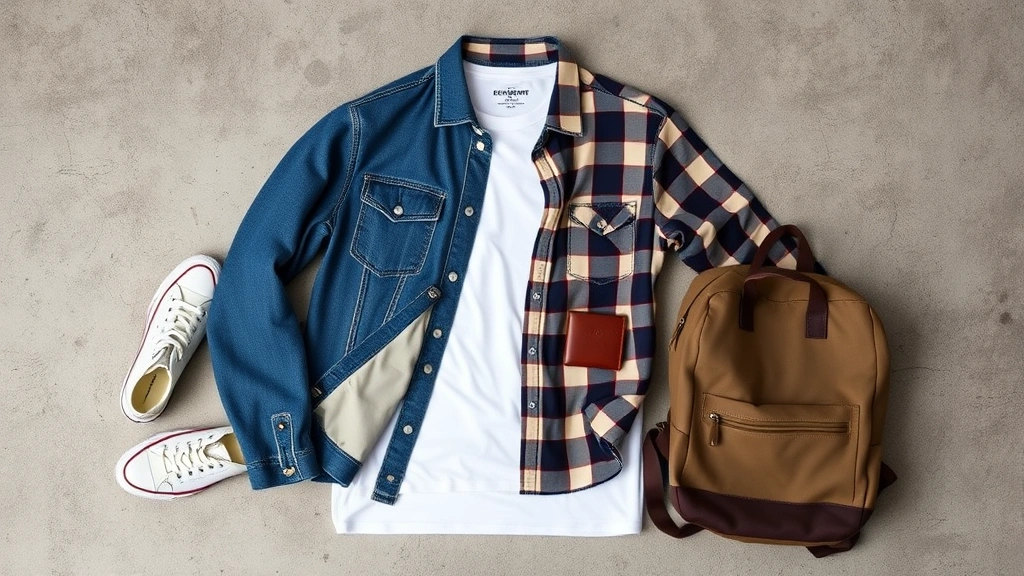
The silhouette of 90s men’s fashion represented a dramatic departure from previous decades. Oversized blazers, baggy jeans, and loose-fitting shirts became the uniform of a generation rejecting the tight, structured clothing of the 80s. These proportions weren’t simply about comfort; they represented a philosophical shift in how men wanted to present themselves through fashion.
One of the most recognizable silhouettes was the oversized suit jacket, often paired with equally oversized trousers. This look appeared everywhere, from music videos to high fashion runways. Fashion experts note that this proportion-breaking approach actually requires more styling skill than it initially appears, as the key lies in balancing volume and creating visual interest through layering and accessorizing.
The carpenter pants trend emerged as another defining silhouette, featuring multiple pockets, heavy-duty fabric, and a utilitarian aesthetic. These weren’t just workwear; they became a symbol of authenticity and practicality that resonated with young men across socioeconomic backgrounds. The beauty of carpenter pants lies in their versatility—they work equally well with oversized band t-shirts or crisp button-downs.
Slim-fit jeans, though often associated with the 2000s, actually gained traction in the late 90s among fashion-forward individuals. This created an interesting duality in 90s men’s fashion, where both baggy and fitted silhouettes coexisted, depending on subculture and personal preference. Understanding this nuance is crucial when finding your personal style and incorporating 90s elements authentically.
The Grunge and Minimalism Movement
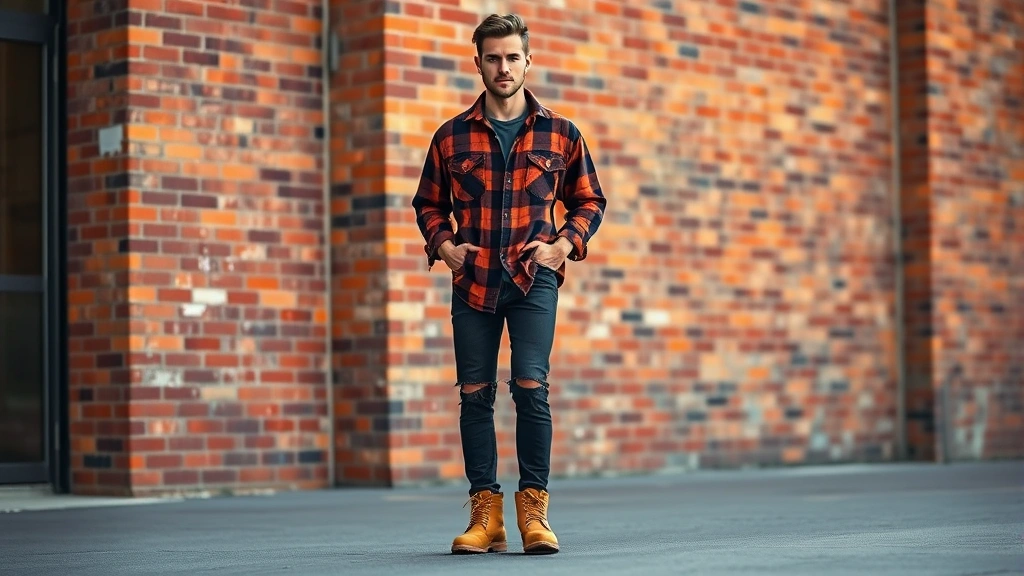
Grunge fashion emerged from Seattle’s music scene and fundamentally altered men’s fashion philosophy. Characterized by flannel shirts, ripped jeans, and combat boots, grunge rejected conspicuous consumption and instead celebrated worn, lived-in aesthetics. The movement wasn’t about looking poor; it was about deliberately choosing authenticity over polish.
Flannel shirts became the unofficial uniform of grunge, worn oversized and often tied around the waist or layered over band t-shirts. The beauty of flannel lies in its inherent versatility—it works across seasons and can be styled in countless ways. Contemporary menswear designers continue to reinterpret flannel, proving its timeless appeal. According to Vogue, grunge elements regularly resurface on high fashion runways, indicating enduring cultural relevance.
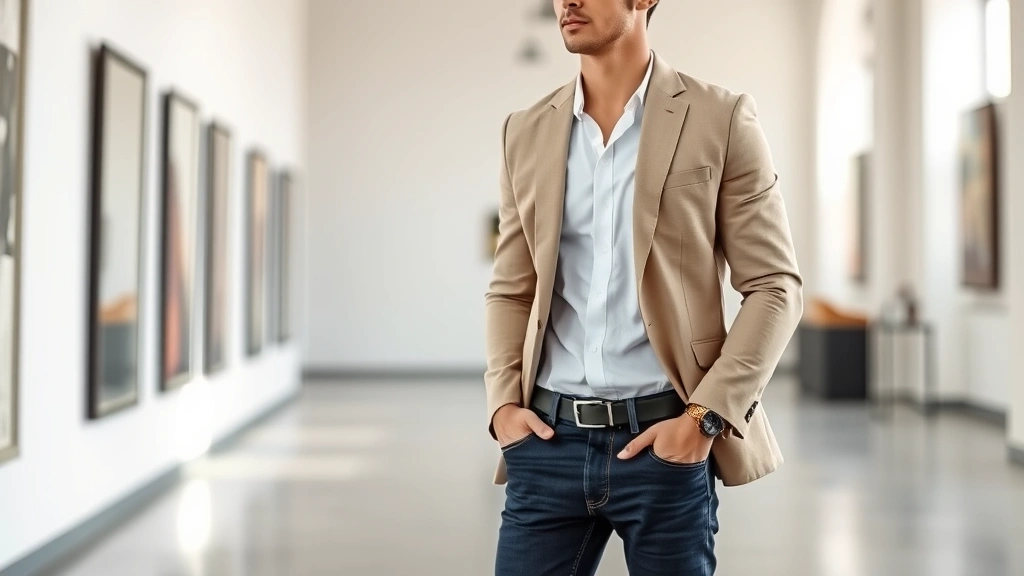
Simultaneously, minimalism offered a contrasting but equally influential aesthetic during the 90s. Designers like Calvin Klein and Jil Sander championed clean lines, neutral color palettes, and essential basics. This minimalist approach emphasized quality over quantity and encouraged men to build wardrobes around timeless pieces rather than trend-chasing.
The tension between grunge’s deliberate dishevelment and minimalism’s refined simplicity created a fascinating dynamic in 90s men’s fashion. Both movements rejected the aggressive consumption of the 80s, but they expressed this rebellion differently. Understanding both perspectives helps contemporary men appreciate the breadth of 90s style possibilities and choose approaches that align with their values and aesthetic preferences.
Fashion scholars often reference fashion institutes that have documented how 90s movements influenced contemporary design education, with many design schools now teaching 90s aesthetics as foundational case studies in fashion history and consumer psychology.
Hip-Hop Streetwear Influence
While grunge dominated alternative culture, hip-hop was simultaneously revolutionizing men’s fashion through an entirely different lens. Oversized athletic wear, baggy jeans, and branded sportswear became symbols of cultural identity and aspirational wealth. Brands like Tommy Hilfiger, FUBU, and Timberland became status symbols, with specific styling codes communicating cultural belonging.
The hip-hop influence on 90s men’s fashion extended far beyond clothing items to encompass an entire attitude toward self-presentation. Gold chains, oversized logos, and carefully coordinated color schemes reflected a celebration of success and visibility that contrasted sharply with grunge’s anti-establishment ethos. Yet both movements, despite their apparent opposites, shared a commitment to authentic self-expression.
Baggy jeans became the defining silhouette of hip-hop fashion, often worn with oversized jerseys and pristine sneakers. The specific way jeans were worn—sitting low on the hips with visible boxer shorts—became a recognizable code. This styling approach represented a deliberate reclamation of comfort and functionality, rejecting the constrictive nature of traditional fashion expectations.
Timberland boots emerged as perhaps the most iconic footwear of the era, worn by both grunge adherents and hip-hop enthusiasts. This crossover appeal demonstrates how certain pieces transcend subcultures when they possess genuine utility combined with strong aesthetic presence. The fact that Timberlands remain popular today underscores their fundamental design strength.
Contemporary streetwear designers frequently reference hip-hop’s 90s aesthetic, with brands like Supreme and countless others building their identities around 90s hip-hop visual language. This commercial success indicates that the movement’s influence extends well beyond nostalgia into genuine ongoing relevance.
Color Palettes and Textures That Defined the Era
The color palette of 90s men’s fashion reflected the decade’s mood—generally muted and earthy, with occasional pops of brightness depending on subculture. Neutral tones dominated: blacks, grays, browns, and muted greens formed the foundation of most 90s wardrobes. These colors conveyed authenticity and avoided the neon brightness of the 80s.
Texture became increasingly important in 90s fashion, compensating for the limited color range. Corduroy, denim, flannel, and leather each brought different tactile qualities to the overall aesthetic. Mixing textures became a sophisticated styling technique, with experts recommending combinations like suede jackets over wool sweaters or corduroy pants with linen shirts.
Plaid and checked patterns appeared frequently, particularly through flannel shirts and overshirts. These patterns offered visual interest while maintaining the overall understated aesthetic. Stripes also appeared regularly, usually in muted color combinations that complemented rather than dominated the outfit.
For those exploring 90s fashion trends in detail, understanding the interplay between color and texture proves essential. The sophistication of 90s style often lay in subtle combinations rather than bold statements, making it an excellent framework for developing personal style that feels both contemporary and timeless.
Denim deserves special mention as perhaps the most important textile of the era. Jeans appeared in various washes and fits, from heavily distressed to clean and dark. The condition of denim communicated different messages—pristine dark jeans suggested minimalist sophistication, while ripped and faded jeans implied grunge authenticity.
Integrating 90s Trends into Modern Wardrobes
Reviving 90s men’s fashion doesn’t mean costume-like recreation of complete looks from thirty years ago. Instead, contemporary men should thoughtfully integrate specific 90s elements into modern wardrobes, allowing current sensibilities to guide the combination. This approach honors the era’s authentic spirit while maintaining relevance to today’s style landscape.
Begin by identifying which 90s aesthetic resonates most strongly with your personal values and lifestyle. Are you drawn to grunge’s anti-establishment ethos, minimalism’s refined simplicity, or hip-hop’s celebratory approach to self-presentation? Your answer will guide which specific pieces and styling approaches to prioritize. Fashion experts emphasize that authenticity matters more than historical accuracy when reviving past trends.
Oversized silhouettes have returned to mainstream fashion, making 90s proportions immediately accessible. However, contemporary interpretations often balance oversizing with more fitted elements—for example, pairing an oversized shirt with tapered trousers rather than fully baggy proportions. This hybrid approach feels modern while honoring 90s sensibilities.
Incorporating vintage or vintage-inspired pieces offers an excellent entry point into 90s fashion. Genuine 90s items carry authenticity that reproductions cannot match, though quality vintage pieces require careful sourcing and authentication. Alternatively, contemporary brands now produce 90s-inspired pieces with modern construction and durability improvements.
The key to successful 90s integration lies in mixing eras thoughtfully. Pairing a 90s-inspired oversized flannel shirt with modern slim-fit trousers and contemporary sneakers creates visual interest while avoiding a purely retro appearance. This approach demonstrates fashion confidence and personal style development.
Expert Recommendations for Authentic Revival
Leading fashion experts and designers offer consistent guidance for men interested in reviving 90s fashion authentically. According to fashion historians and contemporary designers, the most important principle is understanding the philosophy behind 90s style rather than simply copying specific outfits.
Dr. Sarah Gordon, a fashion historian quoted in various menswear publications, emphasizes that 90s fashion succeeded because it represented genuine cultural movements rather than imposed trends. When reviving this era, men should seek pieces and styles that align with their authentic selves rather than forcing looks that feel inauthentic.
Experts recommend starting with foundational basics: quality jeans in various washes, neutral-toned t-shirts, and versatile button-down shirts. These essentials formed the backbone of 90s wardrobes across subcultures and remain endlessly useful today. Building from these basics allows for infinite styling possibilities.
Investment pieces deserve careful consideration. A quality vintage leather jacket, well-constructed flannel shirt, or classic denim jacket will serve contemporary men well while maintaining 90s authenticity. These items develop character over time, embodying the lived-in aesthetic that defined the era.
Fashion educators at fashion design schools often teach students to analyze how 90s designers approached proportion, color, and silhouette. This analytical approach helps contemporary designers and fashion enthusiasts understand the underlying principles rather than surface-level aesthetics.
When exploring fashion history, it becomes clear that trends cycle through culture in predictable patterns. Understanding these cycles helps men make intentional choices about which 90s elements to embrace and how to adapt them for current contexts.
Accessories and Footwear Essentials
Accessories played a crucial role in defining 90s men’s fashion, often providing the finishing touches that transformed basic pieces into complete looks. Understanding which accessories authentically represent the era helps contemporary men create cohesive, intentional outfits.
Footwear options dominated 90s style in ways that remain relevant today. Timberland boots, mentioned earlier, represented perhaps the most iconic choice, but the era also celebrated Converse Chuck Taylors, Vans, and various athletic sneakers. The key characteristic was authenticity—shoes were chosen for genuine utility or cultural significance rather than conspicuous branding.
Sneakers, particularly classic canvas styles and early basketball shoes, offered both comfort and style. The 90s normalized wearing athletic footwear in non-athletic contexts, a shift that continues influencing contemporary fashion. Quality construction matters significantly when choosing vintage or vintage-inspired sneakers, as worn-out shoes undermine even well-coordinated outfits.
Baseball caps and beanies appeared frequently, often featuring minimal or no visible branding. The styling principle emphasized simplicity—a plain cap or beanie in neutral tones complemented outfits without competing for attention. Contemporary versions of these accessories maintain this understated aesthetic while incorporating modern construction improvements.
Watches, chains, and other jewelry varied significantly based on subculture. Grunge adherents typically minimized jewelry, while hip-hop influenced style celebrated more prominent chains and watches as markers of success. This variation underscores the importance of choosing accessories that align with your specific 90s aesthetic preference.
Bags and backpacks represented functional accessories that also communicated style identity. Utilitarian backpacks, vintage canvas bags, and simple leather satchels all appeared during the era. The emphasis remained on functionality—bags were chosen because they worked well and looked good, not primarily as status symbols.
Sunglasses, particularly rectangular styles and oversized frames, became increasingly popular as the 90s progressed. These styles remain contemporary relevant and offer an easy way to incorporate 90s sensibility into modern outfits. Quality construction ensures that sunglasses function well while providing authentic aesthetic appeal.
FAQ
Is 90s men’s fashion actually coming back in mainstream culture?
Yes, 90s fashion elements appear regularly on contemporary runways and in mainstream menswear. Fashion cycles naturally revisit previous eras, and the 90s’ emphasis on authenticity and individualism resonates strongly with modern values. However, contemporary interpretations blend 90s elements with current sensibilities rather than creating exact replicas.
Can I wear 90s fashion without looking like I’m wearing a costume?
Absolutely. The key lies in mixing eras thoughtfully and choosing pieces that genuinely appeal to your personal style. Pairing 90s-inspired elements with contemporary pieces, focusing on quality construction, and avoiding head-to-toe vintage recreation helps create looks that feel authentic and current rather than costume-like.
Where can I find authentic 90s pieces without breaking the bank?
Vintage shops, online marketplaces like eBay and Depop, and thrift stores offer authentic 90s pieces at reasonable prices. Additionally, contemporary brands now produce 90s-inspired pieces with modern quality standards. Mixing genuine vintage items with contemporary reproductions allows for authentic style without excessive spending.
Which 90s subculture aesthetic should I choose?
The best approach depends on your personal values, lifestyle, and aesthetic preferences. Grunge appeals to those valuing authenticity and anti-establishment sentiment. Minimalism suits those preferring clean lines and essential basics. Hip-hop influenced style works for those celebrating boldness and cultural identity. You might also blend elements from multiple movements based on your individual style evolution.
How do I avoid looking like I’m stuck in the past?
Balance 90s pieces with contemporary elements, focus on quality construction that looks intentional rather than worn-out, and ensure that your overall aesthetic feels authentic to your current life. Fashion experts emphasize that genuine style transcends era-specific limitations when pieces are chosen thoughtfully and styled with confidence.
What’s the most versatile 90s piece to start with?
A quality pair of jeans in a neutral wash represents perhaps the most versatile 90s foundation piece. Jeans work across seasons, styling contexts, and subcultures, making them an excellent starting point for exploring 90s aesthetics. From there, add other basics like plain t-shirts and simple button-downs to build a cohesive wardrobe.
How do fashion professionals view 90s trends today?
Fashion professionals generally view 90s trends as legitimate design movements worthy of serious consideration rather than mere nostalgia. The era’s emphasis on authenticity, individualism, and questioning consumption align with contemporary fashion values, making 90s influences feel relevant rather than retro.
Reviving 90s men’s fashion offers contemporary men an opportunity to explore a rich aesthetic period while honoring the authenticity and individualism that defined the era. By understanding the philosophy behind different 90s movements and thoughtfully integrating specific elements into modern wardrobes, men can create style that feels both genuinely personal and timelessly appealing. Whether drawn to grunge’s lived-in authenticity, minimalism’s refined simplicity, or hip-hop’s celebratory confidence, the 90s provide endless inspiration for developing distinctive personal style that matters.