
How to Rock 90s Fashion: Expert Advice for Men
The 1990s remains one of the most influential decades in fashion history, offering a distinctive blend of rebellion, minimalism, and cultural expression that continues to captivate style enthusiasts today. For men looking to embrace 90s fashion trends, understanding the era’s core aesthetic is essential to achieving an authentic look that feels both nostalgic and contemporary. This decade celebrated individuality through fashion, breaking away from the polished excess of the 1980s while establishing a foundation for modern streetwear culture.
Whether you’re drawn to the grunge movement’s raw authenticity, the minimalist sophistication of high fashion, or the bold attitude of hip-hop inspired streetwear, the 90s offers something for every style personality. The beauty of 90s fashion style lies in its versatility and the freedom it grants wearers to mix and match elements from different subcultures. This comprehensive guide will walk you through expert-backed strategies to incorporate 90s aesthetics into your modern wardrobe, helping you navigate the nuances of this iconic era with confidence and style.
Essential 90s Fashion Elements for Men
Understanding the foundational pieces that defined 90s men’s fashion is crucial for anyone wanting to authentically capture this aesthetic. The decade was characterized by a deliberate rejection of formality and an embrace of comfort without sacrificing style. Flannel shirts, oversized silhouettes, and vintage-inspired pieces became the uniform of a generation seeking authenticity in an increasingly commercialized world.
The color palette of 90s fashion male styles predominantly featured earth tones, grays, blacks, and muted colors that conveyed a sense of understated confidence. Bright neons and bold primary colors were largely abandoned in favor of subdued hues that allowed the overall silhouette and texture to take center stage. This shift represented a philosophical change in how men approached fashion—moving away from loud statements toward quiet sophistication mixed with casual rebellion.
Denim dominated the decade in various forms: acid-washed, stone-washed, and dark denim all held their place in the 90s wardrobe. The fit evolved throughout the decade, beginning with more tapered cuts in the early 90s and gradually shifting toward looser, more relaxed fits as the decade progressed. Pairing these jeans with oversized t-shirts, thermal layers, or vintage band tees became the quintessential 90s look that remains relevant today.
Layering emerged as a cornerstone technique in 90s styling, with men combining long-sleeve shirts under short-sleeve tees, adding flannel overshirts, and incorporating cardigans or sweaters for depth and dimension. This approach to dressing served both practical and aesthetic purposes, allowing wearers to adjust to changing temperatures while creating visually interesting outfits. The layering philosophy continues to influence contemporary how to find your personal style approaches today.
Building Your 90s Wardrobe Foundation
Creating an authentic 90s-inspired wardrobe requires a strategic approach to selecting pieces that work together cohesively while maintaining the era’s distinctive character. The foundation begins with basic essentials that serve as building blocks for multiple outfit combinations. Investing in quality basics ensures longevity and versatility within your wardrobe.
Start with classic denim in various washes and fits. A pair of dark, well-fitted jeans serves as the ultimate 90s staple that transitions seamlessly across different styling approaches. Complement this with lighter-wash or acid-washed options for a more authentic vintage feel. Cargo pants emerged as another defining silhouette of the era, featuring multiple pockets and a relaxed fit that became synonymous with casual 90s style.
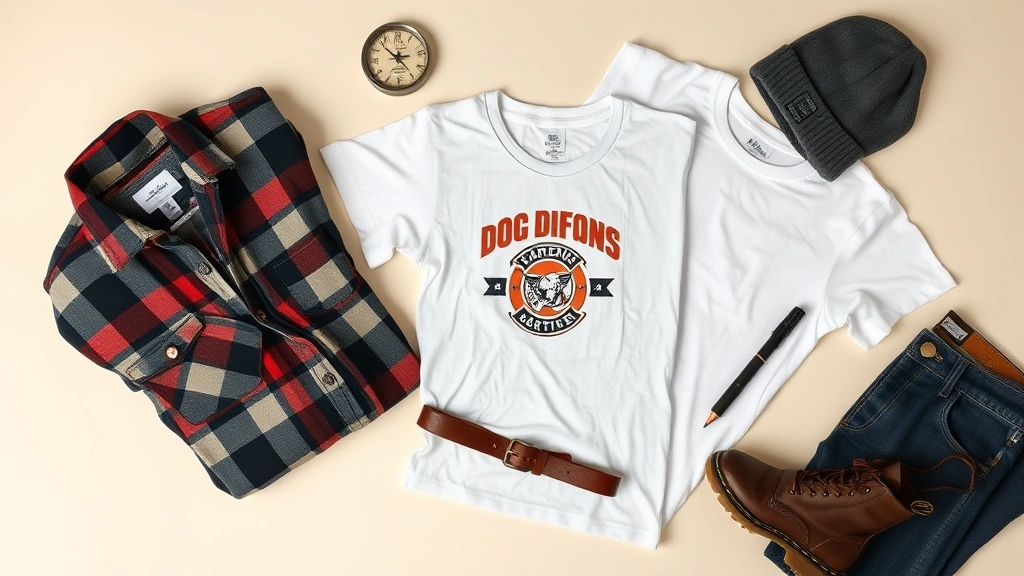
Plain white t-shirts, gray tees, and neutral-colored basics form the foundation of layering possibilities. These versatile pieces become the canvas upon which you build more distinctive looks by adding flannel shirts, oversized sweaters, or vintage band merchandise. Quality basics in neutral colors ensure your 90s wardrobe remains functional and easily mixable.
Flannel shirts in classic patterns—red and black, green and black, or blue and black—are non-negotiable 90s essentials. These pieces can be worn open over t-shirts, tied around the waist, or worn as standalone shirts depending on the desired aesthetic. Invest in authentic flannel in natural fabrics rather than synthetic alternatives to achieve the authentic texture and drape characteristic of genuine 90s pieces.
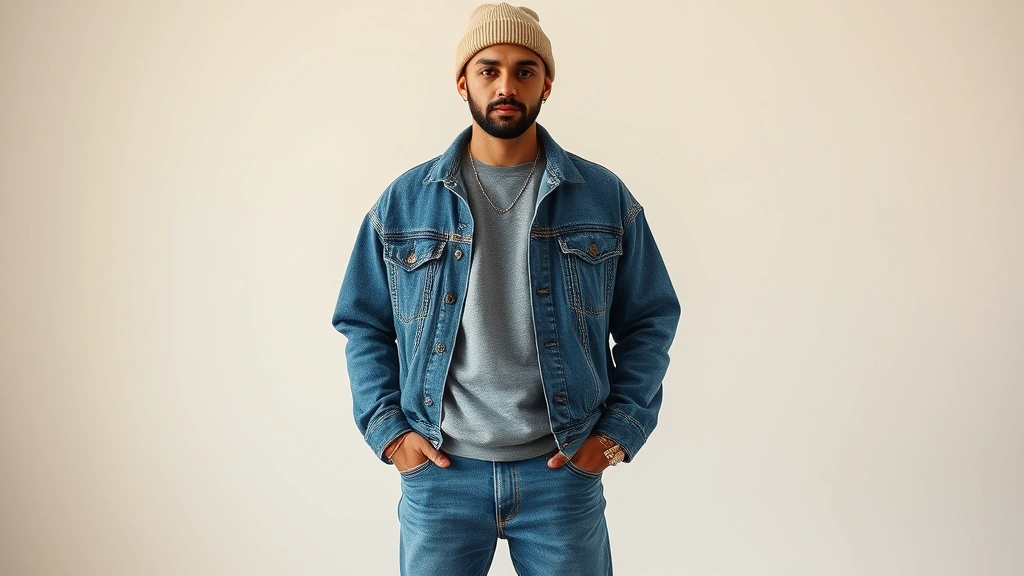
Lightweight jackets including denim jackets, leather jackets, and windbreakers provide layering opportunities while reinforcing the era’s casual aesthetic. A well-worn denim jacket becomes an extension of your personal style, accumulating character through wear. Oversized blazers, inspired by 90s minimalism, offer a more polished interpretation of the decade’s fashion language.
Vintage band t-shirts connect your wardrobe to the era’s music-driven culture. Whether authentic vintage pieces or modern reproductions, these tees serve as statement pieces that anchor outfits in 90s authenticity. Pairing band tees with tailored pieces creates interesting contrasts that exemplify the decade’s eclectic approach to dressing.
” alt=”Male model wearing vintage 90s outfit with oversized flannel shirt, faded denim, and classic white sneakers, standing in urban setting with natural lighting”>
Mastering Grunge Style
Grunge represents perhaps the most recognizable and influential aesthetic of 90s men’s fashion, originating from Seattle’s music scene and spreading globally as a cultural phenomenon. This style celebrates imperfection, authenticity, and a deliberate disregard for conventional fashion rules. Mastering grunge requires understanding the philosophy behind the aesthetic rather than simply accumulating pieces.
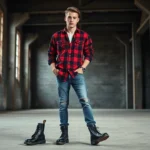
The grunge silhouette prioritizes comfort and oversized proportions that contrast sharply with the fitted styles of previous decades. Flannel shirts, often oversized and worn unbuttoned over plain t-shirts, became the visual signature of grunge culture. These shirts were frequently thrifted or inherited, carrying stories of previous owners and displaying signs of wear that added to their appeal.
Distressed and ripped jeans became iconic grunge elements, though the key distinction lies in authentic wear versus intentional destruction. Genuine grunge styling favored naturally worn denim that showed signs of real use, rather than manufactured rips and tears. The philosophy centered on wearing clothes until they fell apart naturally, reflecting a rejection of disposable fashion culture.
Layering in grunge fashion creates depth and visual interest while serving practical purposes. A typical grunge outfit might feature a thermal or long-sleeve shirt under a plain t-shirt, topped with an oversized flannel shirt and completed with a worn denim or leather jacket. This approach to dressing demonstrates how 90s fashion male styles prioritized texture and dimension over flashy statement pieces.
Footwear in grunge culture leaned toward practical, durable options like heavy boots, worn-in sneakers, or utilitarian shoes. Doc Martens became synonymous with grunge, offering both comfort and a rebellious aesthetic. The shoes were often paired with dark socks visible above the shoe line, creating visual interest and reinforcing the intentional, put-together-while-looking-disheveled aesthetic.
Accessories in grunge styling remain minimal and functional rather than decorative. Beanies, worn knit caps, and simple wool hats provide practical warmth while contributing to the overall aesthetic. Backpacks replace structured bags, emphasizing the casual, student-like quality that defined grunge culture. Chains, rings, and other jewelry were occasionally incorporated but remained understated compared to previous decades.
Hip-Hop and Streetwear Influence
While grunge dominated alternative culture, hip-hop fashion emerged as an equally powerful force throughout the 1990s, particularly in urban centers. This aesthetic celebrated boldness, oversized silhouettes, and brand visibility in ways that contrasted with grunge’s anti-establishment ethos. Both movements, however, shared a commitment to authenticity and self-expression through clothing.
Baggy jeans, often worn low on the hips with oversized t-shirts, became the signature silhouette of 90s hip-hop fashion. This styling approach emphasized comfort and movement, reflecting the culture’s roots in breakdancing and athletic performance. The fit evolved throughout the decade, with some styles becoming progressively baggier as the 90s advanced toward the early 2000s.
Oversized sports jerseys, whether authentic team merchandise or replica pieces, became central to hip-hop fashion. These were often worn over long-sleeve thermal shirts or other layers, creating the voluminous silhouettes that defined the aesthetic. The visibility of brand logos and team names represented a celebration of consumer culture that stood in stark contrast to grunge’s anti-commercial stance.
Tracksuits, particularly those in bright colors or featuring bold patterns, gained prominence in 90s hip-hop fashion. These coordinated sets offered a polished yet casual approach to dressing that influenced mainstream fashion. The tracksuit represented a bridge between athletic wear and street fashion, establishing a template that continues influencing contemporary sportswear trends.
Sneaker culture flourished during the 90s, with specific models becoming status symbols and cultural markers. Nike Air Jordans, Timberland boots, and other premium footwear choices signaled both style awareness and cultural alignment. The investment in quality sneakers reflected hip-hop culture’s emphasis on craftsmanship and attention to detail despite the casual aesthetic.
Accessories played a more prominent role in hip-hop fashion compared to grunge. Oversized chain necklaces, rings, and watches conveyed wealth and status, reflecting the culture’s celebration of success and achievement. Hats, particularly baseball caps and fitted caps, became essential accessories that complemented the overall aesthetic while serving practical purposes.
Minimalism and Luxury 90s Aesthetics
Beyond grunge and hip-hop, the 1990s witnessed a parallel movement toward minimalism in high fashion, championed by designers who sought to strip away excess and focus on pure design principles. This aesthetic, while less visible in mainstream culture than grunge, profoundly influenced fashion and continues shaping contemporary style sensibilities.
Minimalist 90s fashion male styling emphasized clean lines, neutral color palettes, and impeccable tailoring. Oversized blazers, often in charcoal gray or black, became staples of this approach, offering a more refined interpretation of the decade’s relaxed silhouettes. These pieces were frequently paired with simple t-shirts or plain white button-down shirts, creating sophisticated yet accessible looks.
The color palette in minimalist 90s fashion consisted primarily of blacks, grays, whites, and muted earth tones. This restrained approach to color allowed tailoring and fabric quality to become the focal points of outfits. Natural fibers including linen, cotton, and wool were preferred, emphasizing texture and tactile quality over visual patterns.
Monochromatic dressing emerged as a key strategy in minimalist 90s styling, with entire outfits composed of single colors or closely related tones. This approach created visual coherence and sophistication while allowing individual pieces to speak through their construction and fit. The technique remains influential in contemporary types of fashion styles discussions.
Footwear in minimalist 90s fashion leaned toward simple, well-crafted shoes in neutral colors. Clean white sneakers, simple loafers, or minimal leather shoes complemented the overall aesthetic without introducing unnecessary visual complexity. The emphasis fell on quality construction and timeless design rather than bold statements or trend-driven choices.
Luxury brands during this period, including Vogue‘s featured designers, increasingly embraced minimalism as a response to the excess of previous decades. This shift reflected broader cultural movements toward sustainability and intentional consumption, establishing principles that continue influencing luxury fashion today.
Footwear That Defines the Era
Shoes served as crucial anchors for 90s fashion, with specific models becoming instantly recognizable markers of different subcultural movements. Understanding footwear choices helps complete authentic 90s looks while connecting your styling to the era’s diverse cultural landscapes.
Doc Martens dominated grunge and alternative fashion, offering durable construction and a distinctive aesthetic that became inseparable from the era. The heavy boots, often paired with visible dark socks, created a deliberately clunky silhouette that rejected fashion’s traditional emphasis on elegance. Original Doc Martens required extensive break-in periods, and the scuffs and wear marks accumulated during this process became badges of authenticity.
Nike Air Jordans and other premium basketball sneakers became central to hip-hop culture, with specific model numbers achieving legendary status. The Air Jordan XI, Air Jordan XIII, and other releases represented both athletic innovation and cultural significance. Collectors and enthusiasts invested substantial sums in acquiring specific colorways, establishing sneaker culture as a legitimate form of fashion expression.
Vans sneakers, particularly the classic slip-on style, appealed across multiple subcultures. These simple, durable shoes paired well with both grunge and casual streetwear aesthetics, offering affordability and accessibility. The shoes’ minimalist design allowed them to complement diverse outfits without overwhelming the overall look.
Timberland boots gained prominence in hip-hop fashion, offering utilitarian appeal combined with status symbolism. The distinctive wheat-colored leather and robust construction made these boots instantly recognizable. Timberlands represented a bridge between outdoor functionality and urban fashion, appealing to wearers seeking both practicality and style.
Adidas sneakers, particularly the classic three-stripe silhouette, maintained relevance throughout the 90s across various style communities. These shoes offered a middle ground between premium basketball sneakers and casual everyday wear, making them versatile wardrobe staples.
Loafers and simple leather shoes appeared in minimalist 90s styling, often in black or brown tones. These understated pieces provided a more refined alternative to sneakers while maintaining the decade’s emphasis on comfort and wearability. Quality leather and simple construction ensured these shoes remained timeless rather than trend-dependent.
” alt=”Close-up of vintage 90s footwear collection including worn Doc Martens, classic white sneakers, and Timberland boots arranged on neutral background with natural lighting”>
Accessorizing Like a 90s Icon
Accessories complete 90s outfits while allowing personal expression within the era’s established aesthetic framework. Strategic accessory choices differentiate between various 90s subcultures while maintaining overall coherence in your styling approach.
Beanies and knit caps served both practical and aesthetic purposes in 90s fashion, with various styles appealing across different subcultures. Grunge enthusiasts favored worn, slightly misshapen beanies in neutral colors, while hip-hop fashion incorporated brighter colors and cleaner, more structured silhouettes. Beanie selection allows you to signal cultural alignment while maintaining comfort.
Backpacks replaced structured shoulder bags in 90s casual fashion, emphasizing the era’s practical approach to accessories. Simple nylon or canvas backpacks in neutral colors complemented most 90s outfits, offering functionality without unnecessary decoration. Vintage backpacks from outdoor brands like The North Face gained popularity for their durability and authentic 90s aesthetic.
Chains and jewelry played different roles across 90s subcultures. Grunge fashion typically minimized jewelry, with simple silver rings or chains worn subtly. Hip-hop culture, conversely, celebrated bold, oversized chains and statement jewelry that conveyed wealth and status. Finding the appropriate balance for your personal style ensures authenticity while maintaining comfort.
Sunglasses, particularly rectangular or oval frames, completed many 90s looks. Thin metal frames or plastic tortoiseshell patterns reflected the era’s aesthetic preferences. These accessories served practical purposes while contributing to the overall visual presentation of outfits.
Watches, whether simple and functional or more substantial pieces, added finishing touches to 90s styling. Digital sports watches appealed in casual contexts, while minimalist analog watches complemented more refined looks. The emphasis fell on functionality and subtle style rather than bold statement pieces.
Belts in 90s fashion served primarily functional purposes, though specific choices communicated style preferences. Simple leather belts in black or brown complemented most looks, while thicker, more prominent belts occasionally made style statements. The key involved maintaining proportional balance with other outfit elements.
Mixing Eras for Modern Appeal
The most sophisticated approach to 90s fashion involves thoughtfully integrating era-specific pieces with contemporary items, creating outfits that feel both nostalgic and current. This balanced approach prevents styling from appearing costume-like while honoring the aesthetic you’re drawing from.
Start by identifying which 90s elements resonate most with your personal style preferences. Rather than attempting to dress entirely in period-accurate clothing, select specific pieces that genuinely appeal to you. A single vintage flannel shirt, for instance, can anchor an otherwise contemporary outfit, creating visual interest without sacrificing modern sensibility.
Contemporary tailoring can update classic 90s silhouettes, creating looks that feel fresh rather than dated. Pairing vintage band tees with modern, well-fitted trousers creates interesting contrasts that work in contemporary contexts. Similarly, oversized 90s-inspired blazers pair beautifully with modern sneakers for a balanced aesthetic.
Quality remains paramount when mixing eras, as well-constructed pieces from any era integrate more seamlessly than poorly made items. Investing in authentic vintage pieces or quality reproductions ensures your 90s-inspired wardrobe maintains cohesion and durability over time. This approach also supports sustainable fashion practices by extending garment lifecycles.
Color coordination becomes especially important when mixing eras, as contemporary pieces often feature brighter or more saturated colors than typical 90s palettes. Grounding outfits with neutral 90s pieces prevents color clashes while allowing modern items to contribute visual interest without overwhelming the overall look.
Proportional balance ensures mixed-era outfits maintain visual harmony. Pairing oversized 90s pieces with more tailored contemporary items creates dynamic silhouettes that work across diverse contexts. This approach prevents outfits from appearing either too trendy or too dated, instead striking an appealing middle ground.
Consider consulting resources like Vogue’s 90s fashion coverage and contemporary style guides to understand how fashion experts approach era-blending. Understanding fashion history provides context for how different eras relate to contemporary trends.
Personal confidence remains the most important element when wearing 90s-inspired fashion. The decade celebrated individuality and authenticity, values that transcend temporal boundaries. Wearing pieces that genuinely resonate with you, whether vintage or contemporary, communicates confidence that elevates any outfit regardless of era.
FAQ
What are the most essential 90s fashion pieces for men?
The foundation includes flannel shirts, well-fitted denim, oversized t-shirts, and comfortable sneakers or boots. Adding a denim or leather jacket, band tees, and layering basics creates versatility. These pieces form the basis for building multiple outfit combinations across different 90s aesthetic interpretations.
How can I achieve an authentic grunge look without appearing costume-like?
Focus on natural wear and comfort rather than intentionally distressed pieces. Invest in quality basics and layer them thoughtfully. Choose footwear like Doc Martens or worn-in sneakers that feel authentic. The key lies in selecting pieces that genuinely appeal to you rather than forcing an aesthetic that doesn’t align with your personal style.
Are there modern ways to wear 90s fashion?
Absolutely. Mix vintage 90s pieces with contemporary items to create balanced outfits. Pair a vintage flannel with modern trousers, or wear a band tee under a contemporary blazer. This approach keeps your styling feeling current while honoring the 90s aesthetic you’re drawing from.
Where can I find authentic 90s pieces?
Thrift stores, vintage shops, and online platforms specializing in vintage fashion offer authentic pieces. Platforms like Depop and Vestiaire Collective connect buyers with vintage items. Quality reproduction pieces from contemporary brands also capture the aesthetic if authentic vintage items aren’t accessible.
How do I incorporate 90s fashion into professional settings?
Choose minimalist 90s elements like oversized blazers, simple neutral tones, and well-tailored pieces. Avoid distressed items and band tees in professional contexts. Focus on the era’s sophisticated side, utilizing clean lines and quality construction to create polished looks suitable for workplace environments.
What’s the difference between 90s grunge and 90s hip-hop fashion?
Grunge emphasizes oversized, worn pieces in neutral tones with minimal branding, reflecting anti-establishment values. Hip-hop fashion celebrates bold, baggy silhouettes with visible branding and premium footwear, reflecting success and cultural pride. Both celebrate authenticity but express it through different visual languages.