90s Fashion for Females: Expert Insights and Timeless Trends
The 1990s remain one of the most influential decades in fashion history, particularly for female style expression. From grunge aesthetics to minimalist silhouettes, the era redefined what it meant to dress authentically. Whether you’re revisiting nostalgic looks or discovering 90s fashion for the first time, understanding the decade’s key movements helps you curate a wardrobe that feels both retro-inspired and contemporary. This comprehensive guide explores the defining elements of 90s fashion for females, offering expert insights to help you master this iconic era.
What made 90s fashion for females so revolutionary was its rejection of excessive ornamentation in favor of raw authenticity. The decade celebrated individuality, anti-fashion sentiment, and a deliberate casualness that contrasted sharply with the power suits and excess of the 1980s. Today’s fashion landscape continues to draw inspiration from these foundational principles, making 90s aesthetics perpetually relevant for style-conscious women.
The Grunge Movement: Raw Authenticity
The grunge movement stands as the most iconic expression of 90s fashion for females. Emerging from Seattle’s music scene, grunge rejected polished perfection in favor of deliberately disheveled, anti-fashion aesthetics. Flannel shirts, oversized band tees, and distressed denim became uniform statements of rebellion against mainstream consumer culture. Female grunge icons like Kurt Cobain’s wife and various alternative musicians demonstrated that femininity didn’t require conformity to traditional beauty standards.
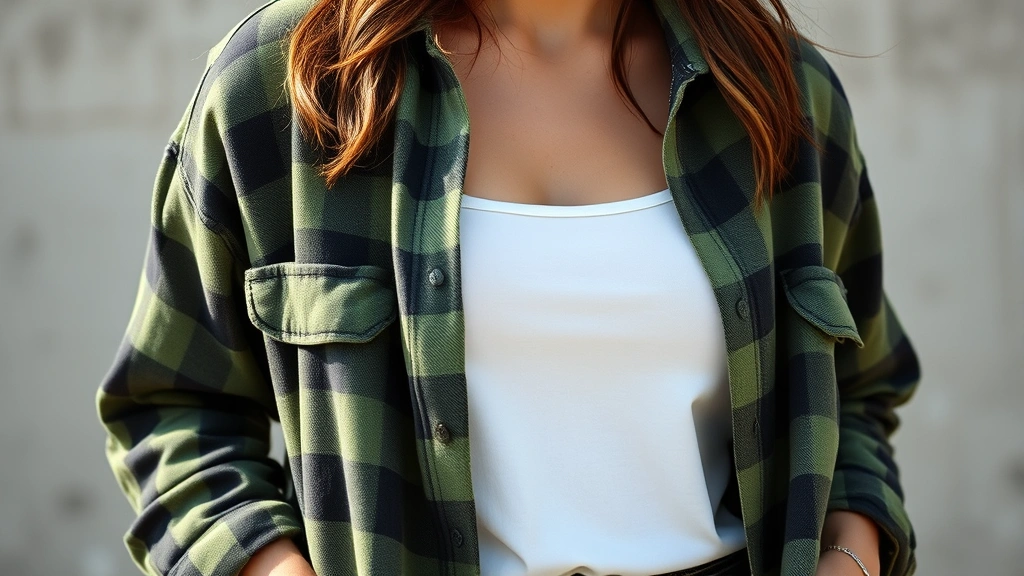
Grunge fashion for women emphasized comfort and authenticity above all else. Oversized silhouettes dominated, with women pairing massive flannel shirts over plain white tanks or wearing their boyfriends’ vintage band merchandise. The beauty of this approach lay in its accessibility—you didn’t need expensive designer pieces to achieve authentic grunge style. Thrift stores became treasure troves for finding authentic vintage pieces that embodied the movement’s ethos. Finding your personal style during this era meant rejecting external expectations and embracing what felt genuinely comfortable.
The color palette of grunge fashion remained deliberately muted: blacks, grays, browns, and forest greens dominated wardrobes. This neutral foundation allowed individual personality to shine through accessories and attitude rather than flashy colors. Layering became an art form—tank tops worn over long-sleeve shirts, oversized cardigans draped over band tees, and flannel shirts tied around waists created visual depth and intentional messiness.
Expert stylists note that modern interpretations of grunge often miss the movement’s core authenticity. Contemporary grunge fashion sometimes becomes too polished, defeating the purpose of the original aesthetic. To authentically channel 90s grunge, focus on genuine vintage pieces, embrace imperfection, and prioritize comfort over trend-chasing. The movement’s lasting appeal stems from its honest rejection of fashion rules—something increasingly valuable in today’s curated social media landscape.
Minimalism and Elegant Simplicity
While grunge dominated alternative fashion circles, minimalism represented the sophisticated counterpoint in 90s fashion for females. Designers like Calvin Klein and Jil Sander championed clean lines, neutral palettes, and architectural silhouettes that prioritized quality over quantity. This approach appealed to women seeking elegance without ostentation, proving that 90s style encompassed diverse aesthetic philosophies.
Minimalist 90s fashion featured slip dresses, tailored trousers, and simple white button-downs as foundational pieces. The emphasis on fabric quality meant that even basic items commanded attention through their construction and drape. A perfectly fitted white shirt or neutral slip dress became a canvas for personal expression through styling choices rather than inherent design complexity. This philosophy aligns with contemporary conversations about sustainable fashion and intentional wardrobing.
The minimalist approach to 90s fashion for females celebrated negative space and understatement. Accessories remained sparse and purposeful—perhaps a delicate gold chain necklace or simple leather belt—allowing the clothing itself to be the focal point. Footwear followed suit, with sleek loafers, simple ballet flats, and understated sneakers completing minimalist looks. This restraint created an air of effortless sophistication that continues influencing high fashion today.
Slip Dresses and Satin Sensuality
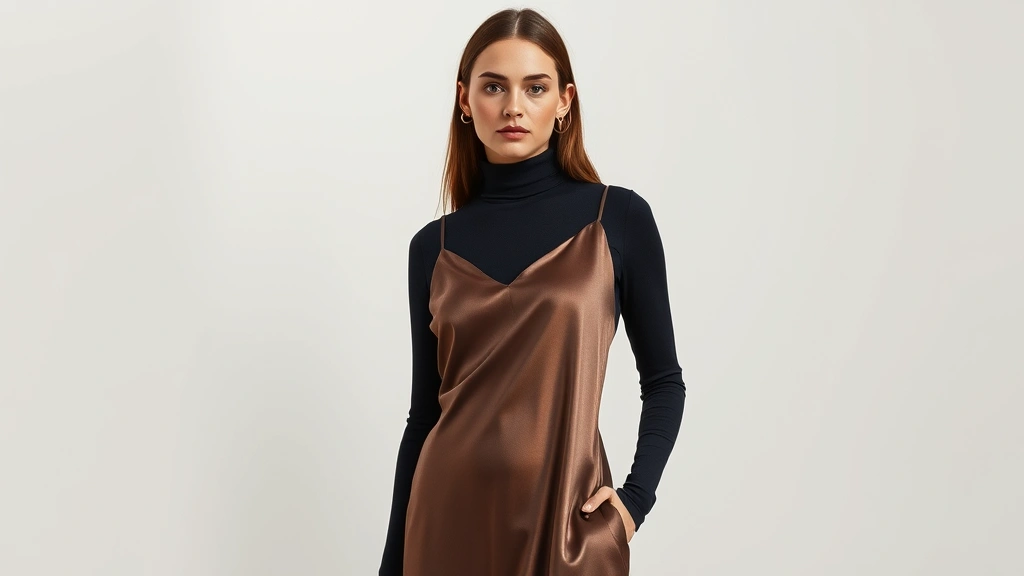
The slip dress emerged as perhaps the most iconic single garment of 90s fashion for females, bridging the gap between minimalist elegance and casual sensuality. Originally designed as undergarments, slip dresses transitioned to outerwear, worn as standalone pieces or layered over long-sleeve shirts. This unexpected juxtaposition—intimate lingerie aesthetics meets street style—captured the decade’s playful irreverence toward fashion conventions.
Slip dresses in satin, silk, and silk-like materials came in jewel tones, pastels, and classic blacks and whites. The beauty of this garment lay in its versatility: paired with chunky sneakers and oversized cardigan for daytime casual, or layered under sheer shirts for evening sophistication. The slip dress represented a distinctly female form of rebellion—reclaiming traditionally sexualized garments and wearing them on women’s own terms, neither fully concealing nor conforming to male gaze expectations.
Fashion historians note that slip dresses democratized luxury aesthetics. A simple satin slip dress could cost fifty dollars or five hundred, yet both created similar visual impact when styled well. This accessibility contributed to the slip dress’s ubiquity in 90s fashion for females across economic backgrounds. The garment’s continued popularity in contemporary fashion—from runway shows to street style—testifies to its timeless appeal and the era’s lasting influence on female fashion psychology.
Cargo Pants and Utility Wear
Cargo pants represented functional rebellion in 90s fashion for females, importing utilitarian workwear aesthetics into everyday style. These pants, featuring multiple pockets and reinforced seams, originated from military and outdoor wear but became fashion statements through their adoption by alternative communities. Women embraced cargo pants as both practical garments and symbolic rejections of form-fitting femininity that dominated previous decades.
The appeal of cargo pants lay partly in their androgynous silhouette and partly in their genuine functionality. Pockets—a luxury often denied in women’s fashion—became both practical and political. Oversized cargo pants paired with baby tees created silhouettes that deemphasized body shape, allowing women to occupy space without conforming to prescribed feminine forms. This approach to dressing represented genuine empowerment, not through performance of femininity but through comfortable, functional style choices.
Styling cargo pants in 90s fashion for females typically involved pairing them with fitted tops to balance proportions. Chunky boots, simple sneakers, or platform shoes completed looks that felt simultaneously masculine-influenced and distinctly feminine. The cargo pant trend illustrates how 90s fashion for females borrowed from traditionally male-coded aesthetics while maintaining distinctly female sensibilities. Today’s fashion revival of cargo pants acknowledges this legacy while updating proportions and fabrics for contemporary tastes.
The Denim Revolution
Denim underwent revolutionary transformation during the 1990s, becoming the decade’s most versatile and essential fabric. While denim had always been casual staple, 90s fashion for females elevated it to high-fashion status through innovative cuts, finishes, and styling approaches. Vogue frequently featured denim-focused editorials, legitimizing the fabric as worthy of serious fashion consideration.
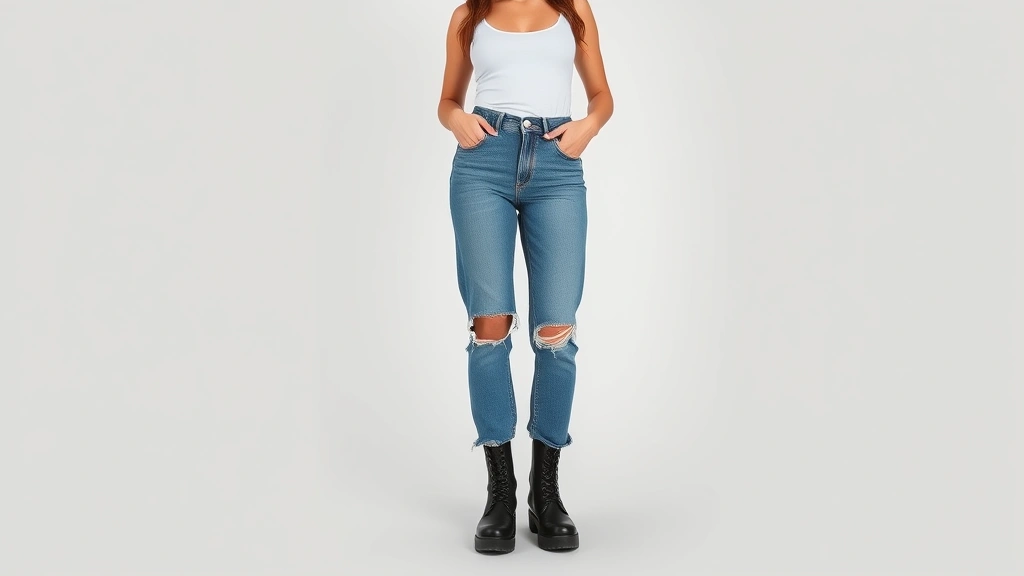
Distressed denim—featuring intentional rips, fading, and fraying—became signature 90s aesthetic. Whether subtle worn spots or dramatic knee rips, distressed finishes communicated authenticity and anti-establishment sentiment. The irony of paying premium prices for deliberately damaged garments wasn’t lost on fashion critics, yet consumers embraced the trend enthusiastically. Distressed denim represented accessible rebellion; you could achieve cutting-edge style without abandoning the comfort and practicality of jeans.
Denim silhouettes in 90s fashion for females ranged from slim, high-waisted cuts to dramatically oversized fits. The decade celebrated denim diversity, allowing women to choose styles aligning with personal aesthetics rather than conforming to single silhouette ideals. Pairing denim with unexpected pieces—slip dresses worn over jeans, denim layered under slip dresses, denim jackets styled as standalone fashion statements—created innovative combinations that defined the era’s creative approach to styling.
The denim revolution extended to fashion accessories and finishing details. Denim was paired with satin, silk, leather, and various textures, creating visual interest through material contrast. Belt styling became an art form, with chains, leather belts, and decorative buckles adding personality to basic denim. This experimental approach to denim styling continues influencing contemporary fashion, with designers regularly referencing 90s denim innovations.
Baby Tees and Graphic Prints
Baby tees—small, fitted t-shirts often featuring graphic prints, band logos, or provocative slogans—became iconic symbols of 90s fashion for females. These deliberately undersized garments contrasted sharply with the oversized silhouettes dominating the decade, creating visual tension and demonstrating fashion’s capacity for contradiction. A woman might wear an enormous flannel shirt over a tiny baby tee, embodying multiple 90s aesthetic simultaneously.
Graphic prints on baby tees ranged from band merchandise to designer logos, cartoon characters, and ironic slogans. The graphics communicated identity, musical taste, and cultural references, allowing wearers to express personality through their clothing. This approach to fashion communication—using garments as text—aligned with broader 90s cultural emphasis on authenticity and self-expression. Unlike previous decades’ subtle branding, 90s fashion for females embraced visible logos and graphic statements as legitimate style choices.
Baby tees were typically worn with high-waisted jeans, cargo pants, or skirts, creating proportional balance between the fitted top and other garments. Layering baby tees under slip dresses, oversized shirts, or mesh tops created dimensional silhouettes that epitomized 90s complexity. The baby tee’s modest cost—often under twenty dollars—made them accessible to teenagers and young adults, democratizing fashion participation and allowing experimentation without financial risk.
Accessories and Footwear Essentials
Accessories in 90s fashion for females served as personality punctuation, transforming basic garments into distinctive personal statements. Chunky platform shoes dominated, with styles ranging from combat boots to platform sneakers to Mary Janes with thick soles. These shoes provided both literal and figurative elevation, literally adding height while figuratively empowering wearers with grounded, confident stances. The platforms’ substantial weight and presence created visual impact that delicate footwear couldn’t achieve.
Handbags in 90s fashion for females trended toward minimalist designs or deliberately utilitarian shapes. Small shoulder bags, tiny backpacks worn on one shoulder, and simple crossbody bags completed looks without competing for attention. The emphasis remained on clothing and personal styling rather than luxury accessories, reflecting broader cultural skepticism toward conspicuous consumption.
Jewelry in 90s fashion for females ranged from delicate minimalist pieces to chunky statement items. Chokers—velvet ribbons, tattoo-style designs, and chain variations—became ubiquitous symbols of the era. Hair accessories including butterfly clips, tiny barrettes, and colored hair strands added whimsical touches. These accessories were often playful and inexpensive, reflecting youth culture’s experimental approach to fashion without requiring significant financial investment. The types of fashion accessories available during this era emphasized personal creativity over luxury status.
Styling 90s Fashion Today
Contemporary fashion enthusiasts can authentically embrace 90s fashion for females without appearing costume-like or dated. The key lies in selective curation and modern proportion updates. Rather than recreating entire 90s looks, consider incorporating signature pieces into modern wardrobes. A slip dress worn over contemporary trousers, vintage band tee styled with current-season pieces, or distressed denim paired with modern accessories creates cohesive looks honoring the era while remaining present-day relevant.
Thrift stores and online vintage retailers offer authentic 90s pieces at affordable prices, supporting the era’s original ethos of accessible fashion. Quality vintage items often surpass contemporary fast-fashion alternatives in construction and durability. Building a 90s-inspired wardrobe through vintage shopping connects you to the era’s authentic spirit while making sustainable fashion choices. Fashion experts increasingly recommend vintage shopping as both economically and environmentally responsible approach to trend participation.
Modern styling of 90s fashion for females benefits from understanding the era’s underlying philosophy rather than copying surface aesthetics. The 90s celebrated individuality, comfort, and authenticity—values that transcend specific garments or trends. Approach 90s inspiration as philosophy rather than costume, selecting pieces that genuinely align with your personal style and lifestyle needs. A carefully chosen vintage slip dress might become wardrobe staple, while trendy baby tees might feel inauthentic to your aesthetic.
Mixing 90s pieces with contemporary items creates interesting visual dialogue. Vintage cargo pants paired with modern minimalist tops, classic slip dresses styled with current footwear trends, or 90s-inspired graphic tees worn with contemporary tailoring demonstrate how historical fashion inspiration enriches current styling. The complete fashion history timeline reveals how each era influences subsequent decades, with 90s fashion continuing to resurface and evolve.
Fashion forecasters at institutions like the Fashion Institute of Technology track recurring 90s trends, noting that certain elements—slip dresses, distressed denim, minimalist aesthetics—cycle through fashion regularly. Understanding why specific 90s pieces remain relevant helps you invest in versatile vintage pieces that transcend temporary trend cycles. Quality construction, timeless silhouettes, and authentic vintage appeal ensure these pieces remain wearable regardless of fashion direction.
FAQ
What are the most essential 90s fashion pieces for females?
The foundational pieces include well-fitting jeans (preferably distressed), a quality slip dress, oversized flannel shirt, simple white button-down, baby tee with meaningful graphic, and chunky platform shoes. These core items combine multiple 90s aesthetic approaches and mix seamlessly with contemporary pieces.
How can I style 90s fashion without looking like I’m wearing a costume?
Focus on incorporating individual 90s pieces into modern outfits rather than recreating entire 90s looks. Pair a vintage slip dress with contemporary tailored trousers, style distressed denim with modern minimalist tops, or wear a 90s-inspired graphic tee with current-season outerwear. This selective approach honors the era while maintaining contemporary relevance.
Where can I find authentic 90s fashion pieces?
Vintage retailers, thrift stores, online platforms specializing in vintage fashion, and estate sales offer authentic pieces. Online options include Depop, Vestiaire Collective, and Etsy vintage sections. Shopping vintage supports sustainable fashion while providing genuine pieces with authentic 90s character.
Is 90s fashion still considered trendy?
Yes, 90s fashion elements continuously cycle through contemporary trends. Slip dresses, distressed denim, minimalist aesthetics, and utility wear regularly appear on runways and in street style. Rather than temporary trend, 90s fashion represents foundational style philosophy that influences designers and consumers perpetually.
How do I adapt oversized 90s pieces to my body type?
Balance oversized tops with fitted bottoms or vice versa. Pair oversized flannel shirts with slim jeans, style baggy cargo pants with fitted baby tees, or wear oversized slip dresses with structured accessories or belts. Proportional balance prevents overwhelming silhouettes while maintaining authentic 90s aesthetic.
Can I wear 90s fashion in professional settings?
Absolutely. Minimalist 90s elements—tailored trousers, simple slip dresses, quality button-downs—translate beautifully to professional contexts. Avoid heavily distressed pieces and graphic band tees in formal settings, but embrace the era’s emphasis on quality, simplicity, and authentic style in business casual and professional environments.