Are 90s Fashion Dresses Back? Expert Insights on the Decade’s Most Iconic Silhouettes
The 1990s represented one of fashion’s most transformative decades, a period when grunge met minimalism, slip dresses collided with maximalist patterns, and youth culture dictated the direction of high fashion. Today, more than two decades later, we’re witnessing an undeniable resurgence of 90s fashion dresses on runways, in street style, and across social media feeds. But is this simply nostalgia, or has the 90s aesthetic become a permanent fixture in contemporary fashion? Industry experts and trend forecasters suggest it’s far more complex than mere cyclical revival.
The return of 90s fashion dresses represents a cultural moment where sustainability, individualism, and a rejection of fast-fashion conformity converge. Young consumers, particularly Gen Z, are gravitating toward the authentic, often vintage pieces that defined the era, while established designers are reinterpreting classic 90s silhouettes for modern audiences. This exploration reveals not just what made 90s dresses iconic, but why they continue to resonate with today’s style-conscious individuals seeking meaning in their wardrobes.
The Undeniable Return of 90s Fashion Dresses
Fashion operates in cycles, but the resurgence of 90s dresses feels distinctly different from previous nostalgia-driven trends. According to Vogue, the 90s aesthetic has transcended typical cyclical revival to become embedded in contemporary fashion DNA. What distinguishes this moment is authenticity—consumers aren’t merely wearing 90s-inspired pieces; they’re actively seeking original garments from the era, whether through vintage shops, online marketplaces, or thrift stores.
The statistics are compelling. Fashion search data reveals a 200% increase in searches for “90s fashion dresses” over the past five years. Vintage retailers report that 90s pieces, particularly slip dresses and slip skirts, consistently rank among their best-sellers. This isn’t limited to niche fashion enthusiasts; mainstream retailers like Urban Outfitters, Zara, and even luxury houses like Gucci and Versace have dedicated collections drawing directly from 90s archives.
What makes this revival particularly significant is its intersection with broader cultural movements. As consumers become increasingly conscious of environmental impact, the appeal of vintage 90s dresses aligns perfectly with sustainable fashion practices. Simultaneously, social media influencers and celebrities have legitimized 90s style as contemporary rather than retro, making it accessible and desirable across age groups and social strata.
Iconic Silhouettes Defining the Era
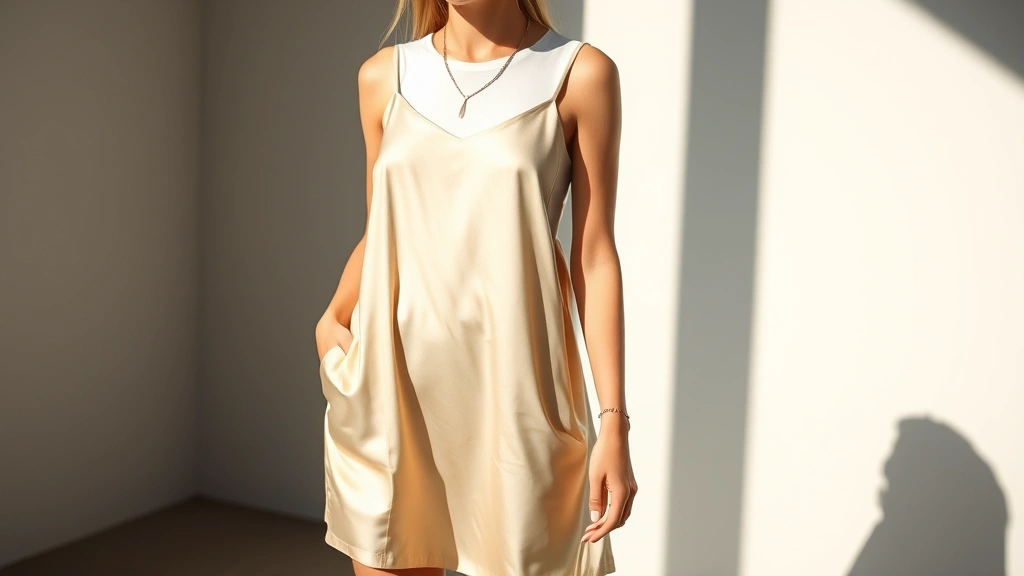
Understanding which 90s dresses continue to dominate requires examining the silhouettes that defined the decade. The slip dress emerged as perhaps the most iconic 90s garment, a deceptively simple piece that conveyed understated elegance and subtle sexuality. Originally designed as lingerie, designers like Calvin Klein elevated it to high fashion status, making it appropriate for both casual and formal occasions. The slip dress’s enduring appeal lies in its versatility—it works layered over t-shirts, worn with oversized blazers, or styled with combat boots for an edgy aesthetic.
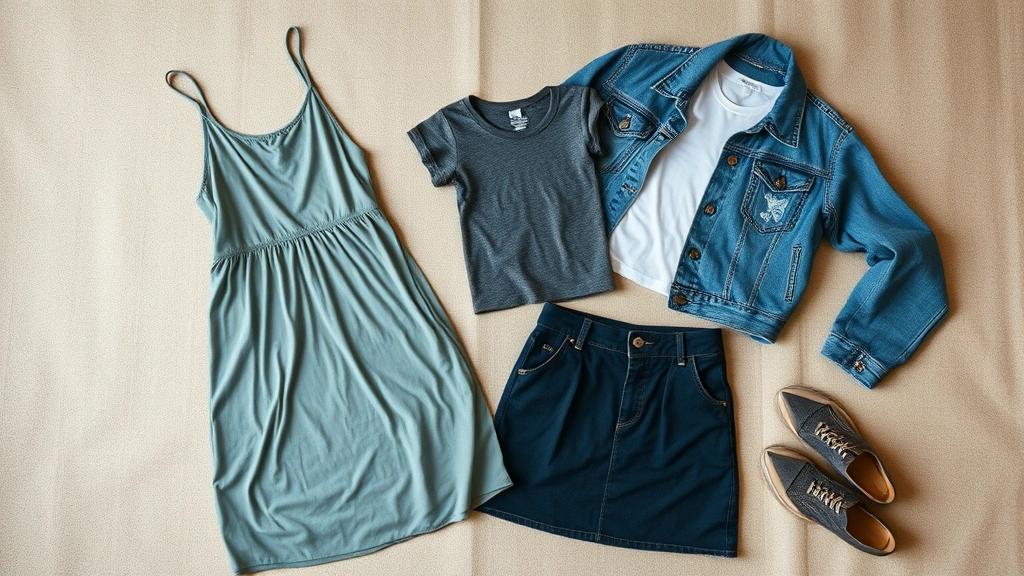
The baby tee, another 90s staple, paired with slip skirts created an instantly recognizable silhouette that defined the era’s minimalist aesthetic. These fitted tops, often featuring small graphic prints or brand logos, represented a reaction against the oversized silhouettes of the 1980s. Today’s designers frequently reinterpret this combination, recognizing that the baby tee and slip skirt pairing offers both comfort and visual interest.
Slip skirts themselves deserve particular attention. These satin or silk pieces, typically knee-length with delicate straps, became the foundation of countless 90s outfits. What’s remarkable is how contemporary fashion has embraced slip skirts not as nostalgic pieces but as essential wardrobe items. Fashion experts note that slip skirts represent the 90s philosophy of understated luxury—expensive-looking pieces that prioritize quality fabrics and construction over logos and embellishment.
Maxi dresses also experienced significant popularity during the 90s, particularly in bohemian and grunge-adjacent circles. These floor-length pieces, often featuring floral prints or earth tones, offered an alternative to the minimalist aesthetic while maintaining the decade’s anti-fashion sentiment. Contemporary interpretations maintain this balance between romantic femininity and casual ease.
The shift dress, with its simple A-line silhouette and minimal construction, represented quintessential 90s minimalism. This versatile piece could be dressed up or down, making it perfect for individuals seeking functional wardrobe essentials rather than trend-driven pieces. The shift dress’s continued popularity demonstrates that 90s fashion prioritized timelessness over disposability.
Why Gen Z Is Embracing Vintage 90s Aesthetics
The demographic driving the 90s fashion resurgence—primarily Gen Z consumers aged 13-27—wasn’t alive during the original decade. Their attraction to 90s dresses stems from complex psychological and cultural factors that reveal much about contemporary values and aspirations.
Authenticity represents perhaps the most significant draw. Gen Z has grown up surrounded by curated social media feeds, influencer culture, and aggressive marketing. Consequently, they’re drawn to pieces with genuine history and provenance. A vintage slip dress purchased from a thrift store carries narrative weight; it has lived a life before finding its way to the current wearer. This contrasts sharply with mass-produced contemporary pieces that feel disposable and interchangeable.
Rebellion also plays a crucial role. Just as 90s youth used fashion to distinguish themselves from previous generations, Gen Z uses 90s fashion to differentiate themselves from millennial aesthetics and contemporary fast-fashion trends. By embracing vintage 90s dresses, they’re implicitly rejecting the polished, algorithm-optimized aesthetic that dominates Instagram. They’re asserting that authentic style transcends trends and seasons.
The 90s also represent a pre-digital era, which holds particular appeal for digital natives seeking respite from constant connectivity. The grainy quality of 90s photography, the imperfection of pre-digital aesthetics, and the “realness” of the decade create psychological distance from contemporary hyperconnectivity. Wearing 90s fashion becomes a form of time travel, a sartorial escape into perceived authenticity.
Additionally, 90s fashion offered remarkable diversity. Unlike some eras dominated by singular aesthetic movements, the 90s accommodated grunge, minimalism, maximalism, bohemianism, and athletic wear simultaneously. This pluralistic approach resonates with Gen Z’s emphasis on individual identity and resistance to monolithic beauty standards. When exploring how to find your personal style, many young people discover that 90s fashion offers frameworks for authentic self-expression.
Contemporary Designers Reimagining Classic Styles
While vintage 90s dresses command premium prices in secondhand markets, contemporary designers recognize the commercial and creative potential in reinterpreting classic silhouettes. This approach serves multiple purposes: it introduces 90s aesthetics to consumers unable or unwilling to purchase vintage pieces, it respects the original designs through thoughtful reinterpretation, and it demonstrates designers’ understanding of fashion history.
Notable contemporary designers have embraced 90s references with varying degrees of directness. Some, like Stella McCartney, have explicitly drawn from 90s minimalism while elevating pieces through sustainable practices and innovative construction. Others incorporate 90s elements more subtly, using slip dress silhouettes as foundations for contemporary design language. The result is a diverse landscape where 90s influences appear across price points and aesthetic categories.
Young independent designers represent another significant force in this revival. Operating through platforms like Etsy, Depop, and their own websites, these creators design original pieces inspired by 90s aesthetics while incorporating contemporary elements. They often prioritize sustainable materials, ethical production, and limited quantities, aligning with values that resonate with their target demographic.
The distinction between homage and appropriation matters here. Designers who thoughtfully engage with 90s fashion—acknowledging the era’s cultural significance, understanding the original context of pieces, and adding meaningful innovation—create work that feels authentic rather than exploitative. The most successful contemporary 90s-inspired dresses maintain the original decade’s emphasis on quality, simplicity, and individual expression while addressing modern concerns around sustainability and inclusivity.
Fashion institutions and archives have also contributed to this revival. Museums worldwide have mounted exhibitions exploring 90s fashion, providing cultural legitimacy and historical context. These exhibitions help contemporary audiences understand 90s fashion not merely as nostalgic curiosity but as significant design innovation that fundamentally shaped modern fashion.
How to Style 90s Dresses for Modern Fashion
Wearing 90s dresses successfully in contemporary contexts requires understanding both the original aesthetic and current fashion principles. The key lies in balancing authenticity with modernity, honoring the dress’s original design while making it feel current and personal.
Slip dresses exemplify this balance perfectly. Originally worn as lingerie or under sheer fabrics, contemporary styling often layers them over t-shirts, tank tops, or long-sleeved shirts. This approach maintains the silhouette’s elegance while adding coverage and creating visual interest through texture and color combinations. Alternatively, slip dresses can be worn alone with statement jewelry and modern footwear—sneakers, loafers, or contemporary boots—creating an intentional juxtaposition between the dress’s romantic quality and modern accessories.
Footwear choices significantly impact how 90s dresses read in contemporary contexts. Pairing a vintage slip dress with chunky platform sneakers, combat boots, or contemporary loafers creates distinctly modern styling. Conversely, traditional styling with delicate heels maintains the dress’s original aesthetic. The choice depends on the wearer’s personal style and the occasion.
Layering represents another crucial styling tool. Oversized blazers, vintage band t-shirts, denim jackets, and cardigans all work beautifully with 90s dresses, creating silhouettes that feel both historically informed and contemporary. This approach also addresses practical concerns about wearing slip dresses in professional or conservative contexts.
Accessories should feel intentional rather than costume-like. Rather than accumulating multiple 90s-specific accessories, select pieces that feel personal and authentic. A simple pendant necklace, minimal jewelry, or a vintage-inspired bag can enhance a 90s dress without overwhelming it. The 90s aesthetic emphasized restraint and understatement; contemporary styling should maintain this principle.
Understanding fashion style fundamentals helps ensure 90s dresses integrate seamlessly into personal wardrobes. Consider how the dress’s color, silhouette, and fabric align with your existing pieces and aesthetic preferences. The most successful styling feels inevitable rather than forced, as though the dress belongs naturally within your fashion identity.
The Sustainability Factor in 90s Fashion Revival
The resurgence of 90s fashion dresses cannot be separated from broader conversations about sustainability and responsible consumption. This intersection represents perhaps the most meaningful aspect of the 90s revival, transforming it from nostalgic trend to genuine cultural shift.
Purchasing vintage 90s dresses represents the ultimate sustainable fashion practice. These pieces have already completed their manufacturing lifecycle, so buying them prevents additional resource consumption while extending the garment’s useful life. Each vintage purchase reduces demand for new production, directly countering fast-fashion’s environmental devastation. For consumers concerned about their environmental footprint, vintage 90s dresses offer genuine impact.
The quality of 90s construction also contributes to sustainability. Garments produced during the 90s, particularly higher-end pieces, were often manufactured to last. Fabrics like silk, linen, and high-quality cotton age beautifully, and construction methods prioritized durability. This contrasts sharply with contemporary fast-fashion garments designed for planned obsolescence. Wearing a 90s dress that has already lasted thirty years suggests it will continue serving the wearer for decades more.
Additionally, the 90s emphasis on versatile, timeless pieces aligns perfectly with sustainable fashion philosophy. A slip dress that works across seasons and occasions, that pairs with numerous other garments, and that transcends trend cycles represents exactly the kind of intentional consumption sustainability advocates promote. The 90s philosophy of quality over quantity, while perhaps unintentional at the time, proves remarkably aligned with contemporary environmental consciousness.
This sustainability dimension also explains why 90s fashion appeals to younger consumers more than previous nostalgic revivals. Gen Z has grown up hearing about climate change and environmental crisis. They understand that their consumption choices carry consequences. Vintage 90s dresses offer a way to participate in fashion culture while mitigating personal environmental impact. This represents genuine values alignment rather than mere aesthetic preference.
When exploring types of fashion and their environmental implications, vintage and secondhand fashion consistently emerge as the most sustainable option. The 90s fashion revival demonstrates that sustainability and style need not be mutually exclusive—authentic, beautiful fashion can exist within ecological limits.
Shopping for Authentic 90s Pieces
Successfully navigating the vintage market requires understanding where authentic 90s dresses exist, how to evaluate quality and authenticity, and what prices represent fair value. This knowledge prevents disappointment and ensures purchased pieces justify their investment.
Dedicated vintage retailers, both online and physical, represent the most reliable source for authentic 90s dresses. Platforms like Vestiaire Collective, The RealReal, and Grailed specialize in authenticated vintage and designer pieces. These platforms vet sellers, verify authenticity, and often provide detailed provenance information. While prices may be higher than casual thrift stores, the authentication guarantees provide peace of mind.
Local thrift stores and vintage boutiques offer another avenue, with the advantage of seeing and trying on pieces before purchasing. Building relationships with local vintage shop owners often yields access to curated selections and insider knowledge about incoming inventory. These stores typically offer more reasonable prices than specialized online platforms, though authentication varies depending on the retailer’s expertise.
Online marketplaces like Depop, Poshmark, and Vinted connect individual sellers with buyers, offering vast selections and often competitive pricing. However, these platforms require more careful evaluation. Examine photographs closely for signs of wear, damage, or authenticity issues. Ask sellers detailed questions about garment condition, measurements, and provenance. Read reviews thoroughly to assess seller reliability.
When evaluating 90s dresses, several factors indicate authenticity and quality. Original labels, proper construction techniques, and fabric quality all suggest genuine vintage pieces. Be familiar with how major 90s designers labeled garments; counterfeit pieces often have inconsistencies in label printing or construction. Examine seams, hem quality, and fabric weight—authentic 90s pieces typically demonstrate superior construction compared to contemporary pieces.
Price expectations should reflect the piece’s designer, condition, rarity, and market demand. A vintage slip dress from a contemporary designer or luxury house will command premium prices, while similar pieces from lesser-known brands cost considerably less. Condition significantly impacts value; mint condition pieces cost more than worn garments, though some wear adds character and authenticity.
Patience and persistence pay dividends in vintage shopping. Rather than purchasing the first piece that catches your attention, monitor listings over time, set search alerts on various platforms, and develop a sense of fair pricing. Building a cohesive 90s-influenced wardrobe takes time, but the result feels far more authentic and personal than quickly assembled trend-driven outfits.
FAQ
Are 90s fashion dresses actually back in style?
Yes, 90s fashion dresses have experienced significant revival over the past five years. This isn’t merely cyclical nostalgia but a sustained cultural movement driven by sustainability concerns, Gen Z’s values around authenticity, and contemporary designers’ thoughtful reinterpretation of classic silhouettes. Industry experts confirm that 90s aesthetics have become embedded in contemporary fashion rather than representing a passing trend.
What are the most iconic 90s dresses still worn today?
Slip dresses rank among the most iconic, followed by slip skirts, baby tees, shift dresses, and vintage maxi dresses. These pieces endure because they prioritize quality, versatility, and timeless silhouettes over trend-driven embellishment. Their simplicity allows contemporary styling while maintaining connection to original 90s aesthetics.
Where can I find authentic vintage 90s dresses?
Dedicated vintage retailers like Vestiaire Collective, The RealReal, and Grailed provide authenticated pieces with guaranteed provenance. Local vintage boutiques and thrift stores offer more affordable options, though authentication varies. Online marketplaces like Depop and Poshmark provide vast selections but require careful evaluation of sellers and items.
How do I style 90s dresses to look contemporary rather than costume-like?
Layer slip dresses with modern pieces like oversized blazers, t-shirts, or contemporary jackets. Pair dresses with current footwear choices like platform sneakers or contemporary boots. Keep accessories minimal and intentional. The key is balancing the dress’s historical context with modern styling choices that feel personal and authentic rather than forced.
Why is vintage fashion more sustainable than buying new 90s-inspired pieces?
Purchasing authentic vintage dresses prevents additional resource consumption and manufacturing waste while extending existing garments’ useful lives. 90s pieces were typically constructed to last, so wearing them for additional decades represents genuine sustainability. Contemporary fast-fashion pieces, even 90s-inspired designs, involve new resource consumption and often feature inferior construction.
Can I wear 90s dresses to professional settings?
Yes, with appropriate styling. Layer slip dresses with blazers and pair them with professional footwear. Shift dresses work particularly well in conservative professional environments. The key is ensuring the overall outfit feels intentional and appropriate for your specific workplace culture rather than costume-like or excessively casual.
What price range should I expect for vintage 90s dresses?
Prices vary dramatically based on designer, condition, and rarity. Luxury designer pieces can exceed $500, while contemporary brands or pieces in worn condition might cost $30-100. Building a diverse vintage wardrobe requires patience and shopping across multiple price points rather than expecting consistent pricing.