

90s Fashion Revival: Expert Insights on the Timeless Trend Making a Comeback
The 1990s have officially reclaimed their throne in the fashion world, and this revival isn’t just a fleeting nostalgia trip—it’s a full-fledged movement that’s reshaping how we dress today. From oversized silhouettes to minimalist aesthetics, 90s fashion clothes are dominating runways, street style, and social media feeds across the globe. Fashion experts and industry insiders are unanimous in their assessment: the 90s represent a goldmine of authentic, boundary-pushing style that resonates deeply with contemporary consumers seeking individuality and substance over superficial trends.
What makes this revival particularly compelling is its democratic nature. Unlike some fashion movements that cater exclusively to luxury markets, 90s fashion embraces both high-end couture and accessible streetwear, making it genuinely wearable for everyone. Designers from established houses to emerging talents are mining this era for inspiration, reinterpreting classic silhouettes with modern sensibilities. The movement celebrates the 90s’ rebellious spirit—a time when fashion rejected the excess of the 1980s and championed authenticity, minimalism, and individual expression.
Defining the 90s Aesthetic: What Makes It Timeless
The 90s represented a seismic shift in fashion philosophy. After the power-dressing excess of the 1980s, the 1990s introduced a more stripped-down, authentic approach to personal style. This decade gave us several distinct aesthetics that continue to influence modern fashion: minimalism, grunge, maximalism, and smart casual—each reflecting different cultural movements and attitudes of the era.
Minimalism emerged as a powerful counterpoint to excess, championed by designers like Calvin Klein and Jil Sander who believed that less truly is more. This philosophy emphasized clean lines, neutral color palettes, and impeccable tailoring. The beauty of minimalist 90s fashion trends lies in its timelessness; pieces designed with this aesthetic in mind remain relevant decades later because they prioritize quality over novelty.
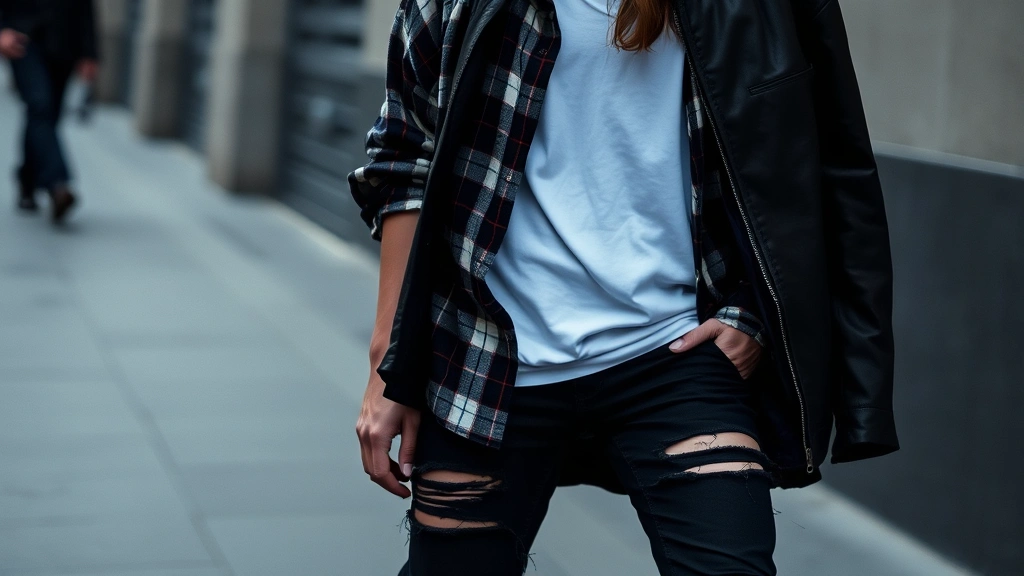
Grunge, emerging from Seattle’s music scene, provided the rebellious counterpoint to minimalism. Flannel shirts, ripped jeans, oversized sweaters, and combat boots became symbols of authenticity and anti-establishment sentiment. This aesthetic rejected the polished perfection of previous decades, instead celebrating imperfection and raw emotion. What’s fascinating is how grunge elements—particularly oversized fits and utilitarian details—have become mainstream fashion staples that transcend their subcultural origins.
The 90s also championed smart casual dressing, a revolutionary concept that blurred the lines between work and leisure. Slip dresses worn over t-shirts, minimalist blazers paired with jeans, and elegant basics became the uniform of a generation that valued practicality alongside style. This approach democratized fashion, suggesting that you didn’t need designer labels or excessive accessories to look sophisticated.
Key 90s Fashion Clothes Every Wardrobe Needs
Understanding the essential pieces that define 90s fashion is crucial for anyone looking to incorporate this aesthetic into their modern wardrobe. These items have proven their staying power, repeatedly returning to fashion relevance because they’re fundamentally well-designed.
- Slip Dresses: The quintessential 90s piece, slip dresses epitomize the decade’s sensuality and simplicity. Originally designed as undergarments, they became outerwear icons when styled with t-shirts underneath or layered with blazers. Modern versions come in silk, satin, and sustainable materials, making them accessible and environmentally conscious.
- Oversized Blazers: The 90s rejected structured, fitted blazers in favor of roomy, slouchy silhouettes. These blazers work beautifully with everything from slip dresses to tank tops, and they remain a cornerstone of contemporary professional and casual dressing.
- High-Waisted Jeans: While the 90s also championed low-rise styles later in the decade, high-waisted jeans represent the earlier part of this era. These flattering cuts have experienced a major resurgence, proving their timeless appeal.
- Minimalist T-Shirts: Plain, well-fitting t-shirts in neutral tones are the foundation of 90s style. The key is quality fabrication and perfect proportions—not oversized, but not fitted either.
- Cargo Pants: Utilitarian and practical, cargo pants embodied the 90s’ casual attitude. Modern iterations have refined the silhouette, removing excessive pockets while maintaining the aesthetic’s adventurous spirit.
- Leather Jackets: Whether motorcycle-inspired or more minimalist in design, leather jackets provided edge to 90s outfits. They remain one of fashion’s most versatile investment pieces.
- Combat Boots: Grounded in both punk and utilitarian aesthetics, combat boots became the footwear of choice for anyone wanting to make a statement. They pair beautifully with dresses, jeans, and skirts.
- Structured Handbags: 90s bags were often minimal, structured, and functional—think baguette bags and small shoulder bags in leather or nylon. These designs prioritized elegance over logo branding.
How to Style 90s Fashion in 2024
The art of modern 90s styling lies in selective curation and thoughtful mixing. Fashion experts emphasize that the goal isn’t to recreate the 90s wholesale but to extract its most appealing elements and integrate them into contemporary wardrobes. This approach allows you to honor the decade’s aesthetic while maintaining relevance to current fashion conversations.
Layering stands as perhaps the most important 90s styling principle. The decade celebrated visible layering—slip dresses over t-shirts, tanks over long sleeves, blazers over everything. This technique adds visual interest, allows for temperature adjustments, and creates the effortlessly cool aesthetic the 90s perfected. When layering modern pieces, focus on contrasting textures and subtle color variations to achieve sophistication.
Another crucial element is understanding fashion style principles that extend beyond mere trend-chasing. The 90s emphasized finding your personal aesthetic and sticking with it, whether that meant embracing minimalism, grunge, or maximalism. This philosophy remains incredibly relevant today, as consumers increasingly reject fast fashion’s disposability in favor of intentional, personal style choices.
Proportions matter significantly in 90s styling. The decade played with contrasts—oversized tops with fitted bottoms, or vice versa. However, modern 90s styling has refined this approach, avoiding the occasional awkwardness of period-accurate pieces. Current fashion wisdom suggests pairing a slightly oversized blazer with well-fitted, high-waisted trousers, or styling an oversized sweater with slim-cut pants.
Accessorizing 90s outfits requires restraint. The decade rejected excessive jewelry and logos in favor of minimal, statement pieces. A single quality handbag, understated jewelry, and perhaps one bold accessory create the perfect 90s-inspired look. This minimalist approach to accessories has become increasingly aligned with sustainability concerns, as consumers invest in fewer, higher-quality pieces that transcend seasonal trends.
Designer Influence and High Fashion Interpretations
Contemporary fashion houses have enthusiastically embraced 90s inspiration, from direct homages to subtle reinterpretations. Vogue regularly features 90s-inspired collections on its runways, highlighting how luxury designers are engaging with this era’s aesthetic. Brands like The Row, known for minimalist excellence, represent a direct continuation of 90s design philosophy, while others like Miu Miu have explicitly referenced the decade in recent collections.
What’s particularly interesting is how luxury designers are elevating 90s basics. A simple slip dress becomes a high-fashion statement when crafted from premium silk charmeuse and paired with couture-quality tailoring. Oversized blazers in luxury fabrics with impeccable construction command prices that reflect their quality rather than logo visibility. This approach democratizes 90s fashion philosophy—the idea that true style comes from fit, fabric, and proportion rather than visible branding.
Emerging designers are equally engaged with 90s aesthetics, particularly those prioritizing fashion history and cultural context. Many young designers see the 90s as a period of authentic self-expression that contrasts sharply with today’s algorithmic fashion recommendations. By studying this era, they’re developing collections that feel personally meaningful rather than algorithmically generated.
Fashion institutes and design schools increasingly incorporate 90s aesthetics into their curricula, recognizing the decade’s importance in contemporary fashion education. The 90s represent a pivotal moment when fashion began questioning excess and authenticity became a driving force—lessons that remain crucial for new generations of designers navigating sustainability, inclusivity, and personal expression.
The Sustainability Connection
One of the most compelling reasons for 90s fashion’s resurgence is its natural alignment with sustainability principles. The 90s philosophy of buying fewer, better-quality pieces directly opposes fast fashion’s throwaway culture. By championing 90s fashion clothes, contemporary consumers are inadvertently embracing sustainable consumption practices.
The minimalist aesthetic of the 90s inherently reduces wardrobe waste. When you own fewer pieces in neutral colors that work together seamlessly, you naturally consume less. Grunge’s celebration of vintage and thrifted pieces predates contemporary thrift culture by decades, suggesting that the 90s already understood the value of pre-owned fashion. Modern vintage markets and thrift stores have exploded partly because younger consumers are seeking authentic 90s pieces, creating a circular economy that keeps clothing in use rather than in landfills.
Sustainable brands are increasingly designing with 90s aesthetics in mind, recognizing that consumers seeking this look are often motivated by values beyond mere trend-following. Organic cotton basics, ethically-produced leather goods, and timeless designs that won’t feel dated in five years represent the intersection of 90s style and contemporary sustainability concerns.
Celebrity Impact and Cultural Moments
Celebrity culture has played an undeniable role in reviving 90s fashion. Influential figures from actors to musicians have embraced 90s aesthetics, lending cultural capital to the movement. When celebrities appear at major events wearing slip dresses, oversized blazers, or minimalist ensembles, they validate these choices for broader audiences and generate media coverage that amplifies the trend.
Social media has accelerated this process exponentially. Platforms like Instagram and TikTok allow fashion influencers and everyday users to share 90s-inspired outfits instantly, creating communities around shared aesthetic appreciation. Hashtags dedicated to 90s fashion generate millions of posts, demonstrating the movement’s genuine grassroots appeal beyond celebrity endorsement.
What distinguishes current 90s revival from previous nostalgic cycles is its inclusivity. The 90s fashion being celebrated today represents all demographics and body types, not just the narrow representation that appeared in magazines during the actual decade. This democratization of 90s style has made it genuinely accessible and relevant to contemporary audiences who see themselves represented in how the aesthetic is being interpreted and worn.
Building Your 90s-Inspired Wardrobe
Creating a cohesive 90s-inspired wardrobe doesn’t require abandoning your personal style or purchasing an entirely new closet. Instead, it involves strategic additions and styling choices that incorporate 90s elements thoughtfully. Start by assessing your current wardrobe and identifying pieces that align with 90s aesthetics—you likely already own more compatible items than you realize.
Begin with basics in neutral colors: white, black, gray, navy, and beige. These form the foundation of both minimalist and grunge-inspired 90s looks. Quality white t-shirts and simple tanks become versatile layering pieces that work across multiple outfits. A well-fitting black blazer in an oversized silhouette serves as a wardrobe anchor, dressing up casual pieces while maintaining the effortless 90s vibe.
Next, consider adding key statement pieces strategically. A slip dress in a neutral shade or subtle pattern works beautifully with t-shirts and can be dressed up or down depending on occasion. A quality leather jacket adds edge and versatility, working with everything from dresses to jeans. Combat boots or minimalist sneakers provide footwear options that ground 90s-inspired outfits in practicality.
When shopping for 90s-inspired pieces, prioritize quality over quantity. A single pair of well-made high-waisted jeans will serve you far better than multiple cheaper alternatives. Look for natural fabrics like cotton, linen, and silk that age beautifully and feel luxurious without ostentation. Consider exploring vintage and secondhand markets, where you’ll find authentic 90s pieces while supporting sustainable consumption practices.
Understanding how to find your personal style is crucial when incorporating 90s fashion. The decade celebrated individual expression, so your interpretation should reflect your preferences rather than strict adherence to period accuracy. If you gravitate toward minimalism, lean into clean lines and neutral palettes. If grunge appeals to you, embrace textures, layers, and utilitarian elements. This personalization ensures your 90s-inspired wardrobe feels authentic and wearable.

Accessorizing your 90s wardrobe requires restraint and intentionality. Choose one or two statement pieces rather than multiple accessories competing for attention. A quality leather handbag, understated jewelry, and perhaps a scarf or hat create visual interest without overwhelming your outfit. This approach aligns beautifully with both 90s aesthetics and contemporary sustainability values.
Consider exploring types of fashion that interest you and how 90s elements might enhance them. Perhaps you work in a corporate environment where minimalist 90s pieces elevate your professional wardrobe. Maybe your personal style leans creative, and grunge’s textural elements appeal to you. The versatility of 90s fashion means it can enhance virtually any personal style when applied thoughtfully.
Finally, visit Style Loom Daily Blog regularly for inspiration, styling tips, and updates on how contemporary fashion continues engaging with 90s aesthetics. Fashion is an ongoing conversation, and staying informed helps you make intentional choices that feel current while honoring the styles you love.
FAQ
What exactly defines 90s fashion clothes?
90s fashion encompasses several distinct aesthetics: minimalism (clean lines, neutral colors, quality tailoring), grunge (oversized pieces, flannel, combat boots), maximalism (bold colors and patterns), and smart casual (blurred work-leisure boundaries). The common thread is authenticity and rejection of 1980s excess in favor of individual expression and practicality.
Are 90s fashion trends actually timeless or just cyclical?
Many 90s pieces demonstrate genuine timelessness because they prioritize quality construction, flattering proportions, and versatility over trendy details. However, some elements are more cyclical—certain silhouettes and specific trend interpretations come and go. The key is distinguishing between fundamental pieces (like well-fitting jeans and quality blazers) and trend-specific interpretations.
Can I wear 90s fashion in professional settings?
Absolutely. Minimalist 90s pieces—tailored blazers, quality basics, structured handbags—are inherently professional. Even grunge elements can work in creative industries. The key is choosing quality fabrics and well-maintained pieces while avoiding anything too casual or worn-looking for your specific workplace environment.
Where should I shop for 90s-inspired pieces?
Contemporary brands offer 90s-inspired designs at all price points. Luxury houses like The Row provide high-end interpretations, while mainstream retailers offer accessible options. Vintage and secondhand markets offer authentic 90s pieces while supporting sustainability. The best approach combines all three sources depending on your budget and specific needs.
How do I avoid looking like I’m wearing a costume?
The key is selective curation and mixing 90s pieces with contemporary items. Avoid recreating specific outfits from the actual decade; instead, extract elements and integrate them into your modern wardrobe. Focus on quality, fit, and personal style rather than strict adherence to period accuracy. This approach ensures your 90s-inspired look feels current and intentional.
What’s the difference between 90s fashion and vintage 90s pieces?
Vintage 90s pieces are original items from the 1990s, often found in thrift stores or vintage markets. Contemporary 90s-inspired fashion refers to modern pieces designed with 90s aesthetics in mind. Both have value—vintage pieces offer authenticity and sustainability benefits, while modern interpretations often feature improved construction and sizing for contemporary bodies.