Revive 80s Rock Fashion? Expert Insights on Bringing Back an Iconic Era
The 1980s remains one of the most visually explosive decades in music history, and the fashion that accompanied the rock scene was nothing short of revolutionary. From leather jackets adorned with studs and chains to bold graphic band tees, teased hair reaching toward the heavens, and pants so tight they seemed painted on, 80s rock fashion represented rebellion, individuality, and unapologetic self-expression. Today, as fashion cycles continue their inevitable return, designers and style enthusiasts are asking a compelling question: should we revive 80s rock fashion for the modern era?
The answer isn’t as straightforward as simply dusting off your parents’ old concert memorabilia. Contemporary fashion demands a nuanced approach to nostalgia—one that honors the essence of 80s rock rebellion while respecting modern sensibilities and sustainability concerns. This comprehensive guide explores expert perspectives on bringing back 80s rock fashion, examining which elements remain eternally cool, how to style them authentically, and which pieces deserve to stay in the vault.

The Cultural Significance of 80s Rock Fashion
Understanding why 80s rock fashion captivated millions requires stepping back into the cultural context of the decade. The 1980s was an era of excess, optimism, and bold experimentation. Rock music—whether it was the theatrical glam metal of Mötley Crüe and Def Leppard, the punk-influenced sounds of the Sex Pistols’ legacy, or the arena rock dominance of bands like Van Halen—served as a vehicle for youth rebellion and identity formation.
Fashion became the visual language of this rebellion. Young people used clothing as a statement against conformity, embracing elements that their parents found shocking and incomprehensible. The tight leather, the dramatic makeup, the volume in both hair and accessories—all of it communicated a message of defiance and artistic expression. As noted by Vogue’s trend analysis, the 80s represented a pivotal moment when music and fashion became inseparably intertwined, with each concert and music video serving as a fashion runway.
What makes 80s rock fashion particularly fascinating for modern style enthusiasts is its democratizing effect. Unlike high fashion, which remained exclusive and expensive, rock fashion was accessible. You could create an authentic look with pieces from thrift stores, DIY modifications, and affordable retailers. This accessibility meant that the aesthetic spread rapidly across socioeconomic boundaries, creating a truly grassroots fashion movement that reflected genuine artistic expression rather than designer dictates.
Key Pieces That Define the Era
To properly revive 80s rock fashion, we must first identify the signature pieces that defined the aesthetic. These aren’t random garments—they’re carefully curated elements that, when combined, create an unmistakable visual statement.
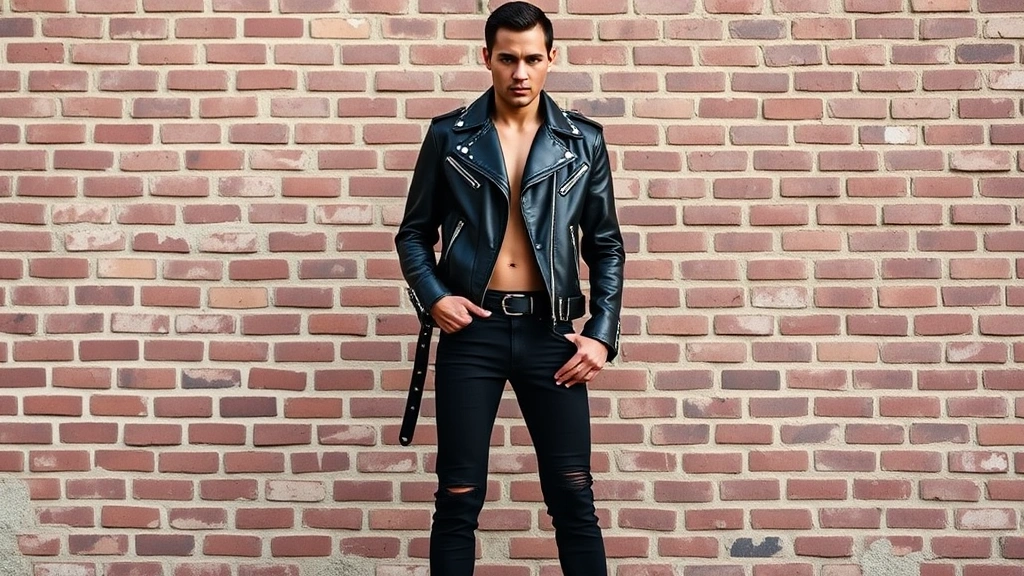
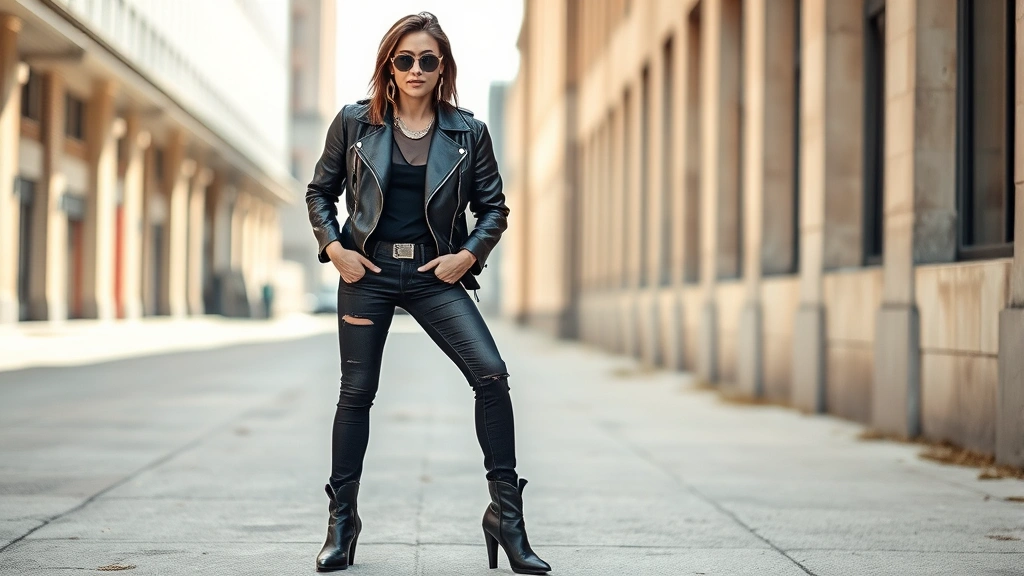
The Leather Jacket: Perhaps no single item embodies 80s rock more than the leather jacket. But not just any leather jacket—we’re talking about structured, often oversized silhouettes, frequently in black, sometimes adorned with metal studs, chains, fringe, or hand-painted details. The leather jacket served as both armor and canvas, allowing musicians and fans to personalize their look with band logos, slogans, and artistic expressions. Modern designers like Alexander McQueen have reinterpreted this classic, adding contemporary construction while maintaining the rebellious spirit.
Band Merchandise and Graphic Tees: Wearing your favorite band’s merchandise was more than fashion—it was a declaration of allegiance. Oversized band tees, often paired with smaller graphic tanks layered underneath, created visual interest and communicated musical taste. Vintage band tees remain highly coveted today, with rare concert shirts commanding significant prices among collectors. The key to modernizing this element is understanding that oversizing should feel intentional rather than accidental.
Denim with Attitude: 80s rock fashion embraced denim in ways that earlier decades hadn’t. Acid wash, stone wash, ripped, patched, and painted denim became canvases for self-expression. The fit was deliberately tight, often paired with strategic rips at the knees, thighs, or ankles. Metal studs, chain details, and hand-painted motifs transformed basic denim into statement pieces. When reviving this trend, the challenge lies in finding the balance between authentically distressed and overly commercialized.
Accessories and Hardware: 80s rockers understood that accessories could completely transform an outfit. Studded belts, chain necklaces (often multiple chains layered together), spiked bracelets, and dramatic rings created a cohesive aesthetic. These pieces weren’t delicate or subtle—they were meant to catch light, make noise, and announce the wearer’s presence. Hair accessories, including scrunchies in metallic or neon colors, side ponytails, and decorative clips, completed the look.
Footwear: Boots dominated 80s rock fashion. Think tall, often black or dark-colored, sometimes with buckles, chains, or pointed toes. Stiletto heels on boots created an androgynous silhouette that challenged gender norms. Sneakers, when worn, were bold—high-tops in neon colors or with metallic accents. The key characteristic was that footwear always made a statement; there was no such thing as subtle shoes in 80s rock fashion.
Modern Interpretations and Designer Takes
The fashion industry has recognized the enduring appeal of 80s rock aesthetics, with numerous contemporary designers drawing inspiration from this era. However, the most successful modern interpretations don’t simply recreate the past—they recontextualize it for contemporary sensibilities.
Leading fashion houses have approached 80s rock fashion through various lenses. Some designers focus on the construction and silhouette, maintaining the structured shoulders and fitted proportions but using modern fabrics and refined details. Others embrace the rebellious spirit, creating pieces that feel edgy and unconventional while avoiding costume-like qualities. The most innovative approaches blend 80s rock elements with contemporary concerns like sustainability and inclusivity.
Fashion historians and trend forecasters note that successful nostalgia trends work when they capture the feeling of an era rather than its literal appearance. Modern 80s rock fashion should evoke confidence, self-expression, and individuality—the core values of the original movement—rather than simply mimicking specific garments. This distinction is crucial for creating outfits that feel current rather than costume-y.
Luxury brands have particularly embraced this reinterpretation. Premium leather jackets now feature modern construction techniques while maintaining the visual drama of their 80s predecessors. Designer band tees, often featuring collaborations with actual rock bands or artistic reinterpretations of classic imagery, command high prices while introducing 80s rock aesthetics to fashion-forward audiences. The democratization of high fashion through contemporary streetwear has also made 80s rock-inspired pieces more accessible than ever.
Styling 80s Rock Elements Today
Successfully incorporating 80s rock fashion into a modern wardrobe requires intentionality and understanding. The goal is to avoid looking like you’re attending a costume party while maintaining the authentic spirit of rock rebellion.
The Balanced Approach: Fashion experts recommend the “one statement piece” strategy when reviving 80s rock looks. Rather than committing fully to the aesthetic with multiple dramatic elements, select one significant piece—perhaps a studded leather jacket or a vintage band tee—and build your outfit around it using contemporary basics. This approach allows you to explore the trend without overwhelming your overall aesthetic. Pair your statement piece with well-fitting modern jeans (ideally not aggressively distressed) and contemporary footwear. This balance honors the 80s influence while keeping your look grounded in the present.
Layering with Purpose: 80s rock fashion excelled at intentional layering. Recreate this by combining a fitted long-sleeve top under a graphic tee, adding a structured jacket, and incorporating a belt at the waist. Modern layering differs from the 80s in its refinement—today’s approach values clean lines and intentional proportions rather than chaotic abundance. The principle remains the same: create visual interest through thoughtful combinations.
Color and Pattern Coordination: While 80s rock fashion occasionally embraced neon and bold patterns, the most iconic looks often centered on a limited color palette—predominantly black with metallic accents or strategic pops of color. When reviving this aesthetic, consider using black as your base and introducing color through accessories or a single statement piece rather than overwhelming your outfit with multiple competing colors.
For those exploring different fashion directions, understanding how 80s rock fits within broader types of fashion styles can provide helpful context. 80s rock fashion represents one specific aesthetic within the larger spectrum of personal style options available to modern fashion enthusiasts.
Makeup and Hair Considerations: The dramatic makeup and voluminous hair of 80s rock fashion were integral to the complete look. Modern revivals might incorporate elements like bold eyeliner or statement eyeshadow without necessarily committing to the full-volume hair aesthetic. Many contemporary stylists suggest taking inspiration from 80s makeup—dramatic, confident, unapologetic—while adapting it to current beauty standards and techniques.
Sustainability and Ethical Considerations
One of the most important discussions surrounding the revival of 80s rock fashion involves sustainability and ethical production. The original 80s rock aesthetic, born from rebellion and accessibility, can be authentically expressed through sustainable fashion choices.
Vintage and secondhand shopping represents the most authentic and sustainable way to engage with 80s rock fashion. Thrift stores, vintage boutiques, and online platforms specializing in pre-owned clothing offer genuine pieces from the era at accessible prices. This approach honors the original DIY ethos of 80s rock culture while reducing environmental impact. Many contemporary stylists argue that vintage pieces carry an authenticity that new reproductions simply cannot match—they have actual history and character.
For those seeking new pieces inspired by 80s rock fashion, numerous contemporary brands now prioritize ethical production and sustainable materials. Choosing quality over quantity—investing in fewer, better-made pieces rather than fast-fashion reproductions—aligns with both modern values and the original rock ethos of meaningful self-expression. When you wear something intentionally chosen and well-made, it communicates the same confidence and individuality that 80s rockers expressed.
The circular fashion movement has also created opportunities to engage with 80s rock aesthetics responsibly. Rental services, clothing swaps, and upcycling communities allow fashion enthusiasts to explore trends temporarily or transform existing pieces rather than purchasing new items. This approach particularly resonates with the DIY spirit that characterized original 80s rock fashion culture.
Celebrity Influence and Current Trends
Contemporary celebrities and musicians continue to draw inspiration from 80s rock fashion, influencing broader style trends. From mainstream pop stars to alternative musicians, the aesthetic persists because it effectively communicates confidence, creativity, and individuality.
Current trend forecasters note that 80s rock elements appear regularly on red carpets, in music videos, and across social media platforms. However, the most influential contemporary takes on this aesthetic typically involve subtle integration rather than literal recreation. A leather jacket with modern tailoring, vintage band merchandise styled with contemporary pieces, or strategically placed metallic accents represent how current style leaders approach 80s rock nostalgia.
The rise of gender-fluid and non-binary fashion has also reinvigorated 80s rock aesthetics. The original movement challenged gender norms through clothing—men wore makeup and jewelry, women embraced androgynous silhouettes and aggressive styling. Contemporary fashion’s increased acceptance of gender expression means these elements can be explored authentically without the transgressive context they once required, allowing for broader creative expression.
If you’re interested in understanding how 80s rock fits within broader fashion evolution, exploring the complete fashion history timeline provides valuable context for how different eras influence contemporary style. Additionally, if you’re developing your personal relationship with 80s rock fashion, how to find your personal style offers guidance for integrating trends authentically into your wardrobe.
The 90s fashion trends that followed the 80s also offer interesting contrasts and complementary elements. Understanding how fashion evolved from the 80s through the 90s can inform how you selectively incorporate 80s elements into a modern wardrobe that might also include 90s-inspired pieces.
For broader context on how to approach fashion with intention and authenticity, our fashion style guide provides comprehensive frameworks for developing a cohesive personal aesthetic. Whether you’re fully committing to 80s rock fashion or selectively incorporating elements, understanding fundamental style principles ensures your choices feel authentic rather than trendy.
For daily inspiration and trend updates, our StyleLoom Daily Blog regularly features articles exploring how classic aesthetics like 80s rock fashion continue to influence contemporary style conversations.
FAQ
Can I wear 80s rock fashion without looking like I’m in costume?
Absolutely. The key is intentionality and balance. Select one or two statement pieces rather than committing to the full aesthetic, and combine them with contemporary basics. A leather jacket with modern jeans and current footwear, or a vintage band tee layered thoughtfully with contemporary pieces, allows you to explore the aesthetic authentically without costume-like qualities. Focus on the spirit—confidence, individuality, self-expression—rather than literal recreation of specific outfits.
Where can I find authentic 80s rock fashion pieces?
Vintage and secondhand sources offer the most authentic pieces. Thrift stores, vintage boutiques, online platforms like Depop and Vestiaire Collective, and specialty vintage retailers specializing in band merchandise provide genuine items from the era. For new pieces inspired by 80s rock aesthetics, contemporary designers increasingly offer modern interpretations. When shopping, prioritize quality and authenticity over quantity.
Should I wear the dramatic makeup and hair too?
This depends on your personal comfort level and lifestyle. The original 80s rock aesthetic was intentionally bold and attention-getting. Modern revivals might incorporate elements—bold eyeliner, statement eyeshadow, or intentional hair styling—without necessarily committing to the full volume and drama. Take inspiration from the confidence and boldness while adapting to contemporary beauty standards and your personal preferences.
Is 80s rock fashion more appropriate for certain body types?
While the original 80s rock aesthetic featured tight, fitted silhouettes, modern interpretations can be adapted to any body type. The key is understanding proportion and fit relative to your individual frame. Oversized leather jackets, structured layering, and strategic use of accessories can create the confident, statement-making aesthetic of 80s rock fashion regardless of body type. Fashion is about self-expression, not conformity to specific body standards.
How can I incorporate 80s rock fashion sustainably?
Prioritize vintage and secondhand pieces, which honor the original DIY ethos while reducing environmental impact. When purchasing new pieces, choose quality over quantity and support brands committed to ethical production. Consider clothing rental services, swaps, or upcycling communities as alternatives to purchasing new items. This approach aligns with both contemporary sustainability values and the original spirit of meaningful, intentional self-expression that defined 80s rock culture.
Can I mix 80s rock fashion with other styles?
Yes, and this often creates the most interesting contemporary looks. A leather jacket brings 80s rock edge to minimalist outfits, band tees can be styled with feminine or bohemian pieces, and metallic accessories work across multiple aesthetic categories. The most successful modern style often involves intentional mixing of influences. Understanding fashion style fundamentals helps you navigate mixing different aesthetic elements cohesively.