80s Punk Rock Fashion: A Stylist’s Guide
The 1980s punk rock fashion movement represents one of the most rebellious and transformative style periods in modern history. Born from the raw energy of punk music and the counterculture ethos, 80s punk rock fashion became a powerful statement of individuality, resistance, and creative self-expression. This era saw fashion transcend the runway and become a form of protest, where leather jackets, safety pins, and bold makeup weren’t just clothing choices—they were declarations of independence. Whether you’re a devoted punk enthusiast or simply curious about this iconic aesthetic, understanding 80s punk rock fashion opens doors to a world of fearless style innovation that continues to influence contemporary designers and fashion-forward individuals today.
What made 80s punk rock fashion so captivating was its raw authenticity and deliberate rejection of mainstream aesthetics. Punks embraced asymmetry, distortion, and shock value as fundamental design principles. They raided thrift stores, customized their garments with studs and chains, and created a visual language that spoke louder than words. The movement wasn’t about following trends—it was about creating them, breaking them, and redefining what fashion could mean. Understanding this era provides invaluable insights into how personal style can become a revolutionary tool for self-identification and cultural commentary.
The Origins and Evolution of Punk Fashion
Punk fashion didn’t emerge overnight—it evolved from a convergence of artistic rebellion, musical innovation, and social discontent. While punk music originated in the mid-1970s with bands like The Ramones and the Sex Pistols, the fashion aesthetic reached its peak prominence throughout the 1980s. The movement drew inspiration from various sources including street culture, bondage aesthetics, and avant-garde art. Designers like Vivienne Westwood became instrumental in translating punk ideology into wearable art, creating pieces that challenged conventional beauty standards and fashion rules.
The 80s represented the golden era when punk fashion transitioned from underground subculture to mainstream influence. Young people worldwide adopted punk aesthetics as a way to express their dissatisfaction with societal norms and consumer culture. This period saw punk fashion become increasingly sophisticated while maintaining its rebellious spirit. The movement encompassed various subcultures and regional interpretations, from New York’s gritty street punk to London’s more polished aesthetic. Understanding this historical context helps us appreciate why 80s punk rock fashion remains so relevant and inspiring for contemporary style enthusiasts.
The connection between music and fashion during this era was inseparable. Punk bands didn’t just perform music—they performed identity. Each band developed distinctive visual aesthetics that influenced their fanbase. This symbiotic relationship between musicians and fashion created an authentic movement that felt genuine and urgent. The DIY ethic that defined punk music also permeated fashion, encouraging individuals to customize, deconstruct, and reinvent their clothing rather than passively consume pre-designed collections.
Essential 80s Punk Rock Fashion Elements
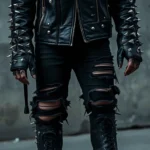
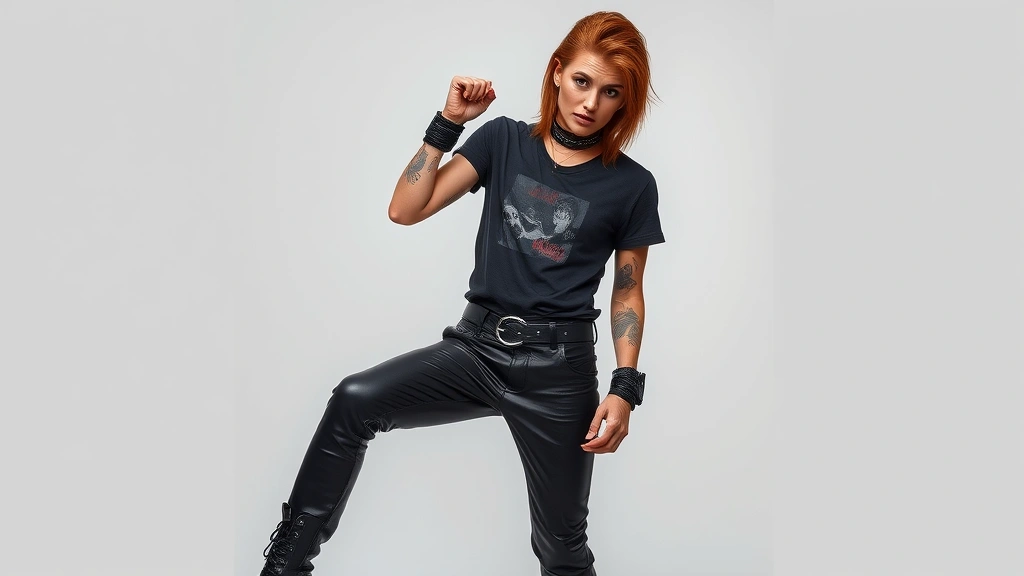
Creating an authentic 80s punk rock look requires understanding the fundamental elements that define the aesthetic. The 80s fashion for men and women shared common punk elements while allowing for individual interpretation. Key pieces include leather jackets (preferably worn and distressed), ripped jeans or leather pants, band t-shirts, and heavy boots. These staples form the foundation of any punk wardrobe and can be mixed and matched to create countless variations.
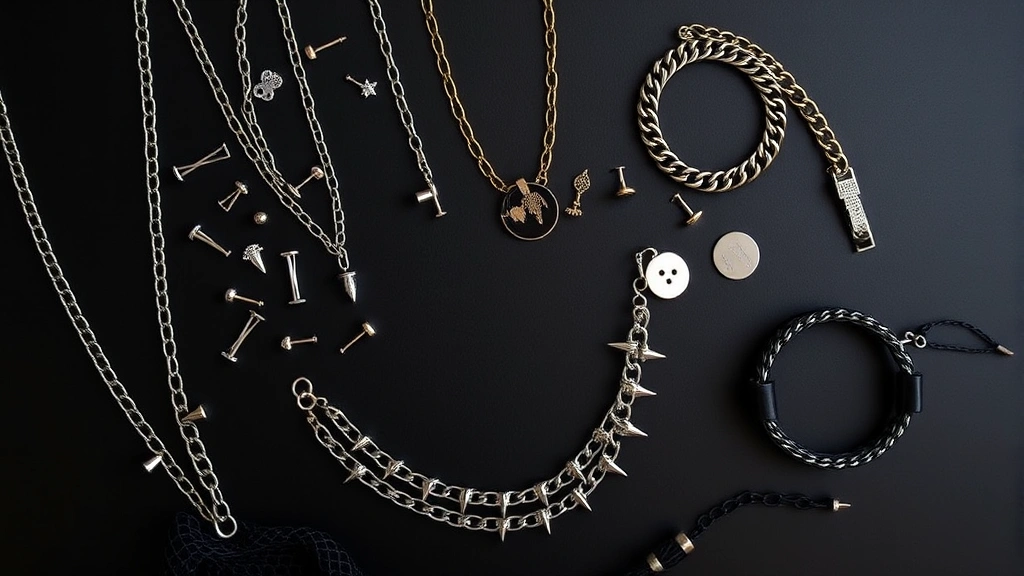
Beyond basic clothing items, accessories played a crucial role in completing the punk aesthetic. Safety pins became iconic symbols, often used to hold together torn garments or attached to clothing as decorative elements. Chains, spikes, and metal studs adorned jackets, belts, and accessories. Fishnet stockings, particularly for women, became synonymous with punk style. Colored tights in neon shades added vibrancy and edge to outfits. These accessories weren’t merely decorative—they represented a philosophy of making do with what you had and transforming everyday objects into fashion statements.
The beauty of 80s punk rock fashion lies in its flexibility and room for personal expression. While certain elements became standardized, individual punks constantly innovated within the framework. Some incorporated more theatrical elements, while others maintained a minimalist approach. This diversity within unity created a rich tapestry of styles that all shared the punk ethos without requiring strict adherence to a single formula.
Leather, Studs, and Statement Pieces
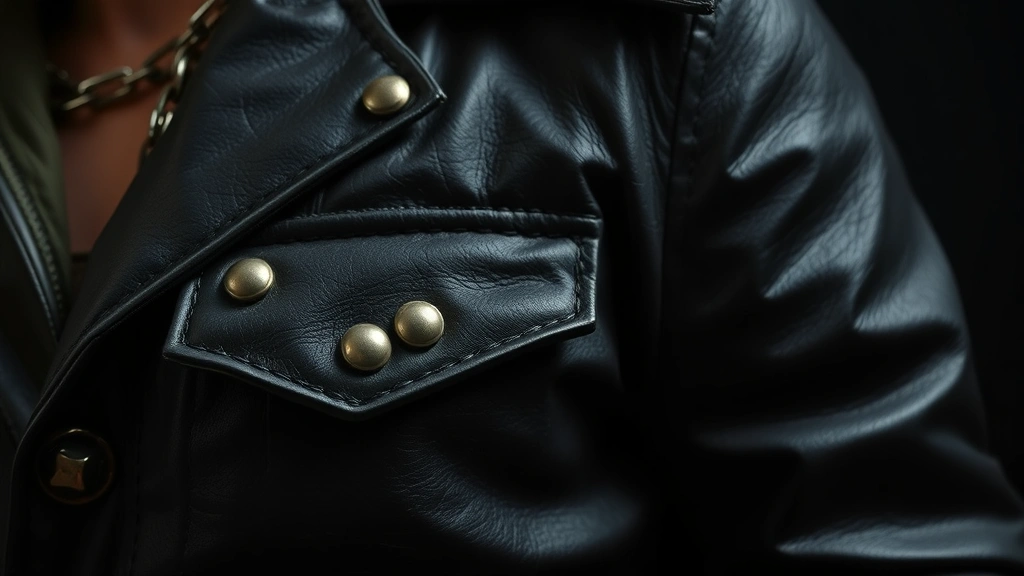
Leather jackets represent the quintessential punk rock fashion piece, embodying rebellion, toughness, and timeless cool. During the 80s, punks sought out vintage leather jackets and customized them with studs, spikes, paint splatters, and band patches. The more worn and distressed the jacket, the better—it told the story of its wearer’s punk journey. This wasn’t about luxury or pristine designer goods; it was about authenticity and attitude. A well-worn leather jacket became a badge of honor within punk communities.
Studs and spikes served both aesthetic and symbolic purposes in 80s punk rock fashion. Applied to jackets, belts, chokers, and even shoes, these metal embellishments created an intimidating visual presence while representing the sharp, aggressive energy of punk music. The application of studs was often DIY—punks would hand-sew or glue them onto garments, creating unique patterns and designs. This hands-on approach to customization meant that no two studded jackets were identical, celebrating individuality within the punk movement.
Statement pieces extended beyond jackets to include bondage-inspired trousers, vests covered in chains, and deliberately ripped and reconstructed clothing. Vivienne Westwood’s designs pioneered many of these elements, introducing seditionaries and other provocative pieces that became iconic within punk fashion. These statement pieces weren’t subtle—they demanded attention and communicated a clear message about the wearer’s values and aesthetic preferences. For those interested in exploring different fashion types and styles, punk represents one of the most visually striking and historically significant movements.
Punk Makeup and Hair Styling
80s punk rock fashion extended far beyond clothing to encompass dramatic makeup and avant-garde hair styling. Punk makeup rejected conventional beauty standards, embracing heavy black eyeliner, pale foundation, and bold lip colors—typically black, bright red, or shocking pink. Eyes were dramatically emphasized with thick liner extending beyond the eye’s natural shape, creating an almost cartoonish quality. This theatrical approach to makeup served as wearable art and a form of self-expression that complemented the overall punk aesthetic.
Hair became a canvas for punk creativity and rebellion. Mohawks—shaved sides with a strip of colored, spiky hair running down the center—became iconic punk symbols. However, punks experimented with numerous other hairstyles including asymmetrical cuts, bleached sections, and gravity-defying spikes achieved with heavy-duty gel or pomade. Hair color represented another avenue for expression, with punks dyeing their hair in neon shades, multiple colors, or stark black and white combinations. The time and effort invested in maintaining these hairstyles demonstrated commitment to the punk lifestyle and aesthetic.
The makeup and hair choices weren’t random—they communicated specific messages about belonging to the punk community and rejecting mainstream beauty standards. For those interested in developing how to find your personal style, the punk movement offers valuable lessons about using appearance as a form of authentic self-expression rather than conforming to external expectations.
Building Your Modern Punk Wardrobe
Creating a contemporary 80s punk rock-inspired wardrobe doesn’t require abandoning modern sensibilities or investing in expensive vintage pieces. Today’s fashion landscape offers numerous ways to channel punk aesthetics while maintaining personal comfort and style preferences. Start with foundational pieces: a quality leather jacket (vintage or new), well-fitting black jeans or leather pants, and basic band or graphic t-shirts. These essentials form the backbone of any punk-inspired outfit and can be styled in countless ways.
Layer your punk looks to add depth and visual interest. Combine a ripped band tee with a mesh or fishnet shirt underneath, add a studded belt, and finish with boots or sneakers. The key is balancing edgy elements with wearable pieces that fit your lifestyle. Modern punk fashion often incorporates contemporary elements—perhaps pairing vintage leather jackets with current-season trousers or mixing punk accessories with minimalist clothing. This fusion approach allows you to honor punk aesthetics while creating looks that feel authentic to your personal style and era.
Accessories provide excellent opportunities to incorporate punk elements without completely transforming your wardrobe. Safety pin brooches, chain necklaces, spiked chokers, and metal-studded bracelets can instantly add punk flair to any outfit. Vintage band t-shirts work beautifully as statement pieces or layering elements. Exploring thrift stores and vintage shops—a practice central to punk culture—can yield authentic pieces while supporting sustainable fashion practices. The StyleLoom Daily Blog offers additional fashion insights for curating personalized style.
Subgenres and Style Variations
80s punk rock fashion wasn’t monolithic—various subgenres and regional interpretations created a rich diversity within the broader punk movement. Hardcore punk, originating from the American underground, emphasized stripped-down aesthetics with minimal makeup, cropped hair, and practical clothing. New Wave punk blended punk’s rebellious spirit with more theatrical and futuristic elements, incorporating synthesizer-influenced fashion with geometric shapes and neon colors. Deathrock and gothic punk incorporated darker aesthetics, heavy makeup, and horror-inspired elements that influenced contemporary goth fashion.
Glam punk represented another significant variation, embracing androgynous presentation, theatrical makeup, and more flamboyant styling. This subgenre celebrated the intersection of punk rebellion with glam rock’s theatrical excess. Riot grrrl emerged later but drew heavily from 80s punk aesthetics, adding feminist ideology and incorporating more colorful, playful elements while maintaining punk’s aggressive energy. Each subgenre maintained core punk values—authenticity, rebellion, and individual expression—while developing distinctive visual languages.
Understanding these variations enriches our appreciation of 80s punk rock fashion’s complexity. Rather than a single monolithic style, punk represented a diverse movement united by shared values and aesthetics. This diversity offers contemporary style enthusiasts numerous entry points for exploring punk influences. Whether you’re drawn to hardcore’s minimalism, new wave’s futurism, or glam punk’s theatricality, authentic punk fashion provides frameworks for expressing your unique aesthetic vision.
Styling Tips from Fashion Experts
Fashion experts and style professionals recognize 80s punk rock fashion as a rich source of inspiration for creating bold, authentic personal style. According to Vogue, punk aesthetics have experienced multiple revivals because the movement’s core values—authenticity, rebellion, and creative self-expression—remain eternally relevant. Experts recommend approaching punk fashion with intentionality, choosing pieces that genuinely resonate with your aesthetic rather than adopting elements superficially. Authenticity remains paramount; punk fashion celebrates genuine self-expression over trend-following.
Professional stylists suggest starting with one or two statement pieces and building around them. A leather jacket can anchor an entire wardrobe, appearing in countless outfit combinations. Rather than purchasing an entire punk wardrobe simultaneously, curate pieces gradually, allowing your style to evolve organically. Mix punk elements with contemporary pieces to create modern interpretations that feel fresh and personal. The goal isn’t recreating 1980s looks exactly but channeling the spirit of punk rebellion through contemporary styling.
Experts emphasize the importance of fit and proportion when styling punk-inspired outfits. While punk celebrates distress and deconstruction, intentional tailoring and fit matter for creating polished looks. Balance oversized leather jackets with fitted bottoms, or pair loose band tees with structured trousers. This approach honors punk’s rebellious spirit while creating visually sophisticated outfits suitable for various settings. For comprehensive complete fashion history timeline context, punk represents a crucial turning point where fashion became explicitly political and personal.
Consider consulting resources from The Fashion Spot, which regularly features articles on punk fashion’s continuing influence on contemporary design. Fashion institutes and design schools continue teaching punk aesthetics because the movement offers valuable lessons about creativity, resourcefulness, and authentic self-expression. Whether you’re a fashion student, style enthusiast, or casual admirer, studying 80s punk rock fashion provides insights applicable to contemporary style challenges.
Professional photographers and stylists often reference punk aesthetics when creating editorial content. The movement’s visual language—high contrast, bold colors, dramatic positioning—translates beautifully to photography and visual storytelling. Understanding these principles helps you create compelling personal style photographs and develop a stronger visual identity. The energy and attitude conveyed through punk fashion transcends specific garments, becoming a mindset about how you present yourself to the world.
FAQ
What are the most essential pieces for creating an 80s punk rock look?
The foundational elements include a leather jacket, black jeans or leather pants, band t-shirts, heavy boots, and metallic accessories like chains and safety pins. These pieces form the basis of authentic punk styling, though you can customize and adapt them to reflect your personal aesthetic preferences.
Can I wear 80s punk rock fashion in professional settings?
Absolutely. Contemporary punk-inspired fashion offers numerous ways to incorporate edgy elements into professional wardrobes. A structured leather jacket paired with tailored trousers and minimal accessories creates a sophisticated punk-influenced look suitable for business environments. The key is balancing rebellion with professionalism through strategic piece selection.
Where can I find authentic vintage punk pieces?
Thrift stores, vintage shops, and online marketplaces like Depop and Vestiaire Collective offer authentic vintage punk pieces. Estate sales and local vintage dealers often carry genuine 80s punk garments. Shopping vintage supports sustainable fashion practices while providing authentic pieces with genuine history and character.
How do I style punk fashion without looking costumey?
Focus on quality pieces and intentional styling rather than accumulating every punk cliché. Choose items that genuinely resonate with your aesthetic, ensure proper fit, and mix punk elements with contemporary pieces. Authenticity—dressing according to your genuine preferences rather than trend-chasing—prevents punk styling from feeling like costume.
Are there gender differences in 80s punk rock fashion?
While certain variations existed, 80s punk rock fashion fundamentally rejected traditional gender norms. Both men and women embraced androgynous styling, heavy makeup, and provocative clothing. Contemporary punk fashion continues celebrating gender-fluid presentation and rejecting restrictive fashion categories.
How can I incorporate punk elements into my existing wardrobe?
Accessories provide excellent entry points—safety pin brooches, chain necklaces, and spiked bracelets instantly add punk flair. Styling basics differently, like tying band tees or layering with mesh, creates punk-influenced looks. A single statement piece like a studded belt or leather jacket can transform an entire outfit’s aesthetic.
What’s the difference between 80s punk and other 80s fashion trends?
While 80s fashion generally embraced bright colors, excess, and conspicuous consumption, punk fashion rejected these mainstream trends. Punk maintained darker color palettes, embraced distress and deconstruction, and prioritized authenticity over designer labels. This fundamental opposition to mainstream 80s aesthetics defined punk’s cultural significance.
How does punk fashion influence contemporary design?
Major fashion designers regularly reference punk aesthetics in collections, incorporating leather, studs, and deconstructed silhouettes inspired by the movement. Punk’s influence extends to streetwear, high fashion, and everything in between. The movement’s emphasis on individual expression and rejection of conventional beauty standards continues shaping how designers approach fashion.