80s Punk Fashion Revival? Expert Insights into the Movement Taking Over Modern Style
The leather jackets, safety pins, and deliberately disheveled aesthetics of 1980s punk fashion are making a powerful comeback in contemporary style culture. What was once dismissed as rebellious teenage angst has evolved into a legitimate fashion movement that major designers and fashion influencers are embracing with renewed enthusiasm. This resurgence isn’t merely nostalgic—it represents a deeper cultural shift where individualism, anti-establishment messaging, and bold self-expression through clothing are becoming increasingly valued in our hyper-connected, algorithm-driven world.
Understanding the nuances of the 80s punk revival requires examining why this particular era’s aesthetic continues to resonate with modern audiences. Fashion experts and trend forecasters are actively discussing how punk’s core philosophy—rejecting conformity and embracing authenticity—aligns perfectly with contemporary values around personal identity and social consciousness. The movement encompasses everything from high-fashion runway interpretations to street-style authenticity, creating a multifaceted trend that appeals to diverse demographics beyond traditional punk subcultures.
The Evolution of 80s Punk Aesthetic in Modern Fashion
The 1980s represented a transformative period for punk fashion, building upon the raw, DIY ethos established in the 1970s while introducing more theatrical, exaggerated elements. Unlike the earlier punk movement’s stripped-down approach, 80s punk embraced excess—bigger hair, bolder colors, more dramatic makeup, and intentionally clashing patterns. This era saw punk evolve from underground rebellion into something with broader cultural visibility, though it maintained its core commitment to challenging conventional beauty standards and fashion norms.
Today’s revival takes inspiration from this 80s interpretation while filtering it through contemporary sensibilities. Modern fashion enthusiasts are rediscovering the intentional chaos of punk styling—the combination of vintage pieces, bold accessories, and attitude-driven presentation. However, the current iteration often incorporates more refined tailoring, sustainable materials, and conscious design choices that reflect modern values. Fashion historians note that this cyclical nature of style trends demonstrates how powerful the punk movement’s foundational principles remain, even as specific aesthetic expressions evolve.
The relationship between 90s fashion trends and contemporary punk revival is particularly interesting, as many designers are blending elements from both eras. This cross-generational approach creates a more nuanced aesthetic that speaks to younger audiences while maintaining respect for punk’s historical significance. The movement has transcended age demographics, with Gen Z embracing punk aesthetics alongside millennials and older generations who lived through the original movement.
Expert analysis from Vogue and other leading fashion publications suggests that the punk revival represents more than superficial trend-chasing. Instead, it reflects genuine cultural shifts toward authenticity and individualism. In an era dominated by influencer culture and carefully curated social media personas, punk’s anti-establishment messaging and emphasis on genuine self-expression offer a refreshing counternarrative. This philosophical alignment ensures the movement’s longevity beyond typical fashion cycle predictions.
Key Designers Leading the Punk Fashion Movement
Contemporary fashion’s punk renaissance has attracted significant attention from both established luxury brands and emerging designers. These creative visionaries are reinterpreting classic punk elements through innovative design approaches, elevating the aesthetic while preserving its rebellious spirit. The result is a sophisticated yet edgy fashion landscape that challenges traditional notions of what punk can represent within high-fashion contexts.
Several designers have become synonymous with modern punk fashion revival. Designers like Vivienne Westwood—who pioneered punk fashion in the 1970s and continues to influence contemporary interpretations—remain central to conversations about authentic punk aesthetics. Her legacy demonstrates how punk fashion can maintain artistic integrity while achieving commercial success and critical acclaim. Contemporary designers building on this foundation include those exploring punk through sustainable practices, subversive tailoring, and conceptual approaches to rebellion through clothing.
The democratization of fashion through social media has enabled emerging designers to build punk-inspired brands that might not have achieved visibility in traditional fashion hierarchies. These designers often emphasize the DIY ethos that defined original punk culture, creating limited-edition pieces, collaborating with artists, and maintaining direct relationships with their audiences. This approach resonates particularly strongly with Gen Z consumers who value transparency, authenticity, and alignment with brand values.
Understanding fashion style guide principles helps consumers navigate the diverse interpretations of punk aesthetic across different designer collections. Some designers emphasize the visual elements—leather, studs, bold prints—while others focus on the philosophical underpinnings of punk’s anti-establishment messaging. This diversity ensures that individuals with varying levels of punk commitment can find expressions that align with their personal style preferences and values.
Luxury fashion houses have also engaged with punk aesthetics, though often with more restraint than street-level interpretations. Harper’s Bazaar has documented how established fashion houses are incorporating punk elements into their collections, creating interesting dialogues between high fashion and street culture. This cross-pollination enriches both spheres, introducing punk sensibilities to audiences who might not traditionally engage with subculture fashion while bringing refinement and technical expertise to punk’s raw energy.

Essential Pieces for Authentic 80s Punk Style
Creating an authentic 80s punk aesthetic requires understanding which pieces form the foundation of the look while recognizing that personal interpretation and individual style matter enormously. Rather than following rigid rules, punk fashion emphasizes intentional choices that communicate something about the wearer’s identity and values. This balance between recognizable elements and personal expression defines successful punk styling.
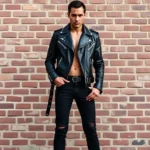
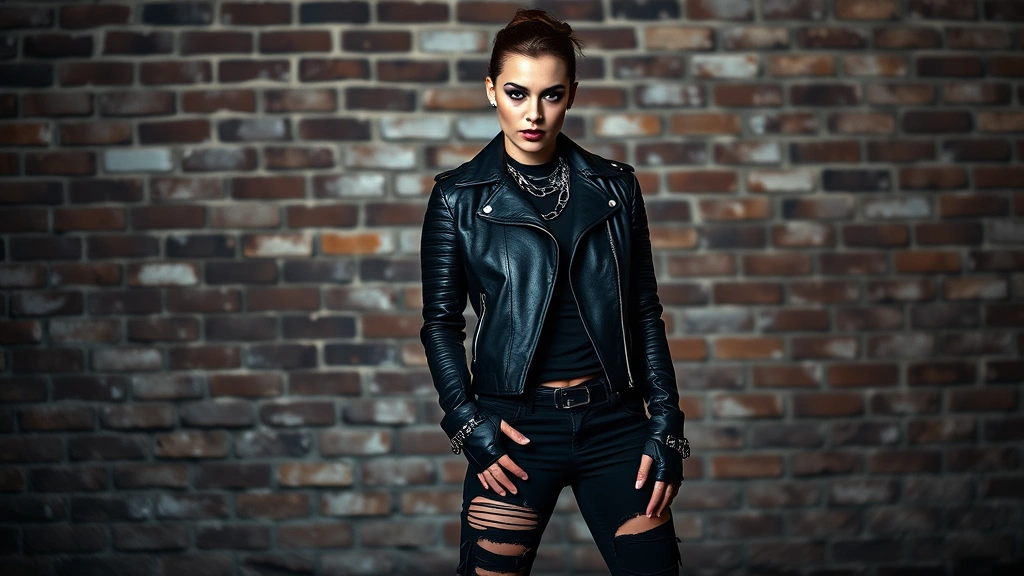
The leather jacket stands as the quintessential punk garment—a symbol of rebellion that transcends decades. Quality matters here; a well-constructed leather jacket in black, burgundy, or metallic finishes serves as the anchor for countless punk-inspired outfits. Beyond basic styling, the jacket becomes a canvas for personalization through patches, pins, chains, and custom alterations that reflect individual interests and affiliations. Vintage options often possess superior quality and authentic character compared to contemporary reproductions.
Denim holds equal importance in punk styling, though the approach differs from mainstream fashion. Ripped, distressed, or strategically torn denim communicates punk’s disregard for pristine presentation. However, contemporary interpretations often feature intentional design rather than random damage, creating a more refined aesthetic. Black denim, in particular, pairs effectively with other punk elements and provides versatility across different styling approaches. The fit typically emphasizes either dramatic bagginess or sharp tightness—both rejecting conventional moderate proportions.
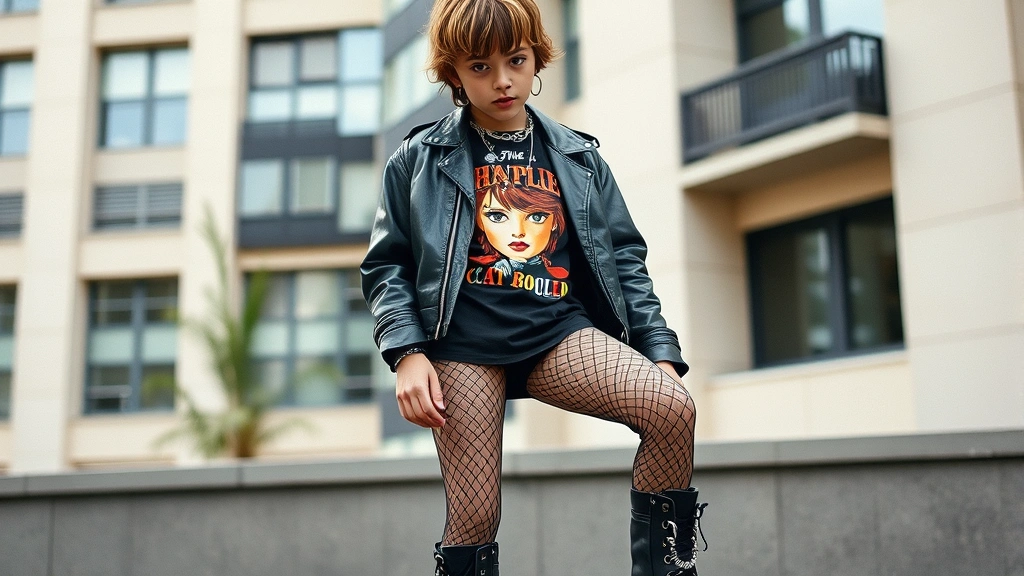
Footwear choices significantly impact punk aesthetic authenticity. Combat boots, Doc Martens, and heavy platform shoes represent the movement’s practical rebellion against delicate, traditionally feminine footwear. These shoes serve functional purposes while making bold visual statements. Their durability aligns with punk’s DIY ethos and working-class origins. Contemporary versions often feature updated materials and construction while maintaining the distinctive silhouettes that define punk footwear.
Accessories elevate punk styling from basic elements to complete aesthetic statements. Safety pins, chains, spikes, studs, and metal hardware transform ordinary pieces into punk-coded garments. Band t-shirts—whether vintage originals or contemporary reproductions—communicate musical allegiances and cultural references. Graphic tees featuring provocative imagery or anti-establishment messaging add conceptual depth beyond visual impact. Layering multiple accessories creates the intentional chaos characteristic of punk presentation.
Exploring how to find your personal style becomes particularly relevant when developing punk-influenced aesthetics. Rather than adopting punk wholesale, individuals benefit from identifying which elements resonate with their values and aesthetic preferences. Some might emphasize the visual rebellion through dramatic styling while others focus on the philosophical aspects through subtler nods to punk culture. This personalization ensures authenticity and sustained commitment to the aesthetic.
How to Incorporate Punk Elements Into Contemporary Wardrobes
Successfully integrating 80s punk fashion into modern wardrobes requires thoughtful consideration of lifestyle, professional contexts, and personal comfort levels. The beauty of contemporary punk revival lies in its flexibility—individuals can embrace full-immersion styling or incorporate subtle elements depending on their circumstances and preferences. This spectrum of engagement democratizes punk fashion, making it accessible beyond dedicated subculture participants.
For professional environments, strategic punk elements add personality without compromising workplace appropriateness. A tailored blazer with subtle punk-inspired detailing, punk-coded accessories, or band-inspired jewelry allows individuals to express punk identity within conventional dress codes. This approach demonstrates that rebellion and professionalism aren’t mutually exclusive—a concept that challenges traditional assumptions about punk’s incompatibility with mainstream society.
Casual contexts provide opportunities for more dramatic punk expression. Pairing vintage band t-shirts with tailored pieces creates interesting contrasts that define contemporary punk aesthetic. Leather jackets worn over unexpected garments—like floral dresses or preppy blouses—create the juxtaposition that punk styling celebrates. This mixing of seemingly incompatible elements reflects punk’s philosophical commitment to challenging conventional categories and expectations.
Footwear choices offer accessible entry points for punk-curious individuals. Combat boots or Doc Martens paired with everyday outfits introduce punk silhouettes without requiring wholesale wardrobe transformation. These shoes work across diverse styling contexts while maintaining their punk associations. Over time, as individuals develop confidence in punk aesthetics, additional elements naturally integrate into personal style expression.
Accessories provide another low-commitment pathway into punk styling. Chains, safety pins, studded belts, and dramatic jewelry communicate punk identity without requiring expensive pieces or significant wardrobe investment. These elements work with existing clothing, allowing gradual aesthetic evolution. Starting with accessories builds confidence and clarifies which punk elements genuinely resonate with individual style preferences.
The Style Loom Daily Blog provides ongoing inspiration for contemporary styling approaches that honor punk traditions while remaining practical for modern lifestyles. Regular engagement with fashion content helps individuals stay informed about emerging trends and creative interpretations of established aesthetics. This continuous learning supports authentic style development rather than superficial trend-following.
The Cultural Impact of Punk Fashion Resurgence
The resurgence of 80s punk fashion extends far beyond aesthetic preferences—it represents significant cultural commentary about contemporary society and values. Fashion serves as a visible language through which individuals and communities communicate beliefs, affiliations, and identities. Punk’s return signals widespread desire for authentic self-expression and resistance to homogenizing cultural forces.
In social contexts marked by increasing surveillance, data collection, and behavioral algorithmic prediction, punk’s emphasis on individualism and anti-conformity offers psychological and philosophical resistance. Wearing punk-coded clothing becomes a form of subtle rebellion against systems designed to categorize, predict, and monetize human behavior. This contemporary resonance explains why punk aesthetics appeal to younger generations who’ve never experienced the original movement but understand its core values intuitively.
The fashion industry’s embrace of punk signals broader shifts in what constitutes acceptable or desirable aesthetics. Traditional beauty standards emphasizing polish, perfection, and conventional attractiveness face increasing challenges from diverse style movements celebrating uniqueness, intentional imperfection, and individual interpretation. Punk’s return legitimizes alternative approaches to beauty and fashion that previous generations felt compelled to hide or minimize.
Consulting Fashion United and similar fashion industry resources reveals how punk’s influence extends across retail, design, and marketing sectors. Brands recognize that punk-coded aesthetics attract consumers seeking authenticity and differentiation. This commercial interest creates interesting tensions within punk culture—traditionally anti-capitalist philosophies now driving luxury brand marketing and premium-priced garments.
The Complete Fashion History Timeline provides context for understanding punk’s place within broader fashion evolution. Rather than isolated phenomena, fashion movements represent responses to specific cultural moments and societal conditions. The 1980s punk revival emerged during economic uncertainty and social fragmentation; contemporary punk’s return reflects similar anxieties about authenticity, identity, and belonging in increasingly digital, fragmented societies.
Sustainability and Ethical Considerations in Punk Fashion
Contemporary punk fashion’s revival intersects meaningfully with sustainability and ethical consumption movements. The original punk ethos emphasized resourcefulness, thrift, and rejecting wasteful consumer culture—values that align naturally with modern sustainability concerns. However, commercialization of punk aesthetics creates tensions between these philosophical commitments and contemporary fashion industry practices.
Vintage and secondhand shopping represents the most authentically punk approach to acquiring pieces while addressing sustainability concerns. Thrift stores, vintage markets, and online resale platforms provide access to genuine 80s punk pieces while extending garment lifecycles and reducing environmental impact. This approach maintains punk’s DIY ethos while supporting circular economy principles increasingly important to conscious consumers.
For contemporary pieces, supporting independent designers and small brands often ensures greater transparency regarding production practices, material sourcing, and labor conditions. These designers frequently prioritize quality, durability, and ethical manufacturing—values that align with punk’s anti-establishment positioning and sustainability principles. Paying premium prices for ethically produced pieces contradicts fast-fashion consumption patterns that undermine punk’s philosophical foundations.
The tension between punk’s anti-capitalist origins and contemporary fashion commercialization deserves acknowledgment. Luxury brands marketing “punk-inspired” collections at premium prices represent the commodification of rebellion—a phenomenon punk philosophy explicitly rejects. However, individuals can navigate this complexity by making conscious choices about where they source pieces, supporting creators whose values align with punk principles, and maintaining critical awareness of how commercialism co-opts subversive aesthetics.
Material choices increasingly matter within sustainable fashion contexts. Natural fibers, recycled materials, and innovative eco-friendly alternatives reduce environmental impact while maintaining punk aesthetic appeal. Some contemporary designers specifically focus on punk-styled pieces created from sustainable materials, demonstrating that rebellious aesthetics and environmental responsibility aren’t contradictory. This alignment strengthens punk’s contemporary relevance by connecting visual rebellion with philosophical commitment to sustainability.
Educational resources about fashion sustainability, ethical production, and conscious consumption support individuals in making decisions aligned with punk values. Understanding the environmental and social costs of fashion enables more intentional choices that reflect punk’s commitment to questioning systems and resisting harmful practices. This informed approach transforms punk fashion from superficial aesthetic into meaningful philosophical stance.
FAQ
Is 80s punk fashion actually returning, or is this just a temporary trend?
Fashion cycles naturally return to previous aesthetics, but the current punk revival shows genuine staying power. Fashion experts and trend forecasters indicate that punk’s philosophical alignment with contemporary values around authenticity and individualism supports sustained interest. Rather than disappearing, punk fashion will likely evolve and integrate into mainstream aesthetics permanently, similar to how previous subcultures have influenced fashion history.
Can I wear 80s punk fashion in professional settings?
Absolutely. Contemporary punk-influenced styling offers flexibility for various contexts. Subtle punk elements—tailored pieces with punk-inspired detailing, punk-coded accessories, or refined leather jackets—work within professional dress codes. The key involves intentional selection of which elements to emphasize based on your specific workplace culture and comfort level.
Where can I find authentic 80s punk pieces versus contemporary reproductions?
Vintage and secondhand markets offer authentic original pieces, though these require patience and budget flexibility. Contemporary designers create new pieces inspired by 80s punk, offering accessibility and modern construction while potentially lacking the character of genuine vintage items. Consider both options based on your priorities regarding authenticity, sustainability, and budget.
How do I develop punk style without looking like I’m wearing a costume?
Authenticity comes from understanding punk’s philosophical foundations and selecting elements that genuinely resonate with your values and aesthetic preferences. Rather than adopting the entire look wholesale, integrate pieces gradually and wear them confidently. Personal interpretation and genuine connection to punk principles create authentic style rather than costume-like appearances.
What’s the difference between 80s punk and other punk eras?
1970s punk emphasized minimalism and DIY rawness, while 80s punk incorporated more theatrical elements, bold colors, and exaggerated styling. Contemporary revivals often blend elements from both eras while adding modern sensibilities. Understanding these distinctions helps individuals choose punk interpretations that align with their aesthetic preferences.
Can punk fashion be sustainable and ethical?
Yes, and arguably should be. Punk’s original anti-establishment ethos aligns naturally with sustainability and ethical consumption principles. Vintage shopping, supporting ethical contemporary designers, and making conscious material choices honor punk values while addressing environmental and social concerns. This approach transforms punk fashion from superficial trend into meaningful philosophical stance.