Revive 80s Preppy Style? Designer Insights and Modern Fashion Direction
The 1980s preppy aesthetic has made an undeniable comeback in contemporary fashion, captivating designers, influencers, and style enthusiasts worldwide. This iconic era, characterized by polo shirts, cable-knit sweaters, pleated skirts, and loafers, represents a distinct cultural moment when prep school aesthetics transcended their original context to become a mainstream fashion phenomenon. Today’s designers are reimagining these classic elements with modern sensibilities, creating a fresh interpretation that honors the past while pushing toward the future.
What makes 80s preppy fashion particularly compelling for today’s fashion landscape is its inherent duality: it simultaneously celebrates tradition and rebellion, elegance and accessibility, minimalism and maximalism. The resurgence isn’t merely nostalgic; it’s a deliberate curation of silhouettes, color palettes, and styling principles that translate remarkably well to contemporary wardrobes. From luxury fashion houses to high street retailers, the influence of preppy aesthetics permeates current collections, proving that some style codes are genuinely timeless.
Understanding how to authentically revive 80s preppy style requires insight into what made it iconic, how designers are reinterpreting it today, and which elements work best for modern lifestyles. This comprehensive guide explores the intersection of nostalgia and innovation, offering practical guidance for anyone interested in incorporating this aesthetic into their personal style narrative.
Understanding the 80s Preppy Aesthetic Foundation
The preppy movement of the 1980s emerged from a deeply rooted American tradition spanning generations. Its roots trace back to Ivy League universities and exclusive country clubs where a specific dress code became synonymous with privilege, education, and refined taste. However, the 1980s iteration transformed this exclusive aesthetic into something more democratized and exaggerated, infusing it with the decade’s characteristic excess and boldness.
The fundamental DNA of 80s preppy fashion consists of several core elements: structured silhouettes, high-quality natural fabrics, coordinated color schemes, and an almost mathematical approach to pattern mixing. Think crisp cotton button-ups layered beneath sweaters, tailored blazers with structured shoulders, and coordinated accessories that demonstrate intentional styling choices rather than haphazard combinations.
What distinguished 1980s preppy from its predecessors was an embrace of vibrant colors and bold patterns. Where earlier preppy fashion favored muted neutrals and subtle details, the 1980s version incorporated hot pinks, electric blues, neon accents, and geometric patterns that would have been considered gauche in earlier decades. This evolution reflected broader cultural shifts toward maximalism and self-expression, even within traditionally conservative aesthetic frameworks.
The appeal of preppy style lay partly in its accessibility as a code. Individuals could signal cultural sophistication, educational achievement, and social status through specific clothing choices and styling conventions. This democratization of prep aesthetics through mass-market retailers made it aspirational yet achievable, which explains its explosive popularity across demographic boundaries during the 1980s.
Designer Perspectives on Modern Preppy Revival
Contemporary fashion designers are approaching 80s preppy fashion with sophisticated reinterpretation rather than direct replication. Vogue consistently features preppy-inspired collections from luxury houses that understand the aesthetic’s cultural currency while recognizing the need for modernization. Designers like Ralph Lauren have continuously evolved their interpretation of preppy, maintaining brand heritage while incorporating contemporary fabrications, sustainable practices, and inclusive sizing.
Leading fashion voices emphasize that successful preppy revival requires understanding the philosophy underlying the aesthetic rather than simply recreating specific pieces. Business of Fashion reports that contemporary designers focus on tailoring precision, fabric quality, and subtle detail work that elevates preppy basics into investment pieces worthy of modern wardrobes. This approach respects the original aesthetic while acknowledging that contemporary consumers demand versatility, comfort, and sustainability.
Many designers highlight the intersection between 80s neon fashion elements and preppy fundamentals as particularly fertile creative ground. By combining the vibrancy and boldness of 1980s color theory with classic preppy silhouettes, designers create pieces that feel both nostalgic and innovative. This hybrid approach appeals to fashion-forward consumers seeking distinctive style that transcends simple trend-chasing.
The luxury market’s engagement with preppy aesthetics signals its serious fashion credentials. When heritage brands like Burberry, Coach, and Hermès incorporate preppy elements into their collections, they’re validating the aesthetic as sophisticated rather than merely nostalgic. These designer perspectives suggest that preppy revival isn’t a fleeting trend but rather a sustained recognition of timeless style principles that remain relevant across decades.
Key Wardrobe Essentials for Authentic Preppy Style
Building an authentic 80s preppy wardrobe requires investing in foundational pieces that form the backbone of the aesthetic. Understanding which items constitute genuine essentials versus trendy accessories helps create cohesive, timeless looks that remain relevant beyond seasonal shifts.
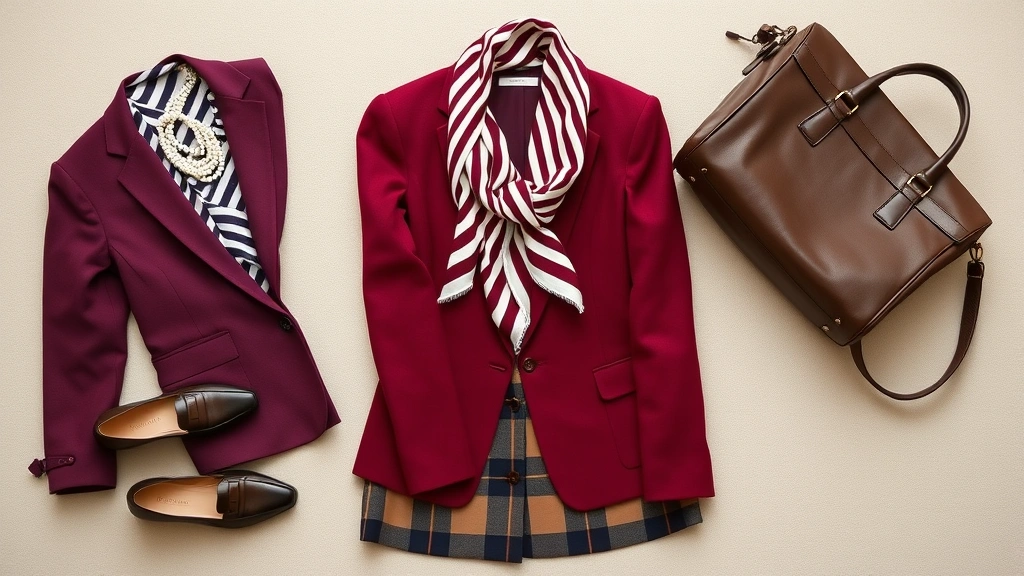
Structured Blazers and Sports Coats: The tailored blazer represents perhaps the most essential preppy foundation piece. Look for structured shoulders, precise tailoring through the waist, and quality fabrications like wool blends or cotton. Classic colors include navy, camel, and burgundy, though 80s iterations embrace bolder options like hot pink or electric blue. Layer blazers over simple tees, collared shirts, or sweaters for versatile styling options.
Crisp Collared Shirts: Oxford cloth button-ups in white, pale blue, or striped patterns form the preppy uniform’s cornerstone. Quality matters significantly here; higher thread counts and natural fiber blends create the structured appearance essential to the aesthetic. These shirts work equally well worn alone, layered under sweaters, or tied at the waist for a more contemporary silhouette.
Cable-Knit and Wool Sweaters: Chunky cable-knit sweaters epitomize cozy preppy elegance. Opt for cream, navy, or jewel tones that coordinate with your color palette. Oversized fit adds contemporary sensibility while maintaining the aesthetic’s essential character. Layer these over collared shirts for maximum preppy impact, allowing collar and cuffs to peek through.
Pleated and A-Line Skirts: Midi and knee-length pleated skirts capture the feminine preppy silhouette. Wool blends hold structure better than lighter fabrics, and classic colors like navy, plaid, or cream ensure versatility. The A-line shape flatters various body types while maintaining the aesthetic’s essential proportions and movement.
Tailored Trousers: Crisp, well-fitted trousers in neutral colors provide essential balance to preppy styling. Look for high-waisted cuts with precise creases that suggest intentional grooming and attention to detail. Chinos in cream, khaki, and navy offer slightly more relaxed preppy options suitable for casual settings.
Classic Loafers and Oxfords: Footwear completes the preppy narrative. Quality leather loafers in brown or black, penny loafers in burgundy, and crisp white or saddle-colored oxford shoes all work beautifully. Invest in comfortable, well-constructed options that age gracefully and develop character over time.
Color Palettes and Patterns That Define the Era
The color theory underlying 80s preppy fashion distinguishes it from other retro aesthetics and guides contemporary revivals. Understanding these chromatic principles helps create cohesive looks that feel authentically preppy rather than costume-like.
Classic Preppy Neutrals: Navy, cream, white, camel, and burgundy form the neutral foundation of preppy style. These colors coordinate seamlessly and suggest traditional elegance and timelessness. Using these as your base allows for more adventurous accent colors and pattern combinations without appearing chaotic.
80s Preppy Brights: The decade’s distinctive contribution to preppy aesthetics involved introducing vibrant accent colors: hot pink, electric blue, lime green, and sunny yellow. These colors appear as accessories, pattern elements, or coordinated pieces that add energy while maintaining the aesthetic’s refined character. A hot pink blazer over a white shirt epitomizes this era’s distinctive approach.
Plaid and Check Patterns: Tartan plaids, gingham checks, and madras prints represent quintessential preppy pattern vocabulary. These geometric patterns mix beautifully when color-coordinated thoughtfully. Mixing plaid with stripes or combining multiple check scales creates visual interest while remaining within preppy aesthetic boundaries. Finding your personal style often involves understanding how to confidently mix patterns within cohesive color families.
Stripes and Horizontal Lines: Nautical-inspired stripes, particularly in navy and white, and horizontal striping patterns throughout garments create dynamic visual interest. These patterns work beautifully in sweaters, shirts, and even accessories, adding movement and dimension to preppy outfits.
Polka Dots and Geometric Prints: While less dominant than plaids, polka dots and geometric patterns appear throughout 80s preppy fashion in scarves, blouses, and coordinating pieces. These patterns typically appear in color combinations that tie back to your core palette.
The strategic use of color and pattern distinguishes sophisticated preppy styling from amateur attempts. Successful contemporary revivals maintain restraint even while embracing boldness, ensuring that multiple pattern combinations remain visually cohesive rather than chaotic.
Styling Strategies for Contemporary Settings
Translating 80s preppy fashion into modern contexts requires strategic adaptation that honors aesthetic principles while acknowledging contemporary lifestyle needs and social expectations. Different settings demand different styling approaches.
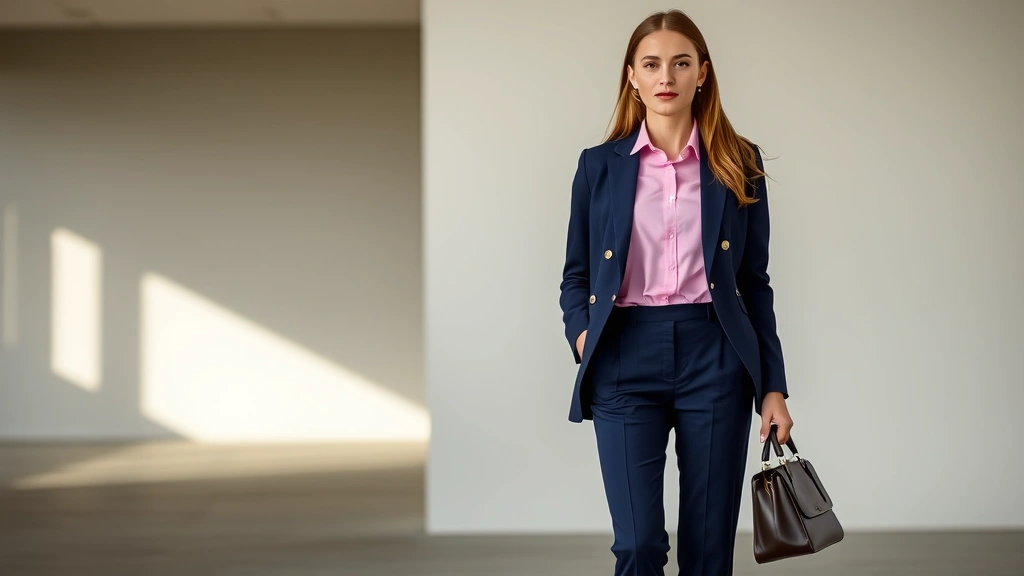
Professional Preppy: In workplace settings, embrace classic preppy foundations while emphasizing tailoring and quality. A structured blazer with precise fit, paired with tailored trousers and a crisp collared shirt, creates polished professionalism. Add preppy accessories like silk scarves or vintage brooches for personality without sacrificing workplace appropriateness. Avoid the most vibrant neon iterations in favor of sophisticated color combinations that convey authority and refinement.
Casual Preppy: Weekend styling allows more playfulness with 80s preppy elements. Oversized sweaters paired with tailored trousers or midi skirts, chunky loafers, and layered jewelry create approachable sophistication. This setting permits bolder color combinations and more obvious pattern mixing while maintaining the aesthetic’s essential character.
Athletic Preppy: The intersection of preppy and athletic wear offers contemporary relevance. Structured blazers over vintage sports-inspired pieces, polo shirts, and coordinated accessories blend nostalgia with modern casualness. This approach appeals particularly to younger audiences seeking preppy elements without the aesthetic feeling costume-like or dated.
Evening Preppy: Formal occasions benefit from preppy-inspired tailoring and coordinated sophistication. A structured blazer in jewel tones over a silk camisole, paired with tailored trousers or a midi skirt, creates elevated elegance. Vintage brooches, pearl jewelry, and quality leather accessories complete the look with refined luxury.
Successful contemporary preppy styling requires confidence in mixing elements from different eras and contexts. The aesthetic’s fundamental strength lies in its flexibility and ability to adapt across occasions while maintaining distinctive visual character. 90s fashion offers interesting contrast points, demonstrating how different eras approached similar foundational pieces with distinct philosophies.
Accessorizing Like a Preppy Fashion Icon
Accessories represent where 80s preppy fashion truly distinguishes itself through intentional curation and coordinated sophistication. The aesthetic’s approach to accessories reflects its underlying philosophy: nothing appears accidental, and every element serves the cohesive narrative.
Jewelry and Layering: Preppy jewelry emphasizes quality gold or silver pieces with classic designs. Pearl necklaces, delicate chains, and structured brooches create elegant layering opportunities. The 1980s iteration often featured bolder statement pieces, chunky gold chains, and coordinated jewelry sets that conveyed intentional styling. Contemporary approaches blend these sensibilities, opting for quality basics with selective statement pieces.
Silk Scarves and Neck Pieces: Silk scarves in coordinating prints or solid colors tied at the neck, worn as headbands, or incorporated into hair represent quintessential preppy accessories. These pieces add personality and sophistication while covering basics. Vintage designer scarves from luxury houses elevate everyday outfits into curated looks.
Belts and Waist Definition: Structured belts in leather or fabric help define silhouettes and add visual interest. Preppy styling often incorporates belts prominently, whether worn at the natural waist, hips, or as statement pieces. Quality leather belts in cognac, navy, or white coordinate with multiple outfits and develop beautiful patina over time.
Bags and Carry Pieces: Structured handbags, particularly in leather with hardware details, represent essential preppy accessories. Look for classic shapes like structured totes, structured satchels, or small crossbody bags in neutral colors. Quality matters significantly as these pieces anchor outfits and require durability across seasons. Vintage designer bags add authenticity and sustainability to preppy styling.
Hosiery and Legwear: The 1980s preppy aesthetic embraced visible hosiery as styling element rather than purely functional undergarment. Knee-high socks in coordinating colors or patterns, opaque tights, and leg warmers added visual interest while serving practical purposes. Contemporary approaches typically favor more subtle legwear, though colorful socks or interesting textures remain acceptable styling choices.
Hair Accessories: Headbands, hair clips, and decorative barrettes represent distinctly preppy accessories that signal intentional styling. The 1980s favored larger, bolder hair accessories in coordinating colors or patterns. Modern interpretations favor more subtle options while maintaining the aesthetic’s essential character of polished grooming.
Sustainability and Vintage Preppy Fashion
An often-overlooked dimension of 80s preppy fashion revival involves sustainability and the environmental benefits of embracing vintage and secondhand pieces. The aesthetic’s emphasis on quality, timelessness, and investment pieces aligns beautifully with contemporary sustainability values.
Vintage preppy pieces offer numerous advantages: authentic 1980s construction quality often exceeds contemporary mass-market options, vintage items carry distinctive character and patina that new pieces cannot replicate, and secondhand shopping reduces environmental impact while supporting circular fashion economy principles. Thrift stores, vintage boutiques, and online platforms specializing in vintage fashion provide access to genuine preppy pieces at various price points.
The types of fashion that emphasize quality and longevity align naturally with sustainable consumption practices. Preppy aesthetics, with their focus on investment pieces and timeless silhouettes, encourage purchasing fewer, higher-quality items that remain relevant across years and decades. This philosophical alignment between the aesthetic and sustainability values creates genuine authenticity in contemporary revivals.
When sourcing vintage preppy pieces, focus on condition, fit, and authentic construction details. Quality wool sweaters, well-made blazers, and classic accessories from heritage brands represent excellent investment pieces. Mixing vintage finds with contemporary pieces creates distinctive personal style while honoring both nostalgia and modern values.
Contemporary designers increasingly incorporate sustainable practices into their preppy-inspired collections, recognizing that consumers seeking nostalgic aesthetics often value longevity and environmental responsibility. This evolution positions preppy revival as aligned with contemporary fashion consciousness rather than purely escapist nostalgia.
Understanding fashion history provides context for how different aesthetics emerge, evolve, and resurge across decades. Preppy fashion’s repeated cycles of popularity suggest its fundamental appeal transcends temporary trends, rooting itself in something more enduring about style, identity, and cultural values.
FAQ
What defines authentic 80s preppy fashion?
Authentic 80s preppy fashion combines structured tailoring, quality natural fabrics, coordinated color palettes, and intentional pattern mixing. Key elements include blazers, collared shirts, sweaters, pleated skirts, and classic loafers. The distinctive 80s contribution involved introducing vibrant accent colors and bolder patterns while maintaining the aesthetic’s refined character.
How can I incorporate 80s preppy style without looking costume-like?
Focus on quality foundational pieces in classic colors, then add personality through accessories and subtle pattern mixing. Avoid wearing entire outfits directly from the 1980s; instead, blend vintage or vintage-inspired pieces with contemporary basics. Choose one or two statement elements per outfit rather than going full retro. Emphasize tailoring and fit above all else.
Which designers currently offer preppy-inspired collections?
Ralph Lauren maintains the most consistent preppy aesthetic, while Burberry, Coach, Hermès, and Tommy Hilfiger incorporate preppy elements into contemporary collections. Emerging designers also explore preppy revival, offering fresh interpretations. Vogue and Harper’s Bazaar regularly feature contemporary preppy-inspired pieces from various designers.
How do I find authentic vintage 80s preppy pieces?
Search thrift stores, vintage boutiques, and online platforms specializing in vintage fashion. Look for quality construction, natural fabrics, and pieces from heritage brands. Authentic vintage pieces often feature superior construction compared to contemporary reproductions. Check condition carefully and ensure sizing works for your body before purchasing.
Can preppy style work for different body types?
Absolutely. Preppy style’s emphasis on tailoring and structured silhouettes works beautifully across diverse body types when appropriately fitted. The key involves finding pieces in your correct size and proportions rather than forcing yourself into vintage sizing. Contemporary preppy-inspired pieces often offer more inclusive sizing than vintage options.
What’s the difference between preppy and other 80s aesthetics?
Preppy fashion emphasizes structured tailoring, quality fabrics, and coordinated sophistication, while other 80s aesthetics like power dressing focused on exaggerated shoulders and bold silhouettes, and new wave embraced eclectic, avant-garde combinations. Preppy maintains refined elegance even when incorporating bold colors, whereas other aesthetics prioritized dramatic impact over cohesion.