How to Rock 80s Men Fashion: Expert Advice
The 1980s remain one of the most iconic decades for men’s fashion, a period when bold self-expression, vibrant colors, and unapologetic confidence defined personal style. From power suits with exaggerated shoulders to neon windbreakers and statement accessories, 80s men fashion represented a cultural shift toward maximalism and individualism. Today, this nostalgic era is experiencing a remarkable resurgence, with contemporary designers and style influencers reinterpreting classic 80s elements for modern wardrobes. Whether you’re drawn to the decade’s audacious aesthetic or simply curious about incorporating retro elements into your current look, understanding the fundamentals of 80s men fashion is essential.
The beauty of 80s style lies in its fearless approach to fashion. It wasn’t about blending in—it was about standing out, making statements, and embracing excess with purpose. The decade produced some of the most memorable fashion moments in history, from Miami Vice’s pastel linen suits to the athletic-inspired streetwear that dominated urban centers. This comprehensive guide will walk you through the essential components of authentic 80s men fashion, providing expert insights on how to incorporate these timeless elements into your wardrobe without appearing like you’re attending a costume party. You’ll discover how to balance retro pieces with contemporary styling, ensuring your 80s-inspired looks feel fresh and intentional.
Understanding the 80s Fashion Movement
The 1980s represented a pivotal moment in fashion history, marking a departure from the minimalist aesthetics of the previous decade. According to fashion history experts, this era was characterized by economic prosperity, technological innovation, and a cultural embrace of excess. The rise of MTV, the popularity of aerobics and fitness culture, and the emergence of hip-hop as a dominant musical force all contributed to the distinctive style landscape of the 80s.
For men specifically, 80s fashion was about reclaiming self-expression through clothing. The traditional, conservative dress codes that had dominated previous decades were challenged and reimagined. Men began experimenting with brighter colors, bolder patterns, and more fitted silhouettes. The influence of various subcultures—from New Wave and punk to hip-hop and glam metal—created a diverse fashion ecosystem where multiple styles could coexist and thrive. This democratization of style meant that men from different backgrounds and social circles could adopt 80s fashion in ways that felt authentic to their individual identities.
Understanding the cultural context is crucial when embracing 80s men fashion today. It’s not simply about recreating outfits from old photographs; it’s about capturing the spirit of confidence and experimentation that defined the decade. The most successful modern interpretations of 80s style maintain this sense of boldness while adapting elements to contemporary sensibilities.
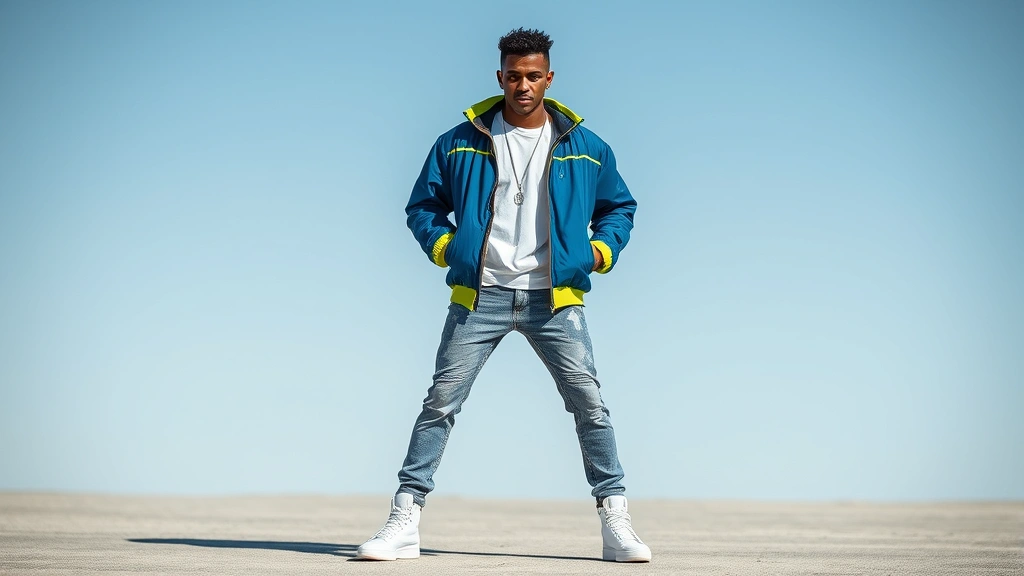
Essential 80s Men Fashion Pieces
The foundation of any authentic 80s wardrobe begins with understanding the key garments that defined the era. The power suit became synonymous with 80s masculinity, particularly the version popularized by Wall Street culture and business professionals. These suits featured notably broad shoulders, often enhanced with shoulder pads that created a dramatic silhouette. The jackets typically had a longer cut, and the overall fit was more structured and imposing compared to modern tailoring standards.
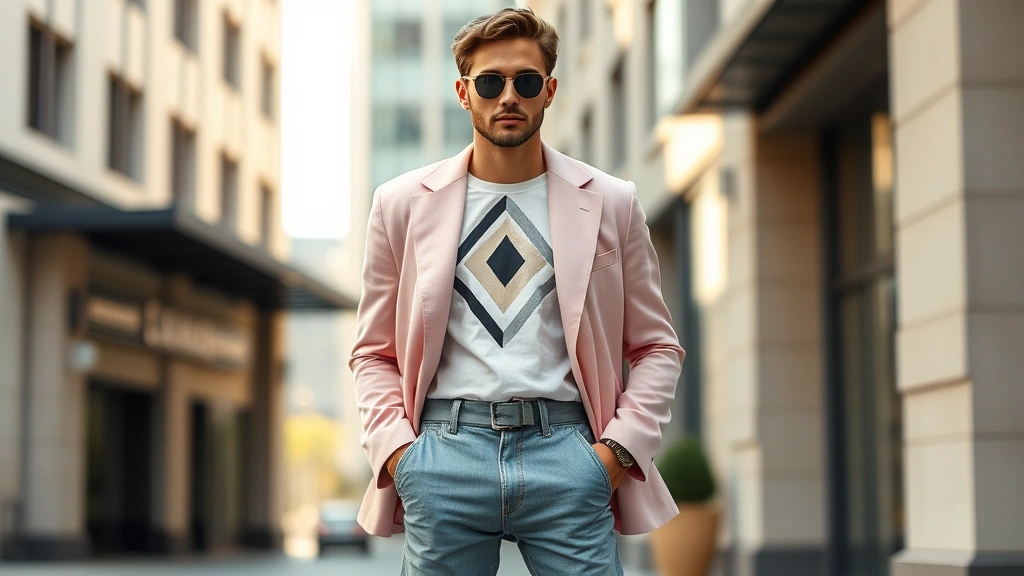
Blazers and Sport Coats: Beyond formal power suits, oversized blazers in unexpected colors—pastels, jewel tones, and even metallic shades—became staple pieces. Men wore these blazers with t-shirts, creating a casual yet impactful look. The key characteristic was the exaggerated shoulder construction that created an almost architectural quality to the garment.
T-Shirts and Graphic Tees: The 80s elevated the simple t-shirt to a statement piece. Graphic tees featuring band logos, neon designs, geometric patterns, and bold typography were worn as standalone pieces or layered under blazers. This was the era when what you wore on your chest communicated your musical taste, cultural affiliations, and personality.
Denim: Denim in the 80s was characterized by a tapered leg, often with a high waist and a pronounced wash. Acid-washed, stone-washed, and distressed denim became ubiquitous. Men also embraced denim jackets, often worn oversized and decorated with pins, patches, and studs. Denim-on-denim looks, while considered risky today, were actually common in 80s styling.
Tracksuits: The influence of athletics and fitness culture meant that tracksuits became acceptable casual wear. These coordinated sets, often in bright colors or with bold stripes, represented the active lifestyle aspirations of the decade. Velour tracksuits and those with metallic finishes were particularly popular among fashion-forward individuals.
Leather Jackets: The classic motorcycle leather jacket remained relevant but was often styled in new ways. Some men opted for colored leather in red, white, or even pastels. The jacket was frequently oversized and worn as a statement piece over casual clothing.
Color Palettes and Patterns
If there’s one defining characteristic of 80s men fashion, it’s the fearless approach to color. The decade rejected the neutral, muted tones that had dominated previous eras in favor of vibrant, sometimes clashing color combinations. Vogue’s trend analysis regularly notes how 80s color theory continues to influence contemporary design.
Neon and Bright Colors: Neon pink, electric blue, lime green, and hot orange appeared across all categories of clothing. These weren’t subtle accents but rather bold statements made through primary garments. Men wore neon windbreakers, neon socks, neon sunglasses, and neon accessories without irony—it was simply the language of 80s style.
Pastels: In stark contrast to neon, pastel colors—soft pinks, mint greens, powder blues, and lavenders—created a softer aesthetic, particularly popular in Miami Vice-inspired styling. The juxtaposition of pastel suits with darker accessories created sophisticated yet distinctly 80s looks.
Jewel Tones: Deep purples, teals, emerald greens, and sapphire blues provided a rich alternative to both neon and pastels. These colors appeared in suits, shirts, and accessories, often combined with metallic accents.
Pattern Combinations: The 80s embraced pattern mixing in ways that would make modern minimalists uncomfortable. Geometric patterns, stripes, polka dots, and abstract designs were combined with apparent disregard for traditional color coordination rules. Horizontal stripes might be paired with vertical stripes; plaid might meet geometric prints. The key was confidence in the combination.
Metallics: Silver, gold, and chrome finishes appeared in fabrics, accessories, and even footwear. Metallic windbreakers, shiny shirts, and chrome-effect accessories were markers of cutting-edge 80s style.
Footwear That Defined the Decade
Shoes in the 80s were as important as any other garment, with several silhouettes achieving iconic status. Understanding footwear is essential when learning how to rock authentic 80s men fashion.
Sneakers and Athletic Shoes: The 80s witnessed an explosion in sneaker culture, with brands like Nike, Adidas, and Reebok releasing increasingly bold designs. High-top sneakers, often in bright colors or with reflective elements, became status symbols. The Air Jordan line revolutionized sneaker design and cultural significance. Men wore these athletic shoes not just for sports but as everyday casual wear, legitimizing the sneaker as a versatile fashion item.
Loafers and Boat Shoes: For more polished casual looks, loafers—particularly in leather or suede—were popular. Worn often without socks, they represented a preppy influence that permeated 80s fashion. Boat shoes and deck shoes served similar functions, frequently appearing in pastel colorways.
Boots: Cowboy boots experienced a resurgence, while combat boots and motorcycle boots also appeared in various styling contexts. Chelsea boots in unexpected colors provided another option for men seeking structured footwear with personality.
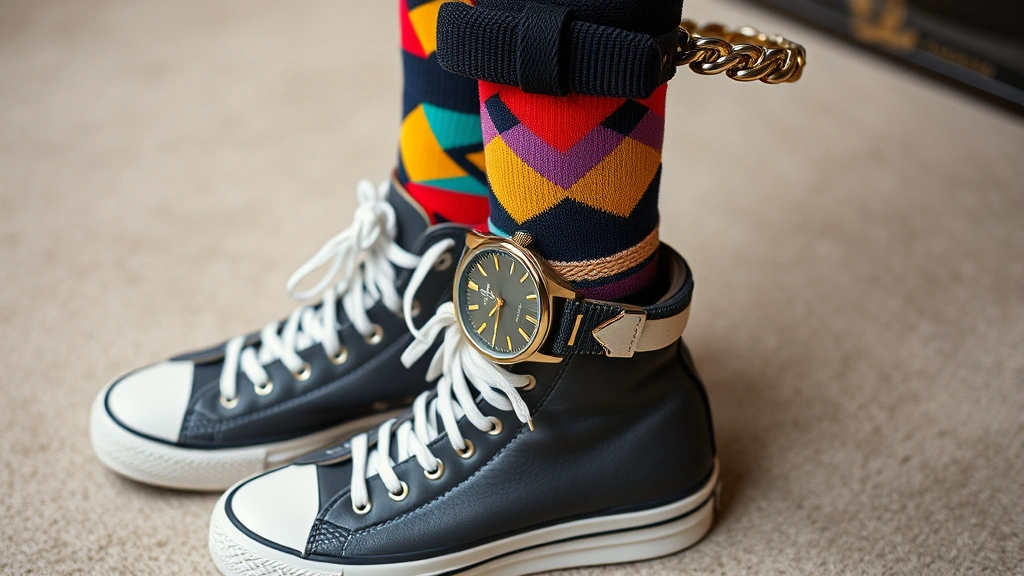
Slip-Ons and Canvas Shoes: Vans and similar slip-on canvas shoes were ubiquitous, particularly among younger men and those influenced by skate culture. These were often paired with colorful socks that were intentionally visible.
Accessories and Statement Pieces
Accessories were absolutely critical to achieving authentic 80s men fashion. Unlike today’s minimalist approach, the 80s celebrated abundance and maximalism in accessorizing.
Sunglasses: Oversized frames dominated the decade, from classic aviators to geometric shapes and neon-framed options. Mirrored lenses, gradient lenses, and colored lenses were all popular. Wearing sunglasses indoors was not uncommon and was actually considered stylish.
Watches and Bracelets: Digital watches with LCD screens became status symbols. The larger and more futuristic the watch, the better. Rubber and plastic bracelets, often in neon colors, were worn in multiples on the wrist. Bangles and cuff bracelets added visual interest to outfit compositions.
Belts: Wide belts with prominent buckles were worn both functionally and as statement pieces. Metallic, leather, and fabric belts in bold colors or with graphic designs drew attention to the waistline.
Jewelry: Chains, often thick and gold-colored, were worn as necklaces. Rings, including statement rings and multiple rings on single hands, were common. Earrings for men, particularly single studs or small hoops, became more socially acceptable during this era.
Hats and Headwear: Baseball caps, trucker hats, beanies, and fedoras all appeared in 80s styling. Visors, particularly in neon colors, became popular in casual athletic contexts.
Socks: Perhaps uniquely, socks became a visible fashion statement in the 80s. Brightly colored, patterned socks were intentionally displayed above sneakers or shoes. Leg warmers, borrowed from aerobics culture, also created a distinctive silhouette.
Hairstyles and Grooming
No discussion of 80s men fashion is complete without addressing the iconic hairstyles that defined the era. Your hair was an integral component of your overall aesthetic.
Big and Voluminous Hair: The bigger the hair, the better. Perms, which created voluminous waves and curls, were popular across demographics. Teased and sprayed hair that stood away from the head was a common sight. The use of hair mousse and hairspray created styles that could withstand significant environmental conditions.
Mullets: The infamous mullet—short on top and sides, long in the back—became an iconic 80s style. While often mocked in retrospect, it was genuinely fashionable during the decade and appeared across various social groups.
Slicked-Back Hair: A more polished approach involved slicking hair back with gel or pomade, creating a sleek, shiny appearance. This style worked particularly well with power suits and more formal 80s looks.
Fade Haircuts: Influenced by hip-hop culture, high-top fades became increasingly popular as the decade progressed. These cuts featured longer hair on top that was shaped and styled, with faded sides creating strong contrast.
Grooming Details: Facial hair styles included mustaches, goatees, and full beards, often styled with precision. Some men maintained clean-shaven looks, but facial hair was generally more accepted and fashionable than in previous decades. Eyebrows were often thick and natural, without the grooming practices common today.
Modern Styling Tips for 80s Fashion
Incorporating 80s men fashion into contemporary wardrobes requires intentionality and balance. The key is avoiding costume-like appearances while maintaining the spirit of the era. When you’re developing your aesthetic, 80s elements can provide distinctive character.
Start with Foundational Pieces: Rather than committing entirely to a retro look, begin by incorporating one or two 80s-inspired pieces into an otherwise contemporary outfit. A vintage oversized blazer paired with modern jeans and current sneakers creates an 80s reference without appearing dated. A graphic tee from the era worn under a modern minimalist jacket bridges decades effectively.
Balance Proportions: The 80s favored exaggerated proportions—oversized jackets, loose-fitting tracksuits, and voluminous silhouettes. To modernize this, pair oversized tops with fitted bottoms, or vice versa. This creates visual interest while maintaining contemporary proportion standards.
Update Color Theory: While the 80s embraced bold colors, modern styling often involves using these colors more strategically. Rather than an entire neon outfit, consider neon accents—a neon belt, socks, or sunglasses—paired with more neutral base pieces. Alternatively, combine multiple colors from the 80s palette in a more curated way.
Mix Eras: The most sophisticated approach combines 80s pieces with contemporary items. Vintage 80s accessories paired with modern clothing creates an intentional aesthetic rather than a costume. Your fashion journey can seamlessly integrate multiple eras.
Invest in Quality Reproductions: While vintage 80s pieces have undeniable appeal, contemporary designers and brands have created high-quality reproductions. These pieces often incorporate modern construction standards while maintaining authentic 80s aesthetics. Look for heritage brands and contemporary designers creating 80s-inspired collections.
Confidence is Essential: The 80s were defined by confidence and self-expression. Whether you’re wearing a bold color combination or an oversized silhouette, wear it with assurance. The attitude with which you style these pieces significantly impacts how the look is perceived.
Building Your 80s Wardrobe
Creating a functional 80s-inspired wardrobe requires strategic planning and thoughtful curation. Whether you’re interested in exploring other fashion eras or fully committing to 80s style, these guidelines will help.
Essential Starting Pieces: Begin with foundational items: one well-fitted oversized blazer in a bold color, several graphic t-shirts with 80s-appropriate designs, a pair of high-waist tapered jeans in a classic wash, and one statement jacket (leather or denim). These pieces form the foundation upon which you can build diverse outfits.
Color and Pattern Inventory: Invest in pieces that reflect the color palette of the era. Aim for at least one neon item, one pastel piece, and several jewel-toned garments. Include patterns like geometric prints, stripes, and abstract designs. Remember that 80s style often involved combining colors and patterns that contemporary sensibilities might consider clashing.
Footwear Collection: Acquire at least three distinct shoe types: a pair of classic high-top sneakers, a pair of loafers or boat shoes, and either boots or slip-on canvas shoes. Each should either be in an 80s-appropriate color or style.
Accessory Arsenal: Build a collection of statement accessories: oversized sunglasses, a digital or chunky watch, several bracelets and bangles, a wide belt with a distinctive buckle, and colorful socks. These accessories can transform basic outfits into distinctly 80s presentations.
Shopping Strategy: Source 80s pieces from multiple locations. Vintage and thrift stores offer authentic pieces from the era. Contemporary brands increasingly offer 80s-inspired collections. Online retailers and specialty shops dedicated to retro fashion provide curated selections. Fashion institutions and designers often reference 80s aesthetics in their collections, making it possible to find quality reproductions from reputable sources.
Budget Considerations: 80s fashion can be achieved at various price points. Thrift stores offer affordable vintage pieces, while contemporary reproductions range from accessible to luxury price points. Focus your budget on pieces you’ll wear frequently, ensuring versatility and wearability.
Understanding the nuances of 80s men fashion allows you to incorporate this iconic era into your contemporary wardrobe authentically. Whether you’re drawn to the bold colors, oversized silhouettes, or confident aesthetic of the decade, there are numerous ways to celebrate 80s style without appearing costume-like. The key lies in balancing retro elements with modern sensibilities, investing in quality pieces, and approaching your style with the confidence that defined the era itself. As fashion continues to cycle through decades, the 80s remain a rich source of inspiration for men seeking distinctive, memorable personal style.
FAQ
What are the most iconic 80s men fashion pieces?
The most iconic pieces include power suits with exaggerated shoulders, oversized blazers, graphic t-shirts, high-waist tapered jeans, leather jackets, tracksuits, and bold-colored windbreakers. High-top sneakers, loafers worn without socks, and statement accessories like oversized sunglasses and chunky watches were also defining elements.
Can I wear 80s fashion in 2024 without looking like I’m wearing a costume?
Absolutely. The key is incorporating 80s pieces selectively into contemporary outfits. Pair one vintage 80s item with modern basics, update color combinations, and mix eras intentionally. This creates an intentional aesthetic rather than a costume appearance. Confidence in styling also significantly impacts how retro pieces are perceived.
Where should I shop for authentic 80s pieces?
Vintage and thrift stores offer genuine period pieces. Online vintage retailers provide curated selections with detailed descriptions. Contemporary brands increasingly create 80s-inspired reproductions. Check specialty retro fashion shops, heritage brand collections, and designer lines that reference 80s aesthetics. Fashion marketplaces like Depop and Vestiaire Collective also offer vintage 80s pieces.
How do I choose 80s colors that work with my skin tone?
The 80s color palette includes neon, pastels, and jewel tones, offering options for various complexions. Experiment with different color families. Warmer skin tones often work well with warm neons and jewel tones like emerald and sapphire. Cooler skin tones may favor cool pastels and cool-toned neons. The confidence with which you wear colors matters more than traditional color theory.
Are there any 80s fashion trends I should avoid in modern styling?
While most 80s elements can be modernized, exercise restraint with extremely voluminous hair products and excessive shoulder padding in all garments simultaneously. Avoid wearing head-to-toe neon or pattern-clashing that reads as intentionally ironic rather than genuinely styled. The goal is honoring the 80s spirit while maintaining contemporary wearability.
How can I incorporate 80s fashion into professional settings?
The power suit remains relevant in modern professional contexts. Opt for a contemporary-cut blazer in an 80s-appropriate color (jewel tones work particularly well) paired with modern trousers. Accessorize with subtle 80s nods—a geometric patterned tie, a vintage watch, or distinctive cufflinks. Keep hair and grooming polished and contemporary to maintain professional appropriateness.
What hairstyles work best for modern 80s fashion?
Rather than extreme 80s styles, consider modern interpretations. A textured, voluminous cut with contemporary styling products creates 80s energy without dated appearance. High-top fades with contemporary variations honor 80s hip-hop influence. Slicked-back styles work with modern grooming standards. The key is working with a skilled barber who understands blending retro inspiration with contemporary aesthetics.