80s Hip Hop Fashion: A Stylist’s Guide
The 1980s marked a revolutionary moment in fashion history when hip hop culture burst onto the streets and into the mainstream consciousness. What began as an underground movement in the Bronx transformed into a global phenomenon that fundamentally reshaped how we dress, express ourselves, and define cool. 80s hip hop fashion wasn’t just about clothes—it was a powerful statement of identity, creativity, and cultural resistance that continues to influence designers and fashion enthusiasts today.
As a stylist who has studied the evolution of street style and contemporary fashion, I can tell you that understanding 80s hip hop aesthetics is essential for anyone interested in authentic, trend-forward dressing. This era gave us the bold silhouettes, the daring color combinations, and the fearless attitude that defined a generation. Whether you’re looking to incorporate retro elements into your modern wardrobe or simply appreciate the cultural significance of this iconic period, this guide will walk you through the essential pieces, key trends, and styling techniques that made 80s hip hop fashion legendary.
The Origins and Cultural Significance
The roots of 80s hip hop fashion run deep into the African American and Latino communities of New York City, where DJs, MCs, and dancers created a new cultural movement that would reshape global fashion. Unlike high fashion that trickled down from runways, hip hop style emerged organically from the streets, the clubs, and the block parties where creativity flourished without gatekeepers. This grassroots origin gave the aesthetic an authenticity and rebellious edge that resonated with young people worldwide.
During this era, fashion became a form of self-expression and social commentary. Young people used bold outfits to assert their presence in a society that often marginalized them. The oversized silhouettes, the bright colors, and the eclectic mixing of styles represented a rejection of conformity and an embrace of individuality. According to fashion historians at Vogue, hip hop fundamentally democratized fashion, proving that style didn’t need to come from expensive boutiques or established fashion houses to be influential and transformative.
What made 80s hip hop fashion particularly significant was its intersection with visual culture, music videos, and celebrity influence. When MTV launched, hip hop artists became style icons whose looks were studied, replicated, and celebrated. The fashion wasn’t separate from the music—it was integral to the complete artistic expression. Each artist developed a distinctive visual identity that complemented their musical brand, creating a symbiotic relationship between sound and style.

Signature Silhouettes and Key Pieces
The silhouettes of 80s hip hop fashion were bold, exaggerated, and unapologetically voluminous. This was the era of the oversized fit, when bigger was genuinely better, and proportions were intentionally distorted for dramatic effect. Understanding these foundational pieces is crucial for anyone wanting to authentically capture this aesthetic or incorporate its elements into contemporary types of fashion styles.
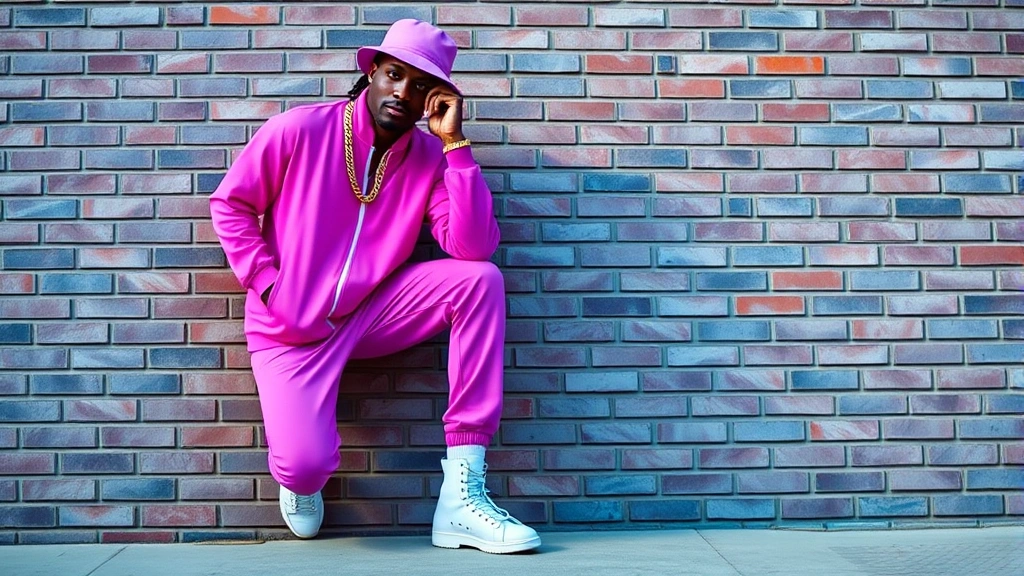
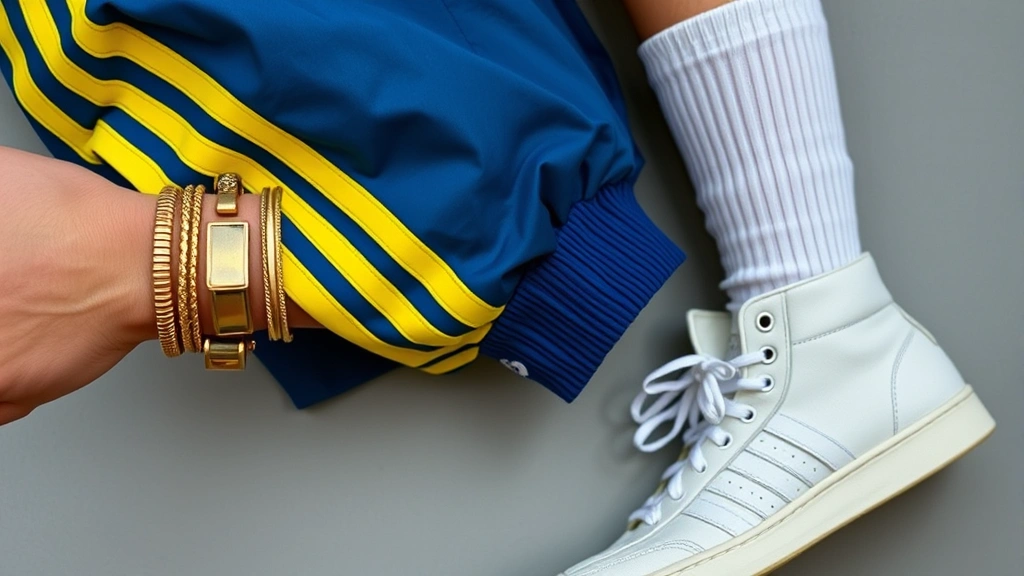
Oversized Tracksuits were the uniform of the era. These weren’t just athletic wear—they were statement pieces that announced confidence and style. The tracksuit typically featured bright colors, contrasting piping, and an exaggerated fit that extended well beyond the body’s natural lines. Brands like Adidas and Puma dominated this category, and wearing a matching set demonstrated both fashion awareness and brand consciousness. The tracksuit could be dressed up for special occasions or worn casually on the streets, making it incredibly versatile.
Baggy Jeans revolutionized how we think about denim. The 80s introduced jeans that sat low on the hips, featured an extremely wide leg opening, and often reached past the shoe to create a pooling effect at the ankle. These weren’t fitted or tapered—they were intentionally oversized, often paired with a belt to keep them from sliding off entirely. The bagginess allowed for freedom of movement, which was practical for dancers and performers, but it also became a powerful symbol of the culture itself.
Oversized Shirts and Jerseys completed the silhouette. Whether it was a basic t-shirt, a button-down shirt, or a sports jersey, everything was intentionally oversized. Graphic tees with bold imagery, band names, and cultural references were layered under or worn over other pieces. Oversized button-down shirts created interesting visual texture and allowed for creative layering combinations. Sports jerseys, whether authentic or replica, became coveted pieces that signaled knowledge of sports culture and fashion trends simultaneously.
Leather and Denim Jackets provided essential layering pieces. Leather jackets were often oversized and sometimes decorated with graffiti-style artwork, studs, or custom patches. Denim jackets offered a softer alternative and could be heavily customized with pins, patches, and embroidery. These jackets added dimension to outfits and provided opportunity for personal artistic expression.
Windbreakers and Shell Suits brought an athletic aesthetic that defined the era’s casual wear. These lightweight, often shiny jackets featured bright color blocking and represented the intersection of sportswear and street style. They were practical, bold, and instantly recognizable as distinctly 80s hip hop.
Color Palettes and Patterns
The color choices in 80s hip hop fashion were fearless and unapologetic. This wasn’t an era of neutral minimalism—it was about maximum impact and visual boldness. The color palettes reflected the vibrant energy of hip hop culture and the rejection of subtle, understated elegance.
Neon and Bright Colors dominated the aesthetic. Electric purples, hot pinks, neon greens, and bright yellows were worn confidently and often in combination with each other. These weren’t accent colors; they were the main event. The brightness served multiple purposes: it made statements visible, it reflected the energy and optimism of the culture, and it ensured that wearers couldn’t be ignored or overlooked.
Color Blocking was a signature technique where contrasting bright colors were placed directly next to each other in geometric patterns. A tracksuit might feature purple with hot pink stripes, or neon green panels against electric blue. This bold approach to color combination would be considered clashing by traditional fashion standards, but in hip hop aesthetics, it was celebrated as creative and confident.
Gold and Metallic Accents added luxury and shine. Gold piping on tracksuits, metallic sheen on windbreakers, and reflective materials created visual interest and caught light. This wasn’t about understated elegance—it was about visible wealth and celebration of success.
Patterns and Prints were equally bold. Geometric patterns, abstract designs, and graphic prints covered clothing. Acid wash denim, tie-dye effects, and custom artwork on t-shirts provided visual complexity. The more pattern, the better. Mixing multiple patterns was encouraged, creating visually rich and dynamic outfits.
Black and White Contrast provided structure within the brightness. While neon colors dominated, strategic use of black and white created visual balance and made other colors pop more dramatically. Many outfits featured black accents on bright bases or vice versa.
Accessories and Details That Defined the Era
Accessories were absolutely crucial to completing the 80s hip hop look. While the silhouettes and colors provided the foundation, it was the details and accessories that demonstrated true style knowledge and personal creativity. Fashion accessories in this era weren’t afterthoughts—they were essential components of the complete aesthetic.
Gold Jewelry was the ultimate status symbol and essential accessory. Thick gold chains in various lengths, oversized gold rings, and gold watches were worn with confidence and often in abundance. The jewelry wasn’t delicate or subtle—it was bold, visible, and meant to announce success and prosperity. Rope chains, herringbone chains, and chunky link designs were particularly popular. Gold teeth caps and dental grills, while more extreme, represented the ultimate expression of this jewelry obsession.
Bucket Hats and Baseball Caps were essential headwear. Bucket hats in bright colors or patterned fabrics became iconic symbols of the era. Baseball caps were often worn oversized or with the brim facing backward, creating a casual yet deliberate look. Snapback closures and adjustable fits allowed for personal customization.
Sneakers were the foundation of the entire aesthetic. High-top sneakers from Adidas, Nike, Puma, and Reebok were worn laced up or with laces undone. The sneaker was treated as a crucial style statement, not just functional footwear. Limited edition releases, colorways, and brand loyalty were important. Sneakers were often oversized or intentionally worn with thick socks that extended above the shoe collar.
Socks were surprisingly important. Thick, often brightly colored socks, sometimes with patterns or stripes, were visible above the shoe and created an additional style element. The contrast between the sock color and sneaker color was often intentional and coordinated.
Sunglasses added attitude and style. Large frames, dark lenses, and bold designs were worn regardless of weather or time of day. Sunglasses were about creating an aesthetic and projecting confidence, not necessarily about sun protection.
Belts and Buckles were functional and decorative. Large, ornate belt buckles became statement pieces. Belts were often worn with oversized jeans to keep them in place while adding visual interest. The buckle could feature logos, designs, or be made from precious metals.
Backpacks and Bags completed the look. Oversized backpacks, often in bright colors or with custom designs, were worn as both functional pieces and style statements. The bag could feature patches, pins, or custom artwork that expressed individual identity.
Pins and Patches allowed for personal artistic expression. Enamel pins, custom patches, and decorative elements were attached to jackets, backpacks, and hats. These items often referenced music, culture, or personal interests, making each outfit uniquely individual.
Modern Styling Tips for 80s Hip Hop Inspiration
While you probably don’t want to recreate 80s hip hop fashion exactly as it appeared in the 1980s, incorporating elements of this iconic aesthetic into modern style is incredibly trend-forward and allows you to find your personal style with historical awareness and cultural respect. Contemporary designers and fashion-forward individuals are constantly drawing inspiration from this era, proving its enduring influence.
Start with One Bold Piece. Rather than committing to a complete 80s hip hop outfit, begin by incorporating one statement piece. This might be a vintage tracksuit, a pair of oversized jeans, or a bright windbreaker. Let this piece anchor your outfit and build around it with more contemporary elements. This approach feels modern while honoring the aesthetic.
Play with Proportions. The key to modern 80s hip hop styling is understanding proportion and balance. If you wear an oversized top, pair it with more fitted bottoms, or vice versa. This creates visual interest while feeling intentional rather than accidental. Modern oversized fits are often more refined than 80s versions, which allows for easier integration into contemporary wardrobes.
Use Color Strategically. You don’t need neon everything to capture the spirit of the era. Consider incorporating one or two bright colors into an otherwise neutral outfit. A bright windbreaker over neutral clothing, or neon accessories with a simple outfit, brings the energy of 80s hip hop without overwhelming modern sensibilities.
Mix Eras. Combine 80s hip hop elements with contemporary pieces for a sophisticated, trend-forward look. Vintage Adidas tracksuit bottoms paired with a modern minimalist top and current season sneakers creates a balanced aesthetic that feels both retro and current.
Invest in Quality Basics. Modern 80s hip hop styling often relies on quality basics as a foundation. Well-made oversized t-shirts, classic denim, and timeless sneakers provide a solid base upon which you can layer more adventurous pieces.
Accessorize Thoughtfully. Gold jewelry, hats, and statement sneakers remain powerful tools for capturing the spirit of the era. A simple outfit is transformed by adding a bucket hat, gold chain, and bold sneakers. Accessories do much of the heavy lifting in modern interpretations of this aesthetic.
Respect the Culture. When drawing inspiration from 80s hip hop fashion, it’s important to understand and respect the cultural origins of the style. This wasn’t fashion for fashion’s sake—it was cultural expression and resistance. Wearing these styles thoughtfully and with cultural awareness is far more impactful than treating them as a costume or trend.
Customize and Personalize. The spirit of 80s hip hop fashion was about individual expression and creativity. Don’t just replicate looks—add your own personality. Custom details, personal touches, and individual interpretation are in the spirit of the original movement.
Iconic Brands and Designers
Certain brands became synonymous with 80s hip hop fashion and remain influential today. Understanding these brands and their significance provides context for the aesthetic and helps guide purchasing decisions if you want to incorporate authentic pieces into your wardrobe.
Adidas was arguably the most important athletic brand in hip hop culture. The three stripes became a symbol of the movement, and Adidas tracksuits were essential pieces. The brand’s association with hip hop culture became so strong that it influenced broader fashion conversations and made athletic wear acceptable in high fashion contexts.
Puma competed for dominance in the hip hop fashion space with their own iconic tracksuits and sneakers. The Puma Suede became a legendary sneaker within hip hop culture, and the brand’s bold color options made them attractive to style-conscious consumers.
Nike and Reebok also played important roles, particularly with their sneaker offerings. The Air Jordan line, while emerging later, would eventually become one of the most important sneaker franchises in hip hop culture.
Kangol became the definitive bucket hat brand. The British hat maker’s simple designs became iconic within hip hop fashion, and wearing a Kangol bucket hat was a statement of style awareness and cultural knowledge.
Gucci and other luxury brands began appearing in hip hop fashion during the 1980s, particularly as the culture achieved greater mainstream success. The combination of streetwear and luxury became a defining characteristic of evolved 80s hip hop style.
Tommy Hilfiger emerged as a favorite brand during this era, particularly for its bold color blocking and accessible luxury positioning. The brand became so associated with hip hop culture that it influenced broader fashion perception and sales.
Contemporary designers continue to reference and reinterpret 80s hip hop fashion. Fashion publications like Highsnobiety regularly document how modern designers draw from this aesthetic, proving its enduring influence on contemporary style.
FAQ
What are the most essential pieces for capturing 80s hip hop fashion?
The foundational pieces include oversized tracksuits, baggy jeans, oversized t-shirts or jerseys, high-top sneakers, a bucket hat or baseball cap, and gold jewelry. These core elements can be mixed and matched to create authentic-feeling outfits inspired by the era.
Can I wear 80s hip hop fashion in professional settings?
Absolutely, with intentional styling. Choose more subtle color combinations, invest in quality pieces, and pair 80s elements with contemporary professional basics. A vintage tracksuit jacket over a simple dress, or oversized tailored trousers with a classic sneaker, can bring the aesthetic to professional contexts.
Where can I find authentic 80s hip hop fashion pieces?
Vintage shops, online marketplaces like Depop and Grailed, and contemporary brands that reissue classic styles are excellent sources. Original pieces from the era command premium prices, but modern reproductions and reinterpretations offer more accessible options.
How do I avoid looking like I’m wearing a costume?
The key is balance and intentionality. Mix eras, choose quality pieces, and add personal touches. Avoid head-to-toe recreation of a single look, and instead incorporate elements that resonate with your personal style.
Is 80s hip hop fashion still relevant today?
Absolutely. Designers regularly reference this aesthetic, contemporary artists draw from it, and it remains a powerful visual language for expressing confidence and individuality. The era’s fundamental principles about bold self-expression are timeless.
How do I style 80s hip hop pieces with modern clothing?
Start with neutral modern basics and add one statement 80s piece. A vintage tracksuit top over contemporary minimalist clothing, or modern jeans with a classic 80s sneaker and accessory, creates a balanced look that feels current while honoring the aesthetic’s legacy.
What’s the significance of gold jewelry in 80s hip hop fashion?
Gold jewelry represented success, prosperity, and celebration of achievement. In a cultural context where opportunities were limited, visible wealth and luxury items became powerful statements. The jewelry wasn’t just decoration—it was cultural commentary and personal celebration.