
80’s Men’s Fashion Guide: Expert Insights
The 1980s represent one of the most iconic and audacious decades in men’s fashion history. This era embraced excess, bold colors, and unapologetic self-expression in ways that continue to influence contemporary style today. From power suits to athletic wear, the 80s redefined what it meant for men to dress with confidence and personality.
Whether you’re a fashion enthusiast looking to understand this transformative period or someone seeking to incorporate retro 80s elements into your modern wardrobe, this comprehensive guide explores the key trends, silhouettes, and styling principles that defined an entire generation’s approach to menswear.
The Power Suit Revolution
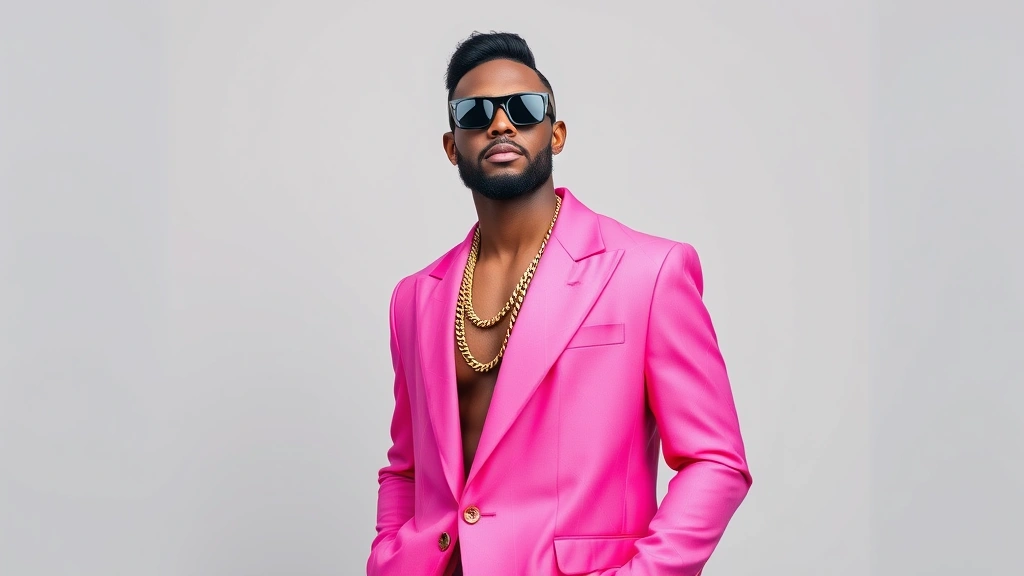
The 1980s power suit became the ultimate symbol of masculine authority and professional success. Unlike the more conservative suits of previous decades, 80s menswear embraced broader shoulders, shorter jackets, and a more tailored silhouette that projected confidence and ambition. Designers like Giorgio Armani pioneered this look, creating structured blazers that defined the silhouette of ambitious businessmen across Wall Street and beyond.
The power suit typically featured bold shoulders enhanced by shoulder pads, a trend that wasn’t exclusive to women’s fashion. Men’s blazers incorporated subtle padding that created a V-shaped torso, making wearers appear more commanding and authoritative. Paired with equally bold dress shirts in vibrant colors or contrasting patterns, the power suit became the unofficial uniform of the ambitious 80s professional.
Lapels were notably wider during this period, and jacket lengths were cut shorter than traditional tailoring suggested. This wasn’t accidental—it was a deliberate departure from the conservative 70s aesthetic. The fit was meant to be noticed, to command attention in boardrooms and social settings alike. Many men combined their power suits with fashion style elements that reflected their personal brand.
Double-breasted blazers gained popularity alongside single-breasted versions, often featuring bold buttons and geometric patterns. The color palette extended beyond traditional navy and charcoal to include burgundy, forest green, and even pastel shades when paired with appropriate occasions. This represented a significant shift in professional menswear philosophy—success could be expressed through sartorial boldness.
Casual Wear and Sportswear
Beyond the boardroom, 80s men’s casual fashion embraced athleticism and comfort in revolutionary ways. The rise of fitness culture meant that athletic wear became acceptable street wear, blurring the lines between gym clothes and everyday outfits. Tracksuits, leg warmers, and oversized athletic shirts transitioned from purely functional sportswear to legitimate fashion statements.
The tracksuit epitomized 80s casual style—typically constructed from polyester or nylon in bright, contrasting color combinations. These weren’t understated garments; they were meant to be eye-catching and fun. Worn by everyone from hip-hop artists to suburban dads, tracksuits represented the decade’s embrace of visible leisure and fitness consciousness.
T-shirts became larger and more graphic-heavy during this era. Band tees, movie merchandise, and bold graphic prints dominated casual wardrobes. The fit was intentionally oversized compared to modern standards, and the longer length was standard. Many men paired graphic tees with acid-washed or stone-washed denim for an effortlessly cool aesthetic that defined 80s street style.
Denim itself underwent significant transformation. Acid-washing created mottled, faded patterns that became wildly popular. Men wore jeans tighter than previous decades allowed, often in lighter washes that created contrast and visual interest. Rolled cuffs, strategic rips, and patches became acceptable styling choices that added personality to basic denim.
Casual button-up shirts were often oversized, worn unbuttoned over graphic tees, or layered in unexpected combinations. Color blocking—wearing distinctly different, bold colors together—became an accepted styling principle. This casual approach to menswear reflected the 80s philosophy of self-expression and individualism.
For a deeper understanding of how 80s trends evolved, explore our guide to 90s fashion, which built upon and reacted to these foundational 80s principles.
Iconic Accessories and Details
Accessories were absolutely crucial to completing an 80s men’s look. These weren’t subtle additions—they were bold statements that elevated outfits and reflected personal style in unmistakable ways. Understanding 80s accessories is key to authentically recreating or modernizing the aesthetic.
Sunglasses were perhaps the most iconic accessory of the decade. Oversized frames, mirrored lenses, and neon-colored plastic frames defined the look. Ray-Ban Wayfarers and Aviators remained popular, but larger, more dramatic frames became increasingly fashionable. Many men wore sunglasses indoors, at night, and in situations where traditional etiquette would have deemed it inappropriate—but that was precisely the point.
Belts served both functional and fashion purposes. Wide leather belts with large, often ornate buckles were standard. Many featured bold colors, metallic finishes, or decorative elements. The belt wasn’t just a practical necessity; it was a statement piece that tied an outfit together.
Jewelry for men expanded dramatically during the 80s. Gold chains, both delicate and chunky, became acceptable masculine accessories. Rings, bracelets, and watches were worn more liberally than in previous decades. This wasn’t considered excessive or inappropriate; it was celebratory and bold. The philosophy was that more could be more when executed with confidence.
Watches transitioned from purely utilitarian objects to fashion statements. Digital watches, sports watches with multiple functions, and oversized analog watches all gained popularity. Casio calculators watches became cult items, combining functionality with undeniable style.
Hats and headwear played significant roles in 80s styling. Baseball caps, often worn backward, became ubiquitous. Snapback caps, beanies, and bucket hats appeared in bright colors and graphic prints. These weren’t just functional; they were identity markers that communicated affiliation with sports teams, music genres, or lifestyle brands.
Scarves, particularly silk or synthetic materials, were worn around the neck or wrapped casually. Bandanas appeared in various contexts, from wrist wraps to head wraps, often in bright colors or patterns. These accessories added layers of visual interest to outfits.
Bold Colors and Patterns
The 1980s rejected the muted color palettes of previous decades with enthusiastic abandon. Neon colors, pastels, and jewel tones dominated men’s fashion in ways that would have been unthinkable just years earlier. This color revolution reflected the decade’s optimistic, forward-thinking attitude.
Neon shades—electric pink, lime green, bright yellow, and vivid purple—appeared in everything from tracksuits to casual shirts. These weren’t meant to blend in; they were meant to announce presence and personality. Neon was often paired with contrasting colors to create maximum visual impact.
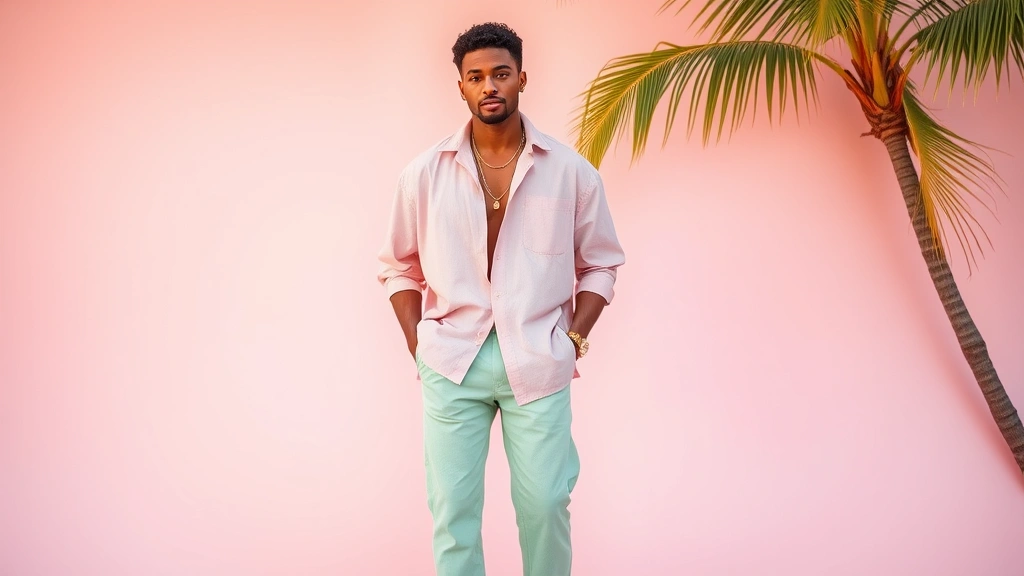
Pastel colors offered a softer alternative to neon’s intensity. Soft pink, lavender, mint green, and powder blue became acceptable for men’s casual and even semi-formal wear. These colors often appeared in Miami Vice-inspired outfits that became iconic representations of 80s style.
Geometric patterns dominated 80s menswear. Bold stripes, chevrons, triangles, and abstract shapes appeared on shirts, sweaters, and blazers. These patterns were often rendered in contrasting, complementary colors that created visual dynamism. Abstract geometric prints reflected the decade’s fascination with modern art and technological progress.
Animal prints and Memphis-style patterns also gained traction. Leopard spots, zebra stripes, and other wild patterns appeared in more fashion-forward circles. Memphis design—characterized by colorful, postmodern geometric shapes—influenced everything from furniture to fashion.
Color blocking, where distinct color sections were clearly separated within a garment, became a defining technique. A sweater might feature a bright red body with yellow sleeves and blue cuffs. This wasn’t considered clashing; it was considered coordinated and intentional.
The color philosophy extended to layering, where men wore multiple colors and patterns together in ways that modern sensibilities might consider chaotic. Yet in the 80s context, this approach communicated confidence, creativity, and engagement with contemporary trends.
Footwear Trends
Shoes were far from an afterthought in 80s men’s fashion. Footwear choices dramatically impacted overall aesthetic and communicated important information about style sensibility and lifestyle engagement.
Sneakers underwent revolutionary changes during the 1980s. Running shoes became legitimate casual wear, with brands like Nike, Adidas, and Reebok pushing design boundaries. The Air Jordan line, launched in 1985, became a cultural phenomenon that transcended sports. High-top sneakers, often in bright colors or with contrasting panels, became statement pieces in their own right.
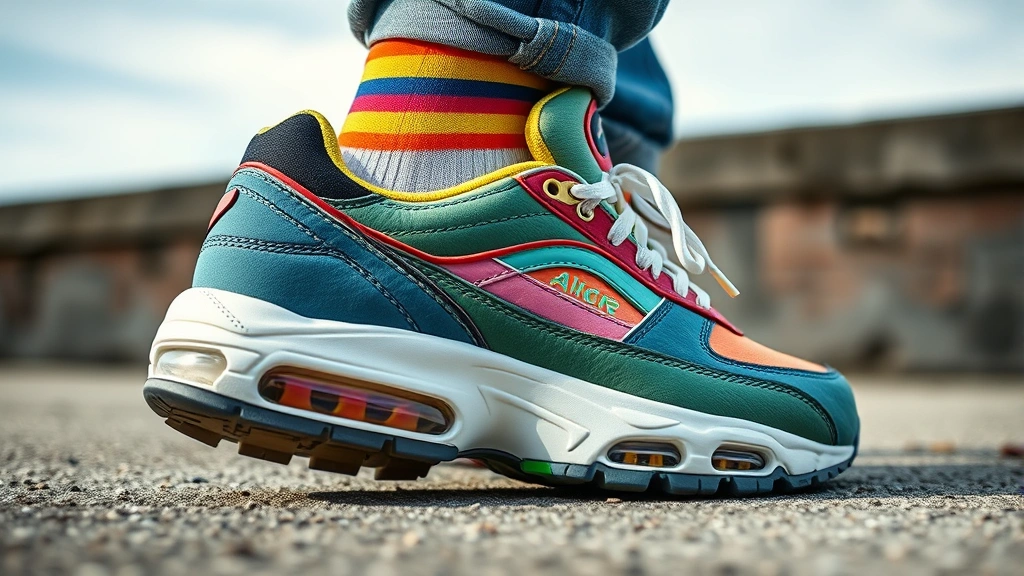
Athletic shoes featured increasingly visible technology and design elements. Visible air cushioning, bold color-blocking, and exaggerated proportions made sneakers more prominent and fashionable. Men wore expensive, limited-edition sneakers as status symbols and style declarations.
Loafers and boat shoes remained popular for more conservative occasions, often worn with personal style variations that included bold socks or unconventional pairings. The loafer’s classic design provided contrast to the decade’s more outrageous elements.
Leather boots in various styles gained prominence. Chelsea boots, cowboy-inspired boots, and motorcycle boots all appeared in men’s casual and semi-formal wardrobes. These often featured metallic accents, bold colors, or interesting textures that aligned with 80s aesthetic principles.
Leg warmers and athletic socks became visible fashion elements. Bright neon or patterned socks were intentionally worn with rolled pant legs or shorts, creating another layer of visual interest. This wasn’t about matching conservatively; it was about creating contrast and drawing attention to details.
Deck shoes and canvas sneakers in pastel colors became associated with Miami Vice aesthetics and resort casual wear. These lighter, more relaxed options provided variety within the broader 80s footwear landscape.
Modern Styling Tips: Incorporating 80s Elements Today
The 80s aesthetic continues to influence contemporary fashion, and many elements can be successfully integrated into modern wardrobes. Understanding how to balance retro elements with current sensibilities is crucial for creating looks that feel nostalgic rather than costume-like.
Start with one statement piece rather than attempting a complete 80s outfit. A single power blazer with contemporary tailoring can add 80s energy to modern clothing. Pair it with current-season pieces and minimal accessories to avoid feeling dated. This approach honors 80s influence while maintaining contemporary relevance.
Incorporate bold colors strategically. Rather than wearing a full neon tracksuit, choose one neon element—perhaps a blazer or statement sneaker—and keep everything else more neutral. This creates visual interest without overwhelming the look.
Oversized silhouettes remain fashionable in contemporary contexts, though with different proportions than 80s versions. An oversized blazer or shirt can channel 80s energy while aligning with current fit preferences. The key is intentionality—the garment should feel deliberately oversized, not accidentally ill-fitting.
Graphic tees remain acceptable casual wear, but contemporary versions often feature more sophisticated designs than 80s predecessors. Vintage 80s band tees or vintage graphic tees worn ironically can work well when paired with well-fitted modern pieces.
Accessories provide excellent opportunities for 80s homage. Vintage sunglasses, bold watches, or layered chains can reference the 80s without dominating an outfit. These pieces work as modern accessories that happen to evoke a particular era.
Revisit our comprehensive fashion history timeline to understand how 80s trends fit within broader fashion evolution. This perspective helps inform thoughtful contemporary styling choices.
Footwear offers another avenue for 80s influence. Vintage 80s sneakers have become collectible items, and many contemporary brands create modern versions that reference 80s design language. Chunky sneakers with visible technology elements echo 80s aesthetics while maintaining current relevance.
Color blocking can be updated for contemporary contexts. Rather than the chaotic multi-color combinations of the 80s, modern color blocking typically uses two or three complementary colors in a more structured way. This honors the 80s principle while aligning with current design sensibilities.
Layering remains a powerful styling tool. Oversized shirts worn open over fitted tees, or jackets layered over patterned shirts, creates visual interest and complexity that reflects 80s sensibilities. The key is ensuring each layer is intentional and visible, not accidental.
For those seeking deeper understanding of personal style development, our guide on fashion style principles provides frameworks for thoughtfully incorporating 80s elements into your unique aesthetic. Understanding your personal style foundation makes selective 80s references feel authentic rather than forced.
FAQ
What defines authentic 80s men’s fashion?
Authentic 80s men’s fashion combines several key elements: bold colors and patterns, oversized silhouettes with structured shoulders, visible athletic influence, and unapologetic accessorizing. The era prioritized self-expression, confidence, and visual impact over conservative understatement. Success in 80s style meant making a statement through clothing choices.
Can I wear 80s fashion in contemporary settings?
Absolutely, though strategic integration works better than complete 80s outfits. Wearing one statement 80s piece with modern basics creates nostalgic reference without costume appearance. A power blazer, vintage sneaker, or bold accessory can channel 80s energy while maintaining contemporary relevance. The key is intentionality and balance.
Which 80s trends remain fashionable today?
Oversized blazers, graphic tees, bold colors, color blocking, and statement sneakers all remain acceptable contemporary fashion. Vintage 80s pieces have become collectible and fashionable. Athletic wear as casual wear—initially pioneered in the 80s—remains completely normalized. The decade’s emphasis on personal expression through fashion continues influencing modern sensibilities.
Where can I find authentic 80s pieces?
Vintage shops, online marketplaces specializing in vintage fashion, and thrift stores offer authentic 80s pieces. Contemporary designers also create modern interpretations of 80s silhouettes and aesthetics. Vintage sneaker marketplaces specialize in original 80s athletic shoes that have become collectible items. Be prepared to invest in quality vintage pieces.
How do I avoid looking like I’m wearing a costume?
Focus on individual elements rather than attempting complete 80s looks. Mix 80s pieces with contemporary items. Ensure fit aligns with current sensibilities even when choosing 80s-inspired silhouettes. Use accessories strategically rather than overwhelming an outfit. Most importantly, wear 80s pieces with confidence and intentionality—costume appearance typically results from uncertainty rather than the pieces themselves.
What’s the difference between 80s and 90s men’s fashion?
While the 80s embraced excess, bold colors, and visible luxury, the 90s moved toward minimalism, grunge aesthetics, and anti-fashion statements. Learn more about this evolution in our 90s fashion guide. The 80s were maximalist and optimistic; the 90s were minimalist and ironic.
Are shoulder pads still relevant in 80s-inspired looks?
Subtle shoulder structure remains fashionable, though contemporary versions are less exaggerated than 80s versions. Modern tailoring incorporates structured shoulders without the dramatic padding that defined the 80s. The silhouette influence persists; the execution has evolved.

