
The 1980s represent one of the most audacious and transformative decades in fashion history, and today’s style-conscious men are rediscovering the bold aesthetics that defined an era of excess, innovation, and unapologetic self-expression. From power suits with exaggerated shoulder pads to neon-bright tracksuits and statement accessories, 80s men’s fashion embodied a philosophy that bigger, bolder, and more colorful was undeniably better. But the question remains: can we authentically revive these iconic looks for the modern man without veering into pure costume territory?
The answer is a resounding yes—but with nuance, intention, and a contemporary sensibility. Expert stylists, fashion historians, and trendsetters are increasingly championing a thoughtful approach to 80s fashion revival that honors the decade’s rebellious spirit while adapting its most wearable elements for today’s lifestyle and aesthetic standards. This isn’t about recreating the exact looks your father wore to the disco; it’s about capturing the confidence, individuality, and fashion-forward thinking that made the 80s such a culturally significant moment in men’s style.
Whether you’re intrigued by the structured silhouettes, the bold color palettes, or the fearless mixing of textures and patterns that defined the decade, this comprehensive guide explores how to successfully incorporate 80s fashion elements into your modern wardrobe. We’ll break down the key pieces, styling strategies, and expert recommendations that will help you navigate this nostalgic trend with sophistication and contemporary relevance.
Understanding the 80s Fashion Movement
To successfully revive 80s men’s fashion, we must first understand the cultural and social context that shaped the decade’s distinctive aesthetic. The 1980s were characterized by economic prosperity, technological advancement, and a cultural shift toward individualism and self-promotion. This era celebrated excess, confidence, and the rejection of minimalist restraint that had defined the previous decade. Fashion became a form of personal expression and status signaling, with men increasingly embracing color, texture, and bold silhouettes as markers of success and style.
According to Vogue, the 80s represented a pivotal moment when men’s fashion began to embrace experimentation and visibility in unprecedented ways. The decade saw the rise of designer labels, the influence of music and pop culture on mainstream style, and the emergence of distinct fashion subcultures—from new wave to hip-hop to power dressing. Understanding this context helps modern men appreciate why certain pieces and styling choices became iconic and how they can be reinterpreted authentically.
The complete fashion history timeline demonstrates how the 80s built upon previous decades while establishing entirely new fashion rules. The silhouettes were exaggerated, the accessories were statement-making, and the attitude was unquestionably confident. This era rejected the idea that men should dress conservatively or blend into the background. Instead, 80s fashion encouraged men to stand out, take risks, and use clothing as a form of personal branding.
The influence of 80s pop culture cannot be overstated. Musicians, actors, and athletes became style icons whose looks were immediately emulated and reinterpreted by fashion-conscious consumers. Michael Jackson’s leather jackets, Prince’s flamboyant ensembles, and the preppy aesthetic championed by actors in shows like “Miami Vice” all contributed to the decade’s diverse and dynamic fashion landscape. This cultural moment created a template for how celebrity and street style could merge to create influential fashion movements.
Key Pieces That Define 80s Men’s Style
The foundation of any successful 80s fashion revival begins with understanding and strategically selecting the iconic pieces that defined the decade. These elements, when chosen thoughtfully and styled with modern sensibility, can create compelling contemporary looks that feel both nostalgic and current.
Power Suits with Structured Shoulders: The most recognizable silhouette of 80s men’s fashion is undoubtedly the power suit, characterized by dramatically exaggerated shoulder pads, a sharp silhouette, and often bold colors or patterns. Modern interpretations of this look involve seeking tailored blazers with slightly structured shoulders—not quite as extreme as the originals, but with enough definition to create visual impact. Pair these with well-fitted trousers in complementary colors for a look that channels 80s confidence without appearing costume-like.
Leather and Suede Jackets: Iconic 80s styling frequently featured leather jackets in bold colors and innovative cuts. Contemporary men can embrace this aesthetic by investing in a quality leather jacket in classic black or brown, or taking a bolder approach with burgundy or deep blue. The key is selecting a jacket with clean lines and contemporary construction while maintaining the attitude and presence that made 80s leather jackets so compelling.
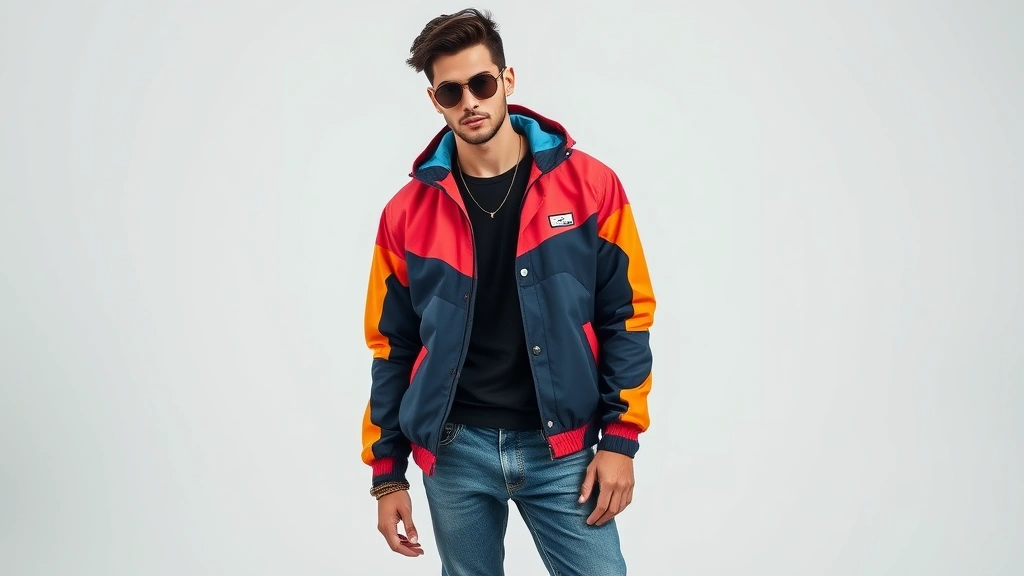
Windbreakers and Track Jackets: The athletic-inspired aesthetic of 80s fashion introduced windbreakers and track jackets as legitimate style pieces rather than purely functional garments. Modern fashion has fully embraced this trend, with contemporary designers creating sophisticated versions of these pieces. Look for windbreakers in jewel tones, metallics, or bold color-blocking that can be styled with tailored pieces for an unexpected contrast.
Jeans and Denim: 80s denim was typically characterized by a relaxed fit, often paired with a tucked-in shirt and a statement belt. Contemporary takes on this look involve selecting well-made jeans with a slightly looser silhouette than current ultra-slim trends, styled with intentional tucking and quality leather belts. Acid wash and stone wash denim, once ubiquitous in the 80s, are experiencing a subtle revival among fashion-forward men.
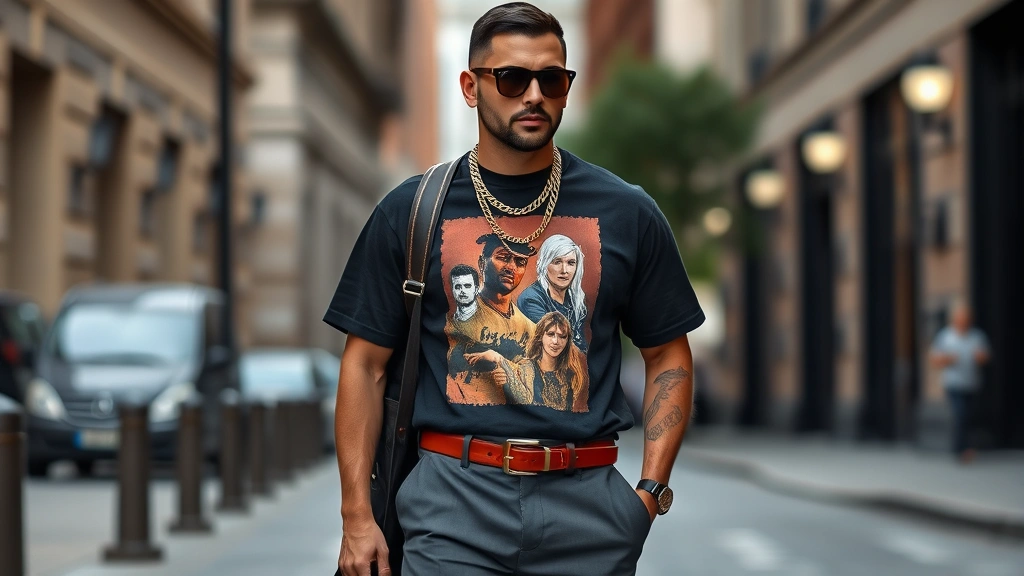
Graphic T-Shirts and Band Tees: The 80s saw graphic t-shirts evolve from casual wear to statement pieces, often featuring bold prints, neon colors, or band logos. Modern styling of this trend involves selecting high-quality graphic tees with interesting artwork or typography, styling them intentionally with tailored pieces rather than casual wear, and allowing them to be the focal point of an outfit.
For additional context on how these pieces fit into broader fashion evolution, explore 90s fashion trends to understand how 80s silhouettes influenced the following decade and continue to resonate today.
Color Palettes and Bold Aesthetics
One of the most distinctive aspects of 80s men’s fashion was its fearless approach to color. The decade embraced neon brights, jewel tones, pastels, and bold color combinations that would have been considered outrageous in previous eras. Successfully reviving 80s fashion requires developing confidence with color while maintaining contemporary sophistication.
Neon and Bright Hues: While full neon outfits might feel too extreme for most modern contexts, strategic use of neon can add 80s flair to contemporary styling. Consider incorporating a neon accent piece—perhaps a windbreaker, a graphic tee, or even neon sneakers—with neutral or complementary basics. This approach captures the spirit of 80s boldness without overwhelming the overall look.
Jewel Tones: Deep, rich colors like emerald, sapphire, and ruby were frequently featured in 80s fashion and translate beautifully to modern styling. These colors offer the richness and visual impact of 80s aesthetics while feeling more refined and wearable in contemporary contexts. Incorporate jewel tones through blazers, sweaters, or even tailored trousers paired with neutral pieces.
Pastel Palette: The 80s also embraced soft pastels, particularly in Miami Vice-inspired styling. Soft pinks, lavenders, peaches, and mint greens can be incorporated into modern wardrobes through carefully chosen pieces like linen shirts, sweaters, or even tailored blazers. The key is balancing pastels with structured, contemporary silhouettes to avoid appearing costume-like.
Color Blocking: One of the most distinctly 80s techniques was bold color blocking—combining contrasting colors in geometric or structured ways. Modern interpretations might include windbreakers with color-blocked panels, striped shirts combining unexpected hues, or even tailored pieces that incorporate color blocking in subtle ways.
Metallics and Shine: The 80s embraced shiny, reflective fabrics and metallic accents. Contemporary styling can incorporate this aesthetic through carefully chosen pieces like metallic-accented sneakers, subtle shimmer in sweaters or jackets, or even metallic accessories.
Styling 80s Fashion for Modern Men
The most crucial element of successfully reviving 80s men’s fashion is understanding how to integrate these pieces into modern styling contexts. The goal is to honor the decade’s aesthetic while maintaining contemporary relevance and avoiding the appearance of costume or parody.
The Balanced Approach: The most effective strategy for incorporating 80s elements is the balanced approach: pair one or two statement 80s pieces with contemporary basics and refined styling. For example, style a structured blazer with subtle shoulder definition with modern slim-fit trousers and contemporary sneakers. Or pair a bold graphic tee with tailored trousers and a contemporary leather jacket. This strategy allows you to capture 80s energy without overwhelming your overall aesthetic.
Context Matters: Consider the context and setting when incorporating 80s pieces. A full 80s-inspired outfit might work perfectly for a night out, a creative industry event, or a casual weekend gathering. However, professional environments typically require more restraint. In these contexts, incorporate 80s elements more subtly—perhaps through a structured blazer, a bold tie, or a statement belt—while keeping the overall look contemporary and professional.
To better understand your personal approach to style, explore how to find your personal style, which provides frameworks for integrating trends like 80s fashion authentically into your individual aesthetic.
Proportions and Silhouettes: Modern menswear emphasizes clean lines and intentional proportions. When reviving 80s fashion, adapt the decade’s exaggerated silhouettes to contemporary proportions. Instead of extremely oversized everything, seek pieces with enough structure and visual interest to echo 80s aesthetics while maintaining the refined silhouettes that contemporary men prefer.
Layering Techniques: The 80s were characterized by creative layering—jackets over t-shirts, sweaters under blazers, and unexpected textural combinations. Modern styling can embrace this approach while maintaining contemporary sophistication. Layer a vintage-inspired graphic tee under a contemporary blazer, or combine a windbreaker with tailored pieces for visual interest.
Footwear Choices: Shoes are crucial for grounding an 80s-inspired look in contemporary reality. While 80s sneakers were often bold and chunky, modern versions offer more refined designs. Consider contemporary sneakers with subtle 80s influences—perhaps slight color-blocking, metallic accents, or interesting textures—rather than exact replicas of vintage designs. Alternatively, pair 80s-inspired pieces with completely modern footwear like sleek minimalist sneakers or contemporary leather shoes to create deliberate contrast.
Fit is Fundamental: Perhaps the most important distinction between authentic 80s fashion and its contemporary revival is fit. While the 80s embraced looser, more exaggerated silhouettes, modern menswear emphasizes tailoring and intentional fit. Ensure that pieces are tailored to your body, even if they have slightly more relaxed proportions than current ultra-slim trends. This simple adjustment maintains contemporary relevance while honoring 80s aesthetics.
Accessorizing Like an 80s Icon
Accessories were absolutely central to 80s men’s fashion, often serving as the focal points of outfits and markers of individual style. Modern men can leverage accessories to incorporate 80s flair without overwhelming their overall aesthetic.
Statement Belts: The 80s featured bold, oversized belt buckles often in metallic finishes or with interesting designs. Contemporary styling can incorporate this trend through quality leather belts with interesting buckles—perhaps with subtle metallic elements, geometric designs, or interesting textures. The key is selecting belts that make a statement without appearing costume-like.
Jewelry and Chains: 80s men’s fashion embraced visible jewelry in ways that had been less common in previous decades. Gold chains, statement rings, and layered necklaces were all acceptable and even encouraged. Modern interpretations might include a quality gold chain worn visibly, interesting rings that reflect personal style, or even layered necklaces in more refined designs. The contemporary approach emphasizes quality and intentionality rather than pure quantity.
Sunglasses: 80s sunglasses were often oversized, brightly colored, or featured interesting frames. Vintage-inspired sunglasses with slightly exaggerated frames or interesting colors can add 80s flair while remaining contemporary. Look for frames that feel intentional and stylish rather than purely nostalgic.
Hats and Head Wear: Baseball caps, fedoras, and beanies were all part of 80s fashion. Contemporary men can embrace this trend through quality caps or hats that feel intentional and well-made. Consider caps with interesting colors, textures, or designs that echo 80s boldness while maintaining modern appeal.
Watches: While watches are timeless accessories, the 80s saw the rise of digital and sports watches as style statements. Contemporary styling might incorporate a quality sports watch or even a vintage-inspired digital watch as a functional accessory that adds 80s flair.
Avoiding Fashion Pitfalls
While reviving 80s men’s fashion offers exciting possibilities, there are several common pitfalls to avoid to ensure your look feels contemporary and intentional rather than costume-like or dated.
Avoid Complete 80s Outfits: The most common mistake is attempting to recreate entire 80s looks from head to toe. This approach typically results in an appearance that feels more like costume than contemporary style. Instead, incorporate 80s elements strategically, allowing contemporary pieces to anchor and ground your overall aesthetic.
Quality Over Quantity: The 80s sometimes embraced an “more is more” philosophy, but contemporary style generally values quality and intentionality. Invest in well-made 80s-inspired pieces rather than attempting to recreate the exact look through fast fashion. Quality fabrics, proper tailoring, and thoughtful construction make the difference between stylish revival and dated costume.
Avoid Overly Literal Interpretations: Exact reproductions of 80s looks rarely feel fresh or contemporary. Instead, reinterpret 80s aesthetic principles—boldness, confidence, individuality—through contemporary silhouettes and styling. This approach honors the decade while maintaining modern relevance.
Be Mindful of Proportions: While the 80s embraced exaggerated proportions, contemporary menswear generally prefers more intentional silhouettes. Oversized everything can quickly feel dated or costume-like. Seek pieces that reference 80s silhouettes while maintaining contemporary proportions and fit.
Consider Your Context: 80s fashion revival works beautifully in creative industries, casual social settings, and fashion-forward environments. However, in conservative professional contexts or formal events, extreme 80s styling might be inappropriate. Adapt your approach based on context and setting.
Where to Shop for Authentic 80s Pieces
Finding quality 80s-inspired pieces requires knowing where to look. Several categories of retailers offer options for reviving this aesthetic.
Vintage and Thrift Retailers: Authentic 80s pieces can be found through vintage shops, online vintage retailers, and thrift stores. Platforms like Depop, Vestiaire Collective, and eBay offer extensive selections of genuine 80s pieces. The advantage of vintage shopping is authenticity and uniqueness; the challenge is finding pieces in good condition and appropriate sizes. When shopping vintage, focus on quality basics like leather jackets, well-made jeans, and interesting graphic tees rather than trendy pieces that might not age well.
Contemporary Designers Inspired by 80s Aesthetics: Many modern fashion brands create pieces inspired by 80s aesthetics while incorporating contemporary construction and fit. Designers like Gucci, Versace, and numerous contemporary brands regularly reference 80s silhouettes and color palettes. These pieces offer the advantage of modern fit and construction while maintaining aesthetic connection to the era.
High Street and Accessible Retailers: Brands like ASOS, Urban Outfitters, and other contemporary retailers regularly feature 80s-inspired pieces at accessible price points. These retailers offer excellent opportunities to experiment with 80s fashion without significant investment.
Specialty Streetwear and Fashion Retailers: Streetwear brands and fashion-forward retailers often incorporate 80s influences into their collections. These pieces typically represent fresh, contemporary interpretations of 80s aesthetics rather than literal reproductions.
For inspiration on building a versatile wardrobe that can incorporate trend pieces, explore StyleLoom Daily Blog for ongoing style guidance and trend analysis.
Successfully reviving 80s men’s fashion represents an exciting opportunity to embrace boldness, color, and individuality while maintaining contemporary sophistication. The decade’s aesthetic principles—confidence, self-expression, and fashion-forward thinking—remain relevant and inspirational. By thoughtfully selecting key pieces, understanding color and proportion, and styling with intention, modern men can authentically channel 80s energy without appearing dated or costume-like.
The key to successful 80s fashion revival is balance: incorporate distinctive 80s elements into contemporary styling frameworks, prioritize quality and fit, and always consider context and personal authenticity. This approach honors the decade’s rebellious spirit while maintaining modern relevance. Whether you’re drawn to power suits, bold colors, or statement accessories, 80s fashion offers rich territory for contemporary exploration and personal style development.
FAQ
Can I wear 80s fashion to a professional workplace?
Yes, but with strategic restraint. Incorporate 80s elements subtly through structured blazers, quality accessories, or bold ties rather than attempting full 80s looks. The key is balancing trend elements with professional appropriateness for your specific workplace culture.
What’s the most wearable 80s piece for modern men?
The structured blazer with subtle shoulder definition is arguably the most versatile and wearable 80s-inspired piece. It can be styled with contemporary basics for various contexts and immediately elevates an outfit while maintaining modern relevance.
Should I buy authentic vintage 80s pieces or contemporary reproductions?
Both approaches have merit. Authentic vintage pieces offer uniqueness and genuine 80s character but may require careful tailoring and quality assessment. Contemporary reproductions offer modern fit and construction while capturing 80s aesthetics. Consider mixing both approaches in your wardrobe.
How do I incorporate neon without looking costume-like?
Use neon strategically as an accent piece rather than dominating your entire outfit. A neon windbreaker, graphic tee, or sneakers paired with neutral or complementary basics captures 80s boldness while maintaining contemporary balance.
What footwear works best with 80s-inspired outfits?
Contemporary sneakers with subtle 80s influences (color-blocking, metallic accents) or completely modern shoes create intentional contrast with 80s pieces. Alternatively, vintage-inspired sneakers can work if they’re quality pieces that feel intentional rather than purely nostalgic.
How can I make 80s fashion feel personal rather than costume-like?
Focus on pieces that genuinely resonate with your personal style rather than recreating iconic 80s looks. Select colors, silhouettes, and accessories that feel authentic to you, and style them with contemporary pieces that reflect your overall aesthetic. This approach ensures your 80s fashion revival feels personal and intentional.