
80s Fashion Dresses: Vintage Revival Guide
The 1980s represent one of fashion’s most audacious and expressive decades, where power dressing collided with punk rebellion and glamorous excess defined everyday style. 80s fashion dresses continue to captivate contemporary fashion enthusiasts, offering bold silhouettes, vibrant colors, and unapologetic attitude that modern designers consistently reference on runways worldwide. Whether you’re seeking authentic vintage pieces or contemporary interpretations, understanding the nuances of this iconic era helps you master the aesthetic with confidence and style.
Today’s fashion landscape celebrates 80s revival with renewed appreciation for its fearless approach to self-expression. From structured power dresses that dominated corporate boardrooms to sequined mini dresses that lit up nightclubs, 80s fashion dresses represented liberation, confidence, and individualism. This comprehensive guide explores how to incorporate these legendary silhouettes into your modern wardrobe while maintaining contemporary relevance and personal style authenticity.
Defining 80s Fashion Dresses: The Silhouettes That Defined a Decade
The 1980s represented a transformative moment in fashion history when excess became virtue and self-expression trumped restraint. 80s fashion dresses embodied this philosophy through distinctive silhouettes that challenged conventions and celebrated boldness. Understanding these foundational styles provides essential context for appreciating why this era continues influencing contemporary fashion designers and style-conscious individuals worldwide.
The decade’s dress silhouettes fell into several distinct categories, each reflecting different social movements and cultural moments. Power dresses emerged from feminist workplace advancement, featuring sharp shoulders and structured tailoring. Simultaneously, the club scene birthed bodycon dresses and sequined mini styles that prioritized sensuality and visibility. Punk and new wave influences introduced asymmetrical cuts, layered fabrics, and deliberately provocative designs. Meanwhile, the emerging fitness culture spawned athletic-inspired dresses combining comfort with fashion-forward thinking. Exploring the complete fashion history timeline reveals how 80s dresses emerged from 70s disco culture while simultaneously rejecting that era’s excess in favor of architectural precision.
What distinguished 80s fashion dresses from other decades was their unapologetic commitment to volume, structure, and visual impact. Shoulders became architectural elements, hemlines varied dramatically from mini to midi lengths, and fabric choices emphasized texture and sheen. The decade rejected minimalism entirely, instead celebrating layering, mixed patterns, and clashing colors as sophisticated style statements. This approach to dressing fundamentally transformed how fashion professionals conceptualized silhouette, proportion, and personal presentation.
Power Dresses: Corporate Glamour Meets Feminist Statement
Power dresses represent perhaps the most culturally significant contribution of 80s fashion to contemporary style. These structured garments emerged directly from the women’s liberation movement and professional workplace advancement, creating a visual language that communicated authority, competence, and ambition. A well-constructed power dress combined tailored precision with bold shoulders, typically featuring either a peplum waist or strategic ruching that created dimensional silhouettes.
The power dress typically featured several consistent design elements: dramatically padded shoulders that extended beyond natural shoulder lines, a fitted bodice that emphasized waistline definition, and a knee-length or slightly shorter hemline that conveyed professionalism while maintaining femininity. Colors ranged from classic blacks and navy to jewel tones like sapphire, emerald, and burgundy. Many power dresses incorporated interesting details like asymmetrical necklines, diagonal seaming, or contrasting trim that added visual interest without compromising professional appropriateness.
Designers like Vogue-featured powerhouses created iconic power dress iterations that became uniform for ambitious professionals. These dresses paired beautifully with structured blazers, creating the ultimate 80s corporate aesthetic. The brilliance of power dresses lay in their ability to project confidence and capability while celebrating feminine silhouette through strategic tailoring. Contemporary fashion continues referencing this era because power dresses represent a pivotal moment when professional attire became a feminist statement rather than simply conforming to workplace expectations.
When incorporating power dresses into your modern wardrobe, prioritize quality construction and proportional fit. Contemporary interpretations often soften the extreme shoulder proportions while maintaining the silhouette’s essential structured elegance. Pair vintage power dresses with modern accessories and simplified styling to avoid costume-like appearances. Learning how to find your personal style helps determine which power dress interpretations align with your aesthetic preferences and lifestyle needs.
Sequins, Metallics, and Party Dresses: Nightlife Extravagance
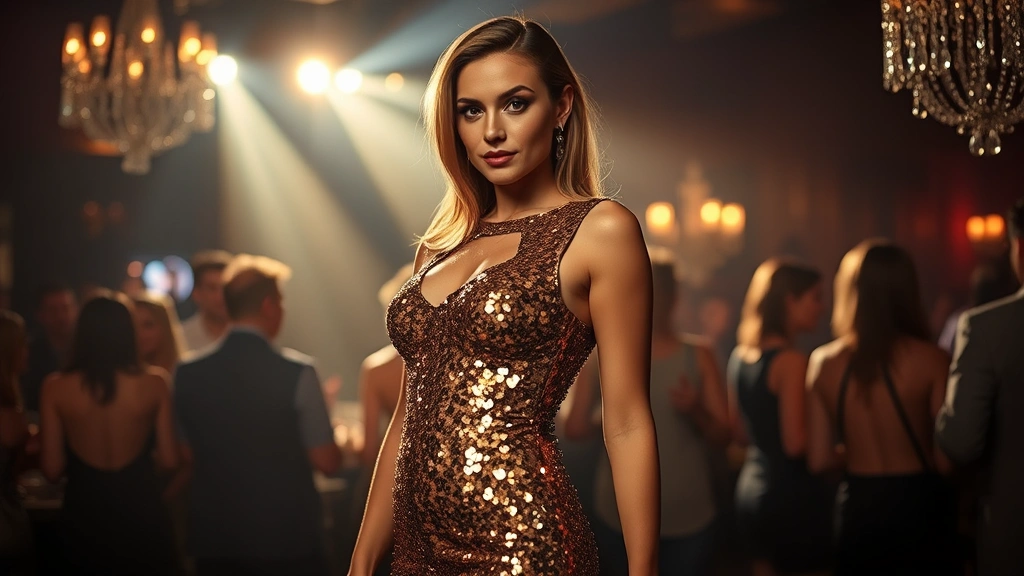
While power dresses dominated daytime professional environments, 80s nightlife demanded maximum visual impact and celebratory excess. Party dresses from this era embraced sequins, metallic fabrics, and bodycon silhouettes that celebrated movement, confidence, and pure fun. These dresses represented liberation from daytime constraints, offering opportunities for self-expression through glamorous, attention-commanding designs.
Sequined dresses became synonymous with 80s nightlife, featuring full-coverage sequin embellishment in gold, silver, or jewel tones. Many featured strategic cutouts, plunging necklines, or dramatic backlessness that created visual intrigue. Metallics offered another popular option, with liquid silver and gold fabrics creating futuristic, eye-catching silhouettes. Bodycon dresses prioritized fitted construction that hugged curves while allowing movement through strategic fabric choices and minimal embellishment.
The brilliance of 80s party dresses lay in their shameless celebration of glamour and visibility. These weren’t subtle garments designed to blend seamlessly—they were statements commanding attention and celebrating the wearer’s confidence. Many featured interesting construction details like asymmetrical hemlines, layered fabrics, or unexpected cutouts that demonstrated advanced garment construction techniques.
Contemporary styling of vintage 80s party dresses requires thoughtful consideration of context and personal comfort levels. These dresses work beautifully for themed events, costume occasions, or fashion-forward social gatherings where bold style choices receive appreciation. Pair with minimal jewelry and modern footwear to balance the dress’s inherent drama. Understanding current fashion trends for women over 50 reveals how mature style enthusiasts successfully incorporate vintage party dresses through refined accessorizing and confident presentation.
Neon and Color Blocking: Bold Palette Mastery
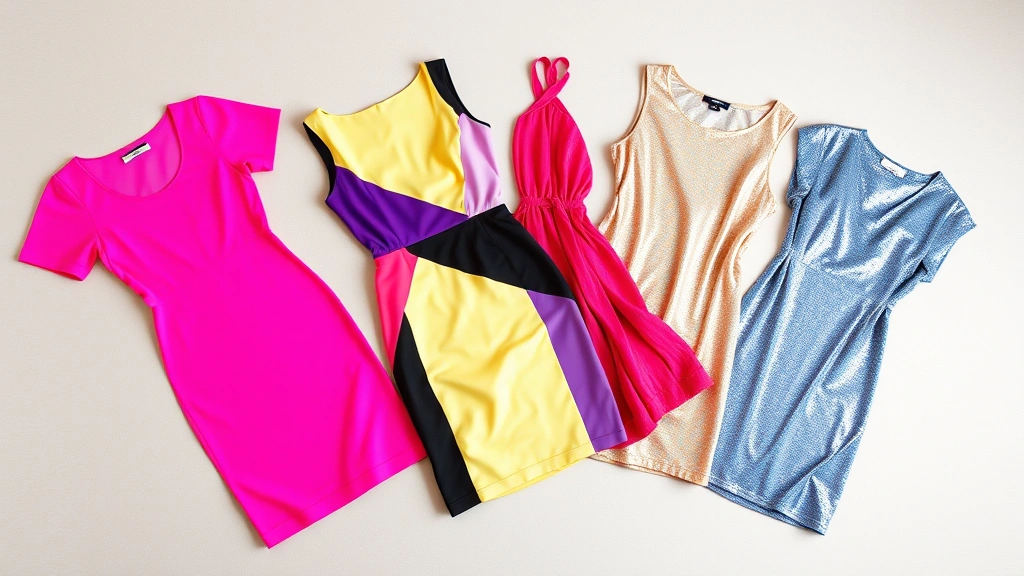
The 1980s exploded with color in ways that previous decades largely avoided, establishing neon hues and bold color combinations as hallmarks of the era’s aesthetic. 80s fashion dresses frequently featured electric neon pink, lime green, cobalt blue, and sunshine yellow in unexpected combinations that somehow created visually cohesive, energetic statements. Color blocking—the strategic placement of contrasting solid colors in geometric patterns—became a signature design technique that defined the decade’s visual language.
Neon dresses served multiple purposes across different contexts. Aerobics and fitness culture embraced neon for visibility and energy during workout sessions. Nightlife settings utilized neon for visual impact and youthful exuberance. Even professional environments occasionally incorporated subtle neon accents through accessories or trim details. The key to successful neon implementation was confidence—these colors demanded bold presentation and refused to fade into background styling.
Color blocking offered another sophisticated approach to 80s palette mastery. Dresses frequently featured bold geometric divisions between contrasting colors: hot pink paired with electric blue, yellow combined with purple, or white creating stark divisions between jewel tones. These combinations required precise color theory understanding, as unsuccessful color blocking appeared chaotic rather than intentional. Successful color blocking created visual interest while maintaining design coherence through strategic proportion and placement.
Contemporary styling of neon and color-blocked 80s dresses requires careful consideration of personal undertones and skin tone compatibility. Not every person successfully wears electric neon, and forcing incompatible colors creates unflattering results. Instead, identify which neon shades genuinely complement your complexion, then build styling around those specific colors. Pair bold dresses with neutral accessories and simplified styling to prevent overwhelming visual chaos. Visit our fashion style section for detailed guidance on color theory and personal palette development.
Fabric Innovation: Synthetics, Spandex, and Texture Play
The 1980s represented a revolutionary moment in fabric technology, with synthetic materials and innovative textile treatments becoming increasingly sophisticated and accessible. 80s fashion dresses frequently showcased these new fabrics, celebrating their unique properties and visual possibilities. Spandex, lycra, and other stretch synthetics allowed for bodycon silhouettes previously impossible with traditional fabrics. Lamé, lurex, and metallic-coated materials created shimmering, futuristic effects. Velour, crushed velvet, and textured synthetics added visual dimension and tactile interest.
Spandex integration represented perhaps the most transformative fabric innovation for 80s dress construction. By combining small percentages of spandex with traditional fabrics, designers created stretchy, body-conforming garments that moved beautifully while maintaining shape retention. This innovation enabled the bodycon silhouettes that defined nightlife fashion throughout the decade. Spandex also appeared in athletic-inspired dresses designed for fitness enthusiasts, creating a category of fashionable activewear that anticipated contemporary athleisure trends.
Metallic fabrics and lamé materials appealed to the decade’s maximalist sensibilities, offering glamorous alternatives to traditional textiles. These materials reflected light dramatically, creating eye-catching visual impact ideal for evening wear and nightlife contexts. Crushed velvet and textured synthetics provided visual and tactile richness, adding luxury appeal to garment construction. Many dresses incorporated multiple fabric types within single designs, creating interesting contrast and visual complexity.
Understanding fabric composition becomes essential when shopping for vintage 80s dresses. Many synthetic materials degrade over time, potentially losing elasticity or developing brittleness. Inspect spandex-containing garments carefully for stretch retention and fiber integrity. Metallic fabrics sometimes crack or peel if improperly stored or dry-cleaned. Consider professional cleaning and careful storage when maintaining vintage pieces, as proper care extends garment longevity significantly.
Styling 80s Dresses for Modern Occasions
Successfully incorporating vintage 80s fashion dresses into contemporary wardrobes requires thoughtful styling choices that honor the dress’s original aesthetic while achieving modern-day appropriateness. The key lies in strategic balance—allowing the dress’s inherent boldness to shine while preventing costume-like or dated appearances through careful accessory and styling decisions.
For professional environments, modern power dress styling emphasizes clean lines and minimal accessorizing. Pair structured 80s power dresses with contemporary blazers, sleek footwear, and modern jewelry. This approach acknowledges the dress’s professional heritage while updating its presentation. Choose solid-colored dresses over heavily patterned options for maximum versatility across different professional contexts. Explore 90s fashion influences for styling inspiration that bridges 80s and contemporary aesthetics, offering transitional approaches to vintage incorporation.
For casual occasions, style 80s dresses with unexpected modern elements that create intentional contrast. Pair a colorful 80s dress with contemporary sneakers, a modern denim jacket, and minimal jewelry for effortlessly cool styling. This juxtaposition communicates fashion awareness and intentional vintage appreciation rather than accidental dated appearance. Layer oversized contemporary pieces over fitted 80s dresses to soften silhouettes while maintaining visual interest.
For special events and parties, lean fully into 80s aesthetics with complete styling that celebrates the era’s boldness. Pair sequined or metallic dresses with statement jewelry, bold makeup, and confidence. This approach works beautifully for themed events, costume occasions, or fashion-forward social settings where bold styling receives appreciation. Consider modern footwear that balances the dress’s inherent drama—sleek heels or contemporary sneakers both work depending on desired overall aesthetic.
Accessorizing Your Vintage 80s Look
Accessories fundamentally transform how vintage 80s dresses read in contemporary contexts. Strategic accessory choices either ground the look in modern sensibility or amplify the era’s maximalist aesthetic, depending on desired effect. Understanding which accessory categories work best with different dress styles enables confident, intentional styling decisions.
Jewelry options range from statement-making to subtle depending on dress boldness. Heavily embellished or colorful dresses pair beautifully with minimal jewelry—perhaps simple stud earrings and a delicate bracelet—allowing the dress to command visual attention. Simpler, solid-colored dresses benefit from bolder jewelry choices: chunky gold chains, geometric earrings, or statement rings that add visual interest. Layered necklaces and multiple bracelets work beautifully with more minimalist dress designs, creating textural richness through accessory accumulation.
Footwear choices significantly impact overall aesthetic. Modern sneakers or contemporary flats create intentional contrast with dramatic 80s dresses, communicating fashion awareness and deliberate styling choices. Classic heels in neutral colors provide timeless elegance that allows dress focus. Bold footwear choices—neon sneakers, metallic heels, or patterned shoes—amplify the era’s maximalist sensibilities for fashion-forward occasions. Consider the occasion and desired overall aesthetic when selecting footwear that either grounds or amplifies vintage elements.
Outerwear and layering options offer another styling opportunity. Contemporary blazers in neutral colors add professional polish to power dresses. Oversized denim jackets create casual contrast with more formal dress silhouettes. Leather jackets introduce edge and modernity to vintage pieces. Cardigans and contemporary sweaters provide layering options for cooler weather while softening dramatic silhouettes. Strategic layering enables year-round styling versatility and occasion-appropriate modifications.
Shopping Guide: Finding Authentic Vintage and Modern Reproductions
Building an 80s-inspired wardrobe requires knowing where to source authentic vintage pieces and quality contemporary reproductions that capture the era’s aesthetic without authenticity compromises. Understanding the differences between genuine vintage, reproduction, and inspired designs helps make informed purchasing decisions aligned with personal preferences and budget considerations.
Authentic vintage 80s dresses offer genuine historical pieces with original construction, materials, and design details. Quality vintage sources include specialized vintage boutiques, reputable online platforms, and estate sales. When purchasing authentic vintage, examine garment condition carefully—check seams for integrity, test fabric elasticity in spandex pieces, and verify all closures function properly. Authentic vintage often commands premium prices reflecting rarity and historical significance. However, authentic pieces offer unique design details, quality construction, and historical authenticity that reproductions cannot replicate.
Contemporary reproductions capture 80s aesthetics through modern production methods and updated materials. Modern retailers increasingly offer 80s-inspired dresses that reference the era’s iconic silhouettes, colors, and design elements. These pieces offer advantages including contemporary sizing standards, modern fabric treatments for improved durability, and accessible pricing. Reproductions work beautifully for those seeking 80s aesthetic without vintage authenticity requirements or budget constraints.
Inspired designs reference 80s elements while maintaining contemporary relevance through updated silhouettes, modern color palettes, and refined construction. These pieces acknowledge 80s influence without attempting direct replication, offering sophisticated approaches to vintage trend incorporation. Many contemporary fashion designers utilize 80s inspiration, creating runway pieces and ready-to-wear collections that celebrate the era while maintaining current relevance.
When shopping for 80s dresses, prioritize quality construction regardless of vintage status. Examine seams, zippers, and fabric integrity carefully. Verify sizing accuracy by measuring vintage pieces and comparing to contemporary standards—80s sizing frequently differs significantly from modern equivalents. Research sellers thoroughly before purchasing, checking reviews and return policies. Consider your personal style and lifestyle needs when selecting pieces, choosing dresses you’ll genuinely wear rather than acquiring items for collection purposes alone.
FAQ
What defines authentic 80s fashion dresses?
Authentic 80s fashion dresses feature distinctive design elements including dramatic shoulder proportions, bold colors or metallics, structured silhouettes, and innovative synthetic fabrics. Power dresses dominate professional contexts while bodycon and sequined styles characterize nightlife wear. These dresses prioritize visual impact and confident self-expression over subtle understatement.
How can I style 80s dresses without appearing costume-like?
Balance the dress’s inherent boldness through strategic accessorizing and layering with contemporary pieces. Pair statement dresses with minimal jewelry and modern footwear. Use contemporary blazers or denim jackets to ground the look in current sensibility. Choose styling that communicates intentional vintage appreciation rather than accidental dated appearance through confident, thoughtful choices.
Where should I shop for 80s fashion dresses?
Authentic vintage pieces are available through specialized vintage boutiques, online platforms like Depop and Vestiaire Collective, and estate sales. Contemporary reproductions appear in modern retailers and online fashion platforms. Visit Style Loom Daily Blog for ongoing shopping recommendations and trend updates.
Are spandex-containing 80s dresses still wearable?
Spandex integrity varies depending on garment age, storage conditions, and care history. Inspect vintage spandex pieces carefully for stretch retention and fiber integrity. Test elasticity by gently stretching fabric and observing recovery. Pieces with compromised spandex may feel uncomfortable or fit improperly. Professional dry cleaning and careful storage extend garment longevity significantly.
Can I wear 80s dresses to professional environments?
Power dresses and solid-colored, professionally-styled 80s dresses work beautifully in professional contexts. Modern power dress styling emphasizes clean lines, minimal accessorizing, and contemporary blazers. Avoid heavily sequined, neon, or dramatically asymmetrical styles in conservative professional environments. Choose professional appropriateness based on your specific workplace culture and industry standards.
What colors work best for 80s-inspired dresses?
Bold, saturated colors define 80s aesthetics: jewel tones like sapphire, emerald, and ruby; neon shades including hot pink and lime green; and metallics like gold and silver. Color blocking combinations of contrasting hues also characterize the era. Consider your personal undertones and skin tone when selecting colors that genuinely complement your complexion rather than forcing incompatible shades.