How to Rock 70s Male Fashion: Expert Advice
The 1970s represent one of the most transformative and iconic eras in men’s fashion history. This decade brought unprecedented freedom, bold experimentation, and a rebellious spirit that challenged traditional menswear conventions. From disco fever to bohemian influences, 70s male fashion continues to captivate contemporary style enthusiasts and designers alike. The era celebrated individuality, vibrant colors, and statement-making pieces that allowed men to express their personalities through clothing in ways previously considered unconventional.
Today, vintage 70s style has experienced a remarkable resurgence in mainstream fashion, with modern designers and fashion influencers drawing inspiration from this golden decade. Whether you’re interested in channeling groovy disco vibes, embracing relaxed bohemian aesthetics, or incorporating subtle retro elements into your wardrobe, understanding the key components of 70s male fashion is essential. This comprehensive guide will walk you through the essential pieces, styling techniques, and expert tips that will help you authentically rock this timeless aesthetic.
Essential 70s Male Fashion Pieces
Building an authentic 70s male wardrobe requires understanding the foundational pieces that defined the decade. The bell-bottom jean stands as perhaps the most iconic element of 70s fashion, characterized by dramatically flared legs that begin at the knee and expand outward. These weren’t merely casual wear; they represented a cultural statement against conformity and traditional dress codes. Pairing bell-bottoms with fitted shirts created the silhouette that defined the era’s most memorable looks.
The leisure suit emerged as the quintessential 70s statement piece, featuring matching jacket and pants in vibrant, often synthetic fabrics. While some modern fashion critics dismiss leisure suits as outdated, contemporary designers like Vogue’s trend forecasters have noted their ironic resurgence in high-fashion circles. These suits typically featured wide lapels, short jackets, and matching shirts, creating a cohesive, coordinated appearance that screamed confidence and style.
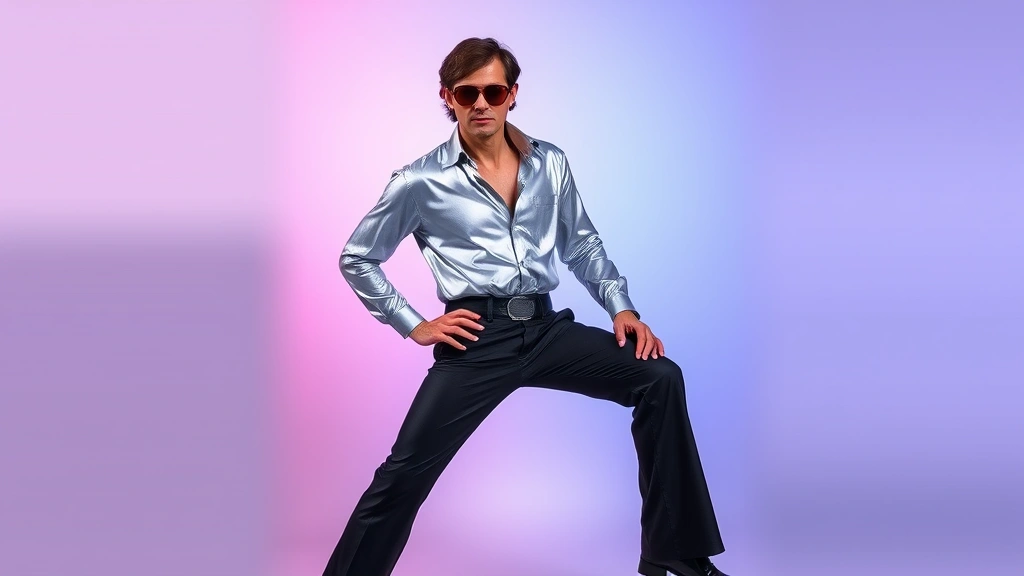
Polyester became the fabric of choice during this era, offering durability, easy care, and a lustrous sheen that caught light beautifully. Shirts featured exaggerated collars, often called butterfly collars or wide-spread collars, which extended dramatically across the chest. These weren’t subtle design choices; they were bold fashion statements that commanded attention. When exploring fashion style from this period, polyester’s prominence cannot be overstated.
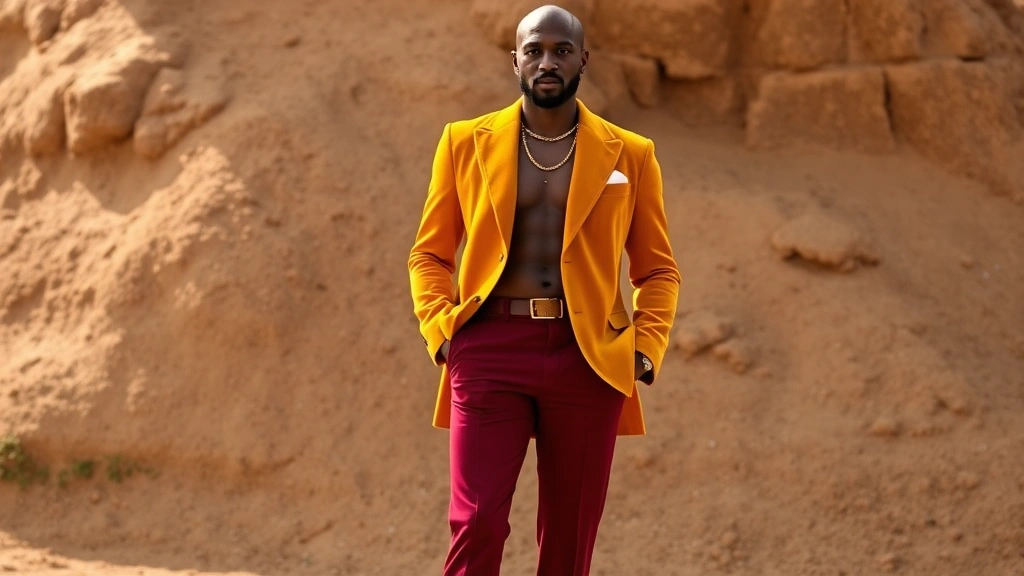
The velvet blazer represented luxury and sophistication within 70s menswear, often worn in jewel tones like emerald, burgundy, and deep purple. These jackets combined texture with elegance, perfect for evening wear or special occasions. Corduroy also gained significant popularity during this decade, offering a more casual alternative while maintaining that distinctive textured appeal that made 70s fashion so visually interesting.
Denim jackets with sherpa or fleece lining provided warmth while maintaining that casual, cool aesthetic that defined the era. These were often oversized and worn with pride, sometimes even as statement pieces over formal wear. The suede or leather jacket in earth tones also became a staple, representing a more bohemian, laid-back approach to 70s male fashion.
Color Palettes and Patterns
The 1970s abandoned the restrained color schemes of previous decades in favor of bold, vibrant, and sometimes clashing color combinations. Burnt orange, mustard yellow, avocado green, and chocolate brown dominated the era’s color palette, reflecting both the natural earth-tone movement and the synthetic brightness of disco culture. These colors weren’t meant to be subtle; they were meant to make an impression and reflect the wearer’s confidence and individuality.
Mixing patterns became not just acceptable but encouraged during the 70s. Paisley patterns adorned shirts, jackets, and even accessories, often paired with geometric prints, floral designs, and abstract motifs. Stripes in contrasting colors were layered over patterned backgrounds, creating visual richness that would seem chaotic by today’s minimalist standards but perfectly captured the era’s maximalist ethos. When considering different types of fashion, 70s style stands out for its fearless approach to color and pattern combination.
The tie-dye aesthetic influenced casual wear throughout the decade, while abstract geometric patterns dominated more formal pieces. Houndstooth, checks, and gingham prints in unexpected color combinations added visual interest without feeling chaotic. The philosophy behind this approach was simple: more is more, and self-expression through bold color choices was paramount.
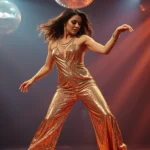
Solid jewel tones—emerald, sapphire, ruby, and amethyst—represented the more sophisticated side of 70s color trends, particularly in evening wear and statement pieces. These colors conveyed luxury and confidence, perfect for disco nights or formal occasions. Metallic accents in gold and copper complemented these rich tones beautifully, adding shimmer and glamour to the overall aesthetic.
The contrast between earth tones and neon brights created visual tension that defined the decade’s dual aesthetic—bohemian naturalism on one end and disco excess on the other. Understanding this color spectrum is crucial for authentically recreating 70s male fashion in contemporary settings.
Iconic Silhouettes and Fits
The silhouette of 70s male fashion emphasized fitted torsos paired with dramatically flared lower sections. This contrast created a distinctive visual profile that immediately evokes the era. Jackets featured exaggerated lapels, often extending nearly to the shoulders, and sometimes included decorative stitching or contrasting fabrics. The jacket length typically hit at the hip, sometimes slightly shorter, maintaining proportion with the fitted upper body.
Shoulders were naturally broad during this era, without the extreme padding that would dominate the 1980s. The fit emphasized the wearer’s physique without being overly tight or restrictive. This balance between structure and movement allowed for the dancing and physical freedom that characterized 70s culture, particularly within disco communities.
High-waisted pants became standard during the 70s, sitting several inches above the natural waist. This created elongated leg lines and emphasized the transition to the dramatic flare. The rise typically measured 13-15 inches, significantly higher than contemporary standards, which fundamentally changed how the entire silhouette appeared. This proportional relationship between the fitted waist and flared leg created the iconic 70s look that remains instantly recognizable today.
Layering played a crucial role in 70s styling, with shirts worn over tank tops or thermal undershirts, creating visible texture and dimension. Open shirts over patterned t-shirts became a signature look, particularly in casual settings. This approach to layering allowed for temperature adjustment while creating visual interest and depth in the overall outfit.
The wrap shirt gained popularity during this period, featuring a crossover front that tied at the side or wrapped around the torso. These shirts, often in knit fabrics, provided a more relaxed, bohemian aesthetic compared to structured button-ups. They were frequently worn unbuttoned or partially open, revealing chest hair and jewelry—a deliberately sensual styling choice that reflected the era’s celebration of body positivity and self-expression.
Footwear and Accessories
Footwear in 70s male fashion was equally bold and distinctive. Platform shoes dominated both casual and formal wear, with soles reaching 1-2 inches thick. These weren’t reserved for women; men wore platform boots, loafers, and dress shoes with equal enthusiasm. The height added presence and drama to any outfit, while also creating the distinctive walk associated with 70s style.
Disco boots in suede or patent leather, often in bold colors or metallic finishes, became iconic symbols of the era’s nightlife culture. These typically featured stacked heels and reached mid-calf, creating a dramatic silhouette when worn with bell-bottom pants. Earth-tone suede boots in tan, brown, and rust complemented the bohemian aesthetic, while shiny patent leather in red, silver, or gold epitomized disco excess.
Loafers, particularly penny loafers and chunky platform loafers, were worn as both casual and semi-formal footwear. Often paired with thick socks in contrasting colors or patterns, these shoes combined comfort with style. Sandals, sometimes worn with thick socks during cooler months, reflected the era’s bohemian influences and comfort-first philosophy.
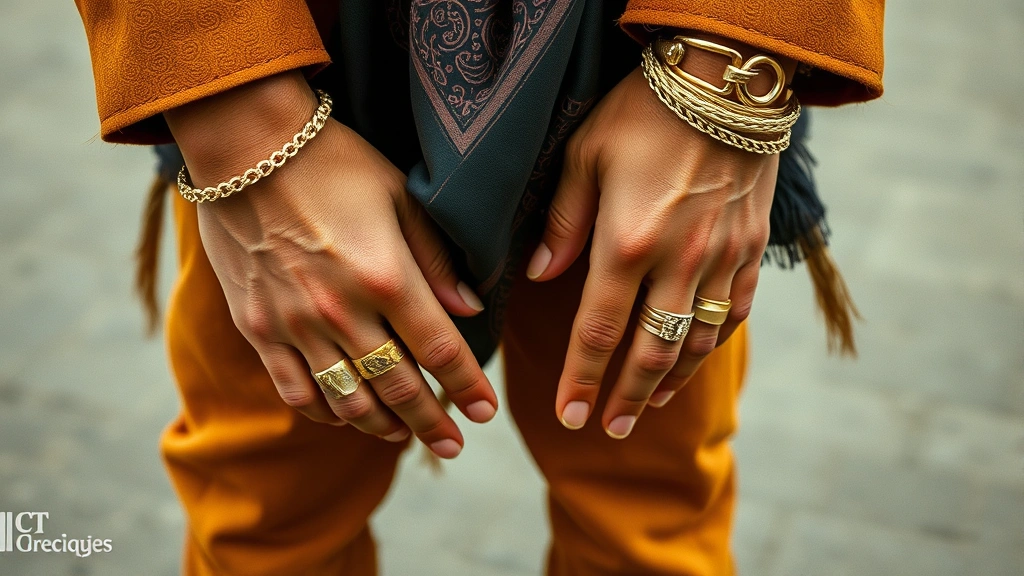
Accessories became essential components of 70s male fashion, with gold chains, thick bracelets, and statement rings adorning wrists and necks. These weren’t delicate pieces; they were substantial, visible, and deliberately eye-catching. Men wore multiple rings on the same hand, layered chains of varying lengths, and oversized watches with chunky bands. This jewelry served as status symbols and personal expression, reflecting both disco glamour and bohemian individuality.
Scarves became significant accessories, worn around the neck, tied at the waist, or draped over the shoulder. Silk scarves in bold patterns or solid jewel tones added movement and sophistication to outfits. Large, floppy hats—including wide-brimmed felt hats, bucket hats, and platform-style hats—completed many 70s looks, particularly within bohemian and funk fashion spheres.
Sunglasses were oversized and distinctive, with tinted lenses in amber, rose, or brown becoming iconic. Large, dark sunglasses worn indoors became a signature style choice, conveying mystery and cool confidence. Chains attached to eyeglasses added extra flair and prevented loss of these essential accessories.
Styling Tips for Modern Wear
Incorporating 70s male fashion into contemporary wardrobes requires strategic choices that honor the era’s spirit while maintaining modern relevance. Rather than adopting the entire aesthetic at once, consider introducing key pieces gradually. A single pair of flared trousers paired with modern basics creates retro interest without appearing costume-like. This approach allows you to test the waters and develop confidence in wearing vintage-inspired pieces.
When exploring how to find your personal style, incorporating 70s elements can help you develop a unique aesthetic. Focus on pieces that genuinely appeal to you rather than forcing yourself into looks that don’t feel authentic. A velvet blazer paired with contemporary jeans creates an interesting contrast, while a patterned shirt worn with neutral trousers balances retro elements with modern sensibilities.
Color blocking—pairing contrasting colors intentionally—captures 70s energy while maintaining contemporary sophistication. Mustard and burgundy, olive and rust, or navy and gold create visual interest without appearing dated. These combinations feel intentional and curated rather than accidental or costume-like.
Mixing vintage pieces with modern basics grounds the look in the present. A 70s-inspired shirt paired with contemporary slim-fit trousers and modern sneakers creates an interesting temporal blend that feels fresh and current. Similarly, a modern blazer worn over a patterned vintage shirt bridges eras effectively.
Proportion is crucial when styling 70s pieces in contemporary contexts. If wearing dramatic bell-bottoms, pair them with a fitted, modern top. If choosing a voluminous, patterned shirt, balance it with slim, neutral bottoms. This approach prevents the outfit from appearing costume-like while maintaining the era’s distinctive aesthetic.
Jewelry should be selected thoughtfully. A single gold chain or a few stacked rings create retro interest without overwhelming the outfit. Modern interpretations of 70s jewelry—sleeker chains, minimalist rings with geometric designs—capture the spirit while feeling contemporary.
Grooming and Hair
70s male fashion extended beyond clothing to encompass a complete aesthetic, including distinctive hairstyles and grooming choices. The decade celebrated natural hair texture, with afros, longer hair, and fuller styles becoming increasingly popular and politically significant. Afros represented cultural pride and identity, while longer hair across all communities symbolized freedom and rejection of establishment norms.
The feathered haircut became iconic during the 70s, featuring layered, swept-back styling that created movement and volume. This style, popularized by celebrities like Steve Perry and David Cassidy, required regular maintenance and styling but created a distinctly 70s appearance. Bangs swept to the side complemented the feathered aesthetic, creating soft, flowing lines around the face.
Facial hair played an important role in 70s male grooming, with mustaches, beards, and sideburns becoming fashion statements. The handlebar mustache experienced renewed popularity, while fuller beards conveyed a bohemian or rugged aesthetic. Sideburns extended dramatically down the cheek, sometimes reaching the jawline, creating a distinctive frame for the face.
Chest hair was celebrated rather than concealed, with men deliberately styling their shirts to reveal this natural feature. This represented a shift toward body positivity and acceptance of natural masculinity. Chest hair was sometimes groomed but never removed, reflecting the era’s embrace of natural human characteristics.
Cologne and grooming products became more elaborate, with men investing in quality shaving creams, aftershaves, and hair care products. The grooming routine became part of the overall aesthetic, reflecting the time and attention devoted to personal presentation. However, the goal was always to enhance natural features rather than create artificial appearances.
When adopting 70s male fashion in contemporary settings, comparing it to other eras like 1920s fashion for men highlights how different decades approached masculinity and self-expression. The 70s celebration of natural texture, body hair, and individual style choices represented a significant departure from previous decades’ more restrained approaches.
FAQ
What are the most essential pieces for a 70s male fashion wardrobe?
The foundational pieces include bell-bottom jeans or flared trousers, a patterned or solid button-up shirt with wide collar, platform shoes or boots, and a statement jacket—whether a leisure suit, velvet blazer, or suede jacket. Begin with these core pieces and build from there, adding accessories and additional items as your comfort with the aesthetic grows.
Can I wear 70s male fashion in professional settings?
Absolutely, though strategic choices are necessary. A tailored flared trouser in a neutral color paired with a modern blazer and contemporary shirt creates a subtle nod to 70s style without appearing unprofessional. Avoid overly bold patterns or colors in conservative professional environments, instead opting for more muted interpretations of the aesthetic.
How do I avoid looking like I’m wearing a costume?
The key is mixing vintage-inspired pieces with contemporary basics and avoiding head-to-toe 70s styling. Wear one or two statement pieces paired with modern items. Focus on fit and proportion, ensuring that pieces work well with your body type. Choose colors and patterns that appeal to you personally rather than forcing trends that don’t feel authentic.
Where can I find authentic 70s pieces?
Vintage clothing stores, online marketplaces like Etsy and eBay, and estate sales offer authentic pieces from the era. Many contemporary brands also create 70s-inspired pieces that capture the aesthetic without requiring extensive vintage hunting. Check both vintage and modern retailers to find pieces that suit your budget and preferences.
Is 70s male fashion still relevant today?
Absolutely. Major fashion designers regularly draw inspiration from 70s aesthetics, and the era’s emphasis on individual expression and bold style choices resonates with contemporary fashion philosophy. Fashion publications continue featuring 70s-inspired collections, confirming the era’s enduring influence on modern menswear.
How do I style 70s pieces for different occasions?
For casual settings, pair flared trousers with a patterned shirt and platform shoes. For semi-formal occasions, wear a velvet or corduroy blazer with tailored trousers and dress shoes. For evening events, embrace disco-inspired pieces like metallic shirts and statement jackets. The key is adjusting formality through fabric choice, fit, and accessories rather than abandoning the aesthetic entirely.