


Revive 70s Hippie Fashion: Expert Tips for Modern Style
The 1970s hippie movement wasn’t just a cultural phenomenon—it was a fashion revolution that challenged conventional aesthetics and celebrated individuality. From flowing bell-bottoms to psychedelic prints, 70s fashion hippie style represented freedom, peace, and self-expression. Today, this iconic era is experiencing a remarkable resurgence, with fashion designers and style influencers drawing inspiration from the bohemian roots of the decade. Whether you’re a devoted vintage enthusiast or simply curious about incorporating retro elements into your contemporary wardrobe, mastering 70s hippie fashion allows you to embrace a timeless aesthetic that feels both nostalgic and refreshingly modern.
The beauty of reviving 70s hippie fashion lies in its versatility and authenticity. Unlike trend-dependent styles that fade quickly, hippie aesthetics celebrate organic materials, earthy tones, and handcrafted details that transcend seasonal changes. This comprehensive guide explores how to authentically incorporate 70s hippie elements into your personal style while maintaining a contemporary edge. We’ll examine key wardrobe staples, styling techniques, and expert recommendations that transform you into a modern-day style icon inspired by this legendary decade.
Essential Hippie Wardrobe Pieces
Building an authentic 70s hippie-inspired wardrobe begins with understanding the foundational pieces that defined the era. Flared jeans remain the cornerstone of hippie fashion, with their dramatic bell-bottom silhouettes creating movement and visual impact. Look for vintage-wash denim in medium to dark indigo, or seek out modern reproductions that capture the authentic proportions without compromising comfort. The key to selecting quality flared jeans involves examining the inseam length—traditional 70s styles feature longer inseams that pool slightly at the ankle, creating that signature cascading effect.
Maxi dresses and skirts represent another essential element, offering romantic femininity that embodies the bohemian spirit. Lightweight fabrics like cotton, linen, and rayon allow for breathability and natural draping. Search for pieces featuring historical fashion timeline references that showcase 70s silhouettes. Floral prints, geometric patterns, and tie-dye designs all align perfectly with hippie aesthetics. Consider investing in both solid-colored maxi pieces and patterned options to maximize styling versatility.
Peasant blouses and crochet tops capture the handmade, artisanal quality synonymous with the hippie movement. These pieces typically feature off-shoulder necklines, puffed sleeves, and intricate textile work that draws attention upward. Vintage peasant blouses often display delicate embroidery or lace detailing that adds visual interest without overwhelming an outfit. Modern interpretations maintain these design elements while incorporating contemporary fabrics and construction methods for improved durability.
Denim jackets and fringe vests provide layering options essential for creating dimension in 70s-inspired outfits. Oversized denim jackets with minimal distressing maintain authenticity, while suede or leather vests trimmed with fringe add dramatic flair. These pieces work equally well over sundresses or casual tees, making them incredibly practical for transitional weather.
Explore personal style development strategies to ensure 70s pieces align with your natural aesthetic preferences. The hippie movement celebrated individuality, so selecting pieces that genuinely resonate with you takes priority over strict adherence to period-accurate details.

Building Your Earthy Color Palette
The 70s hippie color palette draws heavily from nature, emphasizing warm, earthy tones that feel grounded and organic. Warm browns in various shades—from chocolate to caramel to tan—form the neutral foundation of authentic hippie styling. These versatile neutrals pair beautifully with nearly every other color, making them essential for building a cohesive wardrobe.
Burnt orange, rust, and terracotta tones became synonymous with 70s fashion, appearing in everything from suede jackets to ceramic jewelry. These warm, slightly muted oranges create visual warmth without the brightness of contemporary orange shades. When incorporating rust tones, consider pairing them with cream or olive to prevent overwhelming your overall aesthetic.
Olive green and sage represent the earthy greens that permeated 70s design. These muted green tones feel sophisticated and naturalistic, working particularly well in maxi dresses and lightweight outerwear. Avoid bright, neon-adjacent greens that contradict the organic, nature-inspired aesthetic of authentic hippie fashion.
Cream, ivory, and off-white serve as secondary neutrals, offering contrast against darker earthy tones. These soft, warm whites work better than stark, cool-toned whites for maintaining period authenticity. Incorporate these shades in peasant blouses, linen skirts, and layering pieces.
Mustard yellow and golden tones add warmth and cheerfulness without sacrificing the natural aesthetic. These colors appeared frequently in 70s tie-dye patterns and printed fabrics. A mustard-colored sweater or golden-toned scarf brings subtle brightness to otherwise neutral outfits.
Understanding color psychology helps you leverage these tones effectively. Warm colors create approachability and friendliness—values central to hippie philosophy—while maintaining the sophisticated restraint necessary for modern styling. Consider creating a personal color swatch collection featuring your favorite 70s-inspired hues, then intentionally build outfits around these core tones.
Tie-dye and psychedelic patterns deserve special mention within the color palette discussion. While traditionally colorful, authentic 70s tie-dye often employed the earthy tones mentioned above rather than neon alternatives. Look for tie-dye pieces featuring rust, brown, and cream colorways rather than hot pink and electric blue variations that feel more contemporary.
Styling Techniques for Modern Appeal
Successfully reviving 70s hippie fashion requires balancing period authenticity with contemporary sensibilities. The most effective modern hippie looks blend vintage pieces with current styling approaches, creating outfits that feel intentional rather than costume-like. Layering strategically represents the most versatile technique for achieving this balance. Pair a fitted turtleneck under a vintage maxi dress, or layer a cropped crochet vest over a simple tee and high-waisted jeans. These combinations anchor hippie pieces within modern silhouettes.
Explore 70s disco era fashion inspiration for additional styling insights that complement hippie aesthetics. While disco and hippie movements represented different cultural expressions, their fashion elements occasionally intersected, offering interesting hybrid styling opportunities.
Mixing proportions strategically prevents 70s-inspired outfits from reading as historically inaccurate. Pair voluminous maxi skirts with fitted tops, or combine oversized peasant blouses with sleek, tapered pants. This proportion interplay keeps outfits feeling current while honoring the foundational pieces of the era.
Incorporating contemporary basics grounds hippie pieces within modern fashion contexts. A simple white crew-neck tee, black skinny jeans, or neutral blazer immediately modernizes even the most period-specific vintage pieces. This technique allows you to wear authentic 70s items without appearing trapped in the past.
Statement belts serve multiple functions in 70s-inspired styling. Wide leather belts with ornate buckles emphasize waistlines, creating definition and silhouette structure. Macramé or woven belts add textural interest while maintaining the handmade aesthetic central to hippie fashion. Belts also bridge vintage and contemporary pieces, creating visual cohesion across outfit components.
Experimenting with hemlines offers creative styling flexibility. Pair high-waisted flared jeans with cropped tops to create proportion balance, or wear maxi dresses with fitted cardigans for unexpected combinations. The key involves intentionally manipulating silhouettes rather than defaulting to standard pairings.
Consider consulting Vogue’s trend forecasting for insights into how fashion editors interpret 70s inspiration in contemporary contexts. Major fashion publications regularly feature 70s-inspired collections and styling guides that demonstrate professional approaches to modern hippie fashion.
Statement Accessories That Define the Era
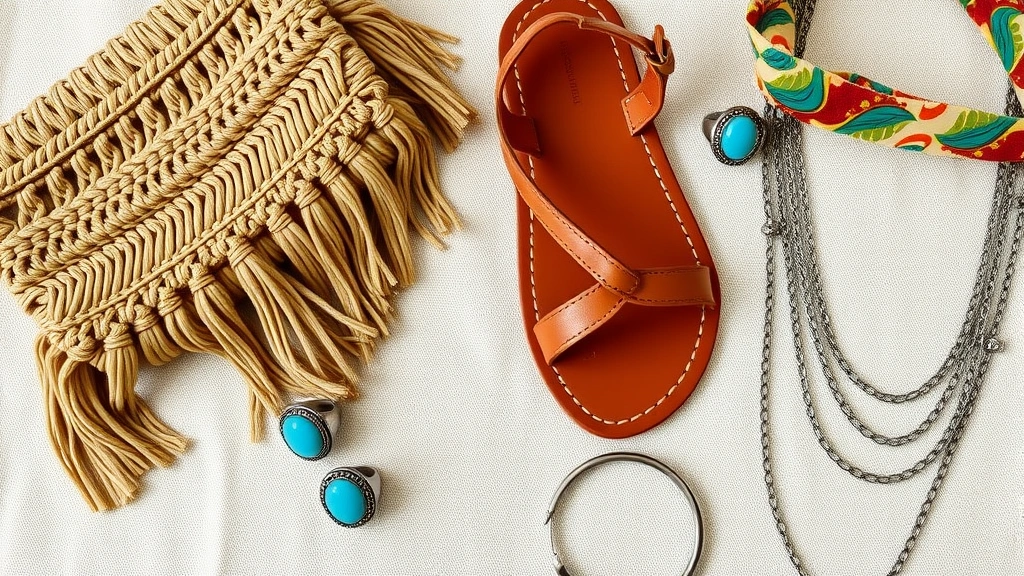
Accessories elevate 70s hippie fashion from casual to intentional, transforming basic outfits into cohesive style statements. Macramé bags and shoulder bags represent quintessential hippie accessories, featuring intricate knotwork and natural fiber construction. These pieces work beautifully as everyday bags or evening accessories, maintaining functionality while adding visual interest. Look for bags featuring long shoulder straps that allow hands-free carrying—a practical element that aligns with the active, movement-oriented lifestyle hippie culture celebrated.
Layered necklaces and pendant jewelry create depth and personality in hippie styling. Combine delicate chain necklaces with statement pendants featuring natural stones, crystals, or symbolic charms. The key involves selecting pieces with varying chain lengths and pendant sizes, creating visual rhythm. Avoid overcrowding the neckline; typically three to four layered necklaces achieve optimal balance without appearing cluttered.
Rings—particularly turquoise and silver combinations— reference Native American jewelry influences prevalent in 70s hippie aesthetics. Stack multiple rings across different fingers, or select statement rings featuring large stones that draw attention to hand details. These pieces work equally well in casual daytime styling or evening presentations.
Headbands and head scarves offer practical styling solutions while maintaining authentic hippie vibes. Fabric headbands worn across the forehead became iconic symbols of the era, appearing in countless photographs and cultural references. Modern interpretations incorporate contemporary fabrics while maintaining the fundamental design. Alternatively, silk scarves tied around the crown or woven through hair create bohemian elegance suitable for both casual and formal occasions.
Sunglasses with large, tinted lenses capture the carefree, sun-soaked aesthetic of 70s culture. Oversized round frames or oval-shaped lenses in amber, brown, or rose tints align perfectly with period accuracy. These accessories serve functional purposes while contributing significantly to overall style coherence.
Shawls and ponchos provide layering options while adding texture and movement. Lightweight fringe shawls work beautifully over summer dresses, while heavier knit ponchos offer warmth during cooler seasons. These pieces create visual drama while maintaining the relaxed, effortless aesthetic central to hippie fashion philosophy.
Footwear Choices for Authentic Vibes
Leather sandals and strappy flip-flops represent the most iconic hippie footwear, emphasizing natural materials and minimal construction. Look for leather sandals featuring simple straps, wooden soles, or cork bases. These pieces work beautifully in warm-weather styling and pair perfectly with maxi dresses, flared jeans, or flowing skirts.
Suede boots in earthy tones offer cold-weather alternatives that maintain authentic hippie aesthetics. Knee-high or thigh-high suede boots in brown, tan, or rust tones pair beautifully with maxi skirts, dresses, or flared jeans. The soft texture of suede references the handcrafted, natural quality valued in hippie fashion.
Moccasins and loafers provide casual comfort while honoring the era’s emphasis on natural materials and relaxed styling. Soft leather moccasins work particularly well in neutral earth tones, complementing both casual and slightly more formal hippie-inspired outfits.
Platform shoes and wedges captured the playful spirit of 70s fashion while providing height and visual impact. Modern platform sandals in leather or suede offer height without the structural intensity of heeled options, maintaining the comfort-conscious approach central to hippie values.
Avoiding athletic or overly contemporary footwear maintains styling authenticity. Sneakers, running shoes, and modern sportswear footwear contradict the natural, organic aesthetic of 70s hippie fashion. If contemporary comfort is essential, select minimalist leather sneakers in neutral tones that blend seamlessly with vintage pieces.
Hair and Makeup Inspiration
Completing 70s hippie fashion involves thoughtful hair and makeup choices that complement your wardrobe while celebrating the era’s aesthetic philosophy. Long, flowing hair with natural texture defines the quintessential hippie look. Whether naturally straight, wavy, or curly, embracing your hair’s inherent texture aligns with the movement’s celebration of natural beauty. Avoid heavily processed styles; instead, work with your natural hair type to create effortless, relaxed waves and movement.
Center parts and braids offer styling options that feel authentically 70s while requiring minimal daily maintenance. A deep center part creates a soft, approachable frame for your face, while simple braids—particularly side braids or crown braids—add dimension and interest without appearing overly styled. Incorporate ribbons, leather cords, or small beads into braids for added personality.
Minimal makeup emphasizing natural features aligns with hippie philosophy’s rejection of excessive artifice. Focus on enhancing your natural complexion through light foundation or tinted moisturizer, allowing your skin to appear fresh and unencumbered. Add warmth through cream blush in peachy or coral tones, avoiding harsh contouring or dramatic color application.
Earth-toned eyeshadow in browns, golds, and bronze shades complements the overall color palette while maintaining authenticity. Apply eyeshadow softly, blending multiple shades to create depth without harsh definition. Brown or bronze eyeliner, applied loosely rather than in precise wings, captures the relaxed aesthetic of 70s makeup.
Bronzed, sun-kissed skin represents the ideal complexion for hippie styling, evoking images of outdoor festivals and natural living. Consider using warm-toned bronzer to enhance your natural skin tone, creating the appearance of time spent in sunlight without damaging your skin through actual sun exposure.
Lips in warm, natural tones complete the makeup look. Terracotta, rust, or warm brown lipsticks align perfectly with the color palette, while nude and peachy shades offer subtle alternatives. Avoid cool-toned reds or pinks that contradict the warm aesthetic; instead, select warm reds with orange undertones for special occasions.
Where to Source Authentic Pieces
Finding genuine 70s hippie fashion pieces requires strategic shopping across multiple venues. Vintage boutiques and specialized retailers offer curated selections of authentic period pieces, though prices often reflect their rarity and desirability. When shopping vintage, inspect pieces carefully for quality, construction integrity, and any damage that might affect wearability.
Online vintage marketplaces like Depop, Vestiaire Collective, and The RealReal provide access to extensive inventories with detailed photography and seller ratings. These platforms allow you to search specifically for 70s pieces, filtering by size, color, and price point. Always request additional photographs and detailed condition descriptions before purchasing.
Thrift stores and local consignment shops occasionally yield incredible finds at reasonable prices. Regularly visiting your favorite thrift locations increases the likelihood of discovering authentic pieces. Develop relationships with shop employees who can alert you when 70s items arrive.
Fashion retailers specializing in contemporary hippie-inspired pieces offer modern reproductions capturing authentic aesthetics without the vintage price point. Brands like Free People and Anthropologie regularly feature 70s-inspired collections. While new pieces lack the authenticity of genuine vintage items, they provide accessible alternatives for building a cohesive wardrobe.
Investigate Style Loom Daily’s fashion article collection for additional shopping recommendations and styling inspiration. Fashion blogs frequently feature shopping guides highlighting retailers offering quality 70s-inspired pieces.
Estate sales and auctions present opportunities for discovering authentic pieces, often at lower prices than specialized vintage retailers. These venues require patience and regular attendance, but dedicated hunters frequently uncover incredible finds.
DIY and customization options allow you to create personalized 70s-inspired pieces. Customizing basic denim jackets with embroidery, fringe, or patches transforms contemporary pieces into unique statements. Adding leather fringe to existing bags, dyeing clothing in tie-dye patterns, or hand-stitching details onto garments celebrates the DIY ethos central to hippie culture.
Review The Fashion Spot’s trend forecasting for current recommendations on retailers offering quality 70s-inspired pieces. Fashion industry experts regularly feature emerging retailers and established brands creating authentic reproductions.
FAQ
How can I wear 70s hippie fashion without looking like I’m in costume?
Balance vintage pieces with contemporary basics. Pair a vintage maxi dress with a modern white tee underneath, or style flared jeans with a contemporary cropped sweater. This mixing of eras feels intentional and fashion-forward rather than historically themed. Additionally, ensure your styling reflects current trends in proportion, hair, and makeup rather than attempting complete period accuracy.
Are expensive vintage pieces worth the investment?
Authentic vintage pieces from reputable sources typically offer superior quality and construction compared to modern reproductions. However, assess your budget and usage patterns before investing significantly. If you plan wearing pieces regularly, higher-quality vintage items justify the expense. For occasional styling or experimentation, contemporary reproductions offer excellent value.
How do I care for delicate vintage fabrics?
Always check garment tags for specific care instructions. Gentle hand-washing in cool water with mild detergent preserves delicate fabrics like silk, linen, and vintage synthetics. Avoid machine washing, hot water, and harsh detergents. Air-dry pieces flat or hung to prevent stretching. Professional dry-cleaning offers additional protection for particularly valuable pieces.
Can I incorporate 70s hippie fashion with other style aesthetics?
Absolutely. Hippie fashion blends beautifully with bohemian, minimalist, and even contemporary styles. A maxi skirt pairs equally well with a sleek contemporary top as it does with a vintage peasant blouse. The key involves intentional mixing and proportion balance. Explore 90s fashion styling approaches for additional hybrid aesthetic inspiration.
What’s the difference between authentic hippie fashion and bohemian style?
While related, these aesthetics differ subtly. Hippie fashion emerged from a specific cultural movement emphasizing peace and countercultural values, featuring particular silhouettes and design elements. Bohemian style represents a broader aesthetic celebrating artistic expression and unconventional living. Hippie fashion is more historically specific, while bohemian style offers wider interpretive freedom.
How do I find my size in vintage clothing?
Vintage sizing differs significantly from contemporary standards. Always check specific measurements rather than relying on labeled sizes. Request detailed measurements from sellers, comparing them against garments you currently own. Understand that vintage pieces sized small may fit differently than modern small sizes. Building relationships with vintage retailers helps identify their sizing patterns.
Are there sustainable ways to embrace 70s hippie fashion?
Absolutely. Shopping vintage and secondhand aligns perfectly with sustainability values. Customizing existing pieces rather than purchasing new items reduces consumption. Supporting small vintage retailers and independent sellers over mass-produced alternatives promotes sustainable fashion practices. Additionally, investing in quality pieces you’ll wear regularly maximizes sustainability by extending garment lifecycles.

