60s Fashion for Men: Expert Style Guide
The 1960s represent one of the most revolutionary decades in men’s fashion history, a time when traditional tailoring collided spectacularly with youth culture, counterculture movements, and bold experimentation. From the sharp mod suits of London to the relaxed hippie aesthetic that emerged later in the decade, 60s fashion for men offered unprecedented diversity in personal expression. This era shattered the rigid conformity of the previous generation, introducing silhouettes, colors, and attitudes that continue to influence contemporary menswear today.
Whether you’re drawn to the precision of early-60s tailoring or the liberated spirit of late-decade bohemianism, understanding the nuances of 60s fashion for men unlocks timeless styling principles. The decade’s influence extends far beyond nostalgia—it established the foundation for modern casual wear, demonstrated the power of subculture in shaping mainstream fashion, and proved that men’s fashion could be as adventurous and expressive as women’s. This comprehensive guide explores the iconic styles, key pieces, and styling techniques that defined an unforgettable era.
Early 60s Mod Movement: Sharp Tailoring and Youth Rebellion
The mod movement that dominated the early 1960s, particularly in Britain, represented a dramatic departure from the conservative menswear standards of previous decades. Mods—short for modernists—were young, working-class men who rejected their parents’ fashion sensibilities in favor of clean lines, precise tailoring, and Continental influences. This wasn’t rebellion through slovenliness; rather, it was rebellion through impeccable grooming and sharp sophistication. The mod aesthetic emphasized fitted silhouettes, minimal ornamentation, and an almost military precision in presentation.
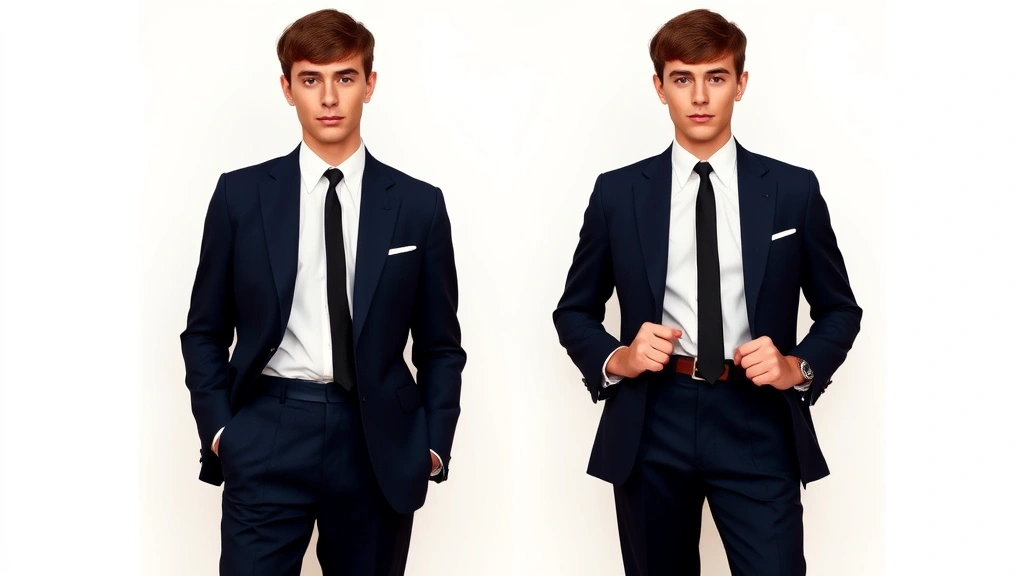
Central to the mod wardrobe was the slim-fit suit, characterized by narrow lapels, high button stances, and trousers that tapered dramatically at the ankle. These suits were often single-breasted with two or three buttons, and the jacket length was significantly shorter than traditional tailoring, typically ending at the hip rather than covering the full seat. Colors ranged from classic blacks and grays to unexpected choices like burgundy, forest green, and even pastel shades. The silhouette was deliberately youthful and contemporary, designed to create a visual distance from the baggy, old-fashioned suits worn by older generations.
Complementing the suit was the button-down shirt, often in white, pale blue, or subtle patterns like gingham or tattersall. These shirts featured the distinctly British detail of buttoned collar points, which kept the collar crisp and defined. Skinny ties in solid colors or geometric patterns added another layer of sharp detail, often paired with distinctive tie clips or pins that became personal expressions of style. The mod aesthetic required meticulous attention to proportions—every element had to work in harmony to create that coveted streamlined appearance. This approach to tailoring influenced 1950s men’s fashion evolution, creating a clear generational shift.
Footwear played an equally crucial role in the mod movement. Chelsea boots with elastic side panels became iconic, offering both comfort and a distinctly modern silhouette. Alternatively, mods wore Beatle boots—ankle-high boots with a Cuban heel that provided just enough height to elongate the leg line within the narrow trouser silhouette. Loafers, particularly penny loafers in polished leather, offered a slightly dressier alternative for evening wear. The shoes were always impeccably maintained, often polished to a mirror shine, reflecting the mod obsession with detail and presentation.
Accessories completed the mod look with considerable importance. Parkas—lightweight jackets with large hoods and practical pockets—became quintessential mod outerwear, originally chosen for their practicality but eventually becoming fashion statements in their own right, often in bold colors or patterns. Skinny scarves, occasionally worn as neckerchiefs, added Continental flair. Hair was equally important, with the mod cut—short, neat, and precisely styled—becoming as iconic as the clothing itself. Understanding this foundational period helps contextualize fashion history evolution throughout the decade.
Mid-Decade Evolution: The British Invasion and Psychedelic Influences
As the 1960s progressed into the middle years, 60s fashion for men began incorporating influences from the British music invasion, particularly the impact of The Beatles, The Rolling Stones, and other groups who challenged conventional aesthetics. The sharp precision of early mod gave way to slightly more relaxed silhouettes, though tailoring remained impeccable. This period, roughly 1964-1966, represented a fascinating transition point where traditional menswear began absorbing youth culture influences without completely abandoning formal structure.
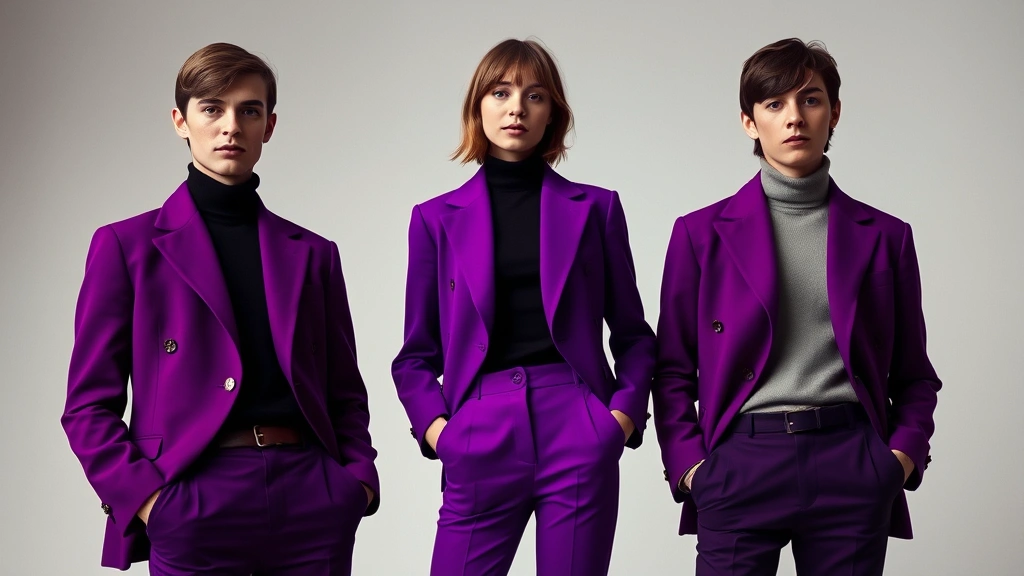
The collarless jacket emerged as a defining piece of this era, inspired by the suits worn by The Beatles during their early performances. These jackets maintained the slim silhouette and precise tailoring of mod styles but eliminated the traditional lapels entirely, creating a more streamlined, almost uniform appearance. Often constructed in bold colors—electric blue, deep purple, or striking patterns—collarless jackets represented a bold statement of modernity. They could be dressed up with formal trousers or paired with jeans for a more casual aesthetic, demonstrating the increasing flexibility of menswear during this period.
Paisley patterns, floral prints, and other decorative motifs began appearing on shirts and even jackets during the mid-60s, influenced by psychedelic art and expanding consciousness. These weren’t subtle patterns; they were bold, eye-catching designs that represented a conscious rejection of the minimal color palette of early 60s fashion. However, even as patterns became more adventurous, the tailoring remained relatively structured. Men wore these patterned pieces with fitted trousers or, increasingly, with slim-fit jeans that maintained the leg line proportions established by earlier mod fashion.
The turtleneck sweater became another iconic piece of mid-60s menswear, offering a more casual alternative to button-down shirts while maintaining sophistication. Often worn under blazers or with slim-fit trousers, turtlenecks provided warmth and visual interest without the formality of traditional collared shirts. This piece represented the growing acceptance of casual elements within relatively formal ensembles, a trend that would accelerate as the decade progressed.
Hair and grooming standards shifted subtly during this period as well. While the mod cut remained popular, hair began growing slightly longer, reflecting the influence of musicians and the gradual relaxation of strict grooming codes. The emphasis on neatness and precision remained, but the silhouette became slightly less severe, allowing for more individual variation in styling.
Late 60s Hippie and Counterculture Fashion
By the late 1960s, particularly after 1966-1967, 60s fashion for men underwent another dramatic transformation as the hippie movement and broader counterculture challenged virtually every established convention. Where early 60s mod represented rebellion through perfection, late 60s hippie fashion represented rebellion through deliberate rejection of conventional grooming and tailoring standards. This wasn’t carelessness, however—it was a carefully constructed aesthetic of anti-fashion that paradoxically became highly influential.
The bell-bottom trouser became the defining silhouette of late-60s fashion, representing a complete reversal of the narrow, tapered lines that had dominated the decade’s earlier years. These trousers featured dramatically flared legs that widened from the knee downward, often with a hem that extended slightly over the top of shoes. Bell-bottoms could be constructed from denim for a casual look or from more formal fabrics like corduroy or velvet for dressier occasions. The exaggerated silhouette created a distinctive visual impact that immediately signaled alignment with countercultural values.
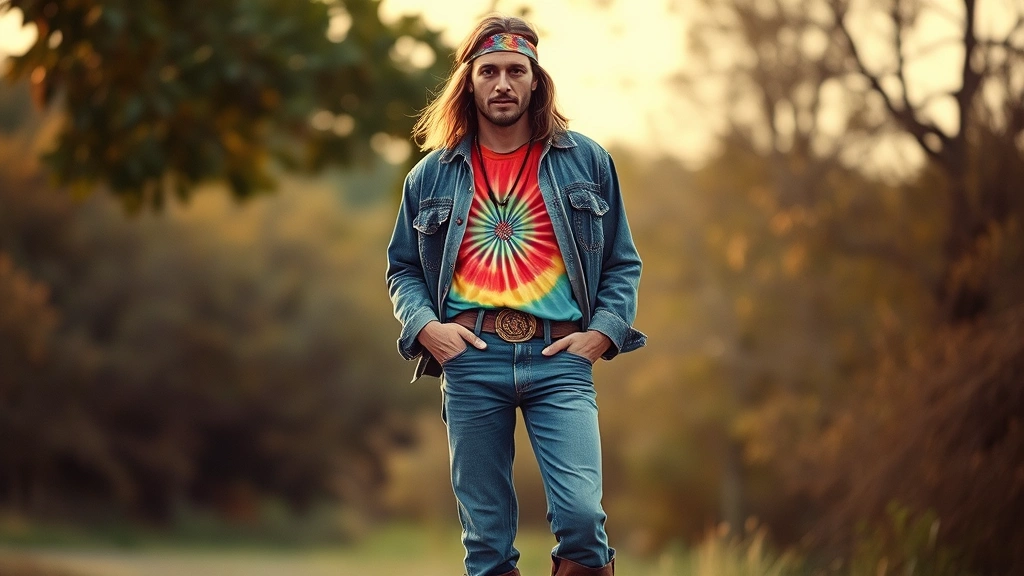
Denim became the material of choice for late-60s youth fashion, representing both practicality and symbolic rejection of traditional menswear formality. Worn jeans, deliberately faded or distressed through actual wear rather than manufactured processes, became status symbols within countercultural communities. Denim jackets, often adorned with embroidered patches, pins, or painted designs, served as canvases for personal expression and political messaging. This represented a fundamental shift in how men conceptualized their wardrobes—clothing became vehicles for identity expression and political positioning rather than primarily signals of social status or professional position.
Shirts underwent equally dramatic transformations during this period. Tie-dye became the quintessential pattern, created through various techniques that produced swirling, psychedelic designs in multiple colors. Worn loose and untucked, often left partially unbuttoned to reveal the chest, tie-dye shirts represented complete rejection of the structured, buttoned-up aesthetic of earlier years. Alternatively, men wore flowing, embroidered shirts inspired by various global traditions—Indian tunics, Mexican peasant shirts, and other garments that suggested spiritual seeking and cultural exploration.
Footwear shifted toward comfort and practicality. Sandals, often handcrafted leather styles, became acceptable casual wear despite their previous association with only the most informal contexts. Boots remained popular but took on different forms—cowboy boots, work boots, and other utilitarian styles that suggested connection to authentic, working-class traditions. The careful shoe polish and maintenance obsession of mod culture gave way to a more relaxed attitude toward footwear maintenance, though worn-in leather often developed its own aesthetic appeal.
Accessories became increasingly important as expressions of individual identity and group belonging. Long beaded necklaces, leather fringe, decorative belts with large buckles, and headbands became standard elements of the hippie wardrobe. Hair grew significantly longer, often worn natural and unstructured, sometimes with beads or feathers woven throughout. Facial hair, which had been carefully controlled in earlier decades, became acceptable and even fashionable, with beards and mustaches signaling rejection of conventional masculinity standards.
The layer approach to dressing became characteristic of late-60s fashion, with men combining multiple pieces in unexpected ways—vests over shirts, jackets over vests, scarves and wraps adding additional visual complexity. This layering created a deliberately bohemian, slightly chaotic aesthetic that contrasted sharply with the precise coordination of early 60s mod fashion. Understanding how to develop personal style became increasingly important as fashion became more individualized.
Essential 60s Fashion Pieces for Modern Wardrobes
Building a 60s-inspired wardrobe today requires understanding which pieces maintain timeless appeal and how to style them for contemporary contexts. Several key pieces from across the decade offer versatile options for modern men seeking to incorporate vintage inspiration into their wardrobes.
The slim-fit suit remains perhaps the most universally wearable 60s piece, offering the sharp tailoring and clean lines that defined early-decade style. Modern slim-fit suits have refined the proportions slightly from their 1960s predecessors, but the essential aesthetic—fitted through the shoulders and torso, tapered through the leg—maintains the youthful sophistication that made mod suits so revolutionary. Pair a slim-fit suit in classic navy or gray with a white button-down shirt and skinny tie for an authentically inspired look, or modernize it with contemporary accessories and grooming.
The parka transcends its 60s origins to remain a genuine modern staple. Originally practical outerwear, the parka’s large hood, useful pockets, and water-resistant construction made it ideal for both mod scooter culture and casual wear. Contemporary parkas maintain these functional elements while offering updated fits and modern fabric technologies. The parka works equally well over casual jeans or with more formal trousers, making it one of the most versatile pieces in a 60s-inspired wardrobe. Those interested in exploring jacket styling techniques will find similar principles applicable to parka styling.
The Chelsea boot maintains enduring appeal, offering both the historical authenticity of 60s fashion and genuine practicality for contemporary wear. The elastic side panels provide easy entry and exit while maintaining a sleek silhouette, and the modest heel adds subtle visual interest without appearing overtly fashionable or dated. Chelsea boots in black leather work with virtually any outfit from formal to casual, making them perhaps the single most versatile footwear choice for 60s-inspired dressing.
The turtleneck sweater offers another universally flattering piece that works across different 60s aesthetic approaches. In solid colors—navy, black, cream, or burgundy—a fitted turtleneck provides sophistication and warmth. Layer it under a blazer for a mod-inspired look or wear it alone with well-fitted trousers for a more relaxed approach. The turtleneck’s clean lines and minimal visual complexity make it endlessly adaptable to various styling contexts.
For those drawn to late-60s aesthetics, bell-bottom or flared trousers have experienced genuine revivals in contemporary menswear. Modern versions typically offer slightly more moderate flare than authentic 1960s examples, making them more wearable in contemporary contexts while maintaining the essential silhouette. Pair flared trousers in solid colors or subtle patterns with fitted shirts and boots for a balanced, authentically inspired look.
The denim jacket serves as a foundational piece that bridges early and late-60s aesthetics. A well-constructed denim jacket in classic blue denim offers casual sophistication, working over button-down shirts with tailored trousers or over t-shirts with jeans. The beauty of the denim jacket lies in its genuine versatility and the way it improves with age and wear, developing character and patina that adds visual interest.
Modern Styling Tips for 60s Fashion
Successfully incorporating 60s fashion into contemporary wardrobes requires understanding how to balance authenticity with modern sensibilities. The following strategies help achieve 60s-inspired looks that feel current rather than costume-like.
Proportions remain paramount. Whether adopting early-60s slim tailoring or late-60s flared silhouettes, the key to looking intentional rather than dated is ensuring that proportions work harmoniously. An early-60s inspired outfit with slim-fit trousers, fitted jacket, and narrow tie works because each element reinforces the overall silhouette. Similarly, a late-60s look with flared trousers, oversized shirt, and layered pieces creates coherence through deliberate proportion choices. Mixing proportions from different eras—pairing early-60s slim silhouettes with late-60s flared trousers, for example—typically results in visual confusion rather than creative fusion.
Color coordination matters. Early 60s mod fashion often featured bold color blocking—solid colors working in clear contrast. Late 60s fashion embraced more complex color relationships, with multiple patterns and tones coexisting. Choose one approach and commit to it rather than attempting to blend them. For an early-60s look, select a primary color for your suit and keep accessories in complementary solids. For a late-60s approach, embrace pattern mixing but ensure color harmony across pieces.
Quality construction signals authenticity. The original mod movement, despite its youth culture associations, valued impeccable tailoring and quality construction. Similarly, authentic hippie fashion, despite its anti-establishment positioning, featured well-made pieces—quality denim, carefully constructed leather goods, and durable fabrics. Investing in well-made pieces, whether contemporary versions of 60s styles or actual vintage pieces, ensures that your 60s-inspired look conveys intention and respect for the aesthetic rather than appearing cheap or costume-like.
Grooming and hair styling complete the look. 60s fashion was never simply about clothing; it was about total aesthetic presentation. For an early-60s mod look, invest in a precise haircut—short, neat, and carefully styled. For a late-60s look, longer hair is appropriate, but it should be clean and relatively well-maintained. Facial hair choices matter significantly; a deliberately groomed beard reads differently than stubble or ungroomed facial hair. Consider your overall grooming philosophy as part of your 60s aesthetic choice.
Mix vintage and contemporary pieces strategically. Wearing entirely vintage clothing can read as costume or theatrical, while entirely contemporary pieces lose the authentic spirit of 60s fashion. Consider combining one or two genuine 60s pieces—perhaps a well-maintained vintage suit or authentic denim jacket—with contemporary basics and accessories. This approach honors the aesthetic while maintaining modern sensibilities about fit and fabric quality.
Understand context and occasion. Early-60s mod fashion works beautifully for formal and semi-formal occasions—it’s essentially tailored menswear with updated proportions. Late-60s fashion, with its emphasis on casual materials and relaxed silhouettes, suits informal contexts. Attempting to wear late-60s hippie fashion to formal occasions or early-60s mod styling to casual settings creates visual discord. Choose your 60s aesthetic approach based on the contexts where you’ll actually wear the clothing.
Develop a cohesive personal aesthetic. Rather than randomly incorporating 60s pieces, consider developing a consistent approach to your overall style. You might decide to embrace early-60s mod as a foundational aesthetic, building a wardrobe around slim-fit suits, quality basics, and precise tailoring. Alternatively, you might adopt a late-60s bohemian approach with flared trousers, layered pieces, and more relaxed silhouettes. The process of finding personal style involves understanding which aesthetic genuinely resonates with you rather than randomly adopting elements from different eras.
FAQ
What are the most iconic 60s fashion pieces for men?
The most iconic pieces include slim-fit suits with narrow lapels, Chelsea boots, parkas, turtlenecks, button-down shirts with buttoned collar points, collarless jackets, bell-bottom trousers, denim jackets, and tie-dye shirts. These pieces represent different moments throughout the decade and offer various entry points for incorporating 60s fashion into modern wardrobes.
How do I style a 60s-inspired outfit for contemporary settings?
Begin by choosing whether you’re drawing from early-60s mod or late-60s hippie aesthetics, as these represent quite different styling approaches. For early-60s: pair a slim-fit suit with a white button-down shirt, skinny tie, and Chelsea boots. For late-60s: combine flared trousers with a patterned or solid shirt, layer with a denim or suede jacket, and add accessories like beads or scarves. Ensure proportions work harmoniously and that your grooming complements your clothing choices.
Are 60s fashion trends still relevant today?
Absolutely. Many 60s pieces—slim-fit suits, Chelsea boots, parkas, and quality denim—remain contemporary staples. Additionally, the 1960s established enduring principles about how fashion can express identity and group belonging, principles that remain deeply relevant. Contemporary fashion designers regularly reference 60s aesthetics, and vintage 60s pieces remain highly desirable in fashion markets.
Where can I find authentic 60s fashion pieces?
Vintage clothing retailers, both online and physical locations, offer authentic 60s pieces. Platforms like Etsy, Depop, and specialized vintage dealers provide access to genuine period clothing. Additionally, contemporary designers create new pieces inspired by 60s aesthetics, offering updated versions with modern fits and fabrics. When shopping vintage, examine construction quality, sizing accuracy, and condition carefully.
What’s the difference between mod and hippie fashion?
Mod fashion, dominant in the early-to-mid 60s, emphasized precise tailoring, clean lines, minimal ornamentation, and impeccable grooming. Hippie fashion, dominant in the late 60s, embraced relaxed silhouettes, bold patterns, natural fabrics, longer hair, and deliberately anti-establishment aesthetics. Mod represented rebellion through perfection; hippie represented rebellion through rejection of conventional standards. Both movements used fashion to signal identity and group belonging, but through entirely different aesthetic approaches.
Can I mix 60s fashion with contemporary pieces?
Yes, mixing vintage 60s inspiration with contemporary basics is an effective strategy for creating modern-looking outfits that honor the decade’s aesthetics. Combining a vintage slim-fit suit with contemporary shoes and accessories, or pairing vintage bell-bottoms with a modern t-shirt, allows you to incorporate 60s elements without appearing costume-like. The key is ensuring that proportions and overall aesthetic coherence remain intact.
What hairstyles complement 60s fashion?
For early-60s mod looks, the mod cut—short, neat, precisely styled—is ideal. For mid-60s fashion, slightly longer hair with careful styling works well. For late-60s hippie looks, longer, naturally textured hair, sometimes with beads or feathers, is appropriate. Facial hair choices also matter; carefully groomed beards and mustaches suit late-60s aesthetics, while the early-60s mod look typically featured clean-shaven faces. Your hair should feel intentional and complete your overall aesthetic presentation.