

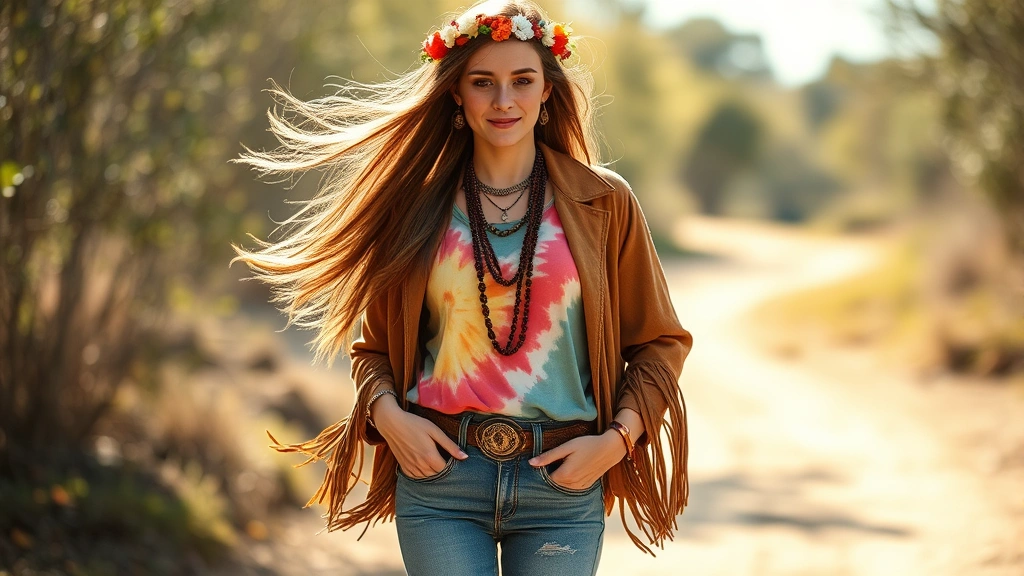
60s Hippie Fashion: Vintage Style Guide
The 1960s hippie movement revolutionized fashion forever, transforming clothing from mere covering into a powerful statement of rebellion, peace, and cultural awakening. This iconic era brought us bell-bottoms, tie-dye, fringe, and a philosophy that fashion should express individuality rather than conform to societal expectations. The hippie aesthetic emerged from the counterculture movement, where young people rejected mainstream values and embraced a lifestyle centered on love, freedom, and environmental consciousness. Understanding 60s hippie fashion means exploring more than just clothing—it’s about comprehending a generation’s values, dreams, and revolutionary spirit that continues to influence contemporary style today.
What makes 60s hippie fashion eternally relevant is its fundamental principle: authenticity over conformity. Hippies mixed vintage finds with handmade pieces, creating eclectic looks that told personal stories. Floral prints clashed beautifully with ethnic patterns, oversized silhouettes mixed with fitted elements, and bright colors celebrated the joy of living. This approach to dressing challenged the rigid fashion rules of previous decades and established the foundation for modern personal style philosophy. Whether you’re exploring your personal style journey or simply fascinated by vintage aesthetics, 60s hippie fashion offers timeless inspiration that proves true style transcends decades.
Essential Hippie Clothing Pieces
Bell-bottoms remain the defining silhouette of 60s hippie fashion, and for good reason. These flared pants, which widened dramatically from the knee down, represented freedom and rebellion against the fitted silhouettes favored by previous generations. The bell-bottom cut was both practical and symbolic—practical for movement and comfort, symbolic of breaking free from restrictive norms. Hippies wore bell-bottoms in denim, corduroy, and colorful fabrics, often decorated with embroidery, patches, and fringe. The beauty of bell-bottoms lies in their versatility; they worked equally well for casual gatherings, music festivals, or political demonstrations.
Tie-dye became the visual language of hippie culture, transforming plain white garments into vibrant, swirling masterpieces through a simple yet artistic process. The technique involved folding, binding, or twisting fabric before dyeing it, creating unique patterns impossible to replicate exactly. Each tie-dye piece was individual, which aligned perfectly with hippie philosophy. T-shirts, tank tops, and even dresses received the tie-dye treatment, resulting in psychedelic designs that captured the era’s experimental spirit. The most iconic color combinations featured oranges, purples, blues, and pinks blending into one another in mesmerizing patterns.
Maxi dresses and skirts offered comfort and femininity while maintaining the era’s bohemian aesthetic. These floor-length pieces, often made from flowing fabrics like cotton, linen, or rayon, allowed for natural movement and celebrated the female form without restrictive tailoring. Hippie women paired maxi skirts with cropped tops, vests, or nothing but body paint at festivals. The empire waist became particularly popular, creating a flattering silhouette while maintaining the relaxed, non-conformist vibe. Many maxi dresses featured ethnic prints, florals, or solid colors enhanced with fringe, beading, or embroidery.
Fringe became an obsession during this period, appearing on jackets, vests, boots, and bags. The movement of fringe represented freedom and fluidity, literally embodying the hippie desire to break free from constraints. Suede and leather fringe jackets became status symbols within the community, often handcrafted and personalized with beads, patches, and paint. This element of 60s hippie fashion continues to inspire designers and fashion enthusiasts who understand that texture and movement add depth to any outfit.
Vests served as the perfect layering piece for hippie fashion, offering warmth while displaying personality through decoration. Denim vests, leather vests, and embroidered vests all appeared in hippie wardrobes, often covered with band patches, peace symbols, and hand-sewn designs. The vest became a canvas for self-expression, allowing hippies to showcase their musical preferences, political beliefs, and artistic talents. Wearing a personalized vest meant carrying your identity visibly, a powerful statement in a movement dedicated to authenticity.

Color Palettes and Patterns
Understanding the color psychology behind 60s hippie fashion reveals the movement’s deeper meaning. Bright, saturated colors symbolized optimism and spiritual awakening, contrasting sharply with the more muted palettes of the 1950s. Psychedelic colors—fluorescent oranges, electric purples, acid greens, and hot pinks—dominated hippie fashion, particularly in tie-dye and printed fabrics. These colors weren’t just aesthetic choices; they represented the era’s experimental attitude and often reflected the psychedelic experiences that influenced the movement’s cultural output.
Earth tones also held significant meaning in hippie fashion, representing a return to nature and environmental consciousness. Browns, tans, oranges, and greens appeared in natural fabrics, often in solid colors or organic patterns. This dual color philosophy—bright psychedelics mixed with earthy naturals—allowed hippies to express both their spiritual aspirations and their ecological values simultaneously. A typical hippie might wear earth-toned bell-bottoms with a psychedelic tie-dye top, creating visual harmony between nature and transcendence.
Floral patterns became synonymous with hippie style, appearing on dresses, shirts, and accessories. These weren’t delicate, refined florals but bold, oversized blooms that celebrated nature’s abundance. Paisley patterns, borrowed from Indian textiles, added an exotic dimension to hippie fashion while connecting the movement to Eastern spirituality. The combination of multiple patterns—a floral dress with a paisley scarf and striped socks—created the eclectic, intentionally clashing aesthetic that defined hippie style. This approach to pattern mixing directly influenced modern different types of fashion styles that celebrate individuality.
Ethnic and tribal prints reflected hippies’ fascination with non-Western cultures and their desire to embrace global perspectives. Batik, Indian block prints, and African-inspired patterns appeared throughout hippie wardrobes, though sometimes with problematic cultural appropriation. These patterns added authenticity and spiritual significance to outfits, connecting wearers to broader human experiences and artistic traditions. The incorporation of international textiles also supported artisans in developing countries, aligning with hippie values of fair trade and cultural appreciation.
Accessories and Jewelry
Jewelry in 60s hippie fashion emphasized natural materials and spiritual symbolism. Beaded necklaces, often handmade with wooden, glass, or stone beads, adorned necks and sometimes extended down the torso in multiple strands. Peace symbol pendants became iconic, worn proudly as declarations of anti-war sentiment. Turquoise and silver jewelry, inspired by Native American craftsmanship, held spiritual significance and added bohemian elegance to outfits. Many hippies wore chakra bracelets, crystal necklaces, and amulets believed to hold protective or healing powers.
Headbands and hair accessories served both practical and aesthetic purposes. Leather headbands wrapped around the forehead, often adorned with beads or feathers, kept hair in place while adding visual interest. Flower crowns, made from fresh or artificial flowers, became festival staples and symbols of peace and love. Bandanas, tied around the head or neck, added color and pattern while serving practical purposes. These accessories allowed for endless creative expression, with many hippies crafting personalized versions that reflected their individual style and spiritual beliefs.
Bags and purses in hippie fashion prioritized function and personality over luxury branding. Macramé bags, crafted from knotted cord, became iconic hippie accessories, offering texture and artisanal appeal. Leather shoulder bags, often fringed or embellished, provided practical storage while maintaining style. Woven bags from various cultures added authenticity and supported traditional craftsmanship. The philosophy behind hippie bags rejected status symbols and brand consciousness, instead celebrating handmade, unique pieces that told stories of travel and cultural connection.
Belts became important styling tools in hippie fashion, often featuring ornate buckles, beading, or fringe. Wide leather belts cinched oversized garments, creating definition while maintaining comfort. Woven or embroidered fabric belts added color and pattern to neutral outfits. The belt served as another opportunity for self-expression, with many hippies collecting vintage or handmade pieces that coordinated with their overall aesthetic. A well-chosen belt could transform a simple outfit into a complete hippie ensemble.
Footwear Guide
Footwear in 60s hippie fashion balanced comfort, style, and practicality for active lifestyles centered on music festivals, protests, and communal living. Go-go boots, with their distinctive mid-calf height and often bold colors or patterns, became iconic hippie footwear despite their association with mod fashion. Hippies embraced these boots in brown suede, black leather, and colorful fabrics, sometimes decorating them with fringe, beads, or embroidery. The structured, geometric aesthetic of go-go boots contrasted interestingly with the flowing, organic elements of hippie clothing, creating dynamic visual balance.
Moccasins and fringe boots offered comfort and authenticity, connecting to Native American aesthetics that many hippies admired and appropriated. Suede moccasins in brown or tan, often decorated with beadwork, provided casual footwear for everyday wear. Tall fringe boots became status symbols within hippie communities, with quality leather and extensive fringe indicating wealth and dedication to the lifestyle. These boots required significant investment but lasted for years, supporting the hippie value of sustainable consumption.
Sandals represented the ultimate hippie footwear, embodying freedom and a return to natural living. Leather sandals, often handcrafted, allowed feet to breathe and connect with the earth. Strappy gladiator-style sandals, sometimes reaching mid-calf, offered more coverage while maintaining the open, free aesthetic. Many hippies went barefoot entirely, rejecting shoes as unnecessary constraints, though practical considerations often necessitated footwear for outdoor festivals and urban environments. The choice of footwear became another way to express commitment to hippie values and lifestyle.
Decorating footwear with paint, beads, and embroidery allowed hippies to personalize their shoes and create unique pieces. A plain pair of boots or sandals could be transformed into artistic statements through DIY decoration, aligning with the movement’s emphasis on handmade goods and personal creativity. This practice of customizing footwear continues to inspire contemporary fashion enthusiasts who value individuality and sustainable fashion practices.

Hair and Beauty
Hair became a powerful statement in 60s hippie fashion, with long, flowing locks symbolizing freedom and rejection of conventional beauty standards. Both men and women embraced longer hair lengths, often leaving it natural and unstyled, celebrating texture and authenticity. The natural hair movement within hippie culture represented acceptance of how hair naturally grew, rejecting perms, relaxers, and rigid styling practices. Flowers, beads, and ribbons woven through hair added decoration without requiring chemical treatments or heat styling.
The hippie approach to beauty rejected heavy makeup and artificial enhancement in favor of natural, minimal beauty routines. Light eyeshadow in earth tones or pastels, subtle eyeliner, and natural lip colors replaced the dramatic makeup favored by previous decades. Many hippies embraced freckles, pale skin, and natural blemishes as beautiful, rejecting the perfect, polished aesthetic promoted by mainstream beauty industries. This philosophy represented a radical departure from 1950s beauty standards and established the foundation for modern acceptance of diverse beauty ideals.
Body paint and decorative makeup became acceptable at festivals and gatherings, allowing for artistic expression and temporary transformation. Psychedelic designs, peace symbols, and floral patterns adorned faces and bodies, particularly at music festivals and cultural events. This acceptance of non-traditional beauty practices represented the movement’s broader embrace of experimentation and self-expression. Body art became a form of wearable art, with participants treating their bodies as canvases for creative vision.
Skincare in hippie culture emphasized natural products and holistic approaches. Organic oils, herbal remedies, and minimal product use aligned with the movement’s environmental consciousness and rejection of industrial beauty products. Many hippies created their own skincare products from natural ingredients, supporting DIY culture and reducing consumption of manufactured goods. This approach to beauty anticipated modern clean beauty and natural skincare movements by decades.
Creating Your Modern Hippie Look
Incorporating 60s hippie fashion into contemporary wardrobes requires understanding the philosophy behind the movement, not just copying surface-level aesthetics. Modern hippie style emphasizes sustainable fashion choices, vintage shopping, and supporting independent artisans—values that align perfectly with current fashion consciousness. Start by investing in quality basics like bell-bottoms or maxi skirts in neutral colors, then layer with vintage or handmade pieces that express your personality. The key to authentic hippie style involves intentional choices that reflect your values and aesthetic preferences.
Shopping vintage and secondhand stores becomes essential for creating genuine hippie-inspired looks while supporting sustainability. Authentic 60s pieces, from original tie-dye shirts to genuine leather fringe jackets, offer historical authenticity and reduce environmental impact compared to new production. Many vintage retailers now specialize in 60s and 70s fashion, making it easier to find quality pieces that align with hippie aesthetics. Building a modern hippie wardrobe through vintage shopping also supports circular fashion practices and reduces textile waste.
Mixing hippie elements with contemporary pieces creates fresh, modern interpretations of the style. Pair vintage bell-bottoms with a modern crop top, combine a tie-dye shirt with contemporary tailored pants, or style a maxi dress with current sneaker trends. This approach honors the hippie principle of mixing and matching while keeping outfits feeling current and personal. The eclectic, individualistic nature of hippie style actually aligns perfectly with modern fashion’s emphasis on personal expression and rejecting rigid style rules.
Creating DIY pieces through customization allows you to develop unique items with personal meaning. Tie-dye plain garments, embroider designs on jackets, add beads to accessories, or paint patterns on shoes. This hands-on approach to fashion connects you to hippie values of creative expression and conscious consumption. DIY fashion projects also offer meditative, mindful activities that contrast with fast fashion’s rapid consumption cycles. Each customized piece becomes a wearable reflection of your creativity and values.
Accessorizing thoughtfully elevates hippie-inspired outfits and demonstrates your understanding of the aesthetic. Layer necklaces of varying lengths, add a leather belt with an interesting buckle, incorporate a vintage scarf, and choose handmade or vintage jewelry. These accessories complete the look while expressing individuality and supporting artisans. The beauty of hippie style lies in its flexibility—there’s no single correct way to wear it, only your personal interpretation of the philosophy and aesthetics.
Understanding the broader fashion history timeline helps contextualize hippie fashion within fashion evolution. Recognizing how 60s styles influenced subsequent decades, from 70s bohemian fashion to modern sustainable style movements, deepens appreciation for the era’s cultural significance. Hippie fashion wasn’t just a trend but a revolutionary movement that permanently altered fashion’s relationship with individuality, authenticity, and social consciousness.
For those exploring diverse style options, examining 90s fashion reveals how later decades reinterpreted hippie aesthetics, creating grunge-bohemian hybrids and minimalist takes on vintage inspiration. The continuous evolution of hippie-influenced fashion demonstrates the style’s enduring relevance and adaptability. Whether you’re drawn to pure 60s aesthetics or modern interpretations, understanding these historical connections enriches your personal style journey.
Building a hippie-inspired wardrobe aligns with modern values of conscious fashion choices and personal expression. Whether shopping vintage, creating DIY pieces, or mixing hippie elements with contemporary fashion, the key involves intentionality and authenticity. Visit our fashion blog for additional inspiration and style guidance as you develop your unique hippie aesthetic.
FAQ
What are the most essential pieces for a 60s hippie fashion look?
Bell-bottoms, tie-dye shirts, maxi skirts or dresses, fringe jackets or vests, and comfortable footwear form the foundation of authentic 60s hippie style. Layer these pieces with vintage accessories like beaded necklaces, headbands, and leather bags to complete the aesthetic. The key involves mixing and matching pieces that reflect your personal interpretation of the hippie philosophy.
How can I wear hippie fashion without appropriating cultures?
Be intentional about incorporating international textiles and designs by learning about their origins and supporting artisans from those cultures. Purchase from ethical sources, educate yourself about the significance of patterns and symbols, and avoid treating cultural elements as trendy accessories. Approach global fashion with respect and genuine interest rather than superficial adoption.
Where can I find authentic 60s hippie fashion pieces today?
Vintage and secondhand stores, online marketplaces specializing in vintage fashion, estate sales, and thrift shops offer authentic 60s pieces. Websites dedicated to vintage fashion, local consignment shops, and specialty boutiques focusing on bohemian style provide curated selections. Building an authentic hippie wardrobe takes time and intentional searching but yields unique, quality pieces with history.
Can I wear hippie fashion in modern professional settings?
Modern hippie style can be adapted for professional environments by choosing more subdued colors, structured silhouettes, and minimal embellishment while maintaining the aesthetic’s core elements. A tailored maxi dress, subtle tie-dye in muted tones, or vintage pieces in neutral colors can work in business casual settings. The key involves balancing hippie elements with professional expectations while maintaining authenticity to your personal style.
How do I style hippie fashion without looking like a costume?
Authenticity comes from understanding and embodying hippie philosophy—valuing individuality, sustainability, and conscious consumption. Mix vintage and contemporary pieces, personalize your look through DIY customization, and choose items that genuinely resonate with your aesthetic rather than assembling a costume. Confidence in your choices and intentional styling transform hippie fashion into a legitimate personal style rather than a costume or trend.
What makes 60s hippie fashion relevant to modern style?
The hippie movement’s emphasis on individual expression, sustainable fashion, and rejecting conformity aligns perfectly with contemporary fashion values. Modern consumers increasingly prioritize vintage shopping, handmade goods, and conscious consumption—all core hippie principles. The aesthetic’s timeless elements, from bell-bottoms to tie-dye, continue influencing fashion designers and style enthusiasts worldwide, proving that authentic style transcends decades.
External Resources: Explore Vogue’s guide to hippie fashion for editorial perspectives on the movement’s cultural impact. The Guardian’s fashion history coverage provides context for understanding 60s style within broader cultural movements. FIT’s Fashion History resources offer academic perspectives on hippie fashion’s cultural significance. Smithsonian Magazine’s coverage explores the movement’s lasting influence on contemporary fashion.

