50s Men’s Fashion: Expert Styling Tips for Timeless Elegance
The 1950s represent one of the most distinctive and influential periods in men’s fashion history. This golden era brought forth a refined aesthetic that combined post-war optimism with meticulous tailoring and attention to detail. The decade established style codes that remain relevant today, proving that true fashion transcends time. Whether you’re drawn to vintage aesthetics or simply seeking to incorporate timeless elements into your wardrobe, understanding 50s fashion men styling is essential for achieving authentic, sophisticated looks.
The 1950s men’s fashion movement wasn’t merely about clothing—it represented a cultural shift toward respectability, structure, and masculine refinement. From the boardroom to the dance hall, every garment was chosen with intention. The era celebrated strong silhouettes, quality fabrics, and impeccable grooming standards. Today’s style-conscious men recognize that incorporating these principles can elevate their entire personal aesthetic and create a lasting impression of confidence and taste.
This comprehensive guide explores the essential elements of 50s men’s fashion, providing expert styling tips that help you authentically recreate this timeless look while maintaining contemporary relevance. We’ll examine the silhouettes, fabrics, accessories, and grooming standards that defined the decade, offering practical advice for building a wardrobe that captures the spirit of this legendary era.
Essential 50s Silhouettes and Cuts
The silhouette forms the foundation of authentic 50s men’s fashion. The decade championed a distinctly structured approach to tailoring that emphasized broad shoulders, a defined waist, and a straight leg. This wasn’t the relaxed fit of modern casual wear—it was precision tailoring that required quality construction and proper fit. Understanding these fundamental shapes is crucial for anyone seeking to master this aesthetic.
The sport coat was the cornerstone of 1950s menswear. These jackets featured a slightly shorter length than modern standards, typically hitting at the hip rather than mid-thigh. The shoulders were naturally broad but not exaggerated, with a gentle slope that created an authoritative silhouette. Lapels were notched and medium-width, avoiding the wide lapels of the 1970s or the narrow cuts of contemporary fashion. The chest presented a clean, uncluttered front with a single or double-breasted configuration, with double-breasted being particularly popular in the early part of the decade.
Suit jackets maintained similar proportions, though they were often slightly more formal than sport coats. The complete fashion history timeline demonstrates how 50s tailoring influenced generations of menswear. Trousers featured a high rise—typically sitting at the natural waist rather than below the hip—with a slight taper through the thigh and a straight leg that broke gently on the shoe. Pleats were common, particularly single or double forward pleats that provided additional comfort and movement while maintaining the silhouette’s crisp appearance.
Casual wear in the 1950s still maintained structure. Bowling shirts, Hawaiian prints, and camp-collar shirts were popular, but they were tailored with fitted bodies rather than the oversized cuts we see today. T-shirts were form-fitting but not body-hugging, and they were typically worn untucked or with a light overshirt. Even leisure wear demonstrated the decade’s commitment to clean lines and intentional tailoring.
Fabrics and Materials That Define the Era
Quality fabrics distinguished 1950s menswear from lesser garments. This was an era when men invested in clothing that would last, and the fabrics selected reflected both durability and visual appeal. Understanding which materials embody the authentic 50s aesthetic helps you source appropriate pieces for your wardrobe.
Wool dominated suiting in the 1950s. Primarily worsted wool, this fabric offered a smooth finish with subtle sheen that caught light beautifully. Flannel wool provided texture and warmth for fall and winter pieces. Gabardine, a tightly woven wool twill, was favored for both suits and trousers due to its durability and resistance to wrinkles. The weight of 50s wool was typically heavier than modern suiting, providing structure and longevity. When selecting contemporary pieces inspired by this era, prioritize natural fiber content and substantial weight.
Cotton played a significant role in casual and warm-weather wear. Oxford cloth buttons-ups, poplin shirts, and cotton twill trousers were staples. These fabrics were often finished with a slight starch, creating crisp edges and clean lines. Finding your personal style often involves selecting fabrics that align with your lifestyle while honoring the principles of quality construction evident in 1950s menswear.
Silk appeared in ties, pocket squares, and occasional shirts, providing subtle luxury. Linen was reserved for warm-weather pieces, though it was less common than cotton due to its tendency to wrinkle—a concern for the fastidious 50s gentleman. Synthetic blends were beginning to emerge, but purists favored natural fibers for their superior feel, drape, and longevity.
Leather appeared in shoes, belts, and occasionally jackets. Quality leather was essential, with shoes featuring genuine leather construction throughout rather than synthetic linings. The patina that developed on well-maintained leather was considered a sign of quality and care—attributes highly valued in 1950s culture.
Color Palettes and Pattern Selection
The 1950s color palette reflected both sophistication and optimism. While bold colors existed, particularly in casual wear and younger men’s fashion, the dominant aesthetic favored neutrals and jewel tones that conveyed stability and refinement. Understanding the appropriate color selections helps you build cohesive outfits that authentically capture the era.
Neutral foundations dominated formal and business wear. Navy blue was perhaps the most versatile color, appearing in suits, sport coats, and trousers. Charcoal gray and medium gray provided alternatives that paired beautifully with numerous accessories. Black was reserved primarily for formal evening wear, while brown appeared in sport coats, trousers, and particularly in shoes. These neutrals provided the foundation upon which men built their wardrobes, allowing for mix-and-match versatility while maintaining a cohesive aesthetic.
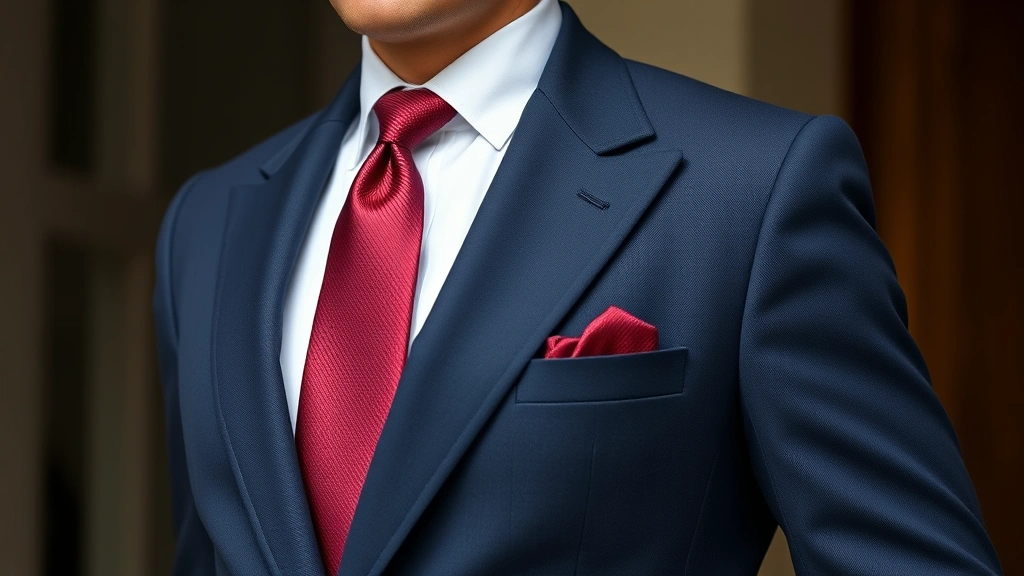
Jewel tones added depth and visual interest to the palette. Emerald green, sapphire blue, and burgundy appeared in ties, pocket squares, and occasionally in sport coats or casual shirts. These colors conveyed both taste and personality without appearing frivolous. Rust, mustard, and forest green were popular in casual wear, particularly in wool sweaters and plaid patterns.
Patterns were carefully curated rather than haphazard. Plaid appeared frequently in sport coats and casual shirts, with balanced proportions and clear color separation. Houndstooth and other geometric patterns provided visual interest while maintaining sophistication. Stripes appeared in ties and occasionally in shirts, always crisp and clearly defined. Polka dots, while less common in formal wear, appeared in ties and casual shirts with restraint. The principle underlying all pattern selection was balance—patterns were coordinated rather than competing, creating a unified visual presentation.
Solid colors were equally important, particularly for foundational pieces. A well-dressed 50s man owned multiple solid-color shirts in white, light blue, and soft pastels. These provided neutral canvases for patterned ties and accessories while allowing the quality of tailoring and fabric to shine.
Accessories That Complete the Look
Accessories in 1950s men’s fashion were never afterthoughts—they were integral components of the complete look, carefully selected to enhance the overall presentation. The era celebrated attention to detail, and accessories provided opportunities to express personality within the framework of refined masculinity.
Ties were essential for any man concerned with appearance. The ideal 1950s tie featured a medium width—approximately 3.5 to 4 inches—with a length that reached the belt buckle when properly tied. Silk was the preferred material, offering a subtle sheen and excellent drape. Knit ties appeared occasionally, particularly in more casual contexts. Patterns ranged from solid colors to geometric designs, paisleys, and novelty prints. The Windsor knot and Four-in-Hand were the dominant tying methods, creating symmetrical, triangular presentations.
Pocket squares added sophistication and visual interest. Often coordinating with ties but in complementary rather than identical patterns, pocket squares were folded into a simple point or puff and placed in the jacket breast pocket. This small detail demonstrated attention to grooming and style consciousness. Tie clips and bars, often featuring subtle designs or initials, secured ties to shirts and added another layer of refinement.
Hats were crucial accessories, particularly in formal and business contexts. The fedora remained popular throughout the 1950s, with medium-sized brims and creased crowns. Homburg hats, with their distinctive curled brims, offered a more formal alternative. Panama hats provided warm-weather options, while flat caps appeared in more casual settings. A well-dressed man owned multiple hats, selecting appropriate styles for different occasions and seasons.
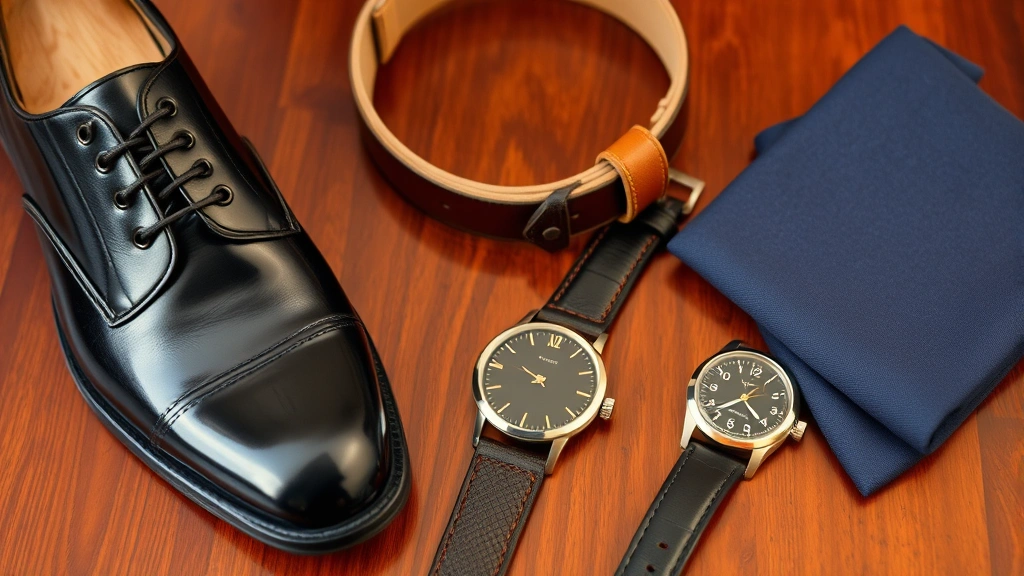
Shoes were fundamental to the 50s aesthetic. Oxfords were the quintessential choice for business and formal wear, with clean lines and quality leather construction. Loafers, particularly penny loafers, provided slightly more casual alternatives while maintaining sophistication. Wingtips offered texture and visual interest through decorative stitching. For warm weather, white buck shoes and saddle shoes appeared, particularly in younger men’s fashion. Shoes were always polished to a shine, with color carefully coordinated to the outfit.
Belts were functional and decorative, typically featuring quality leather with simple buckles. The StyleLoom Daily Blog frequently explores how foundational accessories like belts anchor entire outfits. Color coordination between belts and shoes was essential—a black belt paired with black shoes, brown with brown, and so forth.
Watches served as both functional accessories and status symbols. Simple, elegant designs with leather straps or metal bands were preferred. Cufflinks added refinement to dress shirts, appearing in subtle designs or family crests. These small details accumulated to create an impression of meticulous attention and refined taste.
Grooming and Personal Presentation
Clothing alone could not create the 1950s masculine aesthetic—grooming and personal presentation were equally essential. The decade celebrated clean-cut masculinity achieved through consistent attention to hair, skin, and overall hygiene. Understanding these grooming standards helps complete your authentic 50s-inspired presentation.
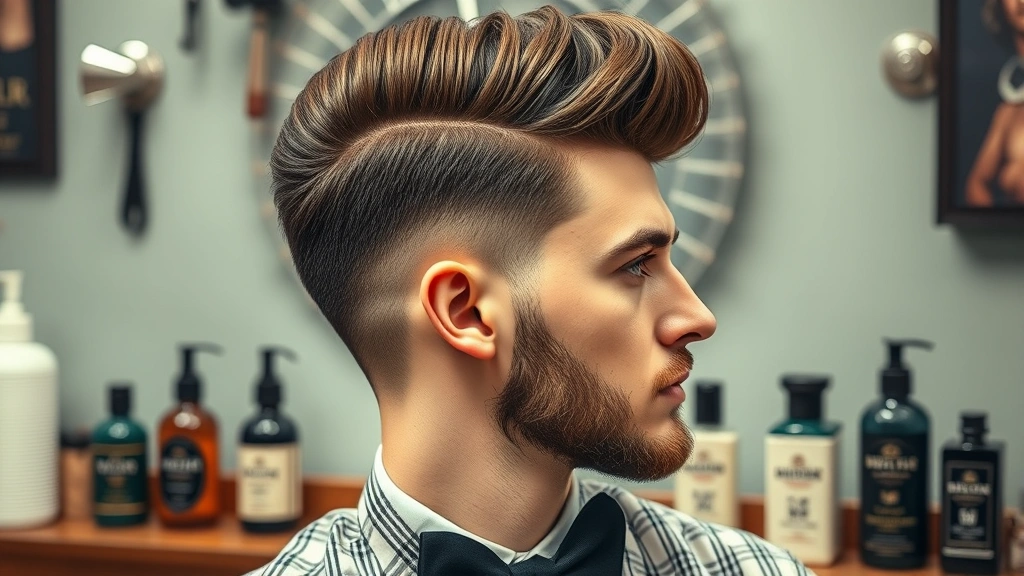
Hair was typically short and carefully styled. The pompadour was iconic, with hair swept back and up from the forehead, requiring regular grooming and product application. The flat-top, with its distinctive squared-off top, represented another popular style. Side parts were universal, with hair typically slicked back with pomade or gel that provided hold while maintaining a slight shine. Regular barbershop visits ensured clean lines and proper shape. Hair was never shaggy or unkempt—length was moderate, typically touching the collar only slightly.
Facial hair presented an interesting aspect of 50s grooming. While beards were generally avoided in favor of clean-shaven faces, neatly trimmed mustaches appeared occasionally, though they remained less common than complete facial hair removal. The emphasis was on a smooth, clean appearance that conveyed professionalism and respectability.
Skin care involved consistent cleansing and shaving. Quality shaving creams and aftershave lotions were considered essential grooming products. The slight scent of aftershave was acceptable and even expected in formal contexts. Skincare focused on cleanliness rather than the elaborate routines of contemporary culture, but the principle of maintaining healthy, well-groomed appearance was paramount.
Nails were kept trimmed and clean, with no visible dirt or discoloration. Hands were frequently washed and maintained, as they were visible indicators of personal hygiene and attention to detail. Fashion icons of the era understood that grooming extended beyond clothing to encompass every visible aspect of personal presentation.
Cologne was used sparingly but deliberately. A subtle application provided a finishing touch to the complete grooming routine. The goal was not to announce oneself through fragrance but to offer a pleasant, refined scent to those in close proximity.
Building Complete 50s-Inspired Outfits
Creating authentic 1950s-inspired looks requires understanding how individual pieces work together to form cohesive presentations. Context matters—business attire differed from casual weekend wear, and formal evening dress followed distinct codes. Building a versatile wardrobe involves selecting foundational pieces that combine effectively.
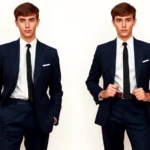
For business and formal wear, begin with a quality suit in navy blue or charcoal gray. Pair this with a crisp white or light blue dress shirt, ensuring proper fit through the shoulders and chest. Select a silk tie in a complementary color or pattern—perhaps a burgundy solid or a navy and gold geometric design. Add a pocket square in a coordinating but slightly different pattern. Complete the look with polished oxfords in black or brown, a leather belt matching the shoes, and a quality watch. A fedora completes the presentation if the occasion permits or requires it.
For casual weekend wear, select a sport coat in brown tweed, olive, or navy. Layer this over a cotton oxford shirt in white or light blue, leaving the collar unbuttoned for a relaxed appearance. Pair with wool trousers in a neutral shade and quality leather shoes—perhaps loafers or wingtips. A simple tie or no tie works depending on the specific context. This combination maintains the 50s aesthetic while presenting a noticeably more relaxed presentation than formal business wear.
For warm-weather casual, a camp-collar or bowling shirt in a subtle print or solid color provides authentic 50s character. These shirts, often featuring short sleeves, pair beautifully with tailored chinos or lightweight wool trousers. White buck shoes or saddle shoes complete the look. If additional layering is needed, a lightweight cardigan or cotton overshirt adds dimension without excessive warmth.
For evening formal wear, a black suit with satin lapels represents the ultimate refinement. Pair this with a white dress shirt featuring a spread collar and studs rather than traditional buttons. A black silk bow tie and black patent leather shoes complete this formal presentation. A cummerbund, while optional, adds an authentic period detail. This look conveys maximum formality and respect for the occasion.
Integrating 50s Fashion Into Modern Wardrobes
While full commitment to 1950s aesthetics appeals to dedicated vintage enthusiasts, many modern men wish to incorporate elements of this refined era into contemporary wardrobes. The principles underlying 50s fashion—quality construction, intentional tailoring, and meticulous attention to detail—remain relevant and valuable regardless of the decade.
Begin by finding your personal style within the framework of 50s principles. This might mean selecting a single 50s-inspired sport coat to pair with modern jeans, or incorporating vintage accessories like quality leather shoes and silk ties into otherwise contemporary outfits. The key is intentional selection rather than wholesale wardrobe transformation.
Quality tailoring remains the most valuable lesson from 1950s menswear. Regardless of whether you’re wearing vintage pieces or contemporary reproductions, proper fit is essential. Shoulders should align with your natural shoulder line, jackets should hit at the hip, and trousers should break gently on your shoes. Modern tailors can adjust contemporary pieces to achieve 50s proportions, making vintage-inspired fashion accessible without requiring authentic period garments.
Color and pattern principles also translate seamlessly to modern contexts. Building a wardrobe around neutral foundations—navy, gray, and brown—with strategic pops of color in accessories creates versatility while honoring 50s principles. Quality silk ties, pocket squares, and leather accessories elevate contemporary outfits while maintaining visual harmony.
Grooming standards also enhance modern presentations. The clean-cut aesthetic of the 1950s, achieved through regular haircuts and meticulous grooming, remains professional and attractive. Short, well-styled hair, a clean-shaven face, and attention to personal hygiene create an impression of competence and respect regardless of the era.
Modern menswear brands increasingly offer pieces inspired by 1950s silhouettes and construction. Vogue’s men’s fashion coverage frequently features contemporary designers drawing inspiration from mid-century aesthetics. These pieces offer the benefits of modern construction and materials while honoring the proportions and details that made 50s fashion distinctive.
The 90s fashion trends demonstrated how different eras can coexist and influence contemporary style. Similarly, 50s elements can be thoughtfully integrated into modern wardrobes without requiring complete aesthetic transformation. The goal is creating a personal style that draws from multiple influences while maintaining visual coherence and authenticity.
FAQ
What are the most essential pieces for building a 50s-inspired wardrobe?
Start with a well-fitting navy sport coat or suit, quality dress shirts in white and light blue, silk ties in neutral and jewel tones, polished leather shoes, and a quality leather belt. These foundational pieces form the basis of authentic 50s styling. Add a fedora and quality watch to complete the essential elements. Understanding fashion design principles helps you evaluate quality and construction in vintage and contemporary pieces.
How do I find authentic 1950s clothing?
Vintage clothing stores, online marketplaces specializing in vintage fashion, and estate sales frequently offer authentic 1950s pieces. When shopping, examine construction quality, fabric content, and fit. Authentic pieces often feature superior construction compared to contemporary garments. Be prepared to invest in tailoring to achieve proper fit, as vintage sizing may differ from modern standards. Specialty vintage retailers often provide detailed descriptions and photographs to help evaluate condition and authenticity.
Can I wear 50s fashion in contemporary professional settings?
Absolutely. The professional aesthetic of 1950s menswear translates excellently to modern business environments. A well-tailored suit in navy or gray with a quality shirt and silk tie communicates professionalism and attention to detail in virtually any business context. The key is ensuring proper fit and maintaining impeccable grooming standards. 50s fashion principles actually enhance professional presentation by emphasizing structure, quality, and intentionality.
What’s the difference between authentic vintage and modern reproductions?
Authentic vintage pieces offer superior fabric quality, particularly in wool and silk content, and often feature superior construction techniques. However, they may require restoration or tailoring and can be fragile. Modern reproductions offer contemporary construction, sizing standardization, and durability while honoring 50s aesthetics. Many men prefer reproductions for everyday wear while collecting authentic pieces for special occasions. Both options effectively create the 50s aesthetic.
How important is hat-wearing to the 50s aesthetic?
Hats were integral to 1950s masculine presentation, particularly in formal and business contexts. However, modern fashion has moved away from routine hat-wearing. You can certainly incorporate fedoras or other period-appropriate hats for special occasions or dedicated vintage styling without requiring them for everyday wear. Many contemporary men successfully evoke 50s fashion through tailoring and accessories alone.
What footwear styles best represent 1950s menswear?
Oxfords, loafers, and wingtips represent the quintessential 1950s shoe styles. Oxfords in black or brown serve formal and business contexts, while loafers and wingtips offer slightly more casual alternatives. Saddle shoes and white bucks appeared in younger men’s fashion and warm-weather contexts. The key is selecting quality leather construction and maintaining polished appearance. Shoes should always coordinate with your belt and overall outfit color scheme.
How do I style 50s fashion for different seasons?
Spring and summer call for lighter fabrics like cotton and linen, lighter colors like pastels and whites, and shorter sleeves. Sport shirts and camp-collar shirts work beautifully in warm weather. Fall and winter emphasize wool sport coats, heavier fabrics, and layering. Cardigans, sweaters, and heavier overcoats provide warmth while maintaining the 50s silhouette. Hats become more practical and stylish in cooler months. Adjust accessories seasonally—lighter ties and pocket squares for summer, richer colors and textures for winter.