Revamp Your 30s Wardrobe: Fashion Expert Advice for Timeless Style
Your thirties represent a pivotal moment in your fashion journey—a time when you’ve moved beyond the experimental phases of your twenties and are ready to invest in pieces that truly reflect who you are. Whether you’re navigating a career shift, embracing new social circles, or simply ready to elevate your style game, a wardrobe revamp in your 30s isn’t just about buying new clothes; it’s about building a foundation of quality, versatile pieces that will serve you for years to come. This comprehensive guide will walk you through the essential steps to transform your closet into a curated collection that exudes confidence, sophistication, and personal authenticity.
The beauty of revamping your wardrobe during this decade is that you have the advantage of self-knowledge. You understand your lifestyle, your body, your preferences, and your aspirations in ways you might not have in your twenties. It’s time to leverage that wisdom and create a collection that celebrates your maturity while remaining fresh and current. From understanding color theory to investing in timeless basics, from discovering your signature style to mastering the art of mixing high and low fashion, we’ll explore every dimension of building a 30s wardrobe that feels authentically you.
Understanding Your Style Evolution
Before you begin purging your closet or splurging on new pieces, take time to reflect on your personal style journey. Your 30s wardrobe should be a natural evolution of who you’ve become, not a complete reinvention unless that’s genuinely what you desire. Consider the outfits you feel most confident wearing, the compliments you receive, and the pieces you actually reach for repeatedly. These clues reveal your authentic style preferences, which should anchor all your revamping decisions.
Fashion history teaches us valuable lessons about timelessness. The elegance of the 1920s fashion dresses still influences modern silhouettes, while the boldness of 90s fashion continues to inspire contemporary designers. Understanding these historical references helps you distinguish between fleeting trends and enduring style principles. Your 30s are the perfect time to develop this fashion literacy—to know what works for you not because it’s trending, but because it aligns with your personal aesthetic and lifestyle demands.
Consider creating a style board or mood board using images that resonate with you. Look for patterns in colors, silhouettes, and overall aesthetics. Do you gravitate toward minimalism or maximalism? Are you drawn to classic tailoring or relaxed, effortless pieces? Do you prefer neutral palettes or bold colors? These observations will guide every purchase decision moving forward and ensure your wardrobe feels cohesive rather than disjointed.
Building Your Foundation: Essential Basics
The cornerstone of any sophisticated 30s wardrobe is a collection of impeccable basics. These are the pieces that form the backbone of countless outfits, the items you’ll reach for when you need to look polished without overthinking it. Unlike the basics you might have worn in your twenties, the basics for your 30s should be elevated in quality, fit, and fabric.
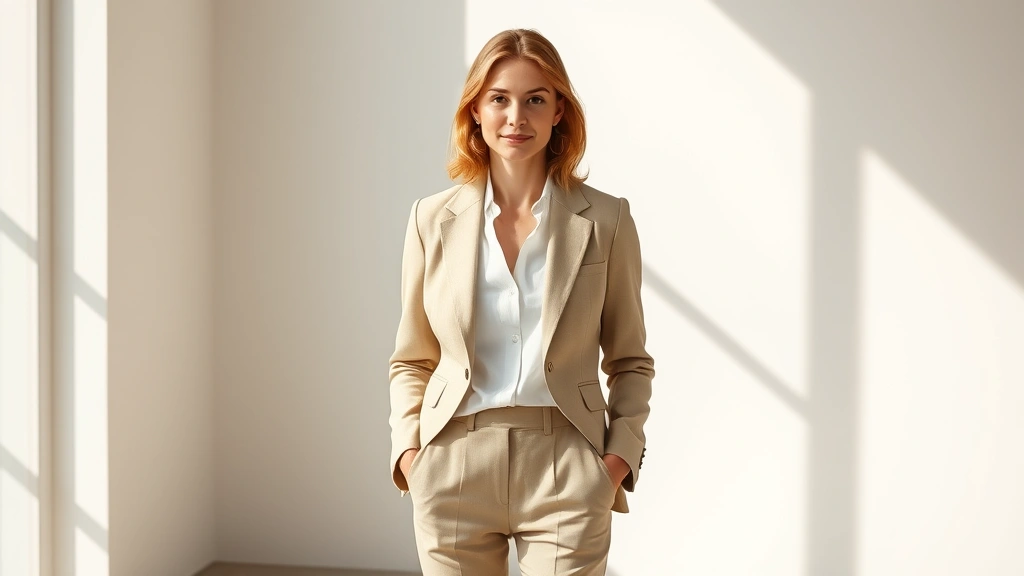
Start with white and black t-shirts in premium fabrics like cotton blends that drape beautifully and maintain their shape. Add tailored trousers in neutral colors—navy, black, gray, and camel are non-negotiable. A crisp white button-down shirt is essential, as is a well-fitted blazer that can instantly elevate any outfit. These foundational pieces should fit you perfectly and feel luxurious to wear. When basics are this good, you’ll naturally gravitate toward wearing them more often, which means you’re getting more value from every piece.
Don’t overlook the importance of well-fitting jeans. Invest in multiple pairs in different washes and styles—a classic dark indigo, a lighter wash for casual occasions, and perhaps a black pair for dressier moments. The right jeans should hug your curves without being restrictive, sit at the correct rise for your body type, and feel like a second skin. This is not an area to compromise on quality, as these pieces will be worn frequently.
Investing in Quality Over Quantity
By your 30s, you should have moved beyond the fast-fashion mentality that dominated your younger years. Quality over quantity isn’t just a trendy phrase—it’s a practical approach to building a wardrobe that lasts, saves money over time, and makes you feel genuinely good about what you’re wearing. A single high-quality blazer will serve you better than five cheap alternatives that pill, fade, and lose their shape after a season.
When evaluating quality, pay attention to fabric content, construction, and finishing details. Check seams for even stitching, examine hems for quality workmanship, and feel the fabric to understand how it will age. Natural fibers like wool, silk, cotton, and linen tend to improve with age and wear. Look for brands that prioritize sustainability and ethical production, as these companies typically invest more in quality construction.
This doesn’t mean every piece must be expensive. It means being intentional about where you spend your money. Perhaps you invest in a luxury coat that will last a decade, while choosing more affordable options for trendy items you’ll only wear for a season. The Style Loom Daily Blog often features thoughtful analyses of investment pieces versus trend pieces, helping you make strategic purchasing decisions.
Color Palette and Personal Branding
One of the most transformative aspects of revamping your 30s wardrobe is establishing a cohesive color palette. This doesn’t mean wearing the same colors every day, but rather choosing colors that work harmoniously together and complement your skin tone, hair color, and eye color. A well-curated color palette makes mixing and matching effortless and ensures that most pieces in your wardrobe can work together.
Start by identifying whether you’re drawn to warm or cool tones. Warm palettes include shades of cream, gold, rust, warm browns, and warm reds. Cool palettes feature whites, silvers, jewel tones, and cool grays. Most people have a natural inclination toward one or the other. Once you’ve identified your preference, build your neutral base around that undertone. This ensures that your basics—the pieces you wear most often—complement your natural coloring.
Add 2-3 signature colors that you love and that make you feel confident. These might be colors that you’re complimented in frequently or that simply make you happy when you wear them. These signature colors should appear in multiple pieces throughout your wardrobe, creating visual consistency and making it easy to build outfits. You can explore the complete history of how color has been used in fashion through The Complete Fashion History Timeline, which offers fascinating insights into how different eras have approached color in fashion.
Finally, add accent colors for variety and visual interest. These are colors you wear less frequently but that add personality to your wardrobe. Accent colors can be bolder, more trendy, or more experimental because you’re not relying on them to form your everyday style foundation.
The Power of Statement Pieces
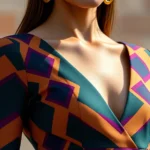
While basics and neutrals form the foundation of your 30s wardrobe, statement pieces are what make it interesting. A statement piece is something that commands attention—whether through bold color, interesting texture, unique silhouette, or striking pattern. These are the pieces that express your personality and prevent your wardrobe from feeling boring or corporate.
The key to incorporating statement pieces successfully is balance. Pair a bold statement piece with neutral basics so the focus remains on the statement piece itself. A vibrant patterned blouse looks sophisticated when paired with tailored trousers and minimal accessories. A textured coat becomes the focal point when worn over simple basics. This approach prevents you from looking costume-like and instead allows statement pieces to enhance your overall aesthetic.
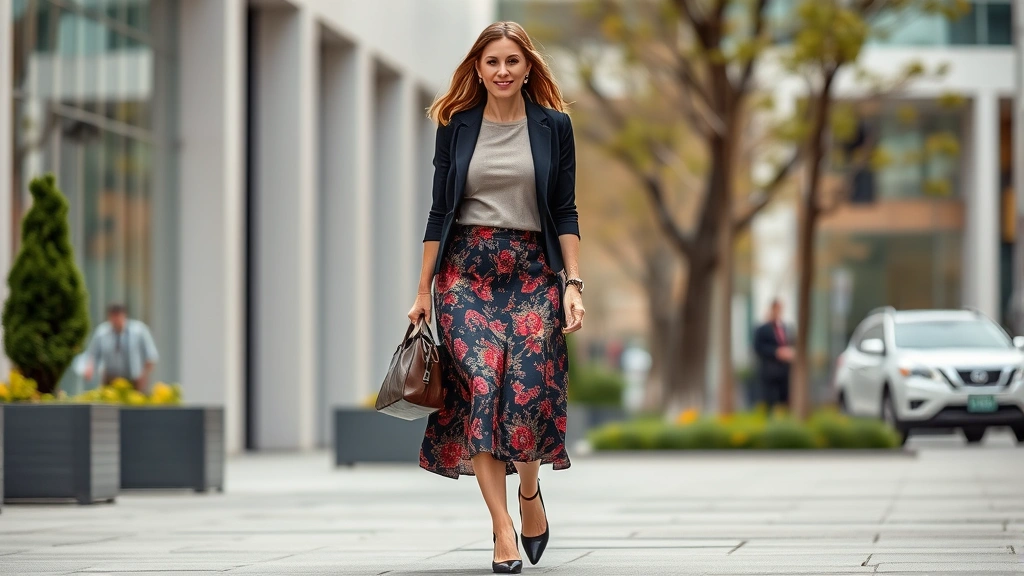
Statement pieces also provide an opportunity to explore current trends without committing your entire wardrobe to them. If you’re intrigued by a trending silhouette or color, express it through a statement piece rather than investing in multiple trendy basics. This way, when the trend fades, you still have a piece you love that feels special and individual. Statement pieces might include a patterned midi skirt, a jewel-toned blouse, a textured sweater, or a coat in an unexpected color.
When selecting statement pieces, choose items that genuinely excite you and that you can see yourself wearing repeatedly. A statement piece that sits unworn in your closet is just wasted money. The best statement pieces are those that feel like a natural extension of your personal style, not items you’re forcing yourself to wear because they’re trendy.
Mastering Proportions and Silhouettes
Understanding how to balance proportions and choose silhouettes that flatter your body is crucial for building a 30s wardrobe that makes you feel confident. By this point in your life, you should have a clear understanding of what shapes and proportions work for your body type. Use this knowledge strategically in your wardrobe choices.
The general rule of proportion is to balance a fitted piece with a looser piece. If you’re wearing fitted pants, pair them with a relaxed top. If you’re wearing a flowing skirt, balance it with a fitted top. This creates visual interest and prevents any single silhouette from overwhelming your frame. It also provides versatility—you can dress the same top differently depending on whether you pair it with fitted or loose bottoms.
Pay attention to length proportions as well. The length of your tops, skirts, and dresses should complement your proportions. Petite frames often benefit from cropped or shorter pieces that don’t overwhelm, while taller frames can carry longer silhouettes beautifully. Midi skirts work for most body types when paired with the right top length. Experimenting with different proportions helps you discover what makes you feel most confident and put-together.
Consider your lifestyle when choosing silhouettes. If you spend most of your time in an office, you’ll want silhouettes that work for professional settings. If you’re more active or casual, you’ll prioritize comfort and ease of movement. Your 30s wardrobe should support your actual life, not some imaginary lifestyle you think you should have. This practical approach ensures you’ll actually wear the pieces you invest in.
Accessories That Transform Your Look
Accessories are the secret weapon of fashion-forward dressing in your 30s. The right accessories can transform a basic outfit into something special, extend the life of your wardrobe, and allow you to express personality without requiring a complete outfit change. Investing in quality accessories is just as important as investing in quality clothing.
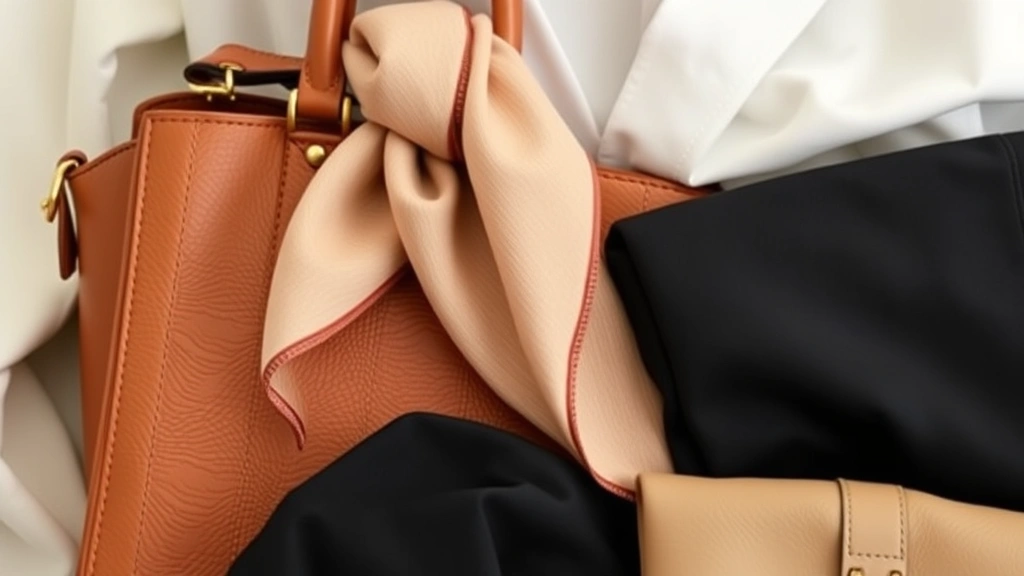
Start with essential basics: a structured handbag in a neutral color that works with most outfits, a smaller crossbody bag for casual occasions, and perhaps a special occasion bag for evening events. Choose bags in timeless styles that won’t feel dated quickly. Leather is an excellent investment as it ages beautifully and becomes more character-filled over time.
Shoes are equally important. You need basics—neutral pumps, flat shoes for everyday wear, comfortable sneakers, and versatile boots. But you can also have fun with shoes since they’re often less expensive than clothing and allow you to experiment with color and style. A red pump or a patterned boot can completely change the feeling of an outfit and add personality to neutral basics.
Jewelry, scarves, belts, and hats are where accessories really shine. These items are relatively inexpensive compared to clothing, making them perfect for experimenting with trends or adding personality to your wardrobe. A beautiful scarf can add color and interest. A statement necklace can dress up basics. A belt can change the silhouette of a dress. Quality jewelry in metals that complement your skin tone becomes the finishing touch that makes outfits feel polished and intentional.
Navigating Trends Wisely
Fashion trends are part of the fun of dressing well, but approaching them wisely in your 30s means distinguishing between trends that align with your personal style and those that are simply passing fancies. Not every trend is for everyone, and that’s perfectly fine. The goal is to incorporate trends in ways that feel authentic to you.
Ask yourself three questions before incorporating a trend: Does this align with my personal style? Can I see myself wearing this a year from now? Do I already have pieces in my wardrobe that this will work with? If you can answer yes to all three, it’s probably worth exploring. If you’re hesitant on any count, it’s likely a trend you should skip.
One approach to trend incorporation is the “trend accessory” method—expressing trends through accessories rather than core pieces. If maxi skirts are trending but you’re not sure about them, try one in a neutral color paired with basics you already own. If bold colors are trending, experiment with them through a scarf or statement jewelry rather than investing in a new coat. This allows you to stay current without making risky investments.
Remember that trends cycle. The Fashion Nova dresses that are trendy today will likely be replaced by different trends next season. Your 30s wardrobe should be built on timeless foundations with trend elements layered on top. This ensures that when a trend fades, your wardrobe doesn’t feel dated because the core pieces remain classic.
Follow fashion experts and trend forecasters like Vogue and browse designer collections from brands like The Volon to stay informed about emerging trends. Understanding where trends are heading helps you make more informed decisions about which ones to embrace and which to skip.
FAQ
How much should I spend on a wardrobe revamp in my 30s?
There’s no fixed amount—it depends on your budget and existing wardrobe. Rather than a specific dollar figure, focus on investing in quality pieces that will last. A strategic approach might involve investing more in basics and outerwear (pieces you wear frequently) and less in trend pieces. Consider spreading purchases over several months rather than buying everything at once.
Should I get rid of everything and start fresh?
Not necessarily. Assess each piece in your current wardrobe honestly. Does it fit well? Does it make you feel confident? Does it work with other pieces? Keep items that meet these criteria and donate or sell pieces that don’t. You might be surprised how many quality pieces you already own that can be incorporated into your revamped wardrobe.
How do I know what colors work best for me?
Consider your skin undertone (warm, cool, or neutral), your natural hair color, and your eye color. Warm undertones typically look better in warm colors like gold, rust, and warm neutrals. Cool undertones shine in silver, jewel tones, and cool neutrals. Experiment by holding different colored fabrics near your face and noticing which ones make your skin look healthier and more vibrant.
What if I’m not sure about my personal style?
Create a mood board using images that appeal to you. Save photos of outfits you love, even if they’re from different aesthetics. Over time, patterns will emerge. You’ll notice common colors, silhouettes, and overall vibes. These patterns reveal your authentic style preferences. You can also explore how to find your personal style through more detailed guidance.
How often should I update my 30s wardrobe?
Rather than waiting for a major overhaul, make strategic additions throughout the year. Replace worn-out basics, add pieces that fill gaps in your wardrobe, and incorporate trend pieces that excite you. This approach prevents your wardrobe from feeling stale while avoiding the expense and overwhelm of a complete revamp.
Is it okay to mix high-end and affordable pieces?
Absolutely. Many stylish people mix investment pieces with more affordable items. The key is that each piece should be quality within its price range. A $50 shirt from a quality brand that lasts years is a better investment than a $200 shirt from a brand known for poor construction. Focus on quality construction, fabric, and fit rather than price alone.