20’s Fashion for Guys: Expert Style Guide
The 1920s remains one of the most transformative decades in men’s fashion history, representing a bold departure from the rigid Victorian and Edwardian aesthetics that preceded it. Often called the Roaring Twenties, this era brought unprecedented social change, economic prosperity, and cultural liberation that fundamentally reshaped how men dressed and presented themselves. From the jazz clubs of New York to the boulevards of Paris, young men embraced a new philosophy of style that balanced sophistication with accessibility, formality with experimentation.
Understanding 20’s fashion for guys goes beyond simply knowing which garments were popular during the decade. It requires appreciating the historical context that drove these sartorial choices, the cultural movements that influenced design sensibilities, and the way ordinary men translated high fashion into their everyday wardrobes. Whether you’re a vintage enthusiast, a costume designer, or someone seeking inspiration for a distinctive personal aesthetic, mastering the principles of 1920s menswear offers timeless lessons in elegant dressing and confident self-expression.
This comprehensive guide explores the essential elements of 1920s men’s fashion, breaking down the key pieces, silhouettes, colors, and styling techniques that defined the era. By the end, you’ll understand how to authentically incorporate vintage 20s style into your modern wardrobe while maintaining contemporary relevance and personal flair.
Defining Silhouettes and Fits
The silhouette of 1920s menswear represented a dramatic shift from the previous century’s aesthetic. Men’s fashion moved away from the structured, heavily padded shoulders of earlier decades toward a more relaxed, streamlined approach. The characteristic 20s silhouette featured dropped waistlines, looser cuts through the torso, and a generally straighter line from shoulder to hip. This wasn’t about baggy clothing; rather, it was about creating a more comfortable yet still refined appearance that aligned with the era’s modernist sensibilities.
Jackets during this period typically featured various fashion types including single-breasted and double-breasted styles, with many featuring notched lapels that became increasingly wider as the decade progressed. The jacket length was generally shorter than Victorian standards, typically hitting at the hip or just below. Trousers were cut with a higher rise, featuring a more generous cut through the thigh that gradually tapered toward the ankle. This created the distinctive silhouette that instantly identifies authentic 1920s menswear.
Understanding the proper fit is crucial when studying this era. The key is achieving what fashion historians call the “easy elegance” of the 1920s. This means garments that drape smoothly without clinging to the body, allowing for comfortable movement while maintaining a polished appearance. Shoulders should sit naturally, with minimal padding compared to modern tailoring. The chest should have enough room to move freely, and trousers should break gently at the shoe without excessive fabric bunching at the ankle.
The Essential Suit
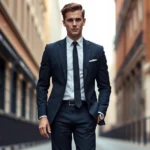
No exploration of 20s fashion for guys is complete without thoroughly examining the suit, which remained the cornerstone of masculine dressing throughout the decade. The 1920s suit evolved significantly from 1920 to 1929, reflecting broader cultural shifts and design innovations. Early-decade suits featured more conservative cuts with higher button stances, while suits from the late twenties displayed lower button stances and more relaxed proportions.
The two-piece suit dominated the era, typically consisting of a jacket and matching trousers. Many men owned multiple suits in different colors and fabrics for various occasions. Wool was the predominant fabric choice, prized for its durability, warmth, and ability to hold a crisp crease. Summer suits were crafted from lighter wools, linen blends, or cotton, while winter suits featured heavier tweeds and flannel weaves. The quality of tailoring was paramount, with well-constructed suits featuring hand-stitched details and superior construction techniques that ensured longevity.
For finding your personal style within the 1920s framework, consider the specific suit types available during the period. The lounge suit was the standard business and formal daytime wear, featuring a jacket with a soft front and side vents. The sack suit, which had no defined waist seam, became increasingly popular as the decade progressed, offering a more relaxed alternative. For evening wear, men wore dinner jackets or tuxedos, typically in black or midnight blue, paired with white dress shirts and bow ties.
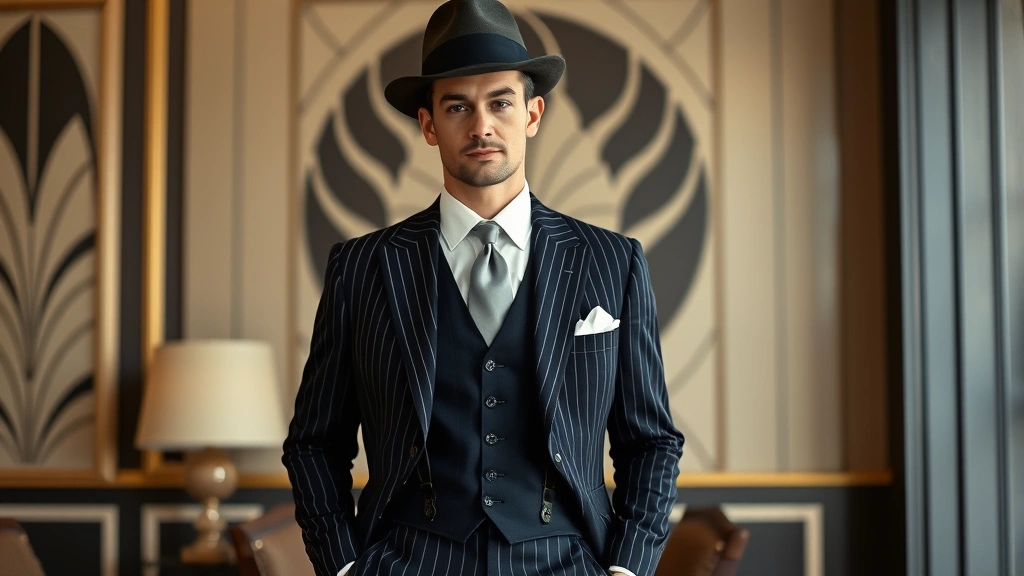
The three-piece suit, complete with a matching vest, was also extremely common during the 1920s. The vest served both practical and aesthetic purposes, providing warmth and allowing men to remove their jackets while maintaining a complete, polished appearance. Vests featured a low cut that showcased the dress shirt and tie, and many included decorative details such as contrasting piping or watch pockets for chain attachments.
Accessories and Details
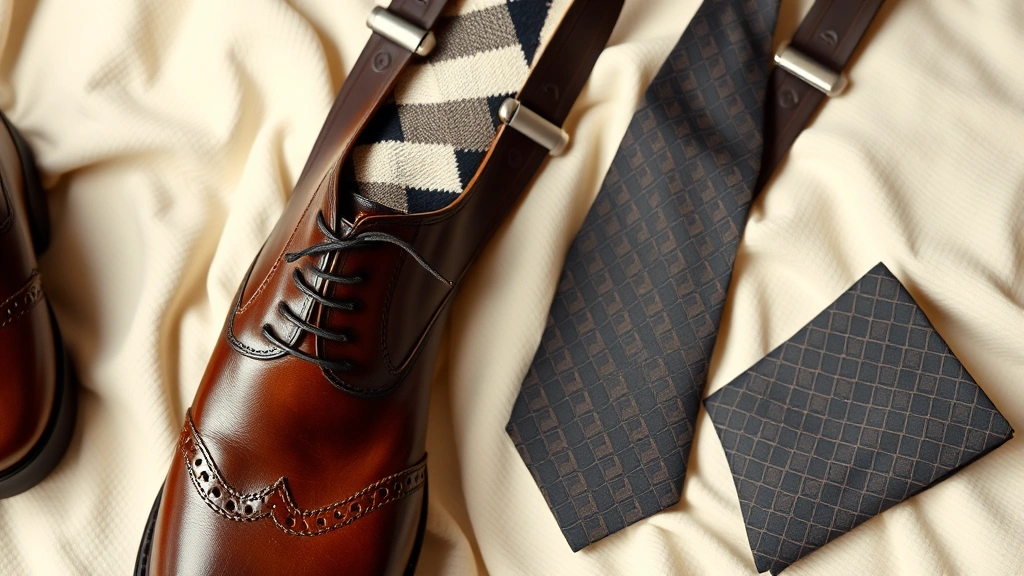
Accessories in 1920s men’s fashion weren’t merely decorative afterthoughts; they were essential components that completed the look and demonstrated a man’s attention to detail and personal style. The necktie underwent significant evolution during this period, reflecting broader design trends. Early 1920s ties were relatively wide and featured bold patterns including geometric designs, stripes, and floral motifs. As the decade progressed, ties became narrower and more subdued in coloring, though patterned options remained popular.
The bow tie maintained significant presence throughout the decade, particularly for formal occasions and business settings. Bow ties were often made from silk and came in various widths and styles. Pocket squares were practically mandatory accessories for well-dressed men, adding a pop of color or pattern to the jacket’s breast pocket. Many men coordinated their pocket squares with their ties, while others deliberately chose contrasting options for added visual interest.
Shirts deserve special attention when studying 1920s menswear. Dress shirts featured high, stiff collars made from separate collar pieces that could be detached for easy laundering and replacement. Wing collars, featuring small points that curved outward, were particularly popular for formal occasions. Point collars with varying degrees of spread became increasingly common throughout the decade. The majority of dress shirts were white or cream-colored, though pastel shades including light blue, pink, and yellow gained acceptance as the 1920s progressed. Many shirts featured subtle patterns such as fine stripes or small checks.
Suspenders, known as braces in British English, were essential for holding up trousers, as belts were not yet standard practice. Suspenders came in various colors and patterns, often featuring silk webbing with leather tabs. Many men wore decorative suspenders that were visible when their jackets were removed, making them a genuine style statement rather than purely functional items.
Hats were absolutely crucial to 1920s masculine dressing, with most men rarely appearing in public without one. The fedora was perhaps the most iconic hat style of the era, featuring a creased crown and a brim that could be worn in various ways. The homburg, a more formal option, featured a rolled brim and grosgrain ribbon. The bowler hat remained popular, particularly among older men and for business settings. Flat caps and newsboy caps were worn for casual occasions and sporting events. Hats were considered so essential that omitting one would have been considered inappropriate or eccentric.
Color Palettes and Patterns
The color palette of 1920s menswear reflected both the decade’s optimism and its connection to earlier traditions. Neutral tones including black, charcoal gray, navy, brown, and tan dominated suits and formal wear. These colors provided versatility and maintained the conservative aesthetic that business and formal settings demanded. However, the 1920s also introduced greater acceptance of color variety compared to previous decades.
Lighter shades including cream, light gray, and beige appeared in summer suits and casual wear. Earth tones such as olive, rust, and golden brown were particularly popular for sports coats and leisure wear. By the late 1920s, some adventurous men experimented with bolder colors including wine, forest green, and even purple in casual contexts, though these remained relatively uncommon in formal settings.
Patterns featured prominently in 1920s menswear, adding visual interest and personality to the relatively conservative silhouettes. Pinstripes were extremely popular, appearing on many business and formal suits. Herringbone and tweed patterns were favored for sports coats and casual wear. Windowpane checks, Glen checks, and houndstooth patterns appeared on various garments, particularly sports coats and trousers. Ties featured the most dramatic patterns, including bold geometric designs, paisley motifs, and artistic prints that reflected the era’s Art Deco aesthetic.
The interplay between solid colors and patterned pieces was carefully orchestrated in 1920s dressing. A man might wear a patterned tie with a solid-colored shirt and a subtle pinstriped suit, or combine a solid tie with a patterned shirt and checkered sports coat. The key was achieving balance and ensuring that no single element overwhelmed the overall composition.
Footwear Essentials
Shoes in the 1920s represented a fascinating intersection of practicality, formality, and emerging sportswear influences. Oxfords were the dominant style for formal and business wear, featuring a closed lacing system that created a refined, streamlined appearance. Most Oxfords were black or dark brown leather, though lighter tans and cordovans appeared in casual contexts. The toe box was generally round or slightly squared, with minimal ornamentation.
The Derby, featuring an open lacing system with the eyelets positioned on top of the vamp, offered a slightly less formal alternative to Oxfords while maintaining sophistication. Brogues with their characteristic perforated detailing were becoming increasingly popular during the 1920s, though they were still considered somewhat sporty compared to plain Oxfords. The decorative punching and wingtip patterns of brogues appealed to men seeking to express individual style within formal contexts.
For casual and sporting occasions, men wore canvas shoes, saddle shoes (featuring contrasting color panels), and early versions of what would become modern sneakers. Two-tone shoes combining contrasting leather colors were particularly fashionable during the 1920s, with black and white combinations being especially popular. These shoes were considered sporty and suitable for golf, tennis, and other leisure activities.
Spats, or gaiter-like coverings worn over the ankle and lower leg, remained fashionable during the early 1920s, particularly for formal daytime wear. These were gradually abandoned as the decade progressed, reflecting the era’s overall movement toward less formal, more comfortable dressing. When spats were worn, they typically matched or complemented the trousers, and were secured with a strap under the shoe.
Casual and Sportswear
While formal wear dominated 1920s menswear in professional and social settings, the decade also witnessed the emergence of distinctive casual and sportswear styles. This represented a significant shift from previous eras, where the distinction between formal and casual wear was less pronounced. The rise of leisure activities, automobile culture, and youth-oriented social movements created demand for comfortable, practical clothing suitable for golf, tennis, motoring, and beach activities.
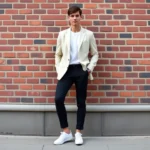
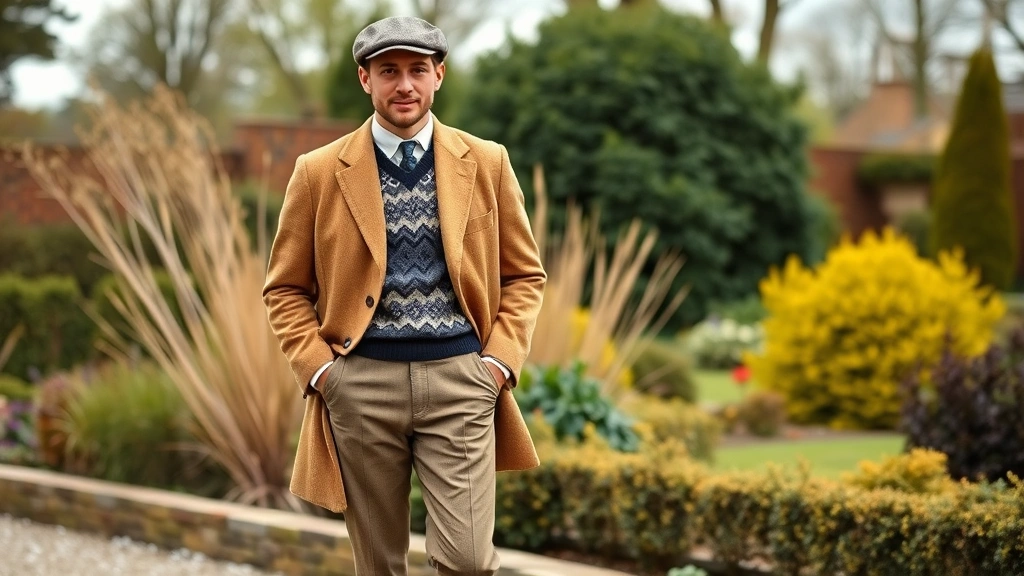
The sports coat or blazer became increasingly important during this period, offering an alternative to the matched suit. Sports coats featured more relaxed cuts than suit jackets and often displayed bolder patterns or colors. Tweed sports coats with various color combinations were particularly popular, as were coats in solid colors like tan, brown, or forest green. These could be paired with contrasting trousers in neutral colors, creating more casual yet still refined outfits.
Golf wear during the 1920s included knickerbockers, loose-fitting trousers that ended at the knee and were typically paired with long socks. These were often made from tweed or other textured fabrics and represented a departure from conventional business wear. Argyle and Fair Isle patterns were particularly popular for golf socks, adding visual interest to the lower leg.
Beach and resort wear included linen suits in cream or light colors, which provided comfort in warm weather while maintaining a polished appearance. Short-sleeved shirts and camp collar shirts (featuring an open, Cuban-style collar) appeared in casual contexts, though long sleeves remained standard for business and formal settings. Sweaters and cardigans became increasingly popular for layering, particularly in Fair Isle and geometric patterns that reflected contemporary Art Deco design aesthetics.
The bathing suit evolved significantly during the 1920s, with men’s versions becoming less conservative. Early-decade suits featured sleeves and covered significantly more of the torso, while by the late 1920s, sleeveless suits with lower necklines became acceptable. These were typically made from wool or cotton and featured horizontal stripes in contrasting colors.
Styling for Modern Times
Incorporating 1920s fashion elements into contemporary wardrobes requires thoughtful curation and understanding of how vintage aesthetics translate to modern contexts. Rather than adopting the entire 1920s look, most contemporary men benefit from selecting specific elements that resonate with their personal style and lifestyle. Understanding fashion history timelines helps contextualize these choices and ensures authentic interpretation.
The tailored suit remains relevant, and 1920s-inspired tailoring offers an excellent alternative to overly slim or excessively oversized contemporary cuts. Seeking suits with slightly dropped waistlines, relaxed cuts through the torso, and appropriate jacket lengths creates a sophisticated aesthetic that feels both vintage and timeless. Pairing such suits with period-appropriate accessories including pocket squares, suspenders (worn visibly or under the jacket), and fedoras creates a cohesive look suitable for special events, themed parties, or simply expressing individual style.
For everyday wear, incorporating individual 1920s elements proves more practical. A vintage-inspired sports coat in tweed or herringbone paired with modern trousers creates visual interest while remaining contemporary. Patterned ties and pocket squares in Art Deco or geometric designs add a touch of 1920s flair to standard business attire. Fedoras and flat caps have experienced renewed popularity in recent years, making them accessible choices for adding vintage character without appearing costume-like.
Footwear offers another avenue for vintage inspiration. Quality leather Oxfords or Brogues in classic colors work seamlessly with modern wardrobes, while two-tone or saddle shoe styles in contemporary colorways provide more distinctive options for those seeking bolder statements. Canvas sneakers in vintage-inspired colorways bridge the gap between 1920s aesthetics and modern casual wear.
The key to successfully integrating 1920s fashion for guys into modern life involves exploring style inspiration through fashion blogs and understanding proportion and balance. Modern tailoring differs from 1920s construction, so attempting exact reproductions often results in an ill-fitting or costume-like appearance. Instead, work with contemporary tailors who understand vintage aesthetics and can adapt 1920s silhouettes to modern measurements and construction techniques. This ensures that vintage-inspired pieces function practically within contemporary life while maintaining their aesthetic appeal.
Consider the context and purpose when styling 1920s-inspired outfits. A complete 1920s ensemble including period-appropriate suit, shirt, tie, suspenders, pocket square, and hat works wonderfully for themed events, vintage fashion shows, or photography projects. For everyday contemporary wear, mixing one or two vintage elements with modern pieces creates a distinctive personal style that feels authentic rather than costume-like. A 1920s-inspired suit paired with modern shoes, or a period-appropriate tie and pocket square worn with contemporary business attire, achieves this balance effectively.
Authenticity matters less than personal expression and practical wearability. While understanding the historical accuracy of 1920s menswear enriches your appreciation for the era, contemporary fashion permits creative interpretation and personal variation. Experimenting with different combinations, exploring fashion design principles, and developing confidence in your choices leads to a distinctive personal aesthetic that draws inspiration from the Roaring Twenties while remaining grounded in modern sensibility.
FAQ
What are the key differences between early and late 1920s menswear?
Early 1920s suits featured higher button stances and more conservative proportions, while late-decade styles displayed lower button stances and more relaxed cuts. Trousers became progressively wider through the thigh as the decade advanced, and accessories including ties became narrower and more subdued in color. The overall silhouette evolved from relatively formal and structured toward increasingly comfortable and streamlined.
How should I wear suspenders with 1920s-inspired outfits?
Suspenders can be worn visibly over the shirt as a style statement, or worn under the vest and jacket for a more conservative appearance. Visible suspenders should coordinate with your overall outfit, either matching or complementing your tie and pocket square. The elastic webbing and decorative design of quality suspenders made them fashionable accessories rather than purely functional items in the 1920s.
Are fedoras essential for authentic 1920s styling?
While fedoras were extremely popular and iconic to the era, many men wore other hat styles including homburgs, bowlers, flat caps, and newsboy caps. The specific hat choice depended on the occasion, formality level, and personal preference. For modern styling, a fedora adds immediate 1920s character, but other period-appropriate hat styles offer equally valid options.
What fabrics were most common in 1920s menswear?
Wool was the predominant fabric for suits, sports coats, and formal wear, chosen for its durability, warmth, and ability to hold creases. Summer suits featured lighter wool blends, linen, and cotton. Linen was popular for casual and resort wear. Silk was used for ties, pocket squares, and dress shirt details. Cotton appeared in casual shirts and sportswear.
How can I find authentic 1920s menswear pieces today?
Vintage clothing stores, online marketplaces specializing in vintage fashion, and auction sites frequently offer authentic 1920s pieces. Estate sales and antique shops sometimes include menswear from this period. For new pieces inspired by 1920s aesthetics, specialty vintage reproduction companies and contemporary designers influenced by the era offer options. When purchasing vintage pieces, verify authenticity through construction details, fabric content, and period-appropriate labeling.
Can women incorporate 1920s menswear elements into their wardrobes?
Absolutely. The 1920s witnessed significant shifts in women’s fashion including the adoption of menswear-inspired elements. Women wore tailored blazers, suspenders, fedoras, and other traditionally masculine garments as expressions of liberation and modernity. Contemporary women can similarly draw inspiration from 1920s menswear, adapting silhouettes and styling techniques to create distinctive personal aesthetics that reflect both vintage inspiration and individual expression.